Golf can be tough for beginners, but with the right Golf Tips for Beginners, you can navigate the challenges more easily. You might feel overwhelmed by the rules, techniques, and the pressure of hitting that perfect shot. Remember, building confidence is key to improving your skills. As Jack Nicklaus said, “Golf is 90% mental and 10% physical.” Practical Golf Tips for Beginners can help you gain that confidence and enjoy your golfing journey.
Key Takeaways
Master your grip and stance to build a solid foundation for your golf game. A proper grip allows for better control and a smoother swing.
Practice regularly, focusing on short game drills and driving range techniques. Consistent practice enhances skills and builds confidence.
Use visualization techniques to mentally prepare for shots. Picture successful outcomes to reduce anxiety and improve performance.
Golf Tips for Beginners: Setup and Grip
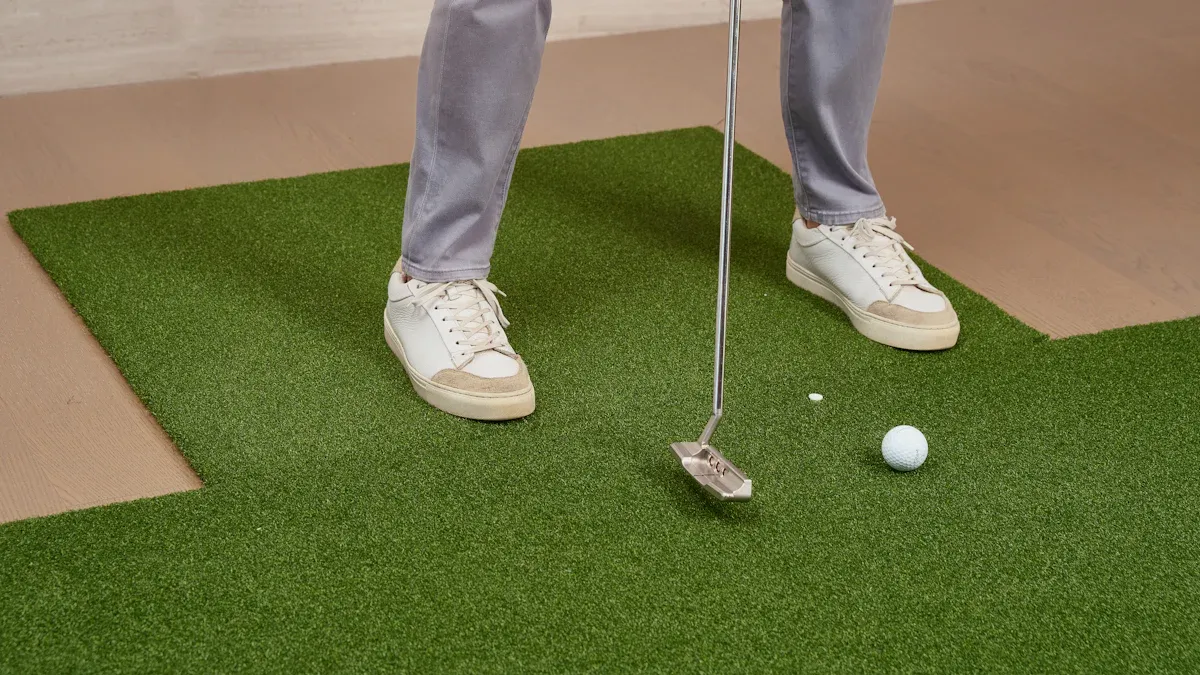
Getting your setup and grip right is crucial for building confidence in your golf game. When you master these basics, you’ll notice a significant improvement in your performance. Let’s dive into some essential tips to help you get started.
Proper Grip Techniques
Your grip is the only connection you have with the club, so it’s vital to get it right. Many beginners make common mistakes that can hinder their performance. Here are some key points to consider:
Gripping too tightly: Holding the club too tightly can lead to tension in your arms and shoulders. Aim for a grip pressure of about 4-5 on a scale of 1-10. This allows for better control and a smoother swing.
Incorrect hand placement: Make sure your hands are positioned correctly on the club. The lead hand (left hand for right-handed golfers) should sit comfortably on the grip, with the thumb pointing down the shaft. This helps you square the clubface at impact.
Imbalance in grip pressure: Ensure that both hands apply equal pressure. If one hand grips too tightly, it can lead to hooks or slices.
To help you master the grip, consider trying the baseball grip (or ten-finger grip). This technique involves placing all fingers on the club without interlocking them. It’s easy to learn and feels natural, making it a great choice for beginners.
Stance and Posture
Your stance and posture play a significant role in your shot accuracy. Here are some tips to perfect your stance:
Alignment: Ensure your body aligns with your target. Misaligned shoulders can lead to inaccurate shots, even if your feet and hips are correctly positioned.
Ball position: The position of the ball in your stance affects shot direction. Placing it too far forward or back can cause hooks or slices. Experiment to find the sweet spot for each club.
Balanced posture: Distribute your weight evenly over your feet. This balance helps maintain stability and reduces strain on your spine, which is crucial for injury prevention.
Maintaining a neutral spine alignment is essential. It prevents muscle fatigue and discomfort, allowing you to swing freely. Engaging your core muscles also supports your spine and improves stability during your swing.
By focusing on these setup and grip tips, you’ll build a solid foundation for your golf game. Remember, practice makes perfect, so take the time to refine these skills on the range.
Improving Your Golf Game: Practice Regularly

To become a consistent and confident golfer, regular practice is essential. It’s not just about hitting the ball; it’s about developing skills that translate to the course. Let’s explore some effective ways to practice, focusing on short game drills and driving range techniques.
Short Game Drills
Improving your short game can significantly lower your scores. Here are some drills that can help you sharpen your skills:
Drill Name | Skill Level | Rules |
|---|---|---|
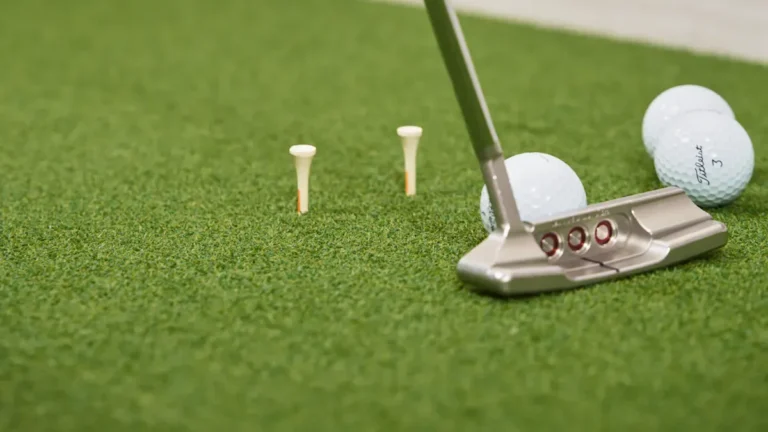
Clock Putting Drill | Tour | Tees at 20, 30, and 40 ft. Complete 20, 30, and 40 feet without a miss. |
0 – 10 Handicap | Tees at 15, 25, and 35 ft. Putt 3 balls in the safe zone from each length but with one free pass to start. | |
11 – 20 Handicap | Tees at 15, 25, and 35 ft. Still 3 balls, but now we move to the 3 ft. circle as our target. You start with one pass. | |
20 + Handicap | Same as 11-20 Handicap, but with 2 passes. | |
Chip in 3 ft. Circle Drill | Tour | 10 In Circle In A Row. |
0 – 10 Handicap | 5 In Circle In A Row. | |
11 – 20 Handicap | 2 In Circle In A Row. | |
20 + Handicap | 2 Out Of 4…Or One Hole Out. | |
Total Distance Chipping Drill | All Skill Levels | Scatter 5 balls around your chipping green, making sure to vary the lie. Chip to the same hole with each ball. 30 feet or less total is not bad. |
These drills not only improve your short game but also build confidence. Experts suggest that practicing three times a week, focusing on putting, chipping, and driving range exercises, can lead to measurable improvement.
Driving Range Tips
The driving range is your playground for developing a solid routine. Here are some tips to make the most of your time there:
Set clear goals for each session. Focus on grip, stance, or alignment.
Start with shorter clubs like wedges or short irons. This builds confidence before moving to longer clubs.
Work on your swing tempo and rhythm. A smooth swing leads to better control.
Use alignment aids to ensure you’re aiming correctly.
Incorporate short game practice, including putting and chipping.
A recommended routine might look like this:
Putting: 15-30 minutes focusing on distance control and accuracy.
Chipping: 15-30 minutes practicing different lies and trajectories.
Driving: 15-30 minutes perfecting your full swing with attention to grip and stance.
Short Game: 15-30 minutes on shots within 100 yards.
Course Simulation: Practice drills that mimic real on-course situations.
Regular practice at the driving range helps you simulate real-game conditions. This experience is crucial for developing skills that translate to on-course performance. As you practice under pressure, you’ll learn to manage emotions and focus, which are essential for actual gameplay. Remember, success on the course builds confidence, so take your time and go through your routine on every shot.
By incorporating these short game drills and driving range tips into your practice, you’ll see improvements in your game. Consistent practice not only enhances your skills but also fosters trust in your abilities, making you a more confident golfer.
Alignment and Mental Strategies
Getting your alignment right is crucial for hitting accurate shots. When you position your body parallel to the target line, you enhance your swing control. Proper alignment can improve your shot accuracy significantly. Here are some key points to consider:
Proper alignment and body movement improve shot accuracy.
Correct weight transfer leads to consistent ball striking.
Small differences in shoulder and hip alignment can affect swing direction.
To help with alignment, consider using tools like toe plates or smart strings. These can guide you in aiming and aligning your body correctly.
Visualization Techniques
Visualization is a powerful mental strategy that can boost your confidence. By mentally rehearsing successful shots, you prepare yourself for real-game situations. Here’s how to use visualization effectively:
Picture the shot’s trajectory and where the ball will land.
Imagine the feeling of a perfect swing.
Visualize positive outcomes to reduce anxiety.
Establishing a consistent pre-shot routine that includes visualization can help you manage nerves. This routine allows you to focus on the necessary factors for a successful shot.
Developing a Strong Shot Routine
A strong shot routine can help you stay calm and focused. Here are the key components:
Analyze the ideal landing spot.
Visualize the shot and its trajectory.
Align your clubface to the target.
Trust your preparation and execute the shot.
By practicing this routine, you’ll build confidence and improve your overall performance on the course.
Building confidence in golf takes time and practice. Remember these key points:
Focus on your grip and stance.
Practice regularly, especially your short game.
Use visualization and develop a strong shot routine.
Enjoy your golfing journey, celebrate small wins, and keep improving your skills! 🏌️♂️
FAQ
What are some essential tips for beginners in golf?
Start with a proper grip and stance. Focus on your setup routine to improve your game.
How can I learn course management?
You can learn course management by practicing smart course management strategies and analyzing your shots.
Should I take lessons from a pro?
Yes, taking lessons from a pro can help you grasp essential tips and improve your skills faster.