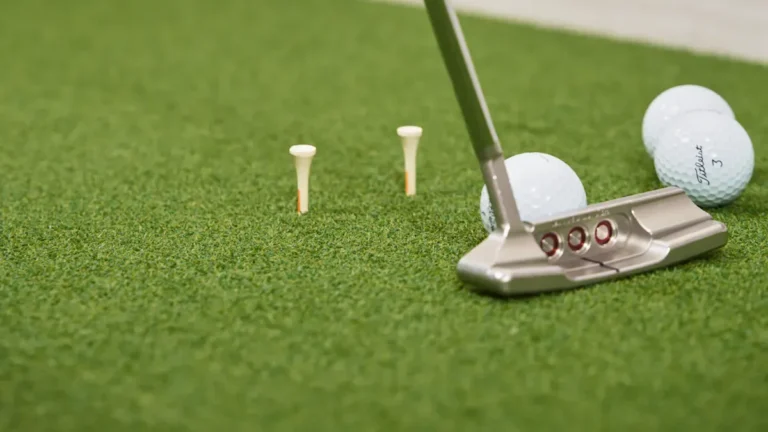

Playing smarter on the golf course starts with simple choices. Read the layout, steer clear of trouble, and stick to a clear plan. Better targets off the tee can save shots fast. Smart pace on the greens can trim your score too.
Build a Course Management Plan
Because smart golf starts long before the club moves, you need a course management plan that helps you consider clearly on every hole. You can study the course layout, observe player tendencies, and pick shots that fit your scoring potential.
Next, build hazard awareness through marking bunkers, water, and rough spots that can steal easy pars. Then match club selection to the safest landing zone, not the loudest idea in your head. That choice supports cleaner shot execution and steadier swings.
Also, write quick reminders before each round so you recall what works as nerves rise. As you plan this way, you feel less alone over the ball and more in control. Smart choices don’t kill fun. They give you room to breathe, belong, and play your game with confidence.
Pick Smarter Tee Shot Targets
As you stand on the tee, the target you pick can calm your nerves or stir up trouble, so it pays to choose with purpose.
Start with strategic aiming that fits the hole, not your ego. Look at tee shot angles and pick a line that opens the fairway and fits your common misses. Should you leak shots right, aim a little left of trouble. In case you pull it, shift your target right and keep room to breathe.
Use a clear risk assessment, then spot the green light holes where aggressive play makes sense. On tighter holes, a safer target can still keep you with the group and in good shape.
Once you trust the plan, the tee feels less lonely and the swing feels freer.
Choose the Right Club for the Hole
Now that you’ve picked a smart line, the club you choose has to match that plan. You don’t need to guess. Check the yardage, then trust your club selection strategies and the shot you can repeat.
Because club distance variations happen from day to day, your 7-iron might act like yesterday’s 8-iron, and that’s normal. In the group, stay calm and pick the club that lets you swing smooth, not hard.
Should the hole play uphill, into wind, or from rough, take one more club and keep your rhythm. On shorter holes, choose enough club to reach the right landing area without forcing it.
Whenever you match the club to the shot, you give yourself a better chance to feel in control and belong on every tee.
Aim for the Safe Side of Trouble
Whenever trouble sits on one side of the hole, you don’t need to flirt with it. You can choose smart positioning that gives you a safer landing and better trouble guidance.
Start with risk assessment: ask which miss hurts less, then aim there with strategic aiming. That simple move helps with hazard avoidance and keeps your round calmer.
Use margin management through leaving a little extra space between your target and the danger. That small cushion supports error minimization when your swing isn’t perfect.
Should the pin be tucked near water or rough, trust the safe side and play to the open space. You’ll feel more in control, and your group will appreciate the steady choice.
Good golf often comes from playing where trouble can’t greet you.
Adjust for Wind, Lies, and Firm Greens
As the wind picks up, you need to read its direction and strength before you choose a club or target.
You also want to check your lie closely, since a ball in the rough, on a slope, or in a divot can change how cleanly you strike it.
On firm greens, plan for extra rollout and aim to land the ball in spots that let it release toward the hole instead of racing past it.
Wind Direction Reads
Wind can fool a person whenever they only feel it on their face, so one needs to read it from more than one clue.
Watch the trees, check the flag, and notice how the grass bends. Those wind patterns tell you the wind impact before you swing.
Whenever a gust shifts, use simple gust strategies: pause, breathe, and reset your target. Then trust directional cues from clouds and nearby shots to guide club adjustments.
In case the wind helps, stay with your plan; in case it hurts, add loft and choose safer shot alignment.
Also consider flight path considerations, because a lower ball can fight the breeze better.
With steady weather awareness, you stay calm, fit in with smart players, and make cleaner contact.
Lie Assessment Basics
Good wind reads help you choose the right target, but the next step is just as essential: you’ve got to read the lie under your feet and the ground around the ball.
Check lie conditions initially. Thick grass can grab the club, while a clean lie lets you trust the face. Notice ball position, because a buried ball needs a different setup than one sitting up.
Then study slope impact and hazard proximity, since a sidehill lie near trouble changes your swing considerations fast. Make stance adjustments so your body matches the ground, not the image in your head.
Smart lie evaluation helps you choose the right lie types and plan lie recovery with confidence. As you stay calm and honest about the shot, you give yourself a real chance to belong in the group that scores better.
Firm Green Strategies
Firm greens can make a simple shot feel tricky, but you can handle them better once you adjust your plan for wind, lies, and bounce.
Start with checking green speed and landing your chip or pitch with less spin once the turf is baked firm. With firm footing, you can trust a smoother strike and a lower flight.
Should the wind push from behind, land the ball shorter and let it release. At the time the lie sits tight, pick a safer club and stay committed through contact.
Also, watch the slope before you swing, because firm greens will add extra rollout fast. You’re not alone in this, and small smart choices help your group save shots and keep confidence high.
Manage Risk Around the Green
Around the green, you don’t need the fanciest shot, you need the safest one.
You can often save strokes through choosing the chip or pitch that keeps the ball close and avoids trouble, even though it isn’t flashy.
Whenever you pick safer short game shots, you lower the chance of a bad bounce, a missed recovery, and the big number that can wreck your card.
Safer Short Game Choices
Whenever you miss a green, the smartest move isn’t always the prettiest one, because saving par often starts with choosing the shot that keeps the ball in play.
Build your chip strategies and pitch techniques around the safest landing spot, not the tightest pin. Should rough or sand wait nearby, trust simple bunker play and choose the shot that gives you room to breathe.
Good shot selection starts with course awareness, so check the slope, grain, and bounce before you swing. Then use risk assessment to decide whether a bump, a soft pitch, or a putt from the fringe gives you the cleanest path.
Smart recovery shots don’t need heroics; they need calm hands, steady tempo, and a plan you can trust with your group.
Spend time on putting drills too, because a safe initial choice often leads to an easy next stroke.
Avoid Big Numbers
A safe chip is great, but the job isn’t done until you get the ball close and protect the next shot. Around the green, you win through choosing safe play over hero shots.
Before you swing, do a quick risk assessment: check the slope, the rough, and any bunker or water threat. That small pause helps with punishment avoidance and penalty reduction.
Then pick the landing spot that gives you the best chance to stop the ball near the hole. Should the pin sit tight, aim at the fat side and trust your swing.
This kind of hazard management keeps big numbers off your card. At the moment you focus on score preservation, you stay calm, stay with the group, and give yourself a real chance to save par.
Make a Smarter Putting Plan
Whenever you make a smarter putting plan, you stop guessing and start giving yourself real chances to score. Build it with putting drills, pace control, and reading greens initially. Walk the line, check the low side, and trust your stroke technique. Then set target alignment, so your body aims where you want the ball to start. A simple pre putt routine keeps your mind steady and helps you commit. On the practice green, use this guide:
| Step | What You Do | Why It Helps |
|---|---|---|
| Read | Study slope | Better break |
| Aim | Pick a spot | Clear target |
| Roll | Match speed | Fewer three putts |
Before you pull the trigger, try visualizing putts for softer touch. That mental focus keeps you in the group, not chasing it.
Avoid Mental Errors on the Course
Mental mistakes can sneak in fast, and they often cost you more shots than a bad swing ever will. You can keep your mental focus by picking one target, trusting it, and moving on.
Whenever you start debating every lie and wind shift, decision fatigue creeps in and your round gets messy. So, build a simple routine before each shot. Breathe, check the plan, and commit.
In case a hole feels risky, choose the safer line and give yourself room to miss. That keeps you calm and helps you stay with the group instead of fighting your own thoughts.
Also, let go of the last shot right away. Golf rewards the player who stays steady, not the one who tries to fix everything at once.
Frequently Asked Questions
How Do I Build a Personal Yardage Book for Each Course?
Build one by recording each hole’s tee club, yardage markers, landing targets, course features, hazards, bailout zones, and your preferred miss. Add green contours and shot distances, then revise it after every round.
When Should I Use a Par-5 Layup Instead of Going for It?
Use a par 5 layup when hazards, poor lies, or a tricky distance make the aggressive shot too costly. A smart layup should set up a full wedge, preserve control of the hole, and give you a clear chance to attack the green on the next shot.
How Can I Choose a Consistent Shot Shape off the Tee?
Choose a tee shot shape that matches your usual miss. Most golfers improve faster when they stick with one pattern, because it gives them a repeatable way to set up each drive with more confidence and less guesswork.
What’s the Best Way to Read Green Contours Before Putting?
Walk around the putt and study the green from both sides before you hit. Check the slope first, then confirm your read from off the green. When you have your line, commit to it with confidence and discuss it with your playing partners.
How Do I Decide Between Aggressive and Conservative Targets?
Choose aggressive targets when your risk review shows little downside and strong upside. If the stakes are higher, go with safer target selection. Rely on your judgment, stay within your range, and let disciplined shots keep you competitive.