In golf, mastering Golf Grip Techniques plays a crucial role in your overall performance. A proper grip enhances control and boosts shot consistency. Studies show that grip strength directly influences clubhead speed and shot accuracy. Golfers who apply effective Golf Grip Techniques tend to have better control during their swings, leading to more consistent shots. However, many golfers struggle with grip adjustments. Common challenges include misunderstandings about how grip relates to body posture and swing mechanics. Fixing grip issues in isolation can lead to frustration and hinder progress.
Key Takeaways
Proper hand placement on the club is crucial for achieving consistent shots and maintaining control.
Finding the right grip pressure helps avoid tension and improves swing fluidity, enhancing shot accuracy.
Understanding different grip styles—overlapping, interlocking, and ten-finger—allows golfers to choose the best fit for their game.
Regular practice of grip techniques builds muscle memory, leading to improved control and consistency on the course.
Correcting common grip mistakes can significantly enhance performance and reduce the risk of swing errors.
Grip Importance
Hand Placement
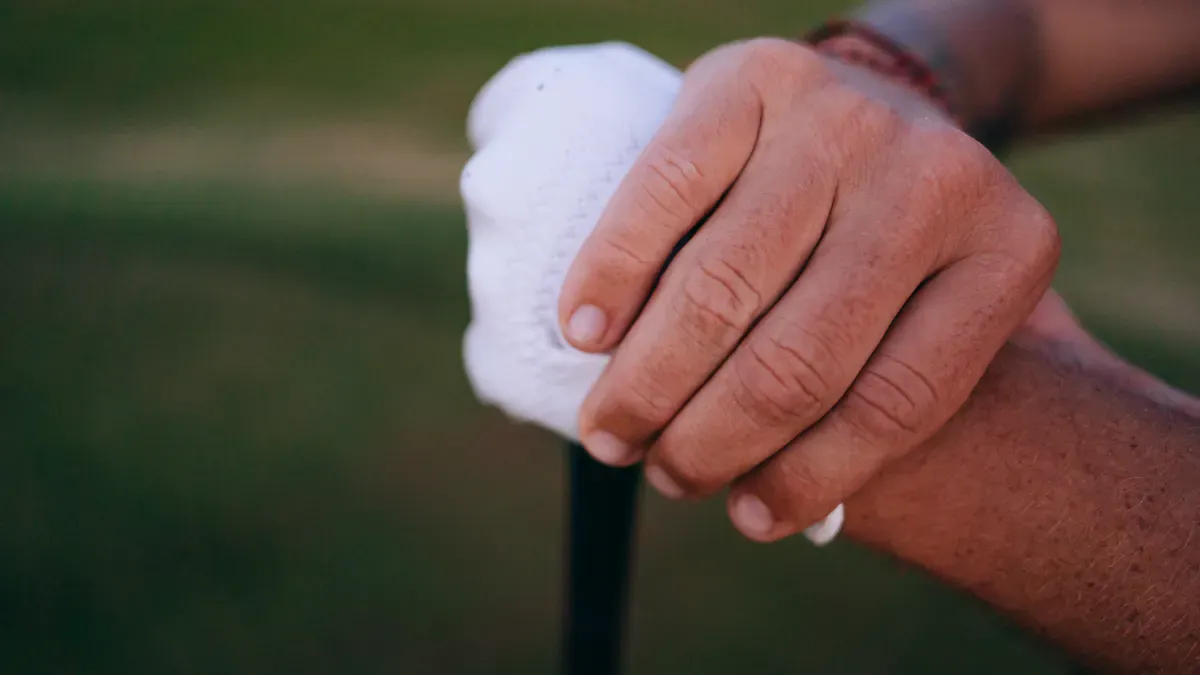
Proper hand placement on the golf club is essential for achieving consistent shots. When you grip the club correctly, you align your hands in a way that promotes a natural swing path. This alignment helps you maintain control throughout your swing. If your hands are too far forward or backward, you may struggle to hit the ball accurately.
Jack Nicklaus once said, “The most common fault of a golfer with a bad grip is his inability to get a complete release and a full extension at the golf ball at the time of impact.” This statement highlights how improper hand placement can lead to mishits, such as duck hooks and slices. To avoid these issues, focus on placing your hands in a neutral position on the club.
Here are some tips for proper hand placement:
Position your left hand (for right-handed golfers) so that the thumb runs down the center of the grip.
Ensure your right hand overlaps or interlocks with your left hand, depending on your grip style.
Keep your fingers wrapped around the grip without excessive tension.
Grip Pressure
Grip pressure plays a significant role in your overall performance. Holding the club too tightly can restrict your swing and lead to tension in your arms and shoulders. This tension can negatively impact your control and consistency. On the other hand, gripping the club too loosely can cause a lack of control over the clubface, resulting in erratic shots.
To find the right grip pressure, think of holding a tube of toothpaste. You want to apply enough pressure to control it without squeezing too hard. Research shows that maintaining proper grip pressure helps you control your swing better and reduces the risk of injuries like golfer’s elbow and wrist pain.
Here are some key points to remember about grip pressure:
Aim for a pressure level that feels comfortable yet secure.
Adjust your grip pressure based on the type of shot you are making. For example, you may grip tighter for a drive and lighter for a delicate chip shot.
Practice maintaining consistent grip pressure during your swings to improve your overall performance.
Golf Grip Techniques Overview
Understanding the different golf grip techniques can significantly enhance your game. The three main styles are the overlapping grip, interlocking grip, and ten-finger grip. Each grip has unique benefits that cater to various skill levels and preferences.
Overlapping Grip
The overlapping grip is popular among many golfers, including professionals. In this grip, the pinky finger of your trailing hand rests between the index and middle fingers of your leading hand. This grip promotes stability and unity between your hands during the swing.
Benefits of the Overlapping Grip:
Provides a strong connection between your hands.
Enhances control over the club, especially during powerful swings.
Commonly taught in lessons, making it accessible for beginners.
According to statistics, about 40.9% of golfers use the overlapping grip, making it a widely accepted choice.
Advantages | Disadvantages |
|---|---|
Popular among strong golfers | Not explicitly mentioned |
Interlocking Grip
The interlocking grip involves interlocking the pinky finger of your trailing hand with the index finger of your leading hand. This grip is favored by many top golfers, including Tiger Woods. It locks your hands together, allowing them to function as a single unit.
Benefits of the Interlocking Grip:
Enhances wrist stability, which improves shot control.
Reduces tension on the club, allowing for a smoother swing.
Particularly beneficial for players with smaller hands.
To use the interlocking grip, follow these steps:
Start with your left hand positioned normally on the club, grip resting in your fingers.
Place your right pinky between your left index and middle fingers.
Interlock these fingers together, then wrap your remaining right-hand fingers around the club.
Statistics show that 58.4% of professional golfers prefer the interlocking grip due to its effectiveness.
Ten-Finger Grip
The ten-finger grip, also known as the baseball grip, allows all ten fingers to touch the club. This grip resembles how you would hold a baseball bat. It is often recommended for beginners.
Benefits of the Ten-Finger Grip:
Provides a natural feel, making it easier for beginners to learn.
All ten fingers contribute to the strength of the swing, enhancing power.
Offers better control over the clubface, which is crucial for accuracy.
Many beginners find this grip comfortable and easy to use. It is especially good for kids who may struggle with traditional grips.
Benefit | Description |
|---|---|
Power | All 10 fingers contribute to the strength of the swing, enhancing power. |
Comfort | The grip feels more natural, especially for beginners. |
Ease of Use | Suitable for those who may struggle with traditional grips. |
By understanding these three grip styles, you can choose the one that best suits your needs. Each grip offers unique advantages that can help improve your control and consistency on the course.
Common Grip Mistakes
Gripping Too Tight
Many golfers grip the club too tightly, which can severely impact their performance. An overly tight grip restricts your swing fluidity and creates tension in your forearms and shoulders. This tension can limit your natural swing motion, leading to poor shot outcomes. Here are some common issues caused by gripping too tightly:
It reduces wrist hinge, limiting both power and control.
You may end up ‘steering’ the club, which decreases accuracy and can result in hooks or pulls.
Excessive grip pressure negatively affects your feel for the club, making it hard to control shot shape and trajectory.
To correct this mistake, aim for a grip pressure that feels secure yet relaxed. Think of holding a tube of toothpaste; you want to apply enough pressure to control it without squeezing too hard.
Improper Finger Placement
Improper finger placement on the club can lead to significant swing faults. Your thumb positioning is crucial for controlling the clubface and ensuring a proper release. If your lead-hand thumb is incorrectly placed, you may struggle to square the clubface at impact. Here are some common issues related to finger placement:
Misalignment in hand placement can lead to slices or hooks.
Incorrect grip affects the clubface angle at impact, resulting in erratic shots.
A proper grip allows the club to move naturally through the swing path, aiding in a smooth and controlled release.
To improve your finger placement, ensure that your left hand’s thumb runs down the center of the grip. For right-handed golfers, the right hand should overlap or interlock with the left hand, depending on your chosen grip style.
Recognizing and correcting these common grip mistakes can significantly enhance your control and consistency on the course.
Drills for Grip Techniques
Improving your grip consistency requires practice. Here are some simple and advanced drills to help you master your grip.
Simple Grip Drills
Lead Arm Hang: Let your lead arm hang softly while gripping the club. This helps you find your natural lead-hand position.
Handle Rotation: Rotate the handle back and forth. This enhances comfort and range of motion.
Trail Hand Placement: Slip on your trail hand, ensuring it grips through the base of your fingers. This promotes better control.
Cast Drill: Perform the cast drill to replicate the trail arm extension in your downswing. This reinforces proper motion.
Finger Check: Check for gaps between your fingers. This maximizes control over the clubface.
These simple drills allow you to practice grip techniques in a low-stress environment. Frequent repetition builds muscle memory and enhances awareness of pressure points, crucial for effective club control.
Advanced Grip Exercises
For those looking to take their grip to the next level, consider these advanced exercises:
Grip Positioning: Ensure your left thumb fits into the lifeline of your right hand. This creates two Vs that point towards your right shoulder.
Grip Type: Use an overlap grip for a strong connection. If you prefer, an interlocking grip works well for women and children.
Pressure Maintenance: Maintain easy to medium pressure for stability. This helps you keep a good connection to the handle.
To maintain optimal grip pressure during practice, remember to keep it light and even. Imagine holding a bird: firm enough to keep it from flying away, but gentle enough not to harm it. This approach ensures a fluid swing and enhances your overall performance.
Incorporating these drills into your routine can lead to improved control over your shots and reduced risk of common swing errors. Consistent practice will enhance your confidence and consistency in play.
Mastering your golf grip improves control and shot consistency. Remember these key points:
Proper hand positioning ensures stability and control.
Balanced grip pressure avoids tension and loss of control.
Consistent practice builds muscle memory, making your grip natural.
To enhance your swing, focus on rotating through impact and keeping your trail arm connected. Using an alignment stick under your trail armpit can help improve body delivery and rotation.
Practice these techniques regularly to see steady improvement in your game. Your grip sets the foundation for every shot you take. ⛳
FAQ
What is the best grip style for beginners?
The ten-finger grip, or baseball grip, is often best for beginners. It feels natural and allows for better control. This grip helps you develop a solid foundation before transitioning to more advanced styles.
How can I tell if my grip pressure is correct?
You should feel secure but relaxed when gripping the club. A good test is to imagine holding a tube of toothpaste. Apply enough pressure to control it without squeezing too hard.
Can grip mistakes affect my swing?
Yes, grip mistakes can lead to poor swing mechanics. An improper grip can cause tension, affecting your swing path and shot accuracy. Correcting grip issues can significantly improve your performance.
How often should I practice my grip?
Practice your grip regularly, ideally during every practice session. Consistency helps build muscle memory, making your grip feel natural and improving your overall control and shot consistency.
Are there any drills to improve my grip?
Yes! Simple drills like the Lead Arm Hang and Handle Rotation can enhance your grip. These exercises help you find a comfortable grip and improve your control over the club.