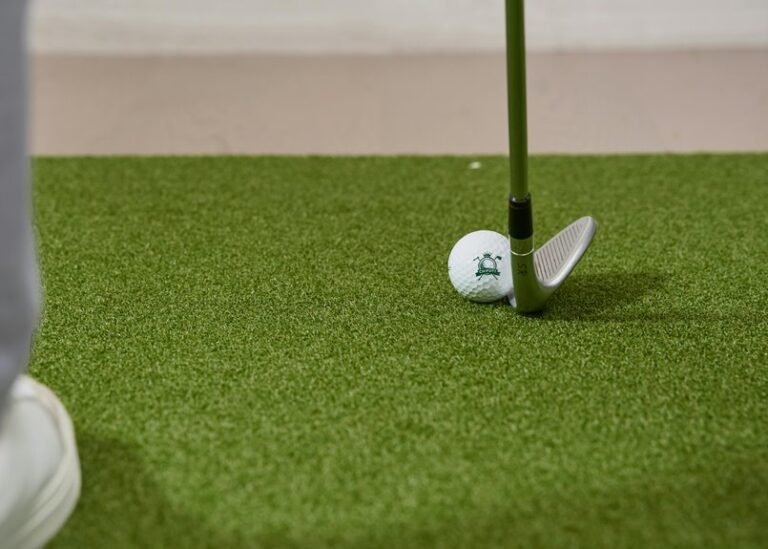
Understanding golf rules explained is essential for every player. When you grasp these rules, you can avoid penalties and play with confidence. Knowing the guidelines transforms your experience on the course. It helps reduce anxiety and allows you to focus on your game. Remember, it is your responsibility for applying the rules. Familiarizing yourself with forgotten golf rules explained, such as boundaries and out of bounds, can significantly enhance your performance.
Key Takeaways
Understanding golf rules helps you avoid penalties and play confidently.
Familiarize yourself with scoring formats like stroke play and match play to enhance your game.
Always play the ball as it lies and respect course boundaries to prevent penalties.
Prepare before your round by checking your stance, grip, and alignment for better performance.
Make smart decisions on the course by aiming away from hazards and understanding your shot patterns.
Basic Golf Rules

Understanding the basic rules of golf is essential for every player, especially beginners. These rules help you navigate the game with confidence and ensure fair play. Here are two key areas to focus on: scoring and the order of play.
Understanding Scoring
Scoring in golf can vary based on the format you choose to play. The two most common formats are stroke play and match play.
Format | Description |
|---|---|
Stroke Play | You add up your total score across all holes. Each hole’s score contributes to your final score. |
Match Play | You compete to win individual holes. The player or team that wins the most holes wins the match. |
In addition to these formats, you might encounter the Stableford scoring system. In this system, you earn points based on your performance relative to par. This encourages you to take risks and can speed up play since you can stop playing a hole after reaching a double bogey.
To keep your game fair and enjoyable, remember these fundamental rules:
Play the ball as it lies. You cannot alter the lie of the ball or the course.
Respect course boundaries. If your ball goes out of bounds, you incur a penalty and must replay the shot from the original position.
Maintain proper etiquette. The player furthest from the hole plays first, and you should avoid disrupting others while they play.
Order of Play
The order of play is another crucial aspect of golf etiquette and can differ between stroke play and match play.
Format | Order of Play | Honor Requirement |
|---|---|---|
Stroke Play | You can play ready golf, hitting from closer to the hole than others. | No need to wait for others. |
Match Play | You must wait for your opponent to play if they are farther from the hole. | Must wait for the opponent to tee off first. |
Understanding these basic rules of golf will enhance your experience on the course. By following proper etiquette and knowing how to score, you can play confidently and enjoyably.
“Good etiquette is an integral part of the game of golf. It not only enhances the playing experience for everyone, but it also helps to preserve the integrity of the game for future generations.” – United States Golf Association (USGA)
Common Penalties in Golf
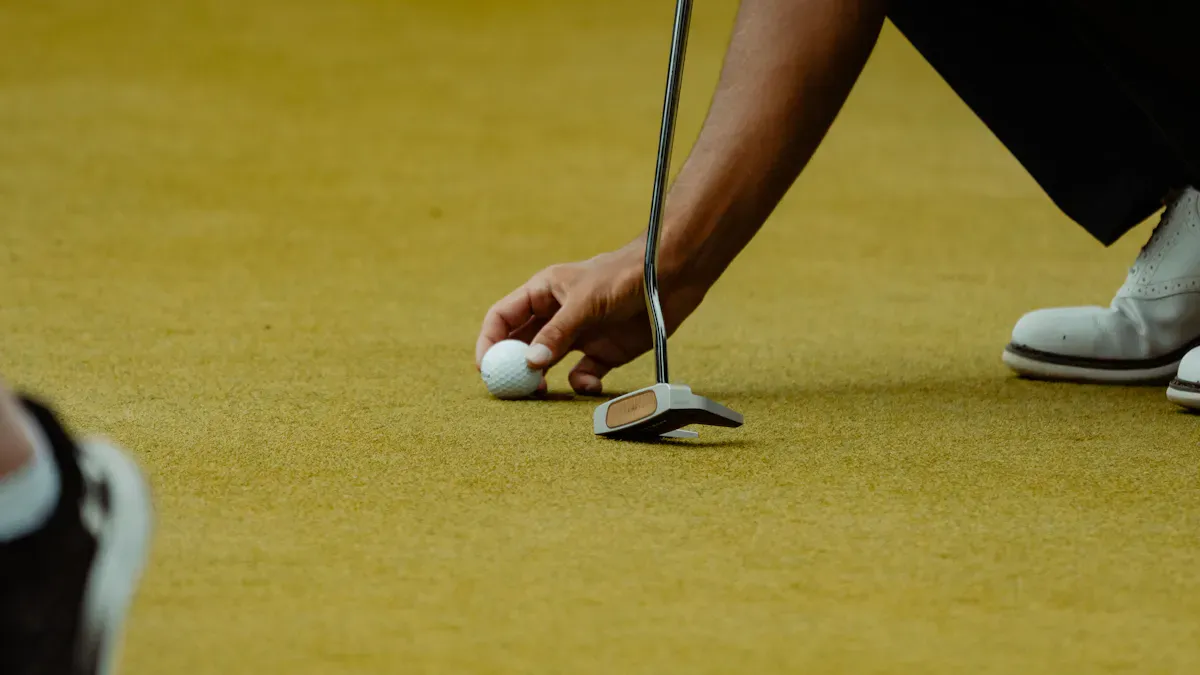
Understanding common golf penalties helps you avoid mistakes that can ruin your game. Penalties can affect your score and overall enjoyment. Here are two main categories of penalties: stroke penalties and disqualification situations.
Stroke Penalties
Stroke penalties occur when you violate specific rules during play. Here are some of the most common golf penalties you might encounter:
Wrong Score (Rule 3): If you record an incorrect score, you may face disqualification or a two-stroke penalty.
Playing with More Than 14 Clubs (Rule 4): Carrying more than 14 clubs results in a two-stroke penalty for each hole played with excess clubs.
Playing from the Wrong Teeing Area (Rule 6): Teeing off from the incorrect area incurs a two-stroke penalty.
Improving the Lie (Rule 8): Altering the lie of your ball generally results in a two-stroke penalty, but it can lead to disqualification in official tournaments.
Ball Moves After Address (Rule 9): If you cause your ball to move, you incur a one-stroke penalty.
Anchoring the Club (Rule 10): Anchoring your club during a stroke results in a two-stroke penalty.
Grounding the Club in a Bunker (Rule 12): Touching the sand before your stroke incurs a two-stroke penalty.
Failure to Mark Ball (Rule 14): Not marking your ball before lifting it results in a one-stroke penalty.
Playing from the Wrong Place (Rule 14): This can lead to penalties ranging from no penalty to disqualification, depending on the situation.
Lost Ball (Rule 18): If you lose your ball, you incur a one-stroke penalty and must return to the previous stroke location.
To avoid these common golf penalties, always remember to play the ball as it lies. Familiarize yourself with the rules, and double-check your scorecard before submitting it.
Disqualification Situations
Disqualification can occur for several reasons, and understanding these can help you stay in the game. Here are some common reasons for disqualification:
Reason for Disqualification | Description |
|---|---|
Sharing Advice | You cannot give or ask for advice from players other than your own caddie. |
Touching Equipment | Touching another player’s equipment to gain information can lead to disqualification. |
Failing to Return Scorecard | You must return your scorecard within a specified time frame. Failing to do so can lead to disqualification, even if your score is correct. |
To avoid disqualification, ensure you understand the rules and adhere to them throughout your round. Always return your scorecard promptly, and make sure it is signed by both you and your marker.
By being aware of these common golf penalties, you can play confidently and enjoy your time on the course without the fear of disqualification or unnecessary strokes added to your score.
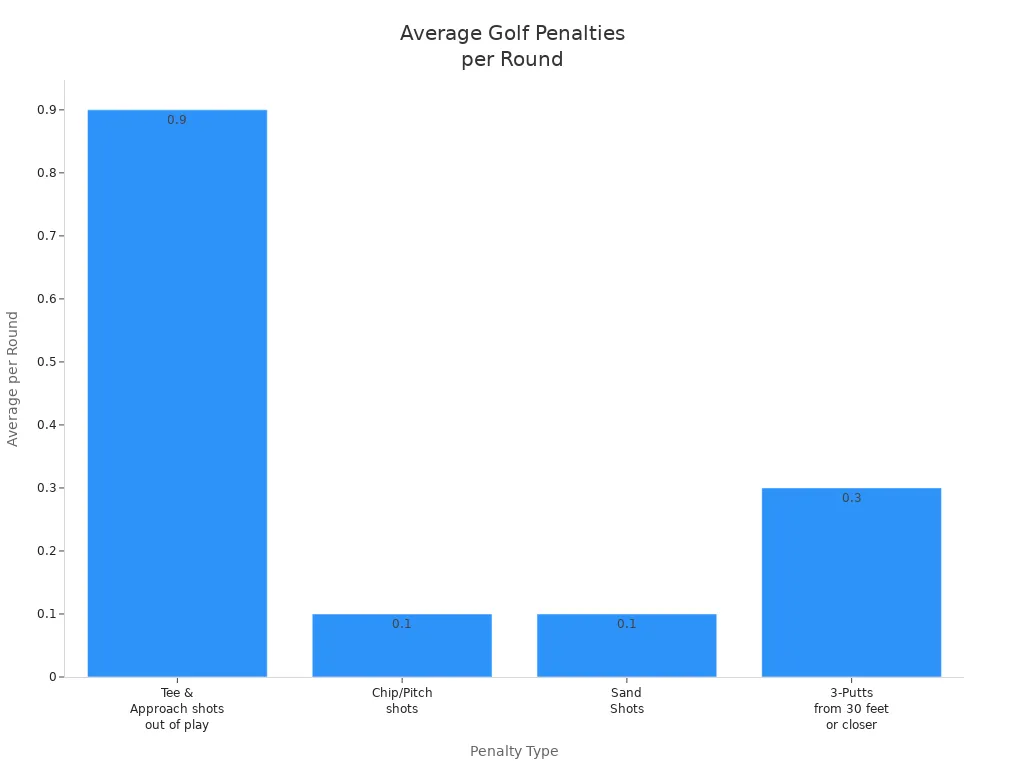
Play Confidently: Tips to Avoid Penalties
Pre-Round Preparation
Before you step onto the course, take time to prepare. Proper preparation can help you avoid penalties and play with confidence. Here are some steps to consider:
Ensure your stance is the correct width for the club you choose.
Check your ball position to make sure it aligns with your swing.
Pay attention to your grip pressure. Too much tension can affect your swing.
Use a quick checklist in your routine: stance, alignment, grip, and posture.
Take a last look at your target while addressing the ball.
These steps can help you feel ready and focused as you begin your round.
On-Course Strategies
While playing, you can implement strategies to minimize penalties. Here are some effective techniques:
When on the tee box, always tee up on the side where there’s trouble. This helps you aim away from hazards, reducing the risk of penalty strokes.
Additionally, consider these strategies:
Understand your ball flight and manage your misses.
Play away from hazards and prioritize safer landing areas.
Make smart club selections based on accurate yardages.
To further enhance your decision-making, evaluate where you are most likely to miss based on your shot pattern. Aim away from trouble areas to minimize risk. Consider the worst-case scenario for each shot and adjust your aim accordingly.
By preparing well and making smart choices on the course, you can play the course as you find it and enjoy your game without the stress of penalties. Remember, knowing the rules enhances your confidence and allows you to focus on your performance.
Knowing the rules of golf significantly enhances your playing experience. When you understand these rules, you avoid penalties and enjoy the game more. Respecting golf etiquette fosters a respectful atmosphere, allowing everyone to focus on their game. Imagine playing without distractions, where everyone adheres to the rules. This mutual respect leads to a more enjoyable round. Keep learning and practicing to improve your skills. The more you know, the more confident you will feel on the course.
Adhering to etiquette encourages players to keep up with the pace of play, ensuring that everyone has an enjoyable and efficient round.
FAQ
What is the penalty for hitting the ball out of bounds in golf?
If your ball goes out of bounds, you incur a one-stroke penalty. You must replay your shot from the original position.
Can I ask my playing partner for advice during a round?
No, you cannot ask for advice from anyone except your caddie. Doing so can lead to disqualification.
What happens if I forget to sign my scorecard?
Failing to sign your scorecard can result in disqualification. Always ensure your scorecard is signed before submitting it.
How many clubs can I carry during a round of golf?
You can carry a maximum of 14 clubs during a round. Exceeding this limit results in a two-stroke penalty for each hole played with excess clubs.
What should I do if my ball lands in a bunker?
When your ball lands in a bunker, you must play it as it lies. Touching the sand before your stroke incurs a two-stroke penalty.