Accuracy plays a crucial role in golf, especially when it comes to mastering the Golf Swing Basics. When you make swing mistakes, they can lead to poor shots and higher scores. Many amateur players struggle with distance control, particularly with wedges. Studies show that improving swing accuracy significantly affects your scores. For example, at 45 meters, a strong relationship exists between your percentage error rate and performance metrics like handicap. By identifying and correcting your swing mistakes, you can enhance your gameplay and enjoy better results on the course.
Key Takeaways
A proper grip is essential for controlling the clubface. Focus on gripping the club with your fingers for better flexibility and accuracy.
Your stance impacts swing accuracy. Maintain a balanced stance with feet shoulder-width apart to enhance stability and power.
Avoid over-swinging by keeping your backswing controlled. Use drills like the Half Swing Drill to develop a more effective swing length.
Correct posture is crucial for a powerful swing. Keep a neutral spine and balanced weight to improve your overall performance.
Practice regularly and focus on specific areas like grip and stance. Consistency leads to better accuracy and reduced risk of injury.
Grip Issues in Golf

Identifying Grip Problems
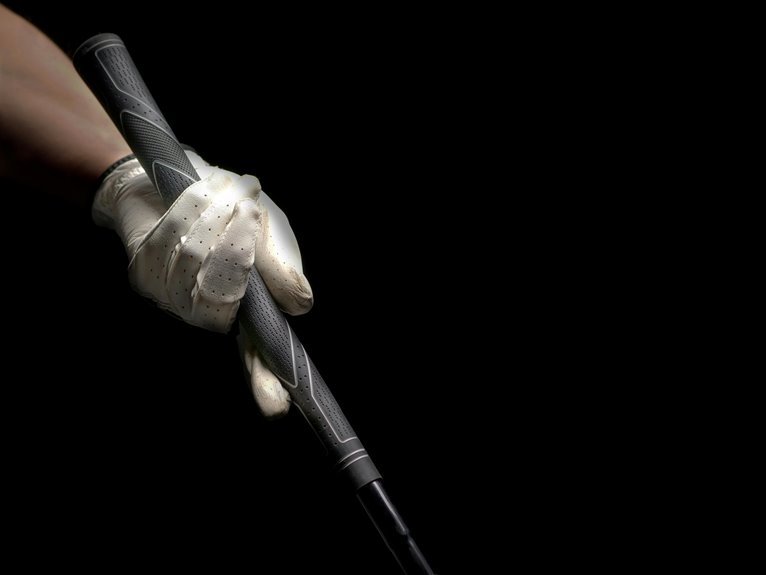
Your grip plays a vital role in your golf swing. A proper grip allows you to control the clubface and make accurate shots. However, many golfers, especially beginners, struggle with grip issues. Here are some common grip problems you might face:
Many beginners slice the ball due to an improper grip. This affects the clubface angle and creates unwanted side spin.
Grip and posture issues frequently arise in lessons for beginners, showing how common they are.
Often, beginners grip the club too much in their palms instead of their fingers. This leads to stiffness and poor ball flight.
These grip problems can lead to common swing mistakes, affecting your overall performance on the course. Approximately 60% of amateur golfers struggle with achieving proper shaft lean due to grip issues. This often results in inconsistent shots and reduced distance. Additionally, about 65% of amateur golfers experience casting, which is often caused by an incorrect grip. This results in weaker shots that lack both distance and accuracy.
Correcting Your Grip Technique
To improve your grip, you can follow these techniques:
For a weak grip: Ensure the grip falls more in your fingers. This allows greater motion of your hands and wrists.
For a strong grip: Align your right hand in a more neutral position. Make sure the grip is more in your fingers.
Here’s a simple drill to help you find the right grip:
Grip your driver in your left hand.
Place a tee between your thumb and index finger.
Pinch another tee between your right thumb and index finger to complete your grip.
Ensure the tees point to the shaft. If they point to your right, your grip is too strong.
Professional golf instructors often assess grip issues using advanced tools. They start with a baseline assessment using TrackMan 4 to capture various swing metrics. They analyze wrist conditions with HackMotion sensors to identify grip-related issues. Instructors also use 3D video analysis to pinpoint breakdowns in swing mechanics. This thorough approach helps them provide you with one prioritized mechanical change to focus on for immediate improvement.
Remember, grip pressure is also crucial. A tight grip can reduce clubhead speed and hurt shot consistency and accuracy. Relaxing your hands, wrists, and forearms can lead to improved performance.
By addressing grip issues, you can significantly enhance your golf swing and overall accuracy on the course.
Stance and Alignment Mistakes

Recognizing Stance Issues
Your stance significantly impacts your swing accuracy. A proper stance provides balance and stability, which are essential for a successful golf swing. Many amateur golfers make common stance mistakes that hinder their performance. Here are some frequent issues you might encounter:
Poor Grip and Improper Alignment: Neglecting grip and alignment can lead to inaccurate shots. A poor grip affects your control, while misalignment causes the clubface to point in the wrong direction.
Inconsistent Backswing: Rushing your backswing or varying your technique can lead to slicing or topping the ball. Consistency in your backswing is crucial for a successful downswing.
Lack of Course Management: Playing too aggressively without considering your abilities or the course layout can result in poor decision-making and higher scores.
Your stance width also plays a vital role in your swing. The table below outlines how different stance widths can affect your swing path and ball flight:
Stance Width Issue | Impact on Swing Path and Ball Flight |
|---|---|
Too Narrow | Causes instability, poor posture, and loss of power. |
Too Wide | Restricts hip rotation, leading to a rigid and inconsistent swing. |
Inconsistency | Using the same stance width for all clubs can prevent optimal contact and performance, resulting in erratic ball flight. |
A well-chosen stance width improves balance and stability during your swing. It facilitates efficient weight transfer from your back foot to your front foot, enhancing swing power and consistency in ball striking.
Drills for Better Alignment
Proper alignment is essential for accuracy in golf. You can establish alignment from directly behind the ball. Use alignment rods or club shafts to create a consistent setup. This practice helps you develop muscle memory for accurate shots. Here are some effective drills to improve your alignment:
Misaligned Shoulders: Ensure your shoulders are parallel to the target line.
Ball Position: Adjust ball placement in your stance to avoid hooks or slices.
Poor Clubface Alignment: Practice setting up with the clubface square to the target line.
Statistically, proper alignment can significantly improve your shot outcomes. Misalignment often leads to shots that stray from the intended target. For right-handed golfers, aligning your toes parallel left of the target line can enhance shot accuracy.
Professional golfers maintain consistent stance and alignment under pressure by focusing on balance. They distribute their weight evenly, starting with a 50-50 split. This balanced stance allows for smooth rotation and stability. Avoid extremes in posture; keep your stance neutral. During the backswing, shift your weight to your trail foot to generate power, then transfer it to your front foot as you swing through.
By recognizing stance issues and practicing alignment drills, you can correct common swing mistakes and improve your overall golf performance.
Common Swing Mistakes: Over-Swinging
Signs of Over-Swinging
Over-swinging occurs when you take your backswing too far, which can hurt your swing mechanics. This mistake often leads to a decrease in power and accuracy. Here are some signs that you might be over-swinging:
Your hands come apart as the club goes back.
Your elbows splay apart, usually alongside your hands separating.
Your trail arm bends more than 90 degrees during the swing.
Recognizing these signs can help you adjust your technique and improve your overall performance on the course.
Techniques to Maintain Control
To avoid over-swinging, you can implement several effective techniques. Here are some strategies recommended by golf coaches:
Focus on maintaining proper posture and balance throughout your swing.
Utilize the ‘Half Swing Drill’ to develop a shorter, more controlled backswing.
Practice with alignment sticks or swing trainers to reinforce proper swing length.
Work on your tempo and rhythm by incorporating the ‘Pump Drill’ to promote a smoother swing.
Additionally, you can use video analysis to identify over-swinging in your technique. Check your position halfway back to see if the club is parallel to the ground and on plane. Also, observe the clubface angle and alignment during your takeaway and at impact. Ensure you transfer your weight correctly from the backswing to the downswing. Finally, assess your finish and follow-through to confirm you end in a balanced position.
By focusing on these techniques, you can reduce the chances of making common swing mistakes related to over-swinging. This will lead to better control and improved accuracy in your golf game.
Importance of Posture and Weight Shift
Correcting Poor Posture
Proper posture is essential for optimizing your golf performance. It directly influences your balance and swing mechanics. A strong foundation allows for a powerful and accurate swing. Conversely, poor posture can lead to inefficiencies and discomfort. Many amateur golfers make common mistakes that hinder their performance:
Bending from the mid-back, leading to C-Posture.
Maintaining a rounded back, which restricts a good swing turn.
Keeping the head down, causing a rounded spine.
Excessive grip pressure, negatively affecting swing mechanics.
Standing too far from the ball, shifting weight onto the toes.
These mistakes can lead to inconsistent ball striking and increased risk of injury. To improve your posture, focus on maintaining a neutral spine and balanced weight. This approach enhances your swing performance and contributes to better accuracy.
Drills for Effective Weight Shift
Effective weight shift plays a crucial role in generating power during your swing. Research shows that proper weight transfer can reduce mishits by 30-40%, enhancing shot consistency. Here are some drills to help you practice effective weight shift:
Hip Hinge: Use a golf club to practice shifting your hips backward. This drill engages your posterior chain.
Standing Trunk Flexion: Maintain a hip hinge while pushing your hips back to strengthen your back.
Pull Aparts: Focus on squeezing your shoulder blades together to combat rounded shoulders.
Pelvic Tilt: Learn proper sequencing and core engagement to improve posture.
During your swing, pivot your hips while coiling your trunk around your spine. Shift your weight over your right foot in the backswing. As you transition to the downswing, move your left knee and hip toward the target. This lateral movement ensures effective weight transfer at impact.
By correcting your posture and practicing these drills, you can significantly enhance your golf swing and overall performance on the course.
Recognizing and fixing common mistakes in your golf swing is crucial for improving your game. By practicing the drills outlined in this blog, you can enhance your accuracy and overall performance. Remember, improvement takes time and consistency.
Here are some long-term benefits of consistently practicing these drills:
Benefit | Explanation |
|---|---|
Improved in-game performance | Trusting your mechanics allows you to focus on targets rather than hazards, making swinging automatic. |
Reduced risk of injuries | A fundamentally sound swing helps prevent injuries common in amateur golfers due to poor posture. |
Development of sound swing | Consistent practice leads to a swing that enhances your overall golfing ability. |
Stay committed to your practice, and you will see the results on the course!
FAQ
What is the importance of grip in golf?
Your grip affects your swing mechanics and shot accuracy. A proper grip allows you to control the clubface better, leading to more consistent shots. Golf coaching often emphasizes grip as a fundamental aspect of improving your game.
How can I improve my stance?
To improve your stance, ensure your feet are shoulder-width apart. Align your body parallel to the target line. Regular practice sessions focusing on stance can enhance your balance and stability during the swing.
What are common mistakes in swing mechanics?
Common mistakes include over-swinging, poor posture, and improper weight shift. These errors can lead to inconsistent shots. Working with a coach can help you identify and correct these issues effectively.
How often should I practice to see improvement?
Consistency is key. Aim for regular practice sessions, ideally several times a week. Focus on specific areas like grip, stance, and swing mechanics to see gradual improvement in your game.
Can I fix my swing mistakes on my own?
Yes, you can address many swing mistakes through self-assessment and practice. However, seeking professional golf coaching can provide personalized feedback and accelerate your improvement.