Golf training works best when it fits your life, not the other way around. Some picks suit a daily routine built around mobility and recovery, while others are better for swing speed, beginner fundamentals, or a simple at-home setup. The right match depends on how much structure you want and how much time you can realistically keep.
That’s the lens used here. You’ll see a mix of books, a resistance-band cord, and a swing-training system, each aimed at a different kind of golfer who wants more usable strength, less stiffness, and a cleaner move through the ball.
Quick Look At Our Shortlist
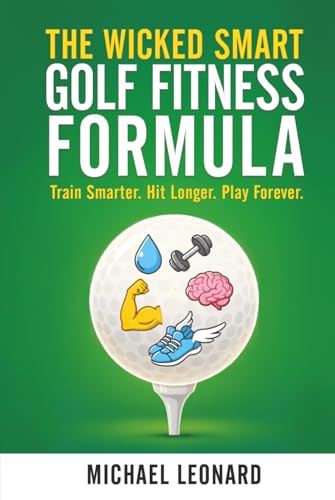
Wicked Smart Golf Fitness Formula

Swing Trainer Golf Fitness System

KIKIGOAL Golf Exerciser Resistance Bands
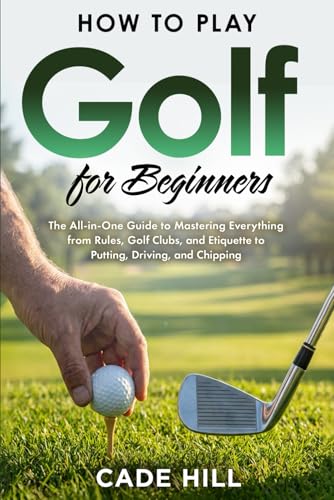
How to Play Golf for Beginners

6 Weeks To Golf Fitness
More Details On Our Top Picks
This book fits the golfer who wants a plan, not random tips scattered across a phone screen. The source points to energy, recovery, stiffness reduction, and speed training, so the real value sits in how those pieces connect across a week of play and practice.
Compared with the more equipment-heavy GolfForever system, this one is lighter to live with because it’s a written framework you can shape around your schedule. In a busy week, that usually matters more than fancy gear, especially for golfers who want a steadier routine without rigid meal rules.
Strong Points
- Brings training, recovery, and nutrition into one plan.
- Useful for golfers who want better daily energy around practice rounds.
- Speed work is framed around added yardage, not empty gym volume.
- Sleep and recovery habits are part of the picture, which helps consistency.
- The flexible structure suits people who dislike strict diet rules.
Points To Note
- As a book, it depends on your follow-through more than on built-in tools.
- You’ll need to bring your own discipline to the speed and recovery work.
Feature Snapshot
Who It Suits Best
Golfers who want a structured off-course routine with training, recovery, and food guidance will get the most from it.
A Better Fit Elsewhere
GolfForever’s Swing Trainer suits you better when you want a physical swing device and a membership-guided setup rather than a book-based plan.
GolfForever stands out because it gives you hardware and guided access together, which makes the setup feel more complete than the book-first approach of Wicked Smart Golf Fitness Formula. For a garage gym, spare room, or office corner, that pairing can make the routine easier to keep visible and repeatable.
The premium training bar is the key piece here, since a bar changes how you load the body through golf-specific drills. The trade-off is obvious, though, because a system like this asks for more space and more commitment than a simple band cord or a paperback.
What We Like
- Combines a physical training bar with a membership.
- Built around strength, flexibility, and swing power work.
- Useful for golfers who want a more guided structure.
- Can fit a repeatable home routine better than loose training ideas.
Minor Gripes
- Takes more room than a band-only setup.
- The value depends on how often you use the included membership.
- More moving parts can mean more storage and setup attention.
Core Details
Who Will Love This
Committed golfers who want a structured home training tool with guided support will get the most from it.
Swap It Out When
KIKIGOAL Golf Exerciser Resistance Bands fit better for smaller spaces, quicker sessions, and a lower-commitment routine.
This is the simplest route in the lineup, and that simplicity is the point. A resistance-band swing cord can live in a closet, travel bag, or home office drawer, which makes it useful for golfers who want short sessions without a full training station.
Compared with GolfForever’s bar-and-membership setup, KIKIGOAL is far easier to store and bring out for quick work. The honest read is that you give up guided programming and structure, but you gain something more adaptable for warm-ups, mobility work, and repetition.
Highlights
- Portable enough for home, travel, or range-day warm-ups.
- Resistance-band format keeps storage simple.
- Useful for swing rhythm, basic mobility, and light strength work.
- Also listed for Pilates and general exercise use, which broadens its reach.
Small Caveats
- Band-based tools usually need periodic inspection for wear.
- Less structured than a program-led system.
- You may want clearer instruction if you’re new to golf-specific training.
Details At A Glance
Built With In Mind
Golfers who want a portable warm-up tool or a modest home routine will find it the easiest fit in this group.
Reach For A Different Pick When
The Swing Trainer Golf Fitness System suits you better when you want a guided, hardware-based routine with more structure.
Some golfers need training, and some need plain language first. This book belongs in the second camp, with rules, etiquette, clubs, putting, driving, and chipping all laid out for people who want to stop guessing at the basics.
Against the fitness-focused titles in this lineup, Cade Hill’s guide is less about speed and more about confidence in real rounds and social golf settings. That makes it a solid starting point for anyone who feels lost around the etiquette side of the game, especially in business or group play.
Best Bits
- Covers the core beginner topics in one place.
- Useful for learning the social side of golf, not just the swing.
- Helps new players build confidence before stepping into a round.
- The broad scope keeps you from stitching together several short guides.
Areas To Watch
- Focused on learning rather than workout structure.
- More helpful for fresh starts than for advanced conditioning goals.
Key Specs
Who Should Grab It
New golfers who want a broad, beginner-friendly foundation will get the most value here.
Look Elsewhere When
The Wicked Smart Golf Fitness Formula fits better for golfers who already know the basics and want a performance routine.
This title is built around a time-boxed program, which helps it stand apart from the broader, habit-driven approach in Wicked Smart Golf Fitness Formula. The Swiss ball note points to core and stability work, so you can expect a more practical fitness angle than a pure swing lesson.
For golfers who want a defined runway instead of an open-ended plan, that six-week structure can make the next step easier to follow. In a small apartment or a spare room setup, a book-based routine also keeps clutter down, though you still have to provide the consistency yourself.
Upsides
- Uses a clear six-week format that gives training a finish line.
- Focused on getting fitter and extending distance, which keeps the purpose direct.
- The Swiss ball reference suggests core-oriented work that fits home routines.
- Book format keeps the setup simple and storage-friendly.
Worth Noting
- You still need your own gear for any ball-based moves.
- Less flexible than a general training guide if you want to extend the plan.
- Like any written program, the payoff depends on your follow-through.
Feature Rundown
Whose Shelf It Belongs On
Golfers who want a short, structured fitness block with a defined endpoint will appreciate this format.
Another Choice May Suit
The KIKIGOAL Golf Exerciser Resistance Bands suit you better when portability and quick warm-ups matter more than a six-week plan.
How To Choose The Right Golf Workouts
Match the format to your habits
Books suit golfers who want guidance they can revisit between rounds, while bands and trainers suit people who prefer a physical cue in hand. The main question is not complexity, it’s follow-through, because the best plan is the one that fits your routine on a Tuesday night after work.
Busy golfers often do better with short, repeatable sessions and a simple setup near the door or beside the clubs. More structured players may prefer a system that combines coaching access, like GolfForever, with a piece of equipment that reminds them to show up.
Choose the kind of progress you want
Speed work, recovery, mobility, and rules knowledge solve different problems, so the right pick depends on what’s slowing your game. The Wicked Smart Golf Fitness Formula is the broadest match for all-around performance habits, while How to Play Golf for Beginners is better for someone who needs the game explained from the ground up.
That distinction matters because not every golfer needs the same next step. Some want more yards, some want fewer stiff mornings, and some want to feel calm in a group round without second-guessing etiquette.
Think about space and setup
A band cord can disappear into a drawer, which is useful in apartments, shared homes, and travel bags. A swing trainer with a bar asks for more space and a little more commitment, so it suits a fixed home corner better than a crowded room.
Storage also affects how often you use the item. Gear that stays visible tends to get used more, while a book works best when you’re comfortable building the habit without a physical prompt.
Pay for structure only when you’ll use it
Higher-structure options usually cost more because they package guidance, equipment, and sometimes membership access together. That extra layer can help golfers who like accountability, but it adds value only when the routine becomes part of your week.
For casual practice, a simple resistance tool or a short program can be enough. For golfers chasing more focused swing work, the added structure often feels easier to stick with than making everything up as you go.
Things Worth Knowing First
Common Shopping Slip Ups
Many golfers overbuy structure before they know what they’ll actually repeat. A large system can look impressive, yet a compact band or a clear book may fit daily life better and get used more often.
Another common miss is choosing workout gear when the real need is instruction. New golfers usually benefit from learning rules and etiquette first, then layering on speed or mobility work once the basics feel settled.
What The Higher Tier Buys
More expensive options usually bundle more than one thing: equipment, programming, and sometimes access to a membership area. That’s useful for golfers who want fewer guesswork moments and more guided repetition.
The upgrade makes sense when you’ll use the system often enough to justify the added setup and storage. For occasional use, simpler tools can be easier to live with and easier to keep consistent.
Frequently Asked Questions
Are golf workouts worth it for casual golfers?
They can be, especially when stiffness, low energy, or inconsistent practice gets in the way. A simple routine often helps you feel more prepared on the course.
Should you choose a book or a training device?
A book suits you when you want a plan and can self-direct. A training device suits you when you want a physical cue and a more hands-on routine.
Do beginners need fitness work first?
Beginners usually benefit most from learning the basics of rules, clubs, and etiquette first. Fitness work fits well after that, or alongside it in a gentle form.
Is a resistance-band setup enough for home use?
For many golfers, yes, because it supports short, repeatable sessions without much storage trouble. It’s especially practical in tight spaces.
What should matter most in a golf workout pick?
Match the format to the habit you’ll keep. The right pick is the one that fits your schedule, space, and current stage of the game.
Closing Thoughts
Your best golf workout choice comes down to fit, not flash. A book-based plan gives you structure, a trainer adds hands-on repetition, and a simple band keeps the routine easy to start and easy to store. Beginners may need the rules first, while more experienced golfers often want speed, mobility, or recovery work that fits around actual play. Pick the format you’ll use on ordinary weeks, not just the one that sounds ambitious.