
Putting accuracy is crucial in golf. A single missed putt can change your entire game. Many golfers experience frustration due to common issues. They often struggle with a poor understanding of the putting stroke, overemphasize technique, or hold binary beliefs about their skills. Misconceptions, like needing a perfectly straight stroke, can hinder progress. To help you enhance your game, this post will share effective techniques and drills that can significantly improve accuracy on every putt.
Key Takeaways
Master your grip and stance to create a solid foundation for your putting stroke.
Maintain a consistent tempo by practicing with a metronome to improve distance control.
Use drills like the Gate Drill and alignment rods to enhance your putting accuracy.
Establish a regular practice routine to reinforce muscle memory and improve performance.
Focus on visualization techniques to mentally prepare for successful putts.
Putting Stroke Basics
Grip and Stance
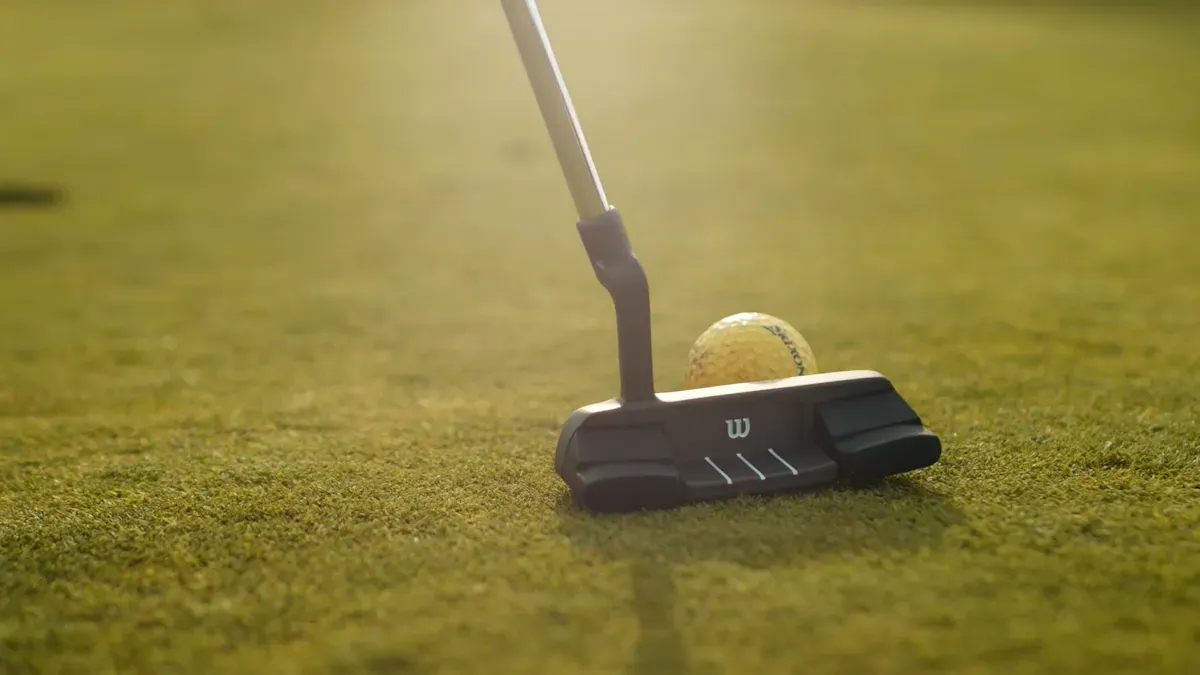
Your grip and stance form the foundation of a successful putting stroke. A proper grip allows you to control the putter effectively. Here are some key points to consider:
Hold the putter chest high, with your thumbs pointing downwards.
Keep your elbows close to your body for stability.
Position your feet slightly wider than your shoulders to maintain balance.
Ensure your hips are over your heels to minimize movement during the stroke.
Brad Faxon emphasizes that matching the putter length to your natural stance enhances performance. A personalized fit can lead to better results on the putting green.
Eye Position and Stroke Path
Your eye position plays a crucial role in putting accuracy. To improve your alignment, ensure your eyes are directly over the ball. This positioning helps you visualize the line to the hole.
Research shows that maintaining a prolonged gaze on your target enhances performance, especially under pressure. Focus on the ball for 2000–3000 milliseconds before your backswing. This technique, known as the “Quiet Eye Concept,” allows you to filter out distractions and improves your accuracy.
The stroke path is equally important. Proper alignment ensures a consistent stroke path, which directly impacts your putting accuracy. While focusing on technique can help, it’s essential not to overthink your stroke. Increased awareness of mechanics can disrupt your natural rhythm, leading to inconsistent results.
By mastering your grip, stance, eye position, and stroke path, you set yourself up for success on the putting green.
Techniques to Improve Accuracy
Consistent Tempo
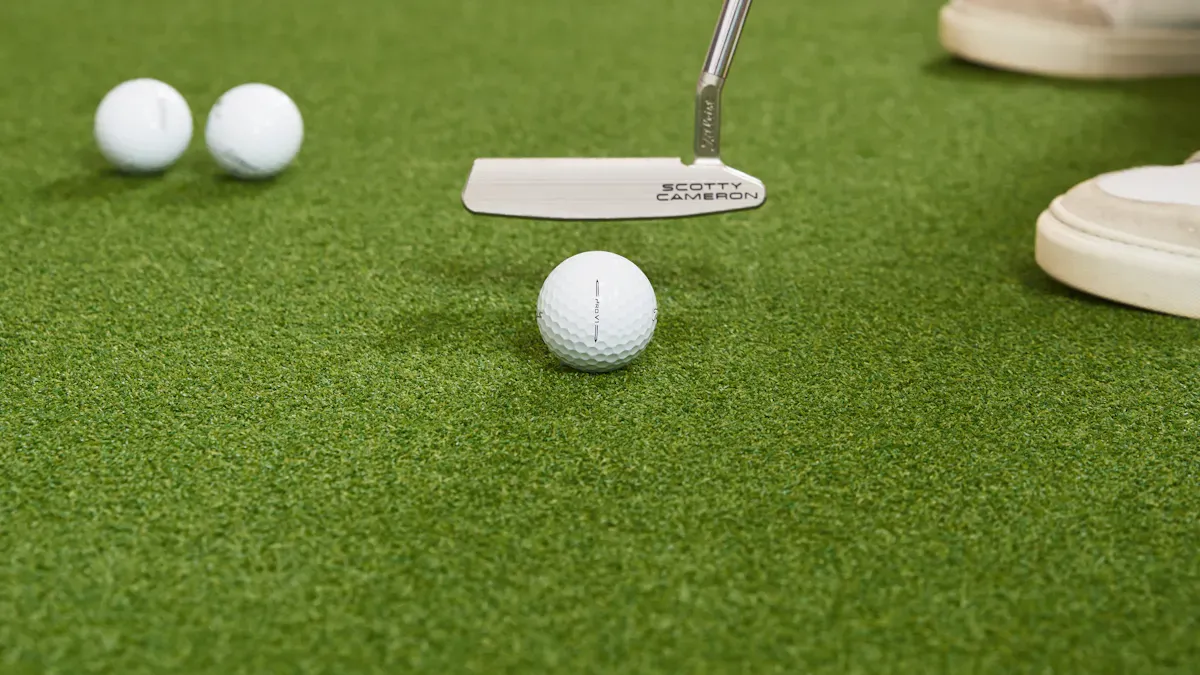
A consistent tempo is vital for accurate putting. It helps you achieve reliable roll and distance control. Here are some tips to maintain a steady tempo:
Practice with a metronome: This tool helps you find a tempo that suits your natural stroke. Aim for a total time to impact of around 0.79 seconds.
Focus on rhythm: Strive for a 2:1 ratio between your backstroke and forward stroke. This rhythm creates a smooth and repeatable putting stroke.
Engage with quality instructors: They can provide personalized guidance to help you improve your stroke.
Research shows that successful putters typically take between 1.2 and 1.8 seconds to complete their putting stroke. A consistent, slower tempo enhances distance control and contact consistency, especially under pressure.
Brad Faxon emphasizes the importance of tempo in putting. He advises you to read the putt, trust your read, and let it go. This calm approach can help you overcome challenges on the green.
Proper Alignment
Proper alignment is crucial for improving your putting accuracy. Here are some effective methods recommended by top golf instructors:
Systematic pre-shot routines: Use specific alignment checks and visual checkpoints to ensure proper setup.
Intermediate targets: Align your putter face to a target closer to the ball. This makes alignment easier and more effective.
Alignment drills: Techniques like the Railroad Track Drill and Gate Drill provide immediate feedback on your alignment accuracy.
Technology aids: Tools like laser systems and video analysis can help identify and correct alignment issues.
Visualization techniques also play a significant role in enhancing your putting performance. Elite golfers often visualize successful putts under pressure. This structured mental rehearsal prepares your brain for high-stakes situations. Studies show that golfers who practice visualization techniques experience significant improvements in putting accuracy.
By focusing on consistent tempo and proper alignment, you can significantly improve your putting accuracy. These techniques will help you develop a more reliable and effective putting stroke.
Drills for Short Putts
The Gate Drill
The Gate Drill is a powerful tool for improving your short putting skills. This drill enhances putting accuracy by requiring you to strike the ball with the putter’s sweet spot. To set up the drill, place two tees in the ground, creating a ‘gate’ just wider than your putter head. Position the ball in the center of the gate.
Practice your stroke: Aim to roll the ball through the gate without hitting the tees. This setup encourages proper alignment and stroke consistency, which are crucial for making straighter putts.
Feedback: The immediate feedback from this drill helps you develop muscle memory. You will learn to control your stroke path and clubface alignment effectively. Many amateur golfers find this drill fundamental for improving their short putt accuracy.
Alignment Rods
Using alignment rods can significantly enhance your practice sessions. These rods serve as effective training tools that help you achieve the correct alignment and aim during putting practice. Here’s how to use them:
Setup: Place one rod on the ground pointing toward your target. Position another rod parallel to your feet, hips, and shoulders. This setup ensures you align your body correctly with your intended line.
Drills: Incorporate alignment rods into various drills. For example, you can practice your stroke while ensuring your putter face remains square to the target. This method builds confidence and consistency in your putting stroke.
In controlled training environments, golfers have reported improvements in muscle memory and consistency when using alignment rods. They help you focus on your setup and aim, which are vital for improving your short putting skills.
By incorporating the Gate Drill and alignment rods into your practice routine, you can significantly improve your accuracy on short putts. These drills provide structure and feedback, allowing you to refine your technique and build confidence on the green.
Common Mistakes in Putting
Overthinking the Putt
Overthinking can severely impact your putting performance. When you focus too much on technical details, you may lose sight of the overall game. This mental paralysis can lead to hesitation and poor execution. Psychological studies show that athletes often struggle when they overanalyze their actions. For example, professional basketball player Ben Simmons experienced a drop in performance due to overthinking during games. He acknowledged that his mental state led to self-inflicted issues, resulting in poor statistics.
To avoid overthinking, simplify your approach. Trust your instincts and focus on the target rather than the mechanics of your stroke. Remember, putting is as much about feel as it is about technique.
Inconsistent Practice
Inconsistent practice can also hinder your putting accuracy. Many golfers fail to establish a regular putting practice session, which leads to erratic performance on the course. Common mistakes include misalignment, improper grip pressure, and varying ball positions. These errors can disrupt your stroke and lead to inconsistent rolls. Statistical analyses indicate that putting performance significantly affects overall golf scores. Mistakes in putting can lead to substantial score variability, with performance indicators accounting for 78-87% of the variance in scores.
To improve, establish a consistent practice routine. Focus on key areas such as weight distribution and foot alignment. Here are some tips to enhance your practice:
Favor your left side slightly (for right-handed golfers) to promote a solid contact.
Align your feet parallel to the target line for a straight-back, straight-through stroke path.
Implement a systematic pre-shot routine that includes alignment checks.
By addressing these common mistakes, you can enhance your putting skills and lower your scores.
Improving your putting accuracy requires focus on several key areas. Start with mastering your grip, stance, and eye position. Use drills like the Gate Drill and alignment rods to enhance your skills. Remember, consistent practice is essential.
To track your progress, consider methods like calendar marking systems or jar systems. These tools help you stay motivated and focused on your goals.
Ultimately, you can learn to putt like a pro through dedication and effort. Regular practice leads to improvement, so commit to refining your technique.
Tip: Analyze your putting statistics to identify strengths and weaknesses. This insight will guide your practice sessions effectively.
FAQ
What is the most important factor for putting accuracy?
The most important factor is a consistent stroke. Focus on your grip, stance, and alignment. These elements create a solid foundation for making accurate putts.
How often should I practice my putting?
Aim to practice putting at least two to three times a week. Consistent practice helps reinforce muscle memory and improves your overall performance on the green.
Can visualization really help my putting?
Yes! Visualization helps you mentally rehearse successful putts. This technique prepares your mind for actual performance, leading to improved accuracy and confidence during play.
What is the best way to improve my putting tempo?
Use a metronome to find a comfortable rhythm. Aim for a 2:1 ratio between your backstroke and forward stroke. This consistency enhances your distance control and accuracy.
How can I avoid overthinking my putts?
Simplify your approach by focusing on the target rather than mechanics. Trust your instincts and practice regularly to build confidence in your putting skills.