


Setting up a golf corner at home is easier when the mat matches your space, swing speed, and practice goals. Some setups need a thick, forgiving surface for repeated drivers, while others work better with a compact board for chips, alignment, or travel. The picks below focus on the practical differences that matter once the box is open and the mat is on the floor.
You’ll also see which options suit a garage bay, a backyard setup, or a simulator room with limited space. That makes the shortlist more useful than a spec dump, especially when two mats look similar at first glance.
Quick Look at the Shortlist

Bltend Golf Mat 36mm 5x4ft/6x4ft

Bltend Golf Mat 36mm 5x4ft/6x4ft
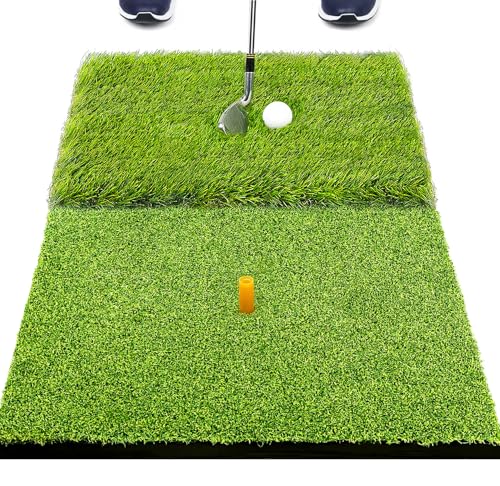
SAPLIZE Foldable Heavy-Duty Golf Hitting Mat

Golf Mat 5x4FT/5x5FT Dense Turf Hitting Mat

Premium Dual-Turf Golf Mat 5x4ft, 6x4ft

Integrated Golf Hitting Mat with Ball Tray
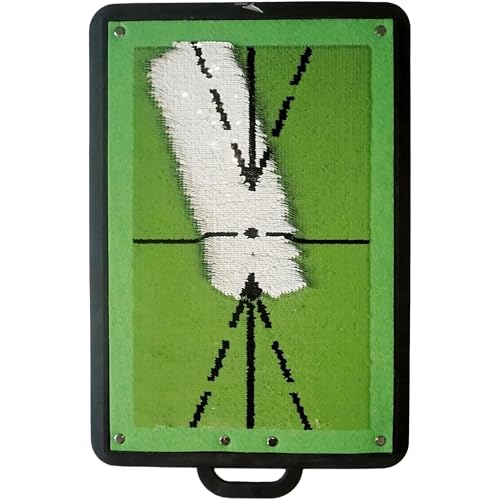
Birdie Golf Birdie Mat Pro

Premium Dual-Turf 5x4ft Golf Mat

Golf Mat 31mm 5x4ft/5x5ft Premium Golf Hitting Mat
More Details On Our Top Picks
The 36 mm thickness gives this Bltend mat a more cushioned feel than thinner hitting pads, so repeated practice sessions are easier on the setup underfoot. EVA backing, or ethylene-vinyl acetate foam, usually helps the mat sit flatter, which matters in a garage bay or backyard lane where movement gets annoying fast.
Because this listing comes in 5×4 ft and 6×4 ft formats, it suits you better than the SAPLIZE board if full swings matter more than easy storage. The included balls and tees help round out a starter area, though the trade-off is that a heavier mat asks for more storage room and a little more effort to move.
Strong Points
- Thicker build supports fuller swings without feeling flimsy under the feet.
- Dense turf gives a more realistic hitting surface for common backyard practice.
- EVA backing helps keep the mat steadier on flat indoor floors.
- The 5×4 ft and 6×4 ft options leave decent room for stance and ball placement.
- Useful for daily simulator sessions where a bigger pad feels less cramped.
Worth Noting
- It takes more storage space than compact foldable mats.
- The heavier build can be less convenient to reposition often.
- Thick turf is still a surface to brush and shake out after use.
Feature Snapshot
Who It Suits Best
Space-conscious home golfers who still want a substantial hitting area will get the most from this one.
Where A Sibling Pick Shines
SAPLIZE Foldable Heavy-Duty Golf Hitting Mat fits you better for a tighter room or a setup that gets stored often.
This Bltend listing mirrors the same broad footprint and thick build as Item 1, so the decision here is mostly about picking the version that fits your cart or setup preference. For a garage simulator that sees frequent full swings, a dense mat like this tends to feel more settled than thinner foam-backed pads.
The honest read is that the appeal comes from consistency rather than flash. You still get the bigger practice area that makes stance work easier, but you also accept the same storage and handling trade-off that comes with a substantial mat.
Bright Spots
- Large format suits repeat practice without crowding your stance.
- Dense turf supports a more stable hitting feel.
- Works well for backyard simulator spaces and indoor lanes.
- The build should feel familiar to anyone moving up from a thinner mat.
Minor Gripes
- It asks for a fair amount of floor space.
- Moving it around often can feel cumbersome.
- Cleaning and storage need a little more planning than compact boards.
Core Details
Who Will Love This
Home simulator owners who want a large, stable practice mat without moving into a specialized training board will feel at ease here.
Swap It Out When
Golfguru Golf Mat 5x4FT/5x5FT Dense Turf Hitting Mat fits you better if a bundled set of balls and tees matters more than a plain mat.
Storage is the clear story here, and that makes this SAPLIZE mat easy to appreciate in a spare room or apartment corner. At 1 ft 11 in by 1 ft 4 in, it gives you a small footprint that travels well and tucks away without fuss.
The 10 mm EVA backing adds a layer that helps the mat feel less bare under the base, though the compact shape means it’s not the pick for sweeping driver work. Compare it with the larger Bltend mats and you get a much easier item to store, with less room for stance changes and full-swing freedom.
What We Like
- Foldable design makes storage much easier in tight spaces.
- Compact footprint suits quick sessions before or after work.
- Useful for chipping, short swings, and lighter practice routines.
- 10 mm EVA backing helps add some base support.
Points To Note
- Small size limits room for a full stance and longer swings.
- You may outgrow it sooner than a 5×4 ft mat.
- Compact mats can shift more easily on slick floors, depending on placement.
At A Glance
Built With In Mind
Beginners, apartment setups, and golfers who want a portable chipping station will get the most out of this mat.
Look Elsewhere When
Bltend Golf Mat 36mm 5x4ft/6x4ft suits you better for fuller swings and more room around the ball.
This golfguru mat makes sense for a starter simulator area because it arrives with 10 balls and 9 tees, which saves you from building every piece separately. The 5×4 ft or 5×5 ft format gives you enough room for practice swings without demanding the footprint of a large commercial pad.
Compared with the SAPLIZE option, this one is better suited to a fixed practice corner where you want a fuller surface and a little more kit in the box. The trade-off is that bundled accessories can be handy, but they also make the package more about broad utility than one standout specialty.
Upsides
- Included balls and tees help complete a basic practice setup.
- Two size options give you some flexibility for the room.
- Dense turf supports everyday driving and chipping work.
- Good fit for a garage corner or indoor simulator spot.
Areas To Watch
- Accessory bundles can be less important for golfers who already own tees and balls.
- The mat does not offer the portable footprint of smaller folding choices.
- Long-term care still means brushing and storing it dry after use.
Details At A Glance
Whose Shelf It Belongs On
Entry-level home golfers who want a ready-to-go practice area with accessories built in are the best match here.
Reach For A Different Pick When
Birdie Golf Birdie Mat Pro suits you better for swing feedback rather than a broad hitting surface.
Dual-turf mats are useful because they let you work with two surface feels in one layout, and this Ywitio option adds several thickness choices on top of that. For a backyard simulator or a mixed drill routine, that kind of flexibility helps you tailor the mat to the way you practice, not the other way around.
The trade-off is that more choice usually means more attention during setup, since you’re deciding what thickness works best for your space and swing pattern. Compared with the simpler golfguru mat, this one leans harder into customization, which makes it a stronger fit for golfers who already know what they want from a mat.
Reasons To Buy
- Dual-turf layout supports different practice textures.
- Multiple thickness options help match comfort to the space.
- Works across indoor rooms, decks, and backyard setups.
- Useful for golfers who split time between swing work and chipping.
Softer Spots
- More configuration choices can slow down the decision.
- It asks you to think about fit before you order.
- Storage still favors a dedicated practice area rather than a tiny room.
Feature Rundown
Right Fit For
Golfers who want to tune feel and surface style for a backyard or indoor simulator bay will get the most value here.
A Better Fit Elsewhere
Bearwill Golf Mat 31mm 5x4ft/5x5ft suits you better for a simpler, easier-to-compare setup.
The built-in ball tray changes the rhythm of practice in a small but useful way, because your balls stay closer to hand and the area feels less cluttered. In a garage simulator or a covered outdoor corner, that sort of organization matters more than it sounds like it should.
This listing comes in 5 ft x 4 ft and two thicknesses, 1.02 in and 1.22 in, so you can lean toward a lighter or fuller feel depending on your floor and swing style. Compared with the Ywitio mat, this one is simpler in concept, which may suit you better if you want a tidy station instead of a more adjustable setup.
Best Bits
- Ball tray keeps practice materials close and organized.
- Three tees support more than one setup style.
- Two thickness options help you match the mat to the room.
- Good fit for repeat drills where tidy placement matters.
Honest Caveats
- The tray adds convenience, but it also adds one more part to store or clean.
- Single-size footprint may not suit very large practice zones.
- More built-in pieces can mean a little more setup attention.
Feature Card
The Right Fit
Golfers who value a tidy practice zone and want the ball supply close at hand will appreciate this layout.
Where A Sibling Pick Shines
Golf Mat 5x4FT/5x5FT Dense Turf Hitting Mat fits you better if accessory quantity matters more than tray-based organization.
This Birdie Bath mat stands apart from the larger hitting pads because it’s built around swing feedback rather than a roomy stance area. The sequin tech surface is meant to show ball impact and swing path, so the value here is in visual information, not broad practice space.
At 19.25 inches, it’s portable enough for indoor or outdoor use, which makes it handy for quick drills beside a simulator bay or in a backyard strip. The catch is simple, you trade size and cushion for feedback, so it’s a better companion tool than a main hitting surface.
Highlights
- Sequin surface gives visible feedback on impact.
- Portable size makes it easy to move between practice spots.
- Useful for swing-path drills and short feedback sessions.
- Works as a focused training aid beside a standard mat.
Small Caveats
- It is not meant to replace a full hitting mat.
- Smaller size limits the space for stance work.
- Feedback-focused surfaces usually ask for more attention to alignment.
Quick Facts
Made For
Golfers who want a compact drill aid for feedback work rather than a full-size hitting surface will get the most from it.
Another Choice May Suit
Bltend Golf Mat 36mm 5x4ft/6x4ft suits you better for everyday driver and iron practice.
Alignment help changes how a practice mat feels to use, and this KBBAM model leans into that with both alignment and angle-of-approach support. That matters for golfers working on consistency in a simulator room, where small setup cues can keep sessions more disciplined.
The listed sizes, 60 x 48 x 1.8 in and 60 x 48 x 2 in, suggest a substantial pad that suits a defined hitting lane. Compared with the Birdie Bath training aid, this is the more complete practice surface, while the trade-off is that it takes on a more permanent role in your setup.
Positives
- Alignment guidance supports cleaner setup habits.
- Angle-of-approach aid helps structure practice more deliberately.
- Dual-turf style gives the mat a more versatile feel.
- Large footprint suits a dedicated simulator lane.
- Works well for golfers focusing on repeatable contact.
Areas To Watch
- It asks for a committed practice space.
- Large pads are less convenient to move and store.
- Alignment aids help most when you use them consistently.
Core Details
Best Suited To
Technique-minded golfers who want visible setup guidance in a dedicated simulator corner will appreciate this mat most.
Consider Something Else When
Integrated Golf Hitting Mat with Ball Tray suits you better if organization and accessory placement matter more than alignment cues.
Bearwill keeps the pitch straightforward, which helps here because this mat is about dependable practice rather than bells and whistles. The 31 mm thickness and EVA material suggest a sturdier feel than a thin folding pad, while the 5×4 ft and 5×5 ft formats give you a workable range for home simulator use.
It’s a sensible fit for golfers who want a straightforward mat that covers the basics well without pushing into the more specialized territory of the KBBAM or Birdie Bath picks. The note about price, delivery, and service also points to a listing that may appeal to practical shoppers who value the purchase experience as much as the mat itself.
Reasons To Buy
- 31 mm build gives the mat a more substantial practice feel.
- EVA material helps round out the base support.
- Two size options make space matching easier.
- Good fit for a simple backyard simulator station.
Room For Improvement
- It does not add the specialty aids found on the more technical mats.
- Plain construction suits basics, not advanced alignment work.
- Storage still matters once you move to the larger size.
Spec Overview
Who Should Grab It
Practical golfers who want a dependable all-round mat for standard simulator sessions will feel comfortable with this choice.
Another Choice May Suit
Premium Dual-Turf 5x4ft Golf Mat suits you better if alignment aids and thicker size options matter more.
How To Choose The Right Mats For Golf Simulator
Size And Space First
Start with the room, not the marketing. A 5×4 ft mat suits many home simulator corners, while a 5×5 ft or larger surface gives you more room for stance work and can feel less cramped during driver sessions.
Foldable boards and compact training aids make sense in apartments, spare rooms, or shared spaces. Larger dense mats suit dedicated bays, garages, and backyard lanes where you can leave the setup in place.
Thickness And Turf Feel
Thickness shapes the way a mat feels under the club and under your feet. A thicker base, such as 31 mm or 36 mm, usually feels more substantial, while a thinner training pad works better for quick drills and storage.
Dual-turf options matter when you want different surface textures for different swings. That flexibility helps golfers who rotate between driving, chipping, and setup work, though it also adds one more decision point.
Support Features Worth Paying Attention To
Details like EVA backing, ball trays, alignment marks, and tee slots make the mat easier to live with. EVA is a foam material that helps stabilize the base, and that matters on smooth indoor floors where movement gets annoying fast.
Alignment cues help repeatable setup, while ball trays and included tees reduce clutter around the hitting area. Those extras matter most for golfers building a dedicated routine rather than a quick weekend station.
Match The Mat To Your Practice Style
Pick a compact trainer for short sessions, a thick hitting mat for regular swings, or a feature-rich model for more structured drills. The right choice comes down to how often you practice and how much space you can leave open.
For most home setups, the better mat is the one you can actually use often without moving furniture or fighting storage. Consistency beats complexity in this category.
Things Worth Knowing First
Common Shopping Slip Ups
Many golfers focus only on size and miss the base material. A mat with no meaningful backing can slide, bunch up, or feel harsher on a hard floor.
Another common miss is buying a tiny training aid for a space that needs a full hitting surface. That works for swing feedback, but it won’t replace a proper practice lane.
When Paying More Pays Off
Higher-tier mats usually cost more because they combine thicker turf, larger footprints, and extras like alignment aids or ball trays. Those features take more material and design work, which is why the price climbs.
The upgrade makes sense for golfers who practice several times a week or want one mat to cover several drills. A simpler model still works fine for light use, especially in a smaller room.
Frequently Asked Questions
What thickness works well for a home simulator?
Many home setups feel comfortable around the 31 mm to 36 mm range. That thickness often balances support with a solid hitting feel.
Do dual-turf mats help with practice variety?
Yes, dual-turf mats let you work with different surface feels in one place. That can be useful for golfers who split time between full swings and shorter shots.
Is a ball tray actually useful?
A ball tray keeps the area tidier and keeps practice moving smoothly. It matters most in a dedicated bay where you repeat drills often.
Can a compact mat replace a full-size hitting mat?
Not really, because compact mats are better for portability and short drills. A full-size hitting mat gives you more room for stance work and fuller swings.
What should you clean after using a golf mat?
Brush off grass fibers, dust, and loose debris so the surface stays neat. Dry storage helps too, especially for mats used outdoors.
Closing Thoughts
You get the best result from a golf simulator mat when the size, base, and extras match the way you actually practice. Big dense mats suit dedicated spaces, compact trainers fit small rooms, and feature-rich options help when you care about alignment or ball organization. The right call is usually the one that feels easy to use week after week, not the one with the longest spec list. Pick for your space first, then narrow by thickness and support features.


