

Golf practice at home works best when the gear matches your space, pace, and patience. Some tools help you warm up before a round, others sharpen tempo, and a few turn a garage or spare room into a steady practice zone. The right setup trims wasted motion and makes short sessions feel useful instead of random.
This roundup focuses on training aids, hitting mats, nets, putting gear, and storage pieces that fit real homes. You’ll see clear trade-offs, because compact trainers and full practice stations solve different problems. The goal is simple, choose the item that fits your routine without cluttering your space.
Quick Look at the Shortlist

Orange Whip Golf Swing Trainer 43.5″

Amazon Basics Golf Swing Trainer Aid

HH-GOLF Golf Swing Speed Trainer

ZNCMRR Pop Up Golf Chipping Net

Sonyabecca Sports Equipment Organizer

FODESAN High-Precision Golf Hitting Mat
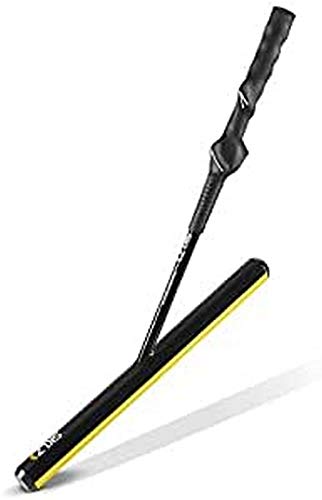
SKLZ Golf Swing Trainer and Warm Up Tool

Dollox Putting Green Golf Putting Mat
More Details On Our Top Picks
The Orange Whip leans into motion quality rather than raw repetition, which matters for home work where space is tight and focus matters. Its 43.5-inch size gives you a full practice arc without needing a large setup, and that suits garages, patios, or a spare room with enough clearance.
Because it pushes rhythm, balance, tempo, and flexibility together, it fits golfers who want a single warm-up tool before a round or a short daily session. The honest trade-off is that it asks for room and attention, so it suits committed practice more than casual fidgeting.
Strong Points
- Longer swing path supports tempo work.
- 43.5-inch length gives a realistic feel.
- Useful for warm-ups before tee time.
- Made in the USA, which some shoppers value for build confidence.
- Fits balance drills in a compact home setup.
Things To Consider
- Needs enough open space to swing safely.
- Less useful for pure putting practice.
- More of a motion trainer than a feedback device.
Core Details
Who It Suits Best
Golfers who want tempo and balance practice at home benefit most, especially those with enough space for a full, smooth motion.
A Better Fit Elsewhere
HH-GOLF Golf Swing Speed Trainer suits you better when variable weight drills matter more than a single, rhythm-led training feel.
This practice stick keeps things straightforward, and that’s part of the appeal for golfers who want a low-friction warm-up. Compared with the Orange Whip, it reads as a simpler, more basic route to grip, balance, distance, and power drills.
In a busy schedule, a no-fuss trainer can be easier to use often, which matters more than fancy extras for many home routines. The trade-off is obvious: you get a leaner tool set, so advanced work or heavier feedback cues stay limited.
What We Like
- Warm-up friendly format keeps setup simple.
- Supports grip and balance practice.
- Useful for short home sessions before work.
- Compact shape is easy to store.
Room For Improvement
- Less specialized than weighted trainers.
- Does not offer adjustable resistance.
- Best for straightforward practice, not deep drill variety.
Feature Snapshot
Made For
Beginners and casual golfers who want a simple warm-up tool with little setup will get the most from this one.
Swap It Out When
Orange Whip Golf Swing Trainer 43.5″ fits better for golfers who want a more rhythm-driven feel with a longer training arc.
The three-weight concept makes this trainer more adaptable than the simpler sticks in items 1 and 2. That matters at home, because you can shift the load without changing your whole routine, which helps when you want lighter warm-ups some days and heavier resistance on others.
For golfers who like measurable progression, that adjustable setup gives the tool more range than a single-shape trainer. The catch is that added complexity can feel unnecessary for casual users, so it fits committed practice better than occasional use.
Upsides
- Three-club concept adds training variety.
- Adjustable total weight supports progression.
- Works for warm-ups and strength-minded drills.
- Gives you more than one training feel in a single item.
Minor Gripes
- More moving parts than a basic stick.
- May feel busy for first-time users.
- Weight adjustment adds a bit of setup time.
At A Glance
Best Suited To
You’ll like this most if you want one trainer that can move from warm-up work into heavier speed sessions at home.
Where A Sibling Pick Shines
Amazon Basics Golf Swing Trainer Aid suits you better when you want a simpler stick with less setup and fewer moving parts.
This bundle is for golfers who want a fuller practice station rather than a single training stick. The 37-piece layout, plus the 32 by 26 by 20 inch open size, makes it more like a small range corner than a lone accessory.
Compared with the first three picks, it gives you short-game reps, ball supply, mats, anchors, tees, and a carry bag in one package. The honest read is that it asks for more storage room, but the payoff is a more complete backyard routine.
Best Bits
- Broad set of practice pieces in one package.
- Collapsible design helps with storage.
- Anchors support use in breezier conditions.
- Good fit for chip-and-swing home drills.
- Included mats and balls reduce add-on shopping.
Softer Spots
- Takes more room than a swing stick.
- Setup is less instant than a compact trainer.
- Best outdoors or in a larger indoor area.
Details At A Glance
Built With In Mind
Home golfers who want chips, short swings, and a more complete backyard setup will get the most from this net kit.
Another Choice May Suit
FODESAN High-Precision Golf Hitting Mat suits you better when your main goal is swing feedback rather than a ball-catching setup.
Practice gear tends to pile up fast, and this rack addresses the part many home setups ignore: storage. Its two stated footprints, 11.81 by 43.3 by 31.89 inches and 11.81 by 44.9 by 60.6 inches, point to a larger organizer made for garages, basements, or club spaces.
That extra structure matters when you want bags, balls, and accessories in one place instead of spread across the floor. Compared with the active training tools above, this is the quiet utility piece that keeps the whole routine from turning messy.
Reasons To Buy
- Keeps golf gear gathered in one zone.
- Built for two golf bags.
- Works in garage, basement, or club storage.
- Useful after you add nets, mats, and sticks.
Points To Note
- Needs more floor space than handheld trainers.
- Not a practice aid by itself.
- Best for organizing, not skill drills.
Core Details
Whose Shelf It Belongs On
Golfers building a garage practice corner and wanting all their gear in one place will benefit most.
Look Elsewhere When
ZNCMRR Pop Up Golf Chipping Net fits better for home practice that focuses on shots rather than storage.
This mat is built for golfers who want the ground under the club to tell a clearer story. The swing-path feedback and impact-detection focus give it a more technical feel than the Orange Whip or Amazon Basics trainer, because the attention shifts from motion only to contact and direction.
That makes it a strong fit for garage bays, patios, or indoor training spaces where you want repeatable ball-strike work. One thing worth considering is that mats like this live or die on surface placement, so a stable floor matters more than flashy extras.
Highlights
- Feedback cues support more deliberate practice.
- Indoor and outdoor use broadens placement options.
- Good match for strike consistency work.
- Useful for beginners and skilled golfers alike.
Areas To Watch
- Mat-based training still needs enough floor room.
- Feedback tools can feel more technical than casual users need.
- Best on a stable surface for consistent feel.
Feature Card
The Right Fit
You should look at this mat first if swing feedback matters more to your home routine than portable convenience.
Reach For A Different Pick When
ZNCMRR Pop Up Golf Chipping Net is the easier choice for golfers who want a full target station instead of a strike-feedback mat.
SKLZ keeps the classic warm-up lane alive, and that familiar format matters because it’s easy to fold into a pre-round routine. The product naming points to several training roles, including power position work, plane and grip support, and tempo training, so it sits between the basic Amazon Basics stick and the more adjustable HH-GOLF option.
That middle-ground character makes it a smart fit for golfers who want one tool that covers a lot without becoming complicated. The trade-off is that you’re paying for breadth, not deep adjustability, so it won’t replace every specialized trainer.
Best Bits
- Multiple training roles in one familiar form.
- Good for pre-round warm-up routines.
- Works on swing speed, distance, balance, and grip strength.
- Easy to slot into regular home practice.
Worth Noting
- Less adjustable than the HH-GOLF trainer.
- Not a replacement for a full net or mat setup.
- More general than a feedback-based hitting surface.
Spec Overview
Who Should Grab It
Golfers who want a dependable all-around warm-up tool for home or pre-round use will get the best fit here.
Skip It When
FODESAN High-Precision Golf Hitting Mat suits you better if you want contact feedback rather than a swing-only trainer.
Some home golf routines need a full swing lane, but others live or die by putting reps, and this mat is built for the latter. The auto ball return keeps the pace moving, which matters in a hallway, office, or spare corner where you want repeated strokes without chasing every ball.
Compared with the larger net and mat setups, this is the smallest commitment in the group and that makes it easy to keep in sight. The trade-off is scope, since it’s a putting tool first, but that focus is exactly why it works so well in tight spaces.
Bright Spots
- Auto return supports steady putting practice.
- Compact layout fits small home spaces.
- Good for office or hallway repetition.
- Simple setup keeps practice friction low.
Small Caveats
- Limited to putting work.
- Not meant for full swing training.
- Best in places with enough straight-line room.
Feature Rundown
Built For In Mind
You’ll get the most from this mat if your goal is quiet putting reps in a small, manageable space.
Where A Sibling Pick Shines
ZNCMRR Pop Up Golf Chipping Net is the better match for golfers who want short-game target practice instead of only putting.
How To Choose The Right Golf Workouts At Home
Match the tool to the drill
Tempo trainers, weighted sticks, mats, nets, and putting greens solve different jobs. A swing stick helps you work motion and timing, while a hitting mat or net gives you ball contact and target practice.
Choose the tool that matches the part of your game you actually want to change. That keeps you from buying a setup that looks complete but never gets used.
Think in terms of space, not just features
A 43.5-inch trainer needs a clear arc, and a chipping net wants enough open area for safe ball flight. A putting mat works in a hallway or office corner, which is why compact gear often gets used more often.
Storage matters too, especially in shared garages or small homes. Collapsible gear and wall-friendly organizers make the whole routine easier to live with.
Look at feedback style
Some products guide you by feel, while others provide visual or surface feedback. Swing trainers are useful for rhythm and balance, but hitting mats with path cues or impact detection give you more detail about contact.
That difference matters for skill level. Beginners often like simple, repeatable tools, while more committed golfers usually want clearer feedback and a little more complexity.
Build a small system, not a pile
A practical home setup usually starts with one training tool, then adds a mat, net, or putting station only where needed. Pairing gear makes more sense than stacking random accessories.
The right system feels easy to set up, easy to put away, and easy to repeat. That’s where home practice stops feeling like a chore and starts fitting into everyday life.
Things Worth Knowing First
Mistakes Worth Dodging
Many golfers start with the flashiest item instead of the most usable one. A large net or advanced trainer is a poor fit when your space is tight or your practice time is short.
Another common miss is forgetting storage. A mat or rack that stays accessible gets used more often than gear that has to be dragged out of a crowded corner.
What The Higher Tier Buys
Higher-priced gear in this category usually brings more materials, more adjustability, or clearer feedback. That shows up in weighted trainers, mat sensors, collapsible systems, and sturdier storage structures.
You pay for versatility and convenience, not magic. The upgrade makes sense when you plan to use the gear often enough that small gains in fit and repeatability matter.
Frequently Asked Questions
Can you build a useful golf routine at home with only one item?
Yes, a single trainer can cover warm-up and tempo work. A putting mat or hitting mat is better once you want more specific practice.
What home golf gear works best in a garage?
A swing trainer, hitting mat, or storage rack all fit garage use well. A collapsible net also works when you have enough ceiling height and open floor space.
Do putting mats help in small rooms?
They do, especially with automatic ball return. The straight-line space matters more than the room size itself.
Is a weighted trainer useful for everyday practice?
Yes, especially for tempo and strength-minded sessions. It suits golfers who want more than a simple warm-up stick.
Should home practice gear focus on swing speed or contact feedback?
That depends on your biggest miss. Speed trainers help with motion, while hitting mats with path cues help with strike quality.
Closing Remarks
The best home setup is the one you can use often without rearranging half the house. For some golfers, that means a simple warm-up stick; for others, it means a mat, net, or putting lane that turns spare minutes into useful reps. Storage matters just as much as the training tool itself, because gear that stays accessible gets used. Pick the piece that fits your space and your practice habit, and your routine starts to feel much more natural.
