Golf GPS gear pays off fast when you want cleaner yardage calls, less guesswork at the tee, and fewer distractions mid-round. The right unit also fits how you play, whether you prefer a clip-on screen, a handheld with buttons, or a speaker that speaks distances aloud. Below, you’ll find eight models that cover those use cases without drifting into gimmicks.
Quick Look At The Shortlist
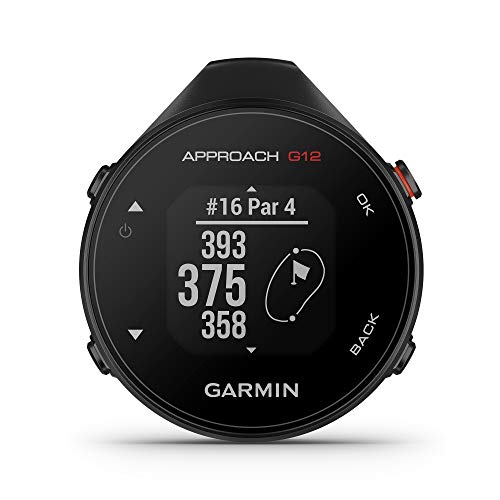
Garmin Approach G12 Clip-on Golf GPS Rangefinder

Voice Caddie VC300SE Golf GPS Rangefinder

Bushnell Golf Phantom 3 Slope GPS Green

Bushnell Golf Phantom 3 Slope GPS Red/Blue

Swami KISS 2.0 Handheld Golf GPS Ragnefinder Blue

Swami KISS 2.0 Handheld Golf GPS Ragnefinder Grey
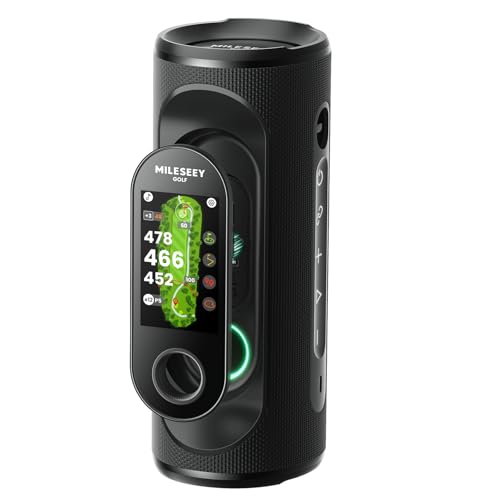
MiLESEEY GeneSonic Pro Golf GPS Speaker

Blue Tees Golf Player Pro GPS Speaker 2026 Release
More Details On Our Top Picks
The clip-on format keeps the Garmin Approach G12 small enough for a pocket or belt, which matters on a cart-heavy round or a course with long walks between shots. Its course library is broad, so you’re not stuck with a narrow map set when you play away from home.
The trade-off is obvious, a compact screen usually asks you to focus on yardage first and extras second. That makes it a clean fit for golfers who want a straightforward number source, not a feature wall.
Strong Points
- Clip-on layout stays out of the way during a round.
- Large course coverage helps on travel rounds and unfamiliar layouts.
- Small body stores easily in a pocket or bag divider.
- Simple form suits golfers who want fast yardage checks.
Things To Consider
- Smaller hardware usually means less room for on-screen detail.
- Clip-on gear can be easy to misplace during busy mornings.
- The plain layout may feel modest beside speaker-style models.
Feature Snapshot
Who It Suits Best
Golfers who want a pocketable rangefinder and spend plenty of time moving between holes will get the most out of it.
Where A Sibling Pick Shines
Blue Tees Golf Player Pro GPS Speaker fits golfers who want spoken yardages and a larger feature set.
The Voice Caddie VC300SE leans into spoken yardage, which helps when your hands are busy with a bag, glove, or cart controls. Front, middle, and back green readings give you a clearer picture than a single distance number, especially on approach shots.
Its shape suits golfers who want quick confirmation without staring at a display for too long. The honest read is that voice output feels most useful for walking rounds and for anyone who likes keeping movement simple.
What We Like
- Voice output reduces the need to stop and read a screen.
- Front, middle, and back green data helps with club choice.
- Course coverage is broad enough for travel and home rounds.
- Button-based use keeps the learning curve light.
- Good fit for golfers who prefer an aural cue over constant screen checks.
Worth Noting
- Voice prompts are not for everyone, especially in quieter groups.
- Handheld devices still need a secure pocket or case between shots.
- The feature set is more focused than speaker-style options.
Core Details
Built With In Mind
Walkers and casual regulars who want spoken yardages will find the VC300SE especially natural to use.
Skip It When
MiLESEEY GeneSonic Pro suits golfers who want a speaker, a detachable handheld unit, and more layered on-course feedback.
The Phantom 3 Slope brings a touchscreen and slope-adjusted distances together in a shape that suits cart users who want quick interaction. Slope means the device adjusts yardage based on elevation changes, so uphill and downhill shots are easier to frame before you swing.
That extra layer matters most on hilly tracks, where a flat number can be misleading. Compared with the Garmin Approach G12, this one feels much more active on the screen, and the magnetic cart mount gives it a more fixed home during play.
Highlights
- Slope-adjusted distances help on uneven holes.
- Touchscreen control makes navigation feel direct.
- Magnetic cart mounting adds convenient placement.
- 38,000+ preloaded courses cover a wide range of trips.
- Handheld format is easy to move between cart and pocket.
Points To Note
- Touchscreens can be less relaxed with gloves or wet fingers.
- Extra features add interface steps compared with simpler clip-on units.
- The magnetic setup is most useful for cart-based rounds.
Details At A Glance
The Right Fit
Golfers who play hilly courses and spend most rounds on a cart will appreciate how much information this model puts within reach.
Another Choice May Suit
Garmin Approach G12 fits better for golfers who want a smaller, more discreet clip-on unit with less screen interaction.
The Red/Blue Phantom 3 Slope keeps the same core platform as the green version, so the real difference is visual presence rather than a feature shift. That matters more than it sounds, because some golfers like gear that stands out on a crowded cart or in a busy bag pocket.
Same touchscreen, same slope-aware yardage, same magnetic mounting, different finish. The trade-off is simple, you’re choosing style here, not a separate capability tier.
Positives
- Colorway gives the unit a more noticeable look.
- Shares the Phantom 3 Slope feature set.
- Magnetic cart mount keeps placement convenient.
- Touchscreen control feels quick during a round.
Areas To Watch
- The finish choice does not change the underlying feature set.
- Touch controls still ask for a clean, responsive screen.
- Cart-first design makes less sense for walkers who prefer tiny gear.
Quick Facts
Whose Shelf It Belongs On
Style-conscious golfers who still want the Phantom 3 Slope toolkit will feel right at home with this colorway.
Reach For A Different Pick When
Bushnell Golf Phantom 3 Slope GPS Green makes more sense for golfers who want the same hardware in a calmer finish.
The Swami KISS 2.0 in blue keeps the package practical, with integrated magnets that help it live on a cart rail or other metal surface. Two display modes give you a little flexibility, which is useful when you want a clean read in one setting and a broader view in another.
That makes it a sensible middle-ground pick for golfers who want useful basics without a crowded interface. Compared with the Garmin Approach G12, it leans less toward pocket minimalism and more toward on-cart convenience.
Best Bits
- Integrated magnets make cart placement easy.
- Two display modes add flexibility for different preferences.
- Preloaded course data helps you get started quickly.
- Simple layout suits golfers who want low-friction use.
Small Caveats
- Magnetic placement is most useful on carts and metal surfaces.
- Two modes still keep the overall interface fairly basic.
- Blue finish is a visual choice, not a functional upgrade.
Spec Overview
Best Suited To
Golfers who spend a lot of time on carts and want an uncomplicated GPS helper should feel comfortable with this one.
Swap It Out When
Bushnell Golf Phantom 3 Slope GPS Green suits golfers who want a touchscreen and slope-adjusted yardages instead.
The grey Swami KISS 2.0 keeps the same hardware story as the blue model, but the finish is quieter and a bit easier to blend into a bag. That matters for golfers who want the device to fade into the background and do its job without drawing attention.
In most casual rounds, this kind of understated setup feels more natural than a louder design. The trade-off is the same as its sibling, straightforward function over deep menu work.
Bright Spots
- Integrated magnets help with cart-side placement.
- Two display modes make the interface less rigid.
- Grey finish looks restrained and easy to live with.
- Preloaded data cuts down on setup time before play.
Minor Gripes
- The grey finish changes appearance, not capability.
- Cart-focused features matter less for push-cart or walking users.
- Basic controls keep it from feeling especially advanced.
At A Glance
Made For
Golfers who like a subdued look and easy cart attachment will find the grey version the more natural fit.
A Better Fit Elsewhere
Voice Caddie VC300SE is the stronger choice for golfers who want spoken yardages and front-middle-back green context.
The GeneSonic Pro pushes beyond plain rangefinding by pairing a golf speaker with a detachable handheld unit, which gives you two ways to handle yardage. Visual and audible distance readouts make it easier to absorb the number at a glance or by ear, and that helps on fast-paced holes.
Its IP67 rating means the enclosure is built to handle dust and water ingress resistance at a defined level, a useful detail for carts, damp mornings, and unpredictable weather. Compared with the two Swami KISS models, this one feels much more layered and a better match for golfers who like having several forms of feedback in one setup.
Reasons To Buy
- Speaker format gives you both visual and audible yardages.
- Detachable handheld design adds flexibility in use.
- MagLock helps the unit attach neatly in a cart setup.
- 15-hour battery spec supports long rounds and practice days.
- 43K+ course coverage gives you wide travel readiness.
- IP67 rating adds a useful layer of environmental protection.
Honest Caveats
- More features usually mean more setup and more things to learn.
- Speaker-first gear can feel bulkier than a pocketable clip-on unit.
- The detachable design deserves careful storage after play.
Feature Rundown
Perfect Match For
Golfers who like a speaker-led setup with multiple distance outputs and a more advanced feature mix will appreciate this model.
Look Elsewhere When
Garmin Approach G12 is the better match for golfers who want the smallest possible on-course footprint.
The Blue Tees Golf Player Pro is the newest-feeling model in this group, with a speaker-first layout, visual and audible yardages, and a magnetic mount for cart use. The battery spec reaches past ten hours, so it suits full rounds and practice sessions without feeling stripped down.
Its IP67 rating and 42,000+ course coverage place it squarely in the more developed end of the field. Compared with the MiLESEEY GeneSonic Pro, this one leans into a newer release story, which may matter more to golfers who want a current-generation package.
Positives
- Visual, audible, and hazard yardages cover several on-course needs.
- Magnetic mount keeps the speaker close at hand on a cart.
- 10+ hour battery spec supports a long day of play.
- 42,000+ courses provide broad travel coverage.
- IP67 rating adds reassuring environmental tolerance.
Points To Watch
- Speaker-style units occupy more space than a clip-on device.
- AI-powered positioning may matter more to tech-focused golfers than traditionalists.
- Newer gear can feel feature-heavy for simple yardage needs.
Core Details
Who Should Grab It
Golfers who want a newer speaker-style GPS unit with broad course coverage and a strong feature list will get the most from it.
Not Your Match When
Voice Caddie VC300SE is the better fit for golfers who prefer a simpler spoken-distance tool without the larger speaker format.
How To Choose The Right Golf Tracker Gps
Match the format to your round
A golf GPS unit does its best work when the shape fits how you play. Clip-on models, like the Garmin Approach G12, stay compact and quiet in a pocket, while handheld touchscreen units such as the Bushnell Phantom 3 Slope make more sense on cart-heavy rounds. Speaker-style picks add audible yardages, which helps when you want quick feedback without staring at a screen.
Look closely at the distance tools
The basic question is whether you want front, middle, and back green data, spoken yardages, slope-adjusted numbers, or a mix of all three. Slope means the device adjusts for uphill and downhill shots, so it matters most on uneven courses where a flat reading can mislead you. For most weekend golfers, front-middle-back yardage is enough, but players on hilly layouts often appreciate the extra layer.
Think about course coverage and storage
A broad course library matters more than many shoppers expect, especially for travel rounds or annual trips. The 42,000-plus and 43K-plus course figures on several of these models reduce the odds of showing up somewhere unfamiliar and finding a weak map set. Storage matters too, because clip-on units disappear into a pocket more easily, while speakers and magnetic units need a bit more room in the cart bag.
Decide how much complexity you want
Simple gear is easier to keep charged, packed, and ready. More advanced models usually bring touchscreens, multiple output styles, or detachable pieces, which can be useful, but they also ask for more attention before a round. That’s the trade-off: choose simplicity for speed, or step up for more context and flexibility.
Before You Click Through
Common Shopping Slip Ups
A lot of shoppers focus on course count and miss the form factor that will actually get used. A compact clip-on can be perfect for walkers, while a speaker or magnetic cart model may feel awkward for someone who carries a bag all round. Another common miss is overlooking slope, since it helps only on courses where elevation changes really matter.
The Upgrade Payoff
Higher-tier models usually cost more because they add touchscreens, speaker output, magnetic mounting, detachable designs, or wider distance views. Those extras help most when you play often, travel for rounds, or want several ways to read yardage in a single swing. For casual nine-hole play, a simpler unit can be enough, but frequent players may find the added convenience worth the step up.
Frequently Asked Questions
What does a golf GPS unit do?
A golf GPS unit gives you yardage information so you can judge shots without pacing off distances yourself. Many models also show green locations or hazards.
Is slope useful for every golfer?
Slope helps most on hilly courses because it adjusts the number for elevation changes. On flatter layouts, a standard yardage readout may be enough.
Are speaker-style models better than clip-on units?
Speaker-style models are better for golfers who want audible yardages and a larger feature set. Clip-on units usually win on size and simplicity.
How many courses do these units cover?
The models here range from 38,000-plus to 43K-plus course libraries, with some listing 42,000-plus as well. That range gives you strong coverage for home courses and travel.
Which model makes the most sense for a beginner?
Garmin Approach G12 and Voice Caddie VC300SE are both easy places to start because they keep the interface straightforward. The Bushnell Phantom 3 Slope makes more sense once you want slope and touchscreen control.
Closing Thoughts
The right Golf Tracker Gps depends less on brand flash and more on how you play, walk, ride, or travel. If you want the smallest footprint, Garmin Approach G12 keeps things tight. If you want spoken yardages, Voice Caddie VC300SE is the cleaner fit. For more screen depth and cart convenience, the Bushnell Phantom 3 Slope line and the speaker-style picks give you a fuller toolkit without forcing you into a single style of play.