

Golf tracking devices take a lot of guesswork out of the round. They help you check yardage, hear distances without staring at a screen, or review swing data after practice, which matters on a tight tee box or a busy range. The right pick depends on whether you want a simple clip-on GPS, a spoken distance readout, or a fuller training setup with shot data and simulator-style feedback.
Quick Look At The Shortlist
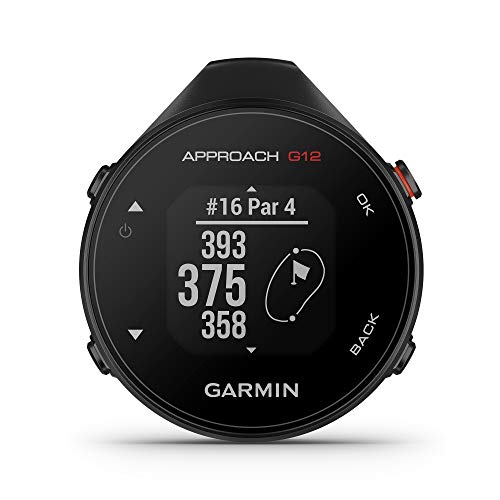
Garmin Approach G12 Clip-on Golf GPS Rangefinder 42k+ Preloaded Courses 010-02555-00

Voice Caddie VC300SE Golf GPS Rangefinder Voice Output of Distance at Click of Button Front Middle Back of Green Info

Voice Caddie Portable Golf Launch Monitor and Swing Analyzer with Real-Time Shot Data Tracking

Rapsodo MLM2PRO Mobile Launch Monitor Golf Simulator 3 ProV1 Balls Swing Trainer & Shot Tracker for Home & Driving Range

Bushnell Golf Phantom 3 Slope GPS Green Handheld Touchscreen Slope-Adjusted Distances 38,000+ Courses Magnetic Cart Mount

Swami KISS 2.0 Handheld Golf GPS Ragnefinder with Integrated Magnets Blue
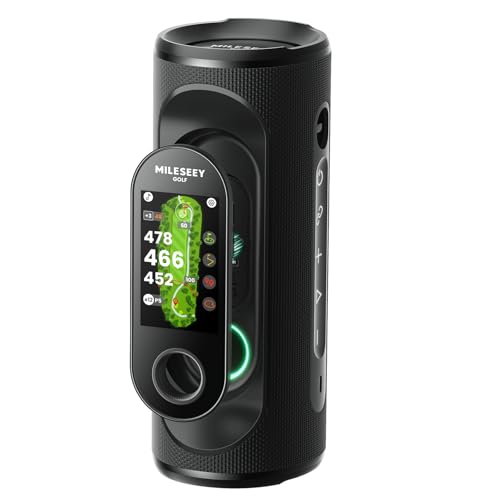
MiLESEEY GeneSonic Pro Golf GPS Speaker with 43K+ Courses No-Subscription Detachable GPS Handheld Rangefinder MagLock

Blue Tees Golf Player Pro GPS Speaker New 2026 Release AI Powered Golf Speaker 42,000+ Courses Visual Audible & Hazard Distances
More Details On Our Top Picks
The Garmin Approach G12 leans into plain utility, which suits walking rounds and players who want yardage without a lot of screen fuss. Clip it on, glance down, and you get a compact GPS unit that keeps the main task simple.
That smaller format matters on cart paths and crowded bags, where pocket space is usually tight. The trade-off is obvious: you get a streamlined device rather than a data-heavy training tool, so this fits golfers who want course navigation more than swing analysis.
What We Like
- Clip-on format keeps it easy to carry during 18 holes.
- Preloaded course coverage helps in familiar and travel rounds alike.
- Simple operation suits quick checks between shots.
- Small body stores cleanly in a pocket or bag pouch.
Points To Note
- It stays focused on GPS yardage rather than richer practice feedback.
- The smaller form can feel limited for golfers who prefer a larger display.
- Clip-on use puts more weight on carrying style than on cart mounting.
Feature Snapshot
Who It Suits Best
Walking golfers and casual players who want quick yardage in a small package will get the most from this one.
A Better Fit Elsewhere
Bushnell Golf Phantom 3 Slope GPS is the stronger match for cart riders who want slope-adjusted distances and a larger touchscreen.
Voice output gives the VC300SE a practical edge for golfers who don’t want to stare at a screen between every shot. It calls out distances on demand, so the pace stays brisk on a busy tee sheet or during a twilight round.
The front, middle, and back of green readout is the real hook here, because that’s the information many casual players actually use. Compared with the Garmin Approach G12, this one trades clip-on minimalism for spoken guidance, which feels more natural for golfers who like immediate feedback.
Bright Spots
- Voice distance output keeps your eyes on the course.
- Front, middle, and back green info covers the core approach-shot question.
- Wide course coverage supports travel and home rounds.
- Button-triggered readout keeps the interaction quick and familiar.
Room For Improvement
- The voice-first layout is less discreet than a silent display-only unit.
- Shoppers who want richer shot tracking will need to look higher on the feature ladder.
- Repeated button use may suit some hands better than others during a long round.
Core Details
Who Will Love This
Golfers who want spoken yardage and a straightforward distance check will find this especially comfortable.
Another Choice May Suit
MiLESEEY GeneSonic Pro Golf GPS Speaker suits golfers who want both audio guidance and a more feature-heavy speaker-style setup.
This Voice Caddie pick shifts away from course navigation and into practice feedback, which is where launch monitors earn their keep. The swing speed mode is especially useful for garage sessions, indoor nets, or a spare mat in the basement, because it lets you work on tempo without needing a ball every time.
Compared with the first two GPS units, this one is less about finding the next shot and more about understanding how the swing behaves. The honest read is that it suits golfers who want training information they can revisit after a session, not just a yardage number on the next tee.
Upsides
- Real-time shot data supports more deliberate practice sessions.
- Swing speed mode helps you work on tempo without constant ball striking.
- Indoor and outdoor use broadens where training can happen.
- Portable format stores easily after practice.
- Battery life is listed at up to 20 hours, which helps longer range days.
Small Caveats
- It fills a training role, so it does less for on-course yardage checks.
- Practice tools ask for a bit more setup than a simple GPS unit.
- Shoppers focused only on course play may not use the data depth much.
Feature Rundown
Best Suited To
Range regulars and home-practice golfers who want swing feedback will get the clearest value from this model.
Swap It Out When
Rapsodo MLM2PRO Mobile Launch Monitor Golf Simulator fits better for golfers who want a more advanced dual-camera training setup with simulator-style depth.
Rapsodo’s MLM2PRO sits in the deeper training lane, where shot tracking and simulator-style feedback matter more than a simple distance call. The dual-camera setup is the standout detail, because it gives your practice environment a much fuller picture than the earlier Voice Caddie launch monitor.
It also includes three Pro V1 balls in the package, which adds some practical convenience for home or range sessions. The trade-off is that this kind of device asks for more commitment in both setup and space, so it fits dedicated practice areas better than a quick grab-and-go routine.
Reasons To Buy
- Dual cameras help build a more complete view of the swing.
- Shot tracking supports structured practice and post-session review.
- Home and driving range use widen the training setup options.
- Included golf balls reduce the need for extra setup before practice.
- Indoor and outdoor flexibility helps you keep a routine going.
Areas To Watch
- It needs more space and planning than a basic handheld GPS.
- Golfers who only need yardage may be paying for more than they use.
- The deeper feature set can take a little longer to get comfortable with.
Quick Facts
Whose Shelf It Belongs On
Serious practice golfers who want richer feedback and simulator-style training will appreciate this one most.
Where A Sibling Pick Shines
Voice Caddie Portable Golf Launch Monitor and Swing Analyzer suits golfers who want a simpler training device without moving into a heavier simulator setup.
Phantom 3 Slope is built for cart golfers who want a bigger display and a direct look at adjusted yardage. The touchscreen makes course checks feel quicker than button-heavy units, and the magnetic mount keeps it easy to place within reach during a round.
Compared with the Garmin Approach G12, this Bushnell model leans more toward cart convenience and on-screen interaction. The slope feature adds another layer of distance guidance, though golfers who prefer a simpler, flatter readout may not use that extra layer every time.
Standout Traits
- Slope-adjusted distances help on hilly courses.
- Touchscreen control keeps navigation direct and quick.
- Magnetic cart mount makes placement simple during play.
- Large course library supports travel and regular play.
Honest Caveats
- Cart-first design makes it less pocket-friendly than clip-on models.
- Slope information is useful, but not every round needs that layer of detail.
- The larger screen can invite more handling than a minimalist unit.
Details At A Glance
Made For
Cart players and course regulars who want a touchscreen GPS with slope information will feel right at home here.
Look Elsewhere When
Swami KISS 2.0 Handheld Golf GPS Ragnefinder suits golfers who want a smaller handheld option with magnets and simpler display modes.
Swami KISS 2.0 keeps the formula simple, which is exactly why budget-minded golfers often gravitate toward it. Integrated magnets make placement easier in a cart or on metal surfaces, and the two display modes give you a little flexibility without complicating the interface.
That simplicity is the appeal, but it also defines the limits. Compared with the Bushnell Phantom 3 Slope, this one feels more basic and less focused on layered distance adjustment, so it fits golfers who want clean yardage and easy handling over a feature-rich screen.
Best Bits
- Integrated magnets support easy cart-side placement.
- Two display modes give the screen some flexibility.
- Preloaded course data reduces setup friction.
- Handheld size makes it easy to store between rounds.
Worth Noting
- The simpler feature set suits straightforward play more than deep analysis.
- Golfers who want premium display polish will likely look higher up the list.
- Handheld use means you still need to manage charging and storage like any portable unit.
Feature Card
Built With In Mind
Golfers who want a simple handheld GPS with magnetic convenience and minimal fuss should look closely here.
Reach For A Different Pick When
Voice Caddie VC300SE Golf GPS Rangefinder suits golfers who want spoken yardage and more direct green-position guidance.
MiLESEEY’s GeneSonic Pro pushes into a more layered audio-and-display setup, which makes sense for golfers who want spoken distances without giving up a color touchscreen. The detachable handheld rangefinder and MagLock system give it a flexible feel, almost like a speaker and a GPS unit decided to split duties.
It also brings course details for layups, front, center, and hazard distances, so the information stays more strategic than a plain yardage readout. Compared with the Voice Caddie VC300SE, this one feels more feature-rich and better suited to golfers who like visual confirmation alongside audio cues.
Highlights
- Visual and audible yardage support different on-course habits.
- Color touchscreen makes navigation more direct.
- Layup, front, center, and hazard data add useful shot planning.
- MagLock and detachable form bring more placement flexibility.
- IP67 rating helps the unit suit rougher outdoor conditions.
Soft Spots
- The fuller feature set can be more than a casual golfer needs.
- Speaker-style hardware tends to be less compact than a basic clip-on GPS.
- The more capable interface may take a little time to learn.
Technical Sheet
The Right Fit
Golfers who want audio guidance, visual detail, and a more strategic yardage tool will get strong use from this model.
Where A Sibling Pick Shines
Blue Tees Golf Player Pro GPS Speaker suits golfers who want a newer speaker-style option with a simpler 2026 release focus.
Blue Tees leans into the speaker category with a fresher 2026 release, and that alone will matter to golfers who like current hardware. The AI-powered angle sounds flashy, but the more practical draw is the mix of visual, audible, and hazard distances, which gives you several ways to take in the same hole.
The magnetic mount and IP67 build make it feel ready for cart play and rougher course conditions, while the 10-plus hour battery claim points to full-round use rather than short practice sessions. Compared with MiLESEEY’s GeneSonic Pro, this one reads as the cleaner mainstream choice for golfers who want a newer speaker device without a sprawling control layout.
Positives
- Visual, audible, and hazard distances support different playing habits.
- Magnetic mounting keeps cart placement simple.
- IP67 build suits damp mornings and changing weather.
- 42,000-plus courses give it broad course coverage.
- Battery listed at over 10 hours supports a full round for many golfers.
Minor Gripes
- The speaker format takes more bag space than a compact handheld unit.
- Golfers who only need basic yardage may not use the full feature set.
- The newer interface may appeal more to tech-comfortable shoppers than to minimalists.
Key Specs
Perfect Match For
Cart golfers who want a modern speaker-style GPS with audio cues and straightforward hole data will fit this model well.
Skip It When
Voice Caddie VC300SE Golf GPS Rangefinder is a better match for golfers who want a smaller, voice-first device with less bulk.
How To Choose The Right Golf Tracking Devices
Match The Device To Your Playing Style
Walking golfers usually do best with compact GPS units that clip on or sit easily in a pocket. Cart golfers tend to benefit more from larger screens, magnetic mounts, and speaker-style devices that stay visible from the seat.
Practice-heavy golfers need a different tool altogether. A launch monitor or swing analyzer makes more sense than a course GPS when your main goal is to study speed, contact, or shot shape.
Pay Attention To The Information Type
Some devices focus on basic yardage, while others add front, center, and back green data or slope-adjusted readings. Slope means the device accounts for elevation change, which helps explain why a target can play longer or shorter than the raw number suggests.
That extra detail matters on hilly courses, but it also adds complexity. Casual golfers often prefer simpler readouts, while more experienced players usually value the extra context.
Think About Setup, Storage, And Daily Use
Size and mounting method shape the day-to-day experience more than many shoppers expect. Clip-on units travel light, magnetic models are easier to place on carts, and speaker-style picks usually sit somewhere in between.
Battery life matters too, especially for long rounds, range sessions, or travel weeks. The right balance is the one you’ll actually keep charged, carry, and use without turning it into a chore.
Choose Based On How Much Feedback You Want
Golfers who only need yardage should stay with a simple GPS unit. Golfers chasing improvement usually get more from shot tracking, launch monitor data, or a unit with audible guidance and deeper hole details.
The most expensive option isn’t always the most useful. The better move is to match the feedback level to your practice habits and the amount of information you’re willing to manage during a round.
A Quick Reality Check
Wrong Turns To Avoid
Many shoppers overbuy by choosing a launch monitor when they really want a course GPS. Others overlook screen size, mounting style, or battery claims, then end up with a device that feels awkward after a week of use.
Another common miss is ignoring course coverage. A device with broad course data helps more than a feature-heavy model that barely fits your actual playing routine.
Where The Extra Money Goes
Higher-tier golf tracking devices usually pay for better displays, more complete course data, stronger mounting hardware, and richer feedback. Audio output, slope adjustment, dual cameras, and speaker-style designs also raise the cost because they add more hardware and processing.
The upgrade makes sense for golfers who practice often or split time between carts, ranges, and indoor setups. For a once-a-week round, a simpler model often covers the need without the extra complexity.
Frequently Asked Questions
Are golf tracking devices only for serious golfers?
No, plenty of casual golfers use them for simple yardage and easier club decisions. The trick is choosing a device that matches the amount of information you actually want.
What’s the difference between a GPS unit and a launch monitor?
A GPS unit shows course distances and hole information. A launch monitor focuses on shot and swing data, which matters more during practice than during play.
Do slope-adjusted distances help on every course?
Slope adjustment is most useful on courses with visible elevation change. On flatter layouts, the extra layer matters less and a standard yardage reading may be enough.
Are speaker-style golf devices hard to carry?
They usually take more bag space than a tiny clip-on GPS, but many golfers like the added audio and display features. The trade is size for convenience.
Which type works best for range practice?
Launch monitors and swing analyzers work best because they focus on shot feedback. Course GPS units are more useful for round management than for drilling swing mechanics.
Closing Thoughts
The right golf tracking device depends on how you actually play, not just how much tech sounds impressive on paper. A compact GPS suits walking rounds, a voice unit keeps the pace moving, and a launch monitor makes practice sessions more informative. Cart golfers may prefer a bigger display and magnetic mounting, while range regulars usually get more from shot tracking. Match the format to your routine, and the device starts pulling its weight fast.
