Golf navigation can save you from guesswork, slow play, and those awkward “how far is that really?” moments. You want a device that fits the way you walk, ride, or carry, whether that means a pocket-sized rangefinder, a watch, or a GPS speaker that keeps the yardages in your ear. The lineup below focuses on practical course use, clear display behavior, and the kind of features that matter on a normal round, not just on a spec sheet.
Quick Look At Our Top Golf Navigation Devices
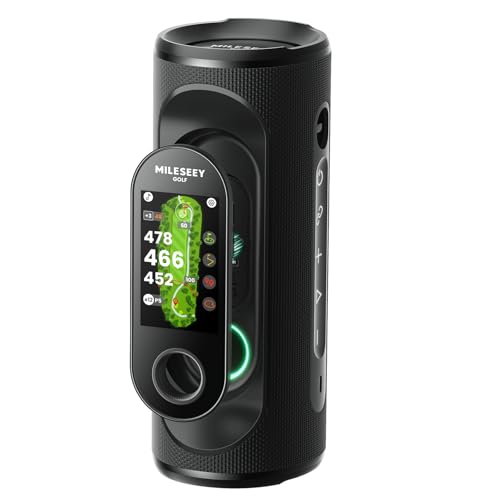
MiLESEEY GeneSonic Pro Golf GPS Speaker 43K+ Courses

Acer Pro Golf Rangefinder Slope Switch 1200 Yards

Blue Tees Golf Ringer Magnetic GPS Handheld

Bushnell Golf Phantom 3 Slope GPS Handheld Black

Bushnell Golf Phantom 3 Slope GPS Handheld Red Blue

GOLFBUDDY Voice XL Magnetic Golf GPS Speaker

NAVO W1 Golf GPS Watch Front Middle Back Distances

Pinned The Caddie Portable Magnetic Golf GPS Tablet Gray
More Details On Our Top Picks
The MiLESEEY GeneSonic Pro suits rounds where you want yardages without staring at a tiny screen all the time. Its detachable handheld layout and color touchscreen make it feel flexible, while the visual and audible yard calls should help in a cart or near the tee box.
That MagLock-style attachment also makes it easier to keep close at hand, which matters on busy front nines. The trade-off is that a speaker-first design won’t feel as pocket-friendly as a slim rangefinder, so it fits golfers who like information out loud.
Strong Points
- Audio and screen guidance work together, so you can check distances fast without breaking your pace.
- 43K-plus course support gives you broad course coverage for travel and weekend play.
- 15-hour battery life helps through long practice sessions and full rounds without constant charging.
- IP67 sealing adds useful protection around damp grass, cart storage, and unexpected splashes.
- No-subscription setup keeps ownership simple after you add it to your bag.
Things To Consider
- The speaker format takes more space than a pocket laser, so pocket carry is less natural.
- Touch controls can feel busier than button-only units for golfers who want bare-minimum operation.
- Detachable parts deserve a little care in storage, especially in a packed cart bag.
Feature Snapshot
Who It Suits Best
Golfers who split time between cart rounds and practice sessions should get the most from this layout.
A Better Fit Elsewhere
NAVO W1 Golf GPS Watch is a tighter match for walkers who want everything on the wrist and nothing extra in the pocket.
Laser rangefinders like this one keep the focus on one job, which is distance to the target. The slope switch and pin lock vibration fit golfers who want quick confirmation on hilly courses, and the 7x magnification gives you a closer look at the pin without adding much bulk.
The rechargeable battery and magnet stripe make it easier to live with during a normal week of rounds and range time. Compared with the MiLESEEY GeneSonic Pro, this Acer pick feels more straightforward and less feature-heavy, which is exactly the appeal for many golfers.
Bright Spots
- Slope switch adds flexibility for practice or casual play.
- Pin lock vibration gives a clear cue when the target is captured.
- 1200-yard reach covers long fairways and distant hazards with room to spare.
- 7x magnification helps you line up distant flags more cleanly.
- Rechargeable power and a magnetic stripe make cart storage easier.
Softer Spots
- Laser use means you still need a steady hand and a clear line to the target.
- IP54 protection suits everyday drizzle and dust, but it is less sealed than some other picks here.
- The feature set is narrower than GPS models, so course mapping is less central.
Core Details
Right Fit For
Golfers who want a simple distance tool without a lot of menu time should feel at home here.
Another Choice May Suit
Blue Tees Golf Ringer fits better for you if you want GPS course data, a touch screen, and less dependence on aiming a laser.
The Blue Tees Golf Ringer sits in a comfortable middle ground: handheld convenience, touch control, and course coverage without feeling overbuilt. For most weekend rounds, that kind of balance is enough, especially when you want distances fast and the body stays easy to carry.
The magnetic strip helps in cart use, and the water-resistant body is the sort of practical detail you notice after a few damp mornings. Compared with the Acer laser, this one is less about aiming and more about getting around the course with fewer steps.
Plus Points
- Touch screen use feels familiar if you prefer phone-like controls.
- 40,000-plus preloaded courses suit travel and frequent course changes.
- 10-plus hours of battery life covers a solid day of play.
- Built-in magnet makes cart attachment less fussy.
- Water-resistant construction adds a little peace of mind in damp weather.
Minor Gripes
- Battery life is respectable, but longer than a long rangefinder session may stretch it.
- Handheld form still asks you to carry one more thing than a watch.
- Touch surfaces can show wear more quickly than plain-button layouts if you toss it loosely in a bag.
Details At A Glance
Made For
Golfers who want a dependable handheld GPS with easy cart attachment will get the best fit here.
Where A Sibling Pick Shines
Bushnell Golf Phantom 3 Slope GPS Handheld Black suits you better if you want a more compact display-first unit with slope and hazard details close at hand.
Compact GPS units like the Phantom 3 make sense for players who want a quick glance, not a long menu session. The slope compensation, hazard info, distance calculator, and scorekeeping tools keep the screen useful without pushing the unit into bulky territory.
The magnet mount matters more than it sounds, especially on cart rounds where you want the device visible and secure. Compared with the Blue Tees Ringer, this Bushnell feels more pared back in shape, but that smaller footprint can be exactly what keeps it pleasant to carry.
What We Like
- 38,000-plus courses give you broad course coverage for travel.
- Slope, hazard, and distance calculation tools support faster course reads.
- Scorekeeping on the unit keeps a few essentials together.
- Magnet mount helps the device stay handy on a cart.
- Touchscreen control keeps the interface simple for quick checks.
Room For Improvement
- The smaller shell means less room for big-screen reading comfort.
- Scorekeeping is handy, though some golfers still prefer a separate scoring app or card.
- Touch surfaces can need occasional cleaning to stay clear in dusty cart storage.
Quick Facts
The Right Fit
Players who like a compact GPS with practical course cues and cart convenience should feel comfortable here.
Swap It Out When
Pinned The Caddie Portable Magnetic Golf GPS Tablet Gray suits you better if you want a larger tablet-style screen for planning shots before you reach the ball.
This Phantom 3 variant keeps the same core layout as the black model, but the red and blue finish gives you a little more personality in the bag or on the cart. For golfers who like their gear easy to spot, that visual difference matters more than it sounds.
All the practical course tools are still here, so you’re not trading style for usefulness. The honest read is that this one suits someone who wants the same compact GPS behavior as the black version, just with a brighter look.
Highlights
- Color finish makes the unit easier to spot in a crowded bag.
- 38,000-plus course support covers plenty of home and travel rounds.
- Slope compensation and hazard info add useful course context.
- Scorekeeping keeps a few round essentials in one place.
Small Caveats
- The feature set mirrors the black Phantom 3, so the main difference is styling.
- Smaller device size still favors quick glances over large-screen viewing.
- Bright finishes can show scuffs sooner if you toss the unit loosely with metal accessories.
Feature Card
Best Suited To
Style-conscious golfers who still want the same compact GPS function should find this version appealing.
Look Elsewhere When
Bushnell Golf Phantom 3 Slope GPS Handheld Black is the cleaner match for you if you prefer a more understated finish.
Some golfers want yardages spoken clearly enough to hear over a cart motor, and this GOLFBUDDY model leans hard into that use case. The 20W woofer and 10W tweeter are a real clue here, since the speaker is built for audible distance calls rather than just silent screen checking.
The clip-on remote and cart attachment also suit golfers who keep their hands busy. Compared with the MiLESEEY speaker-style pick, this one feels more centered on sound output, which makes it a smart fit for players who want the course info delivered loud and clear.
Upsides
- Visible distances and spoken output help you gather yardages without staring at a screen.
- 20W woofer plus 10W tweeter add fuller sound than a basic buzzer-style unit.
- Clip-on remote keeps controls close during cart rounds.
- 10-hour battery life suits a normal day on the course.
- IPX6 water resistance gives helpful protection around spray and light weather exposure.
Points To Note
- Speaker-first design takes up more space than a watch or laser.
- Sound volume is useful, though some golfers still prefer silent readouts on crowded courses.
- The unit will likely need occasional wiping after cart use, especially around speaker openings.
Technical Sheet
Who Will Love This
Golf-cart players who prefer audio guidance over constant screen checks should be the best match here.
Where A Sibling Pick Shines
Blue Tees Golf Ringer fits better for you if you want a more traditional handheld GPS with touch control and course maps on the device itself.
Wrist-worn GPS units fit a very specific kind of round, the one where you want front, middle, and back yardages without reaching for another device. The NAVO W1 leans into that hands-free style, and hazard tracking adds another useful layer for golfers who like quick course awareness.
Because it stays on your wrist, it works especially well for walkers and anyone who dislikes extra gear in a pocket or on a cart rail. Compared with the handheld MiLESEEY and Blue Tees picks, this one wins on simplicity of carry rather than on screen size or speaker output.
Reasons To Buy
- Wrist wear keeps distances available without taking up pocket space.
- Front, middle, and back numbers cover the basics most golfers need.
- Hazard tracking helps on unfamiliar layouts.
- No-subscription setup keeps the long-term routine simple.
- Good fit for walkers who want less gear to manage.
Areas To Watch
- Watch sizing can feel personal, so wrist comfort matters more here than on a handheld unit.
- Small-screen viewing is efficient, though it will not suit golfers who want large map views.
- Band care matters after repeated sweat and dirt exposure, so regular cleaning helps it stay pleasant to wear.
At A Glance
Whose Shelf It Belongs On
Walkers and minimal-gear golfers should get the most practical value from this watch.
Reach For A Different Pick When
GOLFBUDDY Voice XL Magnetic Golf GPS Speaker suits you better if you want yardages spoken aloud on a cart instead of shown on a watch face.
The tablet-style layout gives this Pinned unit a different feel from the smaller handhelds above. A larger screen helps before the shot, especially for cart golfers who like to study front, middle, and back distances without zooming through tiny menus.
Magnetic mounting and weatherproofing round out the practical side, so the shape is not just about looks. The trade-off is simple, it asks for a little more space than a watch or compact handheld, but that larger face is the reason many golfers will prefer it.
Best Bits
- Tablet-style touchscreen gives you a broader view of course information.
- 45,000 course maps provide broad coverage for travel and frequent play.
- FCB yardages help you check front, center, and back distances quickly.
- Magnetic design suits cart use and visible placement.
- Weatherproof construction helps it fit the realities of outdoor rounds.
Honest Caveats
- The larger footprint is less discreet than a wrist watch or pocket unit.
- Tablets usually need a bit more storage care in a golf bag.
- Screen-first design is great for planning, though some golfers still want spoken guidance or laser aiming too.
Core Details
Built With In Mind
Cart golfers who like a bigger screen for route planning and course viewing should be the strongest match here.
Another Choice May Suit
NAVO W1 Golf GPS Watch is the tighter fit for you if you want something lighter, smaller, and always on your wrist.
How To Choose The Right Golf Navigation Devices
Match The Format To Your Round
A golf GPS watch works well for walkers who want front, middle, and back yardages without stopping. Handheld GPS units suit golfers who like a larger screen, while laser rangefinders are better for direct target checks. Speaker-style devices fit cart rounds because they let you hear distances without staring at a display.
Look Past The Course Count
Course libraries matter, but the number alone does not decide fit. A golfer who stays local may care more about touch speed, magnetic mounting, or a readable screen than whether the device stores 38,000 or 45,000 layouts. That’s why the display type, battery life, and carry style should sit near the top of your list.
Decide How Much Guidance You Want
Some golfers only need the pin distance, while others want slope compensation, hazard info, and scorekeeping in the same device. Slope means the device adjusts for uphill or downhill changes, which helps explain why those models feel more involved. The trade-off is that more guidance usually brings more menus, more size, or more setup time.
Think About Course Conditions
Weather resistance matters more than many shoppers expect, especially for early tee times, cart storage, or damp grass. Magnetic attachment also helps because it keeps the unit visible and easy to reach during a round. For regular play, simple upkeep like wiping the screen and keeping ports dry goes a long way.
What To Weigh Before You Click
Mistakes Worth Dodging
A common slip is choosing a feature-heavy unit when you really want a fast, simple read. Another is ignoring carry style, which can make a handy GPS feel annoying halfway through a round. You also want to match the form to your routine, since a pocket laser, wrist watch, and speaker each solve a different problem.
The Upgrade Payoff
Higher-tier golf navigation devices often pay for better screens, broader course coverage, stronger mounting options, or richer audio. That extra spend makes sense for frequent players, travelers, and anyone who plays in varied conditions. For casual nine-hole rounds, a simpler unit can still cover the job without the extra complexity.
Frequently Asked Questions
Do Golf Navigation Devices Replace A Rangefinder?
Not always. A GPS unit gives quick course context, while a laser rangefinder focuses on the exact target distance.
Are Golf GPS Watches Good For Walking Rounds?
Yes, they suit walking very well. Keeping the yardages on your wrist means you carry less gear.
Does A Bigger Course Library Matter?
It matters most if you travel or play many different clubs. Local golfers may care more about display clarity and battery life.
What Does Slope Function Do?
Slope adjusts distances for uphill or downhill shots. That extra context can help explain why a shot plays longer or shorter than the raw yardage.
Which Style Is Easiest To Use During Play?
That depends on your routine. Watches are the lightest to carry, handhelds show more detail, and speakers are easiest for audio guidance.
Final Thoughts
Your best choice comes down to how you move through a round. Walkers usually do best with the NAVO W1 or a compact handheld, while cart golfers may prefer the Pinned tablet or one of the speaker options. If you want a straightforward distance tool, the Acer laser keeps things clean and simple. Pick the shape that fits your playing habits, and the rest tends to fall into place.