You want clearer yardage, fewer second guesses, and gear that fits the way you actually play. Some golf range finders lean simple and portable, while others add slope adjustment, magnetic mounting, or longer reach for cart rounds and practice days.
That mix matters more than flashy extras. A compact handheld GPS unit can suit casual rounds, while a laser rangefinder with pin lock and magnification often feels better for players who want a tighter target read.
Quick Look At The Shortlist

Swami KISS 2.0 Handheld Golf GPS Ragnefinder with Integrated Magnets – Blue

Bushnell Golf Tour V6 Shift Laser Rangefinder

DORMIE Golf Rangefinder with Slope 800 Yards
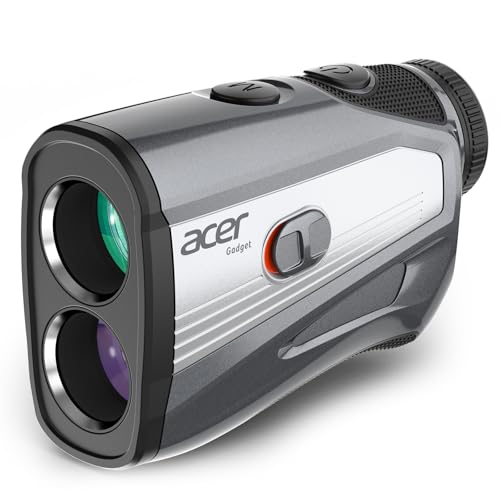
Acer Gadget Golf Rangefinder with Slope 1200/1700Yards

Upgraded 0.5 Second Easily Lock on a Pin Golf Rangefinder with Slope

Flagfront Golf Rangefinder with Slope 1000 Yards

Acer Pro Golf Rangefinder with Slope Switch, Pin Lock Vibration
More Details On Our Top Picks
GPS-based yardage suits golfers who want a lighter mental load on the tee. The integrated magnets are handy on a cart rail or metal surface, and the preloaded course data keeps the focus on play instead of setup.
The two display modes give you a bit more flexibility than a bare-bones screen, though this style still feels more like a course helper than a precision laser. For casual rounds, it’s an easygoing option with less fuss than the rangefinders that need constant target locking.
Strong Points
- Integrated magnets make cart storage simpler during a round.
- Preloaded course data supports fast start-up at familiar courses.
- Two display modes add some flexibility for different viewing preferences.
- Handheld GPS format feels less fussy than aiming a laser at every target.
Points To Note
- GPS guidance is a different experience from direct pin locking, so players chasing exact flag reads may prefer a laser.
- The compact handheld style asks for regular charging and a safe pocket or pouch between rounds.
Feature Snapshot
Who Will Love This
Golfers who ride in carts and prefer simple yardage guidance will get the most out of this one.
A Better Fit Elsewhere
Bushnell Golf Tour V6 Shift Laser Rangefinder suits golfers who want pin-focused laser readings and a more traditional aiming routine.
For golfers who like a classic laser routine, this one brings a clear feature set without feeling overloaded. Slope compensation helps in hilly conditions, while 6X magnification gives you a steadier look at the target from the tee or fairway.
The flag lock vibration matters most on busy courses, because you get a clearer sense that the device has found the pin instead of the trees behind it. Compared with the GPS-style Swami KISS 2.0, this is the more exacting pick for players who want a direct line to the flag.
Upsides
- Slope compensation gives you adjusted distance context on uneven holes.
- Flag lock vibration supports more confident target confirmation.
- 6X magnification helps the pin appear steadier in view.
- Magnetic cart mounting keeps it easy to grab between shots.
- Waterproof construction suits damp mornings and changing weather.
Softer Spots
- Laser rangefinders ask you to steady your hands a little more than GPS units.
- The tournament-legal slope switch is useful, though it adds one more setting to manage.
- Carrying it in a case helps protect the lens and buttons over time.
Core Details
Right Fit For
Players who want a laser rangefinder with slope support and strong cart-friendly convenience will appreciate this model most.
Swap It Out When
Izzo Swami KISS 2.0 makes more sense for golfers who want simpler GPS guidance and less target aiming on each shot.
The aluminum alloy body gives this one a firmer feel than the lighter GPS-style Swami, which is useful if your bag gets tossed around a lot. Its 800-yard range is ample for most fairway and practice needs, and the slope feature adds useful distance context on rolling courses.
Flag pole locking vibration helps you sense a successful lock, and the 6X magnification keeps the viewing style familiar. For golfers who want a more durable shell without moving into a crowded feature stack, it lands in a sensible middle ground.
Bright Spots
- Aluminum alloy body brings a sturdier feel in hand.
- 800-yard reach covers typical golf-course distances with room to spare.
- Slope compensation helps on uphill and downhill shots.
- Flag pole locking vibration gives useful confirmation at the target.
Areas To Watch
- The shorter range than some higher-reach picks may matter more for very long practice setups.
- A metal-bodied unit still deserves a pouch or divider so the lens and buttons stay protected in transit.
Details At A Glance
Whose Shelf It Belongs On
This suits golfers who want a straightforward laser with a tougher-feeling body and practical slope support.
Look Elsewhere When
Bushnell Golf Tour V6 Shift Laser Rangefinder fits better for golfers who want longer reach, cart mounting, and a more premium laser setup.
Dual-range wording usually signals two measurement modes or two distance ceilings, and this Acer model leans into that idea with a broad feature mix. The slope switch, rechargeable battery, magnetic strip, and 6X magnification make it feel built for golfers who like extras within one unit.
That extra flexibility is useful on cart-heavy courses, especially when you want quick access and less battery fuss than a disposable-power setup. Compared with the DORMIE pick, this one feels more feature-forward and a touch more geared toward convenience rather than a stripped-down shell.
Reasons To Buy
- Slope switch gives you a choice between adjusted and plain distance reading.
- Rechargeable power is convenient for frequent rounds and practice sessions.
- Magnetic strip helps keep the unit close on a cart frame.
- Flag lock vibration and 6X magnification support steadier target reading.
Minor Gripes
- The mixed 1200/1700-yard wording can feel a bit less straightforward than a single clean number.
- More features usually mean more things to learn before it feels second nature.
- Rechargeable gear works best when you keep a charging routine before longer outings.
Feature Rundown
Built With In Mind
Golfers who like feature-heavy gear and use a cart often will get the most out of this Acer model.
Where A Sibling Pick Shines
Flagfront Golf Rangefinder with Slope 1000 Yards suits golfers who want a simpler middle-ground setup with fewer moving parts.
This one leans into speed, and that matters on busy tee boxes where you want a quick read and a fast return to your pre-shot routine. The 2X HD bright LCD should make the display easier to take in at a glance, while the 7X magnification and pin-lock vibration give it a more serious feel than simpler distance tools.
The 1500-yard range stands out on paper, though most golfers will feel the benefit more in the long reach and target clarity than in any dramatic course change. Compared with Acer Gadget’s feature-packed design, this pick feels more performance-forward, especially for players who want fast pin acquisition.
Best Bits
- 0.5-second lock claim points to a quicker target read.
- 2X HD bright LCD should be easier to glance at in bright conditions.
- 7X magnification supports a tighter look at the flag.
- 1500-yard reach adds extra headroom for long-use scenarios.
- Pin-lock vibration helps confirm target capture.
Honest Caveats
- The faster read style still depends on steady aim, so rushed hands can soften the advantage.
- A feature-rich laser usually needs a little more familiarization before it feels effortless.
- Keeping the lens clean matters more here, since clearer optics support the stronger display and magnification mix.
Technical Sheet
The Right Fit
Golfers who want a fast-locking laser with strong display clarity will appreciate this upgrade-minded pick.
Reach For A Different Pick When
Bushnell Golf Tour V6 Shift Laser Rangefinder suits golfers who want a more established cart-friendly laser layout with slope control and magnetic mounting.
Some rangefinders chase extremes, but this one keeps the shape of the category easy to understand. The 1000-yard range, 6X magnification, slope function, and rechargeable design make it a sensible fit for golfers who want useful tools without a lot of learning curve.
The flag-locking vibration helps during target confirmation, and that can matter on windy days or crowded courses where the pin blends into the background. Compared with the faster, more display-heavy Kaidrus model, Flagfront feels calmer and easier to live with for everyday rounds.
Positives
- 1000-yard range gives comfortable room for normal golf use.
- 6X magnification helps distant targets look more manageable.
- Rechargeable power keeps upkeep simple for frequent golfers.
- Flag-lock vibration adds helpful target confirmation.
- Slope support gives more context on uneven shots.
Room For Improvement
- The middle-ground spec set means it won’t feel as loaded as the more feature-heavy picks above it.
- Rechargeable devices work best with a set charging habit before your round.
Feature Card
Best Suited To
Golfers who want a straightforward laser rangefinder with rechargeable convenience will feel at home here.
Another Choice May Suit
Upgraded 0.5 Second Easily Lock on a Pin Golf Rangefinder with Slope suits golfers who care more about faster lock speed and a brighter display.
This Acer model feels aimed at golfers who want a cleaner premium finish without moving into an overly complicated setup. The 7X magnification, slope switch, rechargeable battery, magnet stripe, and IP54 water resistance create a very usable mix for cart golfers and practice-heavy routines.
IP54 means limited dust protection and resistance to splashes, so it suits ordinary course weather better than rough storage abuse. Compared with the Flagfront pick, this one asks a little more from the budget, but the added durability cues and magnet stripe make that easier to understand.
Standout Traits
- 7X magnification gives a tighter look at the target than 6X options.
- Slope switch lets you move between adjusted and plain reading styles.
- Rechargeable battery supports regular use without spare-cell clutter.
- Magnet stripe makes cart storage and pickup convenient.
- IP54 water resistance is reassuring for damp mornings and light spray.
Small Caveats
- The stronger feature set can feel like more than casual golfers need.
- Magnet storage is handy, though you’ll still want to keep the lens away from grit in your bag.
Quick Facts
Built For
Golfers who want a polished laser with a few premium touches will get the best match here.
Where Shoppers Go Wrong
Izzo Swami KISS 2.0 is the better fit for golfers who would rather skip the aiming routine and lean on GPS guidance.
How To Choose The Right Golf Range Finders
Laser Or GPS
Laser rangefinders give you a direct read on a target, which suits golfers who like aiming at the flag and getting a specific number. GPS models feel easier on cart rounds because they rely on course data instead of line-of-sight pointing.
The trade-off is simple, laser units are usually more exacting, while GPS units are usually less fussy. Golfers who play unfamiliar courses often appreciate GPS, while golfers who care about the pin itself tend to like laser tools.
Range, Magnification, And Locking Feedback
Range matters, but the number only helps when it matches how you play. A 1000-yard or 1200-yard claim is already plenty for most course use, while 1500 yards and beyond mostly adds headroom for broad practice or longer sightlines.
Magnification, such as 6X or 7X, changes how steady the target appears in the viewfinder. Locking vibration is useful because it tells you the device has likely found the flag, not the trees beyond it.
Mounting, Battery, And Weather Use
Magnetic strips or magnetic cart mounts make a bigger difference than they sound like. They keep the unit close by, which helps on cart rounds and reduces the chance of leaving it behind on the seat or fairway.
Rechargeable batteries suit frequent play, while disposable power can feel simpler for occasional rounds. Water resistance, such as IP54, gives extra comfort in damp weather, though it still makes sense to store the device in a pouch when the round is over.
Slope And Tournament Rules
Slope compensation is useful on rolling holes because it adjusts distance context for uphill and downhill shots. Tournament-legal slope switches matter because many golfers want the choice to disable that help during sanctioned play.
That flexibility costs more in design and controls, but it can be worth it for golfers who split time between casual rounds and more serious play. Players who only want a basic yardage read can skip that layer and keep the interface simpler.
What To Weigh Before You Click
Mistakes Worth Dodging
Many shoppers focus on the longest range number and ignore the handling details. A huge yardage claim means little if the display is hard to read or the unit feels awkward to hold.
Another common miss is overlooking storage style. A magnetic mount helps a lot for cart golfers, while a simple handheld shape may suit walkers better.
The Case For Spending Up
Higher-tier range finders usually pay for better optics, cleaner lock feedback, stronger mounting options, and more polished builds. Those upgrades matter most during fast rounds, damp weather, or on courses with lots of elevation change.
You’re also paying for convenience. Rechargeable power, slope switches, and clearer displays can save small annoyances that add up over many rounds.
Frequently Asked Questions
Do golf range finders help on every course?
They help most on courses with unfamiliar distances, elevation changes, or lots of visual clutter. Simple rounds still benefit because you spend less time guessing yardage.
Is slope adjustment worth it?
Slope adjustment helps on hills because it changes the distance context. Golfers who play flatter courses may not need that feature as much.
Why do some range finders use magnets?
Magnets make cart storage easier and help keep the unit within reach. That matters most during cart rounds and practice sessions with frequent stops.
What magnification level feels practical?
6X is common and works well for most golfers. 7X gives a tighter view, though it can ask for steadier hands.
Should you choose rechargeable or battery-powered?
Rechargeable models suit frequent use and reduce spare-cell clutter. Battery-powered models can feel simpler for occasional rounds.
Closing Thoughts
The right golf range finder depends less on hype and more on how you move around the course. If you ride often, a magnetic mount and slope switch can save time. If you want a simpler routine, GPS guidance may feel easier than lining up every shot by hand. For golfers who value clarity, reach, and a setup that fits their habits, the seven picks above cover the main paths without overcomplicating the choice.