You want a rangefinder that matches the way you actually play, not just one that looks good in the cart. Some golfers need simple flag locking and slope reads, while others want GPS maps, cart mounting, or a compact body that disappears in a pocket. The seven picks below cover those use cases without drifting into fluff.
Quick Look At The Shortlist

Bestsee Golf Rangefinder with Slope 1700 Yards

Bushnell Golf Phantom 3 Slope GPS Red/Blue

GOLFBUDDY 2S PRO Golf Range Finder with Slope
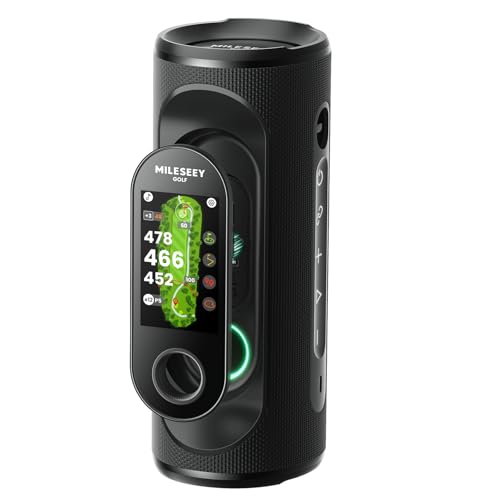
MiLESEEY GeneSonic Pro Golf GPS Speaker

Flagfront Golf Rangefinder with Slope 1000 Yards

Leexox Golf Rangefinder with Slope Switch 1200Y
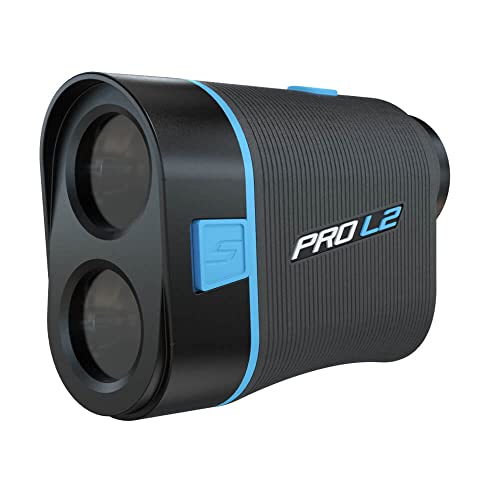
Shot Scope PRO L2 Rangefinder
More Details On Our Top Picks
Bestsee leans into straightforward distance work, with 7X magnification helping you isolate a flag without needing to lean in awkwardly. The slope function adds a useful read for casual rounds, while the vibration lock gives you a cleaner cue on the pin, which helps on windy days or from the cart path.
The USB-C recharge setup is practical for golfers who already keep a modern charging cable in the bag. The magnet strip is a small but handy touch, though you may find the larger body less pocket-friendly than the compact white Leexox model later in this list.
Strong Points
- Long 1700-yard reach gives plenty of room for fairway and target checks.
- 7X magnification helps you frame flags and hazards with less visual strain.
- Flag-lock vibration adds a clear confirmation that feels useful in real rounds.
- USB-C charging fits the way many golfers already power their gear.
Things To Consider
- The larger form factor may take more room in a pocket or small side pouch.
- Magnet-strip convenience is handy, but it also means you’ll want to store it thoughtfully around other metal gear.
Feature Snapshot
Who It Suits Best
Golfers who want a feature-rich handheld rangefinder with easy charging and clear pin confirmation will get the most from this one.
Where A Sibling Pick Shines
Leexox Golf Rangefinder with Slope Switch 1200Y suits tournament-style golfers who want a smaller body and a more compact carry profile.
This Bushnell leans more toward GPS convenience than a classic laser shape, so it fits golfers who like course maps and a touchscreen in one handheld unit. The magnetic cart mount matters in real use, especially for riders who want the screen visible without juggling it between pockets and cup holders.
Its slope-adjusted yardages and support for more than 38,000 courses make it feel built for frequent course play, though the trade-off is a different style of interaction than a point-and-shoot laser. That puts it closer to a digital caddie than the Bestsee or Flagfront picks.
Upsides
- Touchscreen control makes the handheld feel quick to read at a glance.
- Slope-adjusted yardages help on hilly courses where raw distance alone can mislead.
- Magnetic cart mounting suits golfers who ride more often than they walk.
- Course coverage is broad, which helps travelers and regular club players.
Minor Gripes
- GPS-style use is different from a laser, so golfers who want a narrow pin lock may prefer another pick.
- The touchscreen adds convenience, but it also means you’ll want to keep the screen clean and easy to read.
- Red/blue styling stands out more than the stealthier black models in this roundup.
Details At A Glance
Built With In Mind
Golfers who split time between cart play and GPS-style yardage tracking should feel right at home here.
Skip It When
GOLFBUDDY 2S PRO Golf Range Finder with Slope suits golfers who want a traditional laser feel and cart-side measuring instead of touchscreen mapping.
Cart riders will notice the point of this GOLFBUDDY model right away, because the measuring-from-the-cart setup is built for that exact routine. One-click scan mode keeps the interaction simple, and the flag-lock vibration helps confirm the target without overcomplicating the shot setup.
The magnetic mount is useful on metal cart frames, and the waterproof build gives you a little more peace of mind on damp mornings. Compared with Bushnell’s GPS-style Phantom 3, this one stays in laser territory, which is the cleaner fit for golfers who want a more direct range-reading habit.
Positives
- Measuring from the cart is a genuine convenience for riders.
- One-click scan mode keeps operation straightforward during a round.
- Flag-lock vibration gives a clear target confirmation.
- Magnetic mounting makes storing the unit on a cart easy.
- Waterproof construction adds useful everyday confidence in damp conditions.
Points To Note
- The 1093-yard figure is solid for golf use, though it trails the longer-reach models in this roundup.
- Magnetic mounting is handy, but you’ll still want to keep the surface clean for dependable placement.
Core Details
Right Fit For
Golfers who ride often and want a straightforward laser with easy cart access should feel well served here.
Look Elsewhere When
MiLESEEY GeneSonic Pro Golf GPS Speaker suits golfers who want course guidance with audio cues and a more connected feature set.
This MiLESEEY model stands out because it mixes GPS yardages with speaker-style output, so you can get distance information without staring at the screen every time. The detachable handheld design and MagLock system make it feel flexible, especially on carts where you want the unit secured but still accessible.
The color touchscreen, visual and audible yardage, and layup, front-center-back, and hazard prompts all point to a player who likes more context than raw distance alone. Compared with the simpler Shot Scope PRO L2, this is the pick for golfers who want more guidance layered into the round.
What We Like
- Audio and visual yardage cues support quicker checks during play.
- More than 43,000 mapped courses gives it strong travel appeal.
- No-subscription setup keeps the ongoing experience straightforward.
- 15-hour battery life suits long sessions without constant charging.
- IP67 rating brings a higher level of dust and water resistance for the category.
Softer Spots
- The extra feature set adds complexity, so golfers who only want a simple laser may find it busy.
- Speaker-focused use can feel like more tech than some weekend golfers need.
Feature Rundown
Who Will Love This
Golfers who want GPS guidance, audible feedback, and cart-friendly convenience in one device are the best match here.
Another Choice May Suit
Shot Scope PRO L2 Rangefinder is a cleaner fit for golfers who prefer a stripped-back handheld and fewer layers of interface.
Flagfront keeps the formula lean: 1000 yards of range, 6X magnification, slope support, and flag-lock vibration. That combination gives you the core tools many golfers want without pushing into the heavier feature sets of the MiLESEEY GPS speaker or the Bushnell touchscreen unit.
The rechargeable battery makes routine use easier, and the smaller feature list can be a plus for golfers who prefer less menu time and more shot time. The honest read is that it feels built for straightforward play, not for someone who wants a long list of digital extras.
Best Bits
- Core golf functions are all here, without a lot of clutter.
- 6X magnification still gives a clear enough view for common on-course checks.
- Rechargeable power keeps upkeep simple for everyday rounds.
- Flag-lock vibration adds useful confirmation on the pin.
Room For Improvement
- The 1000-yard ceiling is adequate, though it leaves less headroom than some longer-range choices here.
- Golfers who like extra interface features may want something more elaborate.
Quick Facts
Whose Shelf It Belongs On
Golfers who want a direct, no-frills rangefinder for regular play will find this an easy fit.
Reach For A Different Pick When
Bestsee Golf Rangefinder with Slope 1700 Yards suits golfers who want more range headroom and a larger set of extras.
Leexox is the compact-minded pick in this group, with a 4.5 by 1.7 by 2.8-inch body that suits smaller pockets and tighter golf bags. The slope switch is useful for tournament-style play, since you can keep the right mode ready without sorting through a lot of extra steps.
Its 7X magnification, flag-lock vibration, and USB-C charging make it feel more polished than the price-conscious Flagfront model, while the 40,000-plus uses per charge wording points to long gap times between charging sessions. For traveling golfers, the white finish and small footprint make it easy to keep track of in a packed bag.
Standout Traits
- Very compact dimensions make it easy to carry on and off the course.
- Slope switch suits golfers who want a mode-aware setup for tournament rounds.
- 7X magnification gives a sharper look at distant targets.
- USB-C charging keeps the power routine familiar and simple.
- Flag-lock vibration adds the usual target confirmation golfers want.
Small Caveats
- The compact body is a plus, though it can feel a little less substantial in larger hands.
- White finishes can show bag scuffs sooner than darker shells, so storage matters.
Technical Sheet
Perfect Match For
Golfers who travel often or want a smaller rangefinder for tournament days should appreciate this compact build.
Swap It Out When
Shot Scope PRO L2 Rangefinder suits golfers who want a stripped-back tool with less emphasis on compact styling and more on plain utility.
Shot Scope keeps things stripped down, and that clarity has its own appeal for golfers who don’t want a dense feature list. It slots neatly beside the more loaded MiLESEEY and Bushnell picks, since it focuses on the basic rangefinder role rather than layering on maps or speaker output.
The lack of flashy extras can be a strength in practice, especially for players who just want a clean setup and less to manage in the bag. The trade-off is obvious, though, since golfers looking for slope toggles, GPS guidance, or mounting tricks will need to look elsewhere in the lineup.
Highlights
- Simple design keeps the learning curve low.
- Clean form factor suits golfers who prefer a no-nonsense tool.
- Easy to pair with a straightforward pre-shot routine.
- Works well as a plain rangefinding option without extra layers.
Honest Caveats
- Feature-light construction may feel too plain for golfers who want modern add-ons.
- The bare-bones approach leaves less room for advanced convenience features.
Core Details
Made For
Golfers who want a plain, dependable handheld and don’t need much beyond distance reading should feel comfortable here.
Consider Something Else When
Bushnell Golf Phantom 3 Slope GPS Red/Blue suits golfers who want touchscreen mapping and cart-mounted convenience.
How To Choose The Right Golf Rangefinders
Laser, GPS, Or A Hybrid Feel
Laser units suit golfers who want a direct line to the flag, especially on courses with tree-lined fairways or blind approach shots. GPS-style options make more sense for riders and travelers because they trade pinpoint aim for broader hole context, course maps, and faster glanceable yardages. A hybrid-feeling model can be a good middle ground, but it usually adds cost and interface complexity, so your routine matters as much as the tech.
Slope, Locking Feedback, And Magnification
Slope readings help translate uphill or downhill shots into more usable yardage, which matters most on rolling home courses. Flag-lock vibration or similar confirmation is useful because it gives you a tactile cue that the unit has settled on the pin instead of a tree behind it. Magnification changes how easily you can isolate the target, and 6X or 7X usually feels more comfortable for golfers who need steadier framing without overzooming.
Battery, Mounting, And Carry Comfort
USB-C charging is easier to live with than older charging setups, especially for golfers who already keep the same cable in a travel pouch. Magnetic mounts matter most to cart riders, while compact dimensions matter most to golfers who keep the unit in a pocket or a small side compartment. The right balance depends on your round style, because a feature-rich body can feel smart in the cart but awkward in a tight pocket.
What To Weigh Before You Choose
Common Shopping Slip Ups
A common mistake is chasing the longest range number and ignoring how the unit feels in hand. Another is overlooking whether you play mostly from a cart or mostly on foot, since that changes how useful a magnetic mount or speaker output really is. You also want to match the display style to your habits, because a touchscreen, a simple viewfinder, and an audio-guided unit each ask for a different kind of attention.
Where The Extra Money Goes
Higher-tier models usually spend more on display quality, course coverage, stronger weather protection, and extra convenience like cart mounts or audible yardage. That kind of upgrade makes sense for frequent golfers, travelers, and anyone who wants less fiddling between shots. For weekend play at one familiar course, a simpler rangefinder often delivers the same core job without extra layers you may never use.
Frequently Asked Questions
Do Golf Rangefinders Need Slope To Be Useful?
Slope helps on hilly courses, but plenty of golfers get by with a basic distance-only model. The right call depends on how much elevation changes your home course has.
Are GPS Units Better Than Laser Rangefinders?
GPS units give broader course context, while lasers aim for a more exact target read. You’ll usually prefer one or the other based on whether you want map-style guidance or a direct flag check.
Why Does Magnification Matter?
Magnification makes it easier to isolate the pin and nearby targets. Higher magnification can help at longer distances, though steadier hands matter too.
Is USB-C Important On A Rangefinder?
USB-C is helpful because it simplifies charging with a common cable type. That matters most for golfers who already pack the same charger for other gear.
Which Type Works Best For Cart Golf?
Cart golfers often benefit from magnetic mounting or GPS-style handhelds with larger displays. Those features keep the unit visible and within reach during a round.
Closing Thoughts
Your best choice comes down to how you move around the course and how much detail you want from each yardage check. The Bestsee and Flagfront models keep things close to classic laser use, while the Bushnell and MiLESEEY picks add more digital help for golfers who like richer context. Leexox is the neatest fit for compact carry, and Shot Scope stays refreshingly simple. Match the tool to your playing style, and the course feels a lot more manageable.