

You’re past the starter phase, so the real question is no longer whether a disc flies, but how it shapes up in the hand and under pressure. Some discs help you stretch distance with cleaner lines, while others make approach shots calmer and more repeatable. This roundup keeps the focus on discs that suit intermediate play, with honest notes on glide, stability, grip, and where each one fits in a bag.
You’ll also see where a disc feels forgiving, where it asks for better form, and which picks pair nicely with the rest of this list. That matters more than chasing a flashy mold name, because the right mix turns a bag into a tool instead of a pile of plastic.
Quick Look At The Strongest Options


Latitude 64 Retro Burst Disc Golf Starter Set

Innova DX Wraith Disc Golf Driver

Westside Discs Origio Burst Warship Disc Golf Midrange

Discraft Brian Allen Supercolor Buzzz Astronaut

INNOVA Champion Roc3

Latitude 64 Retro Saint Disc Golf Fairway Driver

Dynamic Discs Prime Burst Escape Disc Golf Driver

Latitude 64 Retro Burst Fuse Midrange Disc Golf Disc
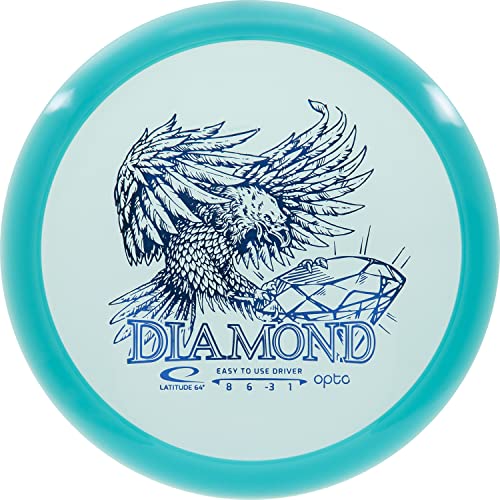
Latitude 64 Opto Diamond Disc Golf Driver
More Details On Our Top Picks
The Archangel makes sense for you when rollers and high-turn throws are part of your game plan. Compared with the straighter fairway options later in this list, this one asks less about raw power and more about line choice, which can be a relief in a breezy open field.
Its DX-style base plastic typically wears in faster than premium blends, so the flight can change sooner with regular use. That trade-off suits intermediate players who want a disc that becomes more understable over time, though it’s less appealing for anyone who wants one mold to stay unchanged for a long stretch.
Reasons To Buy
- Helps shape long anhyzer lines with less effort.
- Roller-friendly flight opens up creative shot options.
- Base plastic can season into a more turn-friendly feel.
- Good learning disc for players refining release angles.
Worth Noting
- Wear-in happens faster than with tougher premium plastic.
- Too much power can make it turn hard.
- Less suited to calm, point-and-shoot throws.
Feature Rundown
Who It Suits Best
Intermediate throwers who enjoy turnover lines, rollers, or a disc that seasons into more turn will get the most from it.
Where A Sibling Pick Shines
Innova DX Wraith Disc Golf Driver is a stronger match for you if you want a faster driver with more controlled distance and a steadier long-flight profile.
This set works well for a player who wants a simple way to cover several shot types without piecing a bag together one disc at a time. The base plastic should feel grippy in hand, and the gradual seasoning that comes with it can help the discs open up a little more with steady use.
Compared with the single-disc options in this roundup, the real value here is coverage, not specialization. That makes it especially useful for casual league rounds, practice sessions, or anyone who wants a smoother path into intermediate-level course play.
What We Like
- Starter bundle covers more than one slot in a bag.
- Grippy base plastic helps on humid or cool mornings.
- Flights can season gradually into more understable behavior.
- The included mini marker adds practical course convenience.
Small Caveats
- Base plastic usually shows wear sooner than premium blends.
- The set format may include discs you outgrow unevenly.
- Stamp and color variation means the look is not fixed.
Core Details
Made For
Newer intermediate players who want a practical, grab-and-go setup will feel at home with this set.
Another Choice May Suit
Dynamic Discs Prime Burst Escape Disc Golf Driver fits you better if you already own the basics and want a single fairway driver with more glide-focused shot shaping.
The Wraith sits in that useful middle ground where distance potential starts to feel real without turning into a wild card. Compared with the Archangel, it asks for a cleaner release and rewards better form with a steadier long push.
That makes it a smart fit for intermediate arms that can already control angle and nose position, especially on open holes with room to work. The DX plastic should also season over time, so the disc may become more workable as you log rounds with it.
Highlights
- Offers controlled distance without feeling overly specialized.
- Useful for long hyzers that need a confident finish.
- DX plastic typically becomes more workable with use.
- Good step up for players leaving starter drivers behind.
Areas To Watch
- Less forgiving than very understable beginner drivers.
- Power levels matter more than with slower fairway molds.
- Base plastic can wear faster in heavy practice use.
Feature Snapshot
The Right Fit
Intermediate players who want a distance driver with a predictable finish and room to grow into cleaner form will appreciate it.
Skip It When
Latitude 64 Opto Diamond Disc Golf Driver suits you better if your arm speed is lower and you want something easier to launch straight.
A stable midrange like this tends to earn its place in a bag quickly, because it bridges the gap between touchy putter work and faster fairway throws. The Warship is a good example, especially for players who want a disc that feels calm on approach lines without becoming dull or overly stubborn.
Compared with the sharper-flying drivers in this roundup, it gives you more touch and less drama on shorter shots. The base plastic and burst finish also add a bit of hand-friendly grip, though you should expect the disc to show wear sooner than harder premium plastics.
Upsides
- Stable flight helps on controlled approach work.
- Useful bridge between putter and fairway slots.
- Grip-friendly base plastic suits cooler or damp rounds.
- Color burst finish gives it a distinct bag look.
Softer Spots
- Base plastic generally ages faster with frequent play.
- Less speed means less raw distance than drivers.
Details At A Glance
Whose Shelf It Belongs On
You’ll like this most if your game leans on controlled mids and you want a dependable bridge disc for everyday rounds.
Where A Sibling Pick Shines
Discraft Brian Allen Supercolor Buzzz Astronaut is a better fit for you if you want the same general midrange role with a more graphic-forward finish and a familiar Buzzz family feel.
The Buzzz line has a long reputation for being useful, and this version keeps that familiar midrange personality wrapped in a more eye-catching stamp. For intermediate players, that means a disc that can handle everyday fairway approaches while still feeling like something you’d actually enjoy bagging.
It sits close to the Warship in purpose, though the appeal here is the proven Buzzz shape and the distinctive Supercolor graphic. The honest read is that the artwork matters most to players who like their bag to feel personal, while the flight profile matters most to anyone who wants a trustworthy midrange slot.
Best Bits
- Familiar Buzzz feel makes it easy to slot in.
- Good choice for straight midrange work and touch shots.
- Graphic stamp adds personality without changing course use.
Minor Gripes
- The visual appeal may matter more than the flight difference.
- Midrange speed still limits how far it can cover.
- Some players will care more about plain utility than stamp art.
Key Specs
Built With In Mind
Intermediate players who want a dependable midrange with a bit of personality will feel right at home here.
Look Elsewhere When
Innova Champion Roc3 is a better match for you if you prefer a firmer-feeling midrange with a slightly more technical edge.
The Roc3 is the kind of midrange you reach for when the line matters more than the flash of the throw. Its 21.7 cm diameter gives it a traditional full-size midrange presence, which can feel settled and controllable in the hand for technical approaches.
Compared with the Buzzz and Warship, it leans into a more deliberate, precise style of midrange work. That makes it a strong option for intermediate players who already know their release angles and want a disc that supports tighter shape control rather than casual float.
Highlights
- Full-size 21.7 cm diameter feels substantial in hand.
- Strong fit for technical approach lines.
- Champion plastic typically holds a polished, durable feel longer.
- Useful as a dependable midrange anchor in your bag.
Points To Note
- Less forgiving than very touchy beginner mids.
- Can ask for cleaner mechanics on release.
- Higher-control flight style may feel less casual.
Technical Sheet
Perfect Match For
Intermediate players who want a precise midrange for controlled approaches and line discipline will get the most from it.
Reach For A Different Pick When
Latitude 64 Retro Burst Fuse Midrange Disc Golf Disc suits you better if you want something a little friendlier for straight, easy-throw shapes.
The Saint gives you fairway-driver speed with enough glide to cover distance without feeling unruly. Its flight numbers, speed 9, glide 7, turn -1, fade 2, point to a disc that can handle hyzer flips and turnover work while still finishing with a controlled edge.
That combination makes it especially useful on wooded fairways where you need a disc to move forward, hold a line, and still finish with some shape. Compared with the Wraith, it asks for less raw power and more clean placement, which is often the better trade for intermediate rounds on tighter courses.
Bright Spots
- High glide helps it carry without needing a huge run-up.
- Flight numbers support both turnovers and hyzer flips.
- Fairway speed keeps it more manageable than distance drivers.
- Retro base plastic offers a grippy hand feel.
Room For Improvement
- Base plastic will usually season and scuff sooner.
- More stable than beginner-friendlier fairways.
- Best results depend on decent release control.
At A Glance
Who Will Love This
Intermediate players who want a glide-heavy fairway driver for shaping lanes and stretching controlled distance will appreciate it most.
Swap It Out When
Dynamic Discs Prime Burst Escape Disc Golf Driver is a better match if you want a touch more neutrality in a fairway slot.
The Escape earns attention because it stays neutral enough to feel useful across a wide range of arm speeds. In plain terms, that means you can lean on it for fairway distance without feeling like the disc is fighting you the whole way.
Compared with the Saint, it sounds a little less committed to overstable finish and a little more open to straight shaping. That makes it a tidy fit for intermediate players who want one fairway driver that can handle everyday rounds, course warmups, and a bit of line creativity.
Positives
- Neutral flight makes it easier to trust on many fairways.
- Strong glide helps cover distance in a controlled way.
- Good step for players building a simpler driver lineup.
- Prime Burst plastic can feel comfortable in the hand.
Trade Offs
- Neutral drivers can demand cleaner angles from your release.
- Stamp and color vary, so the look changes from listing to listing.
Quick Facts
The Right Fit
Intermediate players who want one fairway driver for a broad mix of courses and shot shapes will get strong value from it.
Where A Sibling Pick Shines
Latitude 64 Retro Saint Disc Golf Fairway Driver suits you better if you want a touch more fade and a stronger finish on the back end.
The Fuse is the kind of midrange that keeps the throw simple, and that’s valuable once your game starts asking for more than just “throw hard and hope.” Its easy-going flight profile can help you land straighter lines with less drama, especially on wooded fairways or shorter shaping shots.
Compared with the Roc3, it feels like the more forgiving option in the middle of the bag. The 170g-plus class also gives it a little more presence than very light discs, which can help on breezy days without making it feel overly demanding.
Strong Points
- Friendly flight suits straight midrange work.
- Good for developing smooth, repeatable form.
- Useful in the wind relative to very light mids.
- Retro Burst plastic adds grip and visual character.
Honest Caveats
- Less specialized than more technical midrange molds.
- Stamp color and burst pattern will vary.
Feature Card
Best Suited To
Intermediate players who want a forgiving midrange for straight approaches and smooth line control will find it easy to work with.
Where Shoppers Go Wrong
INNOVA Champion Roc3 is the better call for you if your game leans toward firmer, more exacting midrange placements.
The Diamond is built for players with lower arm speed, and that makes it unusually friendly in a category where some drivers ask a lot from your form. Its understable design helps it flip up easier and fly straighter with less fade, which is useful on open holes or relaxed family rounds.
Compared with the Wraith or Saint, this one is the least demanding distance option in the group, and that can be a real advantage for developing throwers. The lighter 160g-and-under class also helps keep the disc easy to launch, though stronger arms may outgrow it faster than the more neutral fairway picks.
Upsides
- Understable flight helps with effortless hyzer flips.
- Works well for lower arm speed throwers.
- Lightweight feel makes launching less strenuous.
- Part of Latitude 64’s Easy to Use line.
Areas To Watch
- Very strong arms may see it turn too quickly.
- Lightweight drivers can feel less anchored in gustier conditions.
- More specialized toward easier launch than all-purpose control.
Feature Rundown
Built With In Mind
You’ll like this most if your arm speed is still developing and you want a driver that launches without much strain.
A Better Fit Elsewhere
Dynamic Discs Prime Burst Escape Disc Golf Driver suits you better if you’ve already built enough speed for a more neutral fairway slot.
How To Choose The Right Disc Golf Discs For Intermediate Players
Start With Speed, Glide, Turn, And Fade
Speed tells you how fast a disc wants to be thrown, while glide shows how long it stays aloft. Turn describes the early part of flight, especially how much a right-hand backhand throw drifts right before the finish, and fade is the dependable finish at the end.
For intermediate play, those four numbers matter more than flashy branding. A driver like the Wraith asks for cleaner form than the Archangel, while the Escape gives you a softer entry into fairway distance with less built-in drama.
Match Plastic To Your Grip And Wear Pattern
Base plastics such as DX, Retro, Origio, and Prime usually feel grippier and season sooner. Premium blends like Opto or Champion-style plastics tend to hold their shape longer and resist wear better, which matters when you want the flight to stay consistent round after round.
That trade-off is simple: quicker seasoning can help some discs become more workable, but slower wear keeps a mold predictable longer. Players who keep one disc in heavy rotation often prefer tougher plastic, while players who enjoy a disc evolving over time may lean toward base blends.
Separate Distance Tools From Control Tools
Drivers cover more ground, but midranges often score better on tighter holes because they ask for less raw power. A Saint or Wraith belongs in the longer lane, while the Warship, Buzzz, Roc3, and Fuse cover the calmer middle of the bag.
That split helps you build a bag that feels logical instead of crowded. Intermediate players usually benefit from one or two reliable distance options and a few midranges that stay honest on approach lines.
Choose For Your Release, Not Someone Else’s Arm
A disc that works for a stronger thrower can feel unruly in your hands, especially on a windy afternoon or a narrow wooded hole. The Diamond makes sense for lower arm speed, while the Wraith and Saint reward more mature mechanics.
The useful move is to pick molds that support your current release instead of chasing a disc that sounds advanced. That’s how you build confidence, and confidence tends to show up as cleaner misses, not just longer throws.
Things Worth Knowing First
Common Shopping Slip Ups
A lot of intermediate players grab a fast driver too early and end up fighting the disc instead of shaping shots with it. A better start is a fairway or midrange that matches the way you already throw, such as Escape, Fuse, or Warship.
Another easy mistake is ignoring plastic feel. A disc that looks right on paper can still feel wrong in the hand, and that small mismatch usually matters more than a stamp.
What The Higher Tier Buys
Premium blends often cost more because they keep their shape longer and usually finish with a cleaner, more consistent hand feel. You’re paying for stability of performance over time, not just for a shinier surface.
That upgrade makes sense for a disc you use often on league nights or in practice cycles. Base plastic is still useful, though, especially for players who want a mold to season into a new flight window without much fuss.
Frequently Asked Questions
What makes a disc suitable for intermediate play?
It usually offers enough stability and glide to reward cleaner form without becoming too demanding. You want something that helps you score, not something that only flies well on a perfect throw.
Should you focus more on drivers or midranges?
Both matter, but midranges often give you the most immediate scoring help. Drivers add distance, while midranges tend to keep approach shots calmer and easier to repeat.
Does base plastic make a disc less useful?
Not at all, it just changes the trade-off. Base plastic often grips well and seasons sooner, which can be helpful for players who want a disc to become more workable over time.
What disc type helps most with control?
Stable midranges like the Warship and Roc3 are strong control tools. They usually ask for less power than drivers and can hold a line more predictably on shorter holes.
How many molds should you keep in a starter-to-intermediate bag?
Most players do better with a small, clear mix instead of a crowded bag. One distance driver, one fairway driver, and one or two midranges cover a lot of everyday course needs.
Closing Thoughts
The right intermediate disc golf setup should feel like a calm step forward, not a leap into chaos. A player who wants easier distance can look at the Diamond or Escape, while someone chasing tighter control may get more from the Roc3, Fuse, or Warship. The Archangel and Wraith sit farther apart on the stability scale, so they serve very different throwing styles. Keep the discs that match your release, and the rest of the game tends to settle into place.