

Choosing a Battery For Golf Cart gets easier once you match voltage, chemistry, and control features to how you actually drive. A weekend cruiser, a course cart, and a utility cart all ask for different things, and the wrong setup can leave you with awkward range, slow charging, or a battery that feels oversized for the job. This roundup keeps the focus on practical fit, not flashy claims.
The Shortlist At A Glance

Samorillo Battery Renew Solution 64 oz
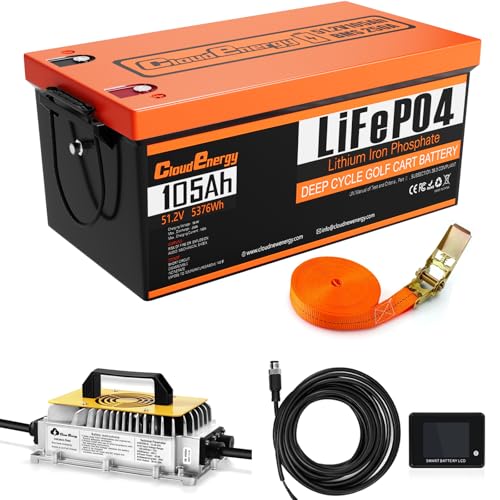
Cloudenergy 48V(51.2V) 105Ah LiFePO4 Battery

OGRPHY 48V Lithium Golf Cart Conversion Kit

LOSSIGY 48V Lithium Golf Cart Conversion Kit

OGRPHY 36V Lithium Battery 3.84KWh

TEMGO 36V (38.4V) 100Ah LiFePO4 Battery

DC HOUSE Metal Case 48V 100Ah Lithium Kit

TEMGO 48V (51.2V) 100Ah LiFePO4 Battery

Cloudenergy 48V(51.2V) 105AH LiFePO4 Battery
This refill leans toward maintenance rather than replacement, which makes it useful for carts still running lead-acid batteries. The 64 oz size matters because it gives you a larger supply for repeated top-ups, and that can suit a garage that keeps more than one cart in rotation.
The trade-off is simple, it’s for owners comfortable with battery care and not for anyone wanting a drop-in hardware swap. Compared with the lithium picks below, this one asks for more patience, but it can make sense for older carts that still have usable batteries with aging plates.
What We Like
- Targets lead-acid battery upkeep instead of forcing a full replacement.
- The larger refill bottle helps stretch through repeated maintenance sessions.
- Useful for carts, shop gear, and other 6, 8, or 12 volt lead-acid setups.
- Fits owners who prefer gradual care over a full system change.
Points To Note
- It only makes sense for lead-acid batteries, not lithium packs.
- You still need a hands-on maintenance routine, so it is less convenient than a sealed battery.
- Results depend heavily on battery condition and age, which is the honest catch.
Feature Rundown
Who It Suits Best
You get the most value here as a golf cart owner maintaining lead-acid batteries and wanting a refill that supports ongoing care.
Where A Sibling Pick Shines
Cloudenergy 48V(51.2V) 105Ah LiFePO4 Battery suits owners who want a sealed lithium upgrade instead of another maintenance product.
A 48V lithium pack like this changes the day-to-day routine fast, especially for carts that see regular neighborhood runs or longer rounds. The built-in 250A BMS, or battery management system, helps control charging and discharge behavior, and the mobile app plus touch monitor give you more visibility than a plain sealed pack.
That extra visibility matters in real use because you can keep tabs on state-of-charge without guessing. The retention strap is a small but useful detail for installs that move over rough paths, though the feature-heavy design also means there’s more to learn than with the simpler OGRPHY packs in this list.
Highlights
- LiFePO4 chemistry suits frequent use because it’s built for repeat cycling.
- The app and touch monitor make charge tracking easier in daily use.
- A 250A BMS adds a structured layer of battery control.
- The retention strap helps keep the pack secure in a cart bay.
- Good fit for owners moving away from heavier lead-acid setups.
Small Caveats
- The feature set adds setup steps compared with a plain battery.
- App-based monitoring can feel unnecessary for very simple carts.
- Lithium conversions work best when your cart wiring and charger plan are already sorted.
Details At A Glance
Built With In Mind
You fit this best as a golf cart owner who wants lithium convenience plus monitoring tools for regular use.
A Better Fit Elsewhere
Samorillo Battery Renew Solution 64 oz suits owners keeping lead-acid batteries alive instead of stepping into a full lithium conversion.
This kit leans hard toward power-minded conversions, and that shows in the 200A BMS and 1000A peak current figure. Peak current means the battery can handle short bursts above its usual output, which matters for carts that need a strong launch or utility loads that spike.
The touch monitor and included charger make the package feel more complete than a bare battery, which helps when you want a cleaner first install. Compared with the Cloudenergy pick, this OGRPHY setup reads more like a straight performance conversion than a monitor-first lifestyle battery.
Reasons To Buy
- Strong output specs suit carts with heavier acceleration demands.
- The included charger reduces the number of separate parts to source.
- The touch monitor gives you visible status information at a glance.
- Works well for golf carts and towing-minded utility uses.
Areas To Watch
- High-output hardware can be more than you need for a casual weekend cart.
- The conversion focus may mean more planning during installation.
- Owners usually benefit from matching the rest of the cart’s electrical setup carefully.
Spec Overview
Perfect Match For
You suit this kit best as a cart owner who wants strong output and a more complete conversion package.
Swap It Out When
TEMGO 48V(51.2V) 100Ah LiFePO4 Battery fits you better when you want a similar 48V upgrade with Bluetooth monitoring and a slightly more polished smart-battery feel.
Bluetooth control is the hook here, and that makes day-to-day battery checking feel less like a chore. A 200A Bluetooth BMS gives you a control layer that suits golf carts, RV use, and solar-oriented setups, so the pack has broader appeal than some cart-only options.
The 1000A peak current window gives it short-burst headroom, though the listing language suggests a setup that benefits from careful planning rather than a casual plug-in replacement. It sits close to the OGRPHY conversion kit in spirit, but this one leans more toward connected monitoring and cross-use flexibility.
Best Bits
- Bluetooth BMS support is handy for checking battery behavior from a phone.
- Useful across golf carts, RV setups, and solar-oriented installs.
- High peak current gives the pack room for short bursts of demand.
- Good fit for users who want monitoring without a cluttered dashboard.
Worth Noting
- The multi-use focus can make the listing feel less cart-specific.
- Bluetooth features are useful, but only for owners who plan to use them regularly.
- As with many conversion packs, installation planning matters.
Core Details
Whose Shelf It Belongs On
You fit this best as a golf cart owner who also wants the same battery to serve in RV or solar-style setups.
A Better Fit Elsewhere
Cloudenergy 48V(51.2V) 105Ah LiFePO4 Battery is the cleaner match for anyone who wants the most straightforward golf cart-first smart battery in this list.
This OGRPHY pack makes sense for older 36V carts that need a cleaner upgrade path without jumping to 48V. The 3.84kWh capacity, meaning the battery’s stored energy reserve, gives you a practical sense of runtime for golf-cart duty, yard work, or light towing.
The included 25A charger is a nice convenience, and the 200A BMS with 1000A peak current signals a setup aimed at steady use with short bursts of extra demand. Compared with the 48V options above, this one stays more grounded in 36V compatibility, which still matters for plenty of carts in the field.
Plus Points
- 36V format suits carts that aren’t ready for a full system change.
- The included charger simplifies the initial setup.
- 3.84kWh gives you a clear, usable energy figure for planning trips.
- Good for golf carts, solar projects, and trolling motor use.
Minor Gripes
- 36V compatibility narrows the fit compared with 48V picks.
- The larger output figures may be more than a casual cart needs.
- Installed weight and cable routing still matter during setup.
Feature Snapshot
Right Fit For
You fit this best as a 36V cart owner who wants a lithium upgrade with charger included.
Look Elsewhere When
TEMGO 48V(51.2V) 100Ah LiFePO4 Battery suits owners who are already moving into a 48V setup and want app-based monitoring too.
Smart monitoring is the point here, and the Bluetooth app plus LCD screen give you two ways to keep an eye on the battery. The 36V, listed as 38.4V, format also helps it sit naturally in carts that already run a 36V system, while the 200A Smart BMS adds a more managed feel.
The max 7.68kW output makes this feel a bit more serious than the OGRPHY 36V option, though the honest read is that not every cart needs that much headroom. It fits owners who like data on hand, especially in garages where the battery is checked often and used hard.
Bright Spots
- Bluetooth app support makes battery status easier to check.
- The LCD screen gives you local visibility without opening an app.
- 36V and 38.4V labeling helps clarify compatibility.
- Good for carts that see regular use and frequent status checks.
- The 200A Smart BMS suits more demanding electrical needs.
Softer Spots
- The feature set can feel busy for a simple weekend cart.
- App and screen features are useful, but only if you plan to use them.
- Some installations will need careful space planning around the battery bay.
Feature Card
Who Should Grab It
You fit this best as a 36V cart owner who wants smart monitoring without stepping up to 48V.
Reach For A Different Pick When
OGRPHY 36V Lithium Battery 3.84KWh suits you better if you want the same voltage class with a bundled charger and a simpler feature set.
The metal case gives this kit a sturdier feel than the softer-pack options in the list, and that matters in carts with exposed storage areas or rougher garage handling. The included 48V 18A charger and Bluetooth mobile app create a more complete setup, while the LCD monitor keeps status visible without digging through menus.
Peak current listed at 670A is lower than some of the more aggressive picks, so the appeal here is more about structure than bragging rights. That makes it a sensible fit for owners who want a neat, protected install and don’t need the flashiest power figures.
Standout Traits
- Metal housing adds a tougher feel for everyday handling.
- The included charger keeps the package more complete.
- Bluetooth app and LCD monitor help with quick checks.
- Strong fit for carts that need a tidy, protected battery bay.
Room For Improvement
- Peak current is lower than the most aggressive packs here.
- Metal housing can add weight, which matters during installation.
- Owners who want the most connected feature set may prefer a TEMGO model.
Technical Sheet
The Right Fit
You fit this best as a golf cart owner who wants a rugged case and a cleaner all-in-one upgrade.
Where Another Pick Suits Better
TEMGO 48V(51.2V) 100Ah LiFePO4 Battery suits you better if you want a higher-output 48V pack with more headroom and similarly modern controls.
This TEMGO model sits in the sweet spot for 48V conversions because it blends the higher 51.2V listing with a 100Ah capacity and a 200A Smart BMS. The Bluetooth app, LCD screen, and 58.4V 18A charger make it feel like a modern replacement rather than a bare battery swap.
The 10.24kW max output is the line that tells you this pack is built for carts with real demand, not just decorative upgrades. Compared with the DC HOUSE kit, this one leans harder into output and smart monitoring, which is useful for owners who want a cleaner, newer-feeling electrical system.
Upsides
- 48V and 51.2V labeling gives useful compatibility context.
- The 200A Smart BMS suits heavier cart use.
- Bluetooth app support makes monitoring more convenient.
- The LCD screen is handy in garages or storage areas.
- 10.24kW max output points to a more capable setup.
Things To Consider
- The higher-output design may be more than a casual cart needs.
- Smart features are useful, but they add setup and familiarity time.
- Higher-voltage conversions still reward careful charger matching and cable planning.
Core Details
Best Suited To
You fit this best as a cart owner upgrading to a modern 48V lithium setup with stronger output.
Skip It When
OGRPHY 36V Lithium Battery 3.84KWh makes more sense if your cart is still a 36V system and you want to stay there.
This Cloudenergy battery brings together a 105Ah LiFePO4 pack, a 250A BMS, and a 20A charger, so the package feels purpose-built for long-haul cart use. The mobile app and touch monitor give it the same modern control style as the other smart packs here, but the 3C discharge note points to stronger current delivery than a basic replacement.
The non-returnable shipping note is worth reading carefully, especially because the listing explains a damage-or-defect path through Your Orders. That trade-off is part of the ownership picture, and it makes this a better fit for shoppers who are comfortable confirming fit before ordering rather than after the box arrives.
Positives
- 105Ah capacity supports longer cart sessions between charges.
- The 250A BMS adds a strong control layer for daily use.
- Mobile app and touch monitor help with battery checks.
- The included 20A charger makes the package more complete.
- 3C discharge support suits carts that draw harder under load.
Trade Offs
- The non-returnable note means you should confirm fit before ordering.
- Damage reporting depends on a photo-based support process.
- Like the other lithium picks, installation planning still matters.
Feature Rundown
Who It Suits Best
You fit this best as a golf cart owner who wants a high-capacity 48V lithium pack with monitoring tools built in.
A Better Fit Elsewhere
Samorillo Battery Renew Solution 64 oz suits you better if your cart still uses lead-acid batteries and you want a maintenance product instead of a full lithium switch.
How To Choose The Right Battery For Golf Cart
Voltage First, Then Fit
Start with the cart’s voltage, because that decides whether you belong in the 36V group or the 48V class. A 36V cart usually needs a 36V battery solution, while many modern upgrades lean toward 48V or 51.2V lithium packs.
The useful part is that voltage is not just a label, it affects compatibility, wiring, and charger choice. Match that first, then look at capacity and control features so you don’t end up compensating for the wrong base system.
Capacity And Runtime
Capacity tells you how much energy the pack can hold, and that shapes how long you can drive before recharge. In cart use, higher Ah numbers generally help with longer rounds, neighborhood cruising, or utility trips around a property.
The trade-off is size, weight, and cost, because bigger packs usually ask for more space and a higher upfront outlay. A 100Ah pack makes sense for many owners, while 105Ah can be a smart step up for longer days or heavier loads.
Battery Chemistry And Maintenance
Lead-acid batteries still make sense for some older carts, especially when you’re keeping an existing setup alive with a maintenance product like the Samorillo refill. Lithium iron phosphate, or LiFePO4, is a different path, with lighter handling, smart battery controls, and less routine fuss.
That difference matters in real ownership. Lead-acid can reward careful upkeep, while lithium usually fits owners who want a sealed pack and a more modern charging routine.
Controls, Chargers, And Monitoring
Smart BMS units, Bluetooth apps, and LCD screens are not just extras, they help you understand what the pack is doing. A charger that matches the battery’s voltage and chemistry is equally important, because the battery and charger need to work as a pair.
These features are most useful for carts that see regular use or long storage gaps. Simpler setups can still work well, but smart monitoring helps you catch problems early and keep daily use less guessy.
What To Weigh Before You Order
Hidden Buying Traps
Many people focus on Ah and ignore the cart’s actual voltage, which is how mismatches happen. Another common miss is forgetting charger compatibility, especially during a move from lead-acid to lithium.
Installation space matters too. A battery that fits on paper can still be awkward in a crowded bay, so look at case shape, straps, and wiring room before you settle on a pack.
The Upgrade Payoff
Higher-tier packs usually cost more because they bundle smarter controls, stronger BMS ratings, monitoring tools, and more complete charger setups. You also see better materials in some cases, like a metal housing or a more polished display system.
The upgrade makes sense for carts that get frequent use, carry heavier loads, or need clearer battery status. For a casual weekend cart, a simpler option often does the job without paying for features that never get touched.
Frequently Asked Questions
Can You Replace Lead-Acid With Lithium In A Golf Cart?
Many carts can move from lead-acid to lithium, but voltage and charger match matter first. The cart’s wiring and battery bay also need enough room for the new pack.
What Does A BMS Do?
A BMS, or battery management system, helps control charging and discharge behavior inside a lithium battery. It adds structure to how the pack operates and can make status tracking easier.
How Much Capacity Do You Need?
For many everyday carts, 100Ah is a common starting point. Longer routes, heavier loads, and less frequent charging often justify going higher.
Is A Monitor Really Useful?
A monitor helps when you want quick battery status without guessing from performance alone. It is most useful for carts that get regular use or sit in storage between rides.
Do You Need A Matching Charger?
Yes, a matching charger helps the battery charge the way it was designed to charge. That matters even more during a voltage change or chemistry change.
Closing Thoughts
The right Battery For Golf Cart comes down to how your cart lives in the real world, not just on a spec sheet. Lead-acid upkeep still has a place for older setups, while LiFePO4 packs give you smarter controls, cleaner handling, and less routine fuss. Match voltage first, then look at capacity, charger pairing, and the way you actually use the cart. Once those pieces line up, the rest gets much easier.