Golf sim setups live or die by the surface under your club. You need the right mix of turf grip, mat thickness, tee support, and footprint, especially for basement bays, garages, and backyard cages where space is tight and repetition matters.
The seven picks below cover simple tee packs, full hitting mats, and simulator-specific turf for OptiShot 2 users. You’ll see where each one fits best, where it asks you to compromise, and which choice makes the most sense for your practice routine.
The Shortlist At A Glance

Ruyshu Plastic Golf Simulator Tees

Bltend Golf Mat 36mm 5x4ft/6x4ft

Ponsonbay Integrated Golf Hitting Mat with Ball Tray
Ponsonbay Integrated Golf Hitting Mat with Ball Tray

Rolitwils Golf Simulator Tees 24Pcs
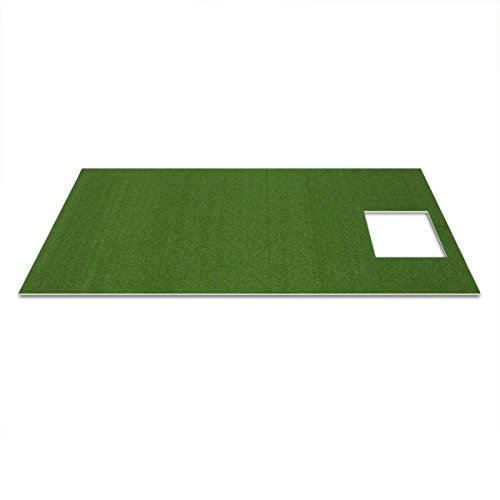
Orlimar Golf Mat for the OptiShot 2

All Turf Mats Super Tee Golf Mat
More Details On Our Top Picks
Ruyshu keeps the job narrow and useful, which is exactly what tee-only practice calls for. You get 20 plastic tees in two heights, so you can swap between driver work and shorter mat setups without forcing rubber into a mat slot.
That matters in a garage bay or winter net station, where broken tees waste time more than money. The trade-off is obvious, though, since you’re buying a tee pack rather than a hitting surface, so this suits golfers who already own a mat and want a cleaner setup.
Strong Points
- 20-piece pack gives you plenty of spares for repeated sessions.
- Two tee heights support both full swings and tighter mat work.
- Plastic build resists breakage better than many disposable wooden tees.
- Useful for indoor bays where loose rubber inserts feel awkward.
Things To Consider
- These are tees only, so you still need a mat or simulator surface.
- Plastic tees can feel firmer than wooden options at impact.
Feature Snapshot
Built With In Mind
You’ll get the most from this pack in a simulator bay, garage net, or winter practice corner where mat compatibility matters more than aesthetics.
Swap It Out When
All Turf Mats Super Tee Golf Mat suits golfers who want a real tee-box feel from the turf itself, not a separate tee pack.
Bltend leans into density and size, which is the right move for golfers who hit often and want a mat that feels planted. The 36 mm profile signals a thick hitting surface, while the 5×4 or 6×4 footprint gives you room for stance, ball placement, and repeated swings in a home bay.
Compared with the tee packs above, this is the part of the setup that does the heavy lifting. The honest read is that a thicker, larger mat takes more floor space and usually feels more committed as an installation, so it suits a garage or dedicated practice room better than a tight spare corner.
Bright Spots
- Dense artificial turf gives the mat a fuller, more substantial feel.
- 36 mm thickness adds cushioning under repeated practice swings.
- Large footprint helps with stance consistency and ball positioning.
- Better fit for golfers who spend long stretches on one surface.
Room For Improvement
- The larger size asks for real floor space.
- Thicker builds can be harder to move or store between sessions.
- Heavy-duty mats often need a flatter base to sit cleanly.
At A Glance
Who It Suits Best
Frequent practice golfers and home simulator owners get the most value here, especially in a garage or finished basement with enough open floor space.
A Better Fit Elsewhere
Orlimar’s OptiShot 2 mat is the cleaner match for a golfer building around that specific simulator base.
Once you move past basic mats, convenience starts to matter almost as much as turf quality. This Ponsonbay setup adds a ball tray and offers two thickness choices, 1.02 inches and 1.22 inches, so the station feels more organized without needing extra trays or loose accessories.
That setup is handy in a simulator nook where you want clubs, balls, and tees contained in one area. Compared with the Bltend mat, this one gives you a more integrated station, though the trade-off is that built-in convenience can lock you into a more defined layout.
Upsides
- Ball tray keeps practice gear more orderly.
- Three tees come included, which helps new setups start faster.
- Two thickness options let you choose the feel that suits your room.
- Works for indoor and outdoor practice spaces.
Softer Spots
- The integrated layout takes more thought during placement.
- Bulkier station-style mats usually need a level floor.
- Tray-based designs can collect dust and need regular wipe-downs.
Core Details
Right Fit For
Golfers who want a cleaner, all-in-one practice corner will get the most value here, especially in a home simulator with a fixed setup.
Look Elsewhere When
Bltend’s thicker 36 mm mat is the better call for golfers who want a larger standalone hitting surface and do not need a tray.
This Ponsonbay version keeps the same integrated concept but scales the footprint up to 6 x 5 ft, which gives you more room to work through stance and ball position. The 1.02 in thickness keeps the profile familiar, so the added size matters more than a radical change in feel.
That extra room is useful in shared spaces, where a 5 x 4 mat can feel just a bit tight once you add a tray and tees. The trade-off is straightforward: larger coverage makes placement more demanding, but it also helps the station feel less cramped for repeated practice.
Highlights
- 6 x 5 ft footprint offers more movement room than the smaller version.
- Ball tray keeps the practice area tidier between swings.
- 1.02 in thickness keeps the mat approachable for everyday use.
- Three included tees help you start practicing right away.
Points To Note
- The larger size asks for a wider setup area.
- Tray-and-mat systems can be less convenient to move often.
Details At A Glance
Who Should Grab It
Golfers with a dedicated bay or a wider garage lane will appreciate the added room, especially when more than one person uses the space.
Where A Sibling Pick Shines
The smaller Ponsonbay 5 x 4 mat fits tighter rooms better and asks less of your floor plan.
Rolitwils is built for the golfer who wants more tee count in a small, simple package. The 24-piece mix gives you 12 tall and 12 short tees, so the pack covers the same basic practice range as Item 1 but with a slightly larger total count.
That balance suits indoor nets, outdoor range work, and winter mat sessions where tee loss happens a little too easily. The honest read is that this remains a support item rather than a centerpiece, so it makes the most sense alongside an existing mat or simulator platform.
Best Bits
- 24 tees total give you a practical spare supply.
- Even split between tall and short tees supports varied practice.
- Plastic material is made for repeated use.
- Small pack size makes storage easy in a gear drawer or bag.
Small Caveats
- You still need a mat or turf surface underneath.
- Plastic tees may feel stiffer than wooden options.
Technical Sheet
Who Will Love This
Golfers who want a tidy tee stock for mat work, nets, or a backyard practice station will get the most from this pack.
Another Choice May Suit
Ruyshu’s 20-piece tee pack is the more direct fit for golfers who want the same two-height idea in a slightly smaller bundle.
Orlimar speaks directly to OptiShot 2 owners, and that focused fit is the whole point. The mat uses a pre-cut opening for the infrared sensor base sold separately, so the simulator platform sits where it should instead of forcing awkward alignment.
The foam backing helps keep the mat from shifting during swings, and the 3 x 5 ft size works for right- and left-handed golfers. Compared with the general-purpose mats above, this one is more specific and less flexible, which is exactly why it makes sense for a dedicated OptiShot room.
Reasons To Buy
- Made for OptiShot 2 setup, which saves guesswork.
- Foam backing helps the mat stay put during use.
- 3 x 5 ft footprint fits many home simulator corners.
- Works for both right- and left-handed swings.
Areas To Watch
- The OptiShot 2 sensor base is sold separately.
- The simulator platform sits above the mat surface, so setup needs some planning.
- Its purpose is narrower than the larger multi-use mats in this list.
Quick Facts
Made For
OptiShot 2 owners setting up a steady indoor practice space will find this the cleanest match in the group.
Skip It When
Bltend’s larger 5 x 4 or 6 x 4 mat makes more sense for golfers who want a broader stand-alone hitting area.
All Turf Mats goes after a more authentic tee-box feel, and the dense 1-inch nylon pile is the reason. Because it holds a wooden tee, the mat lets you set up driver and long-iron work in a way that feels closer to grass than the thinner practice pads above.
The size choices, from 2 x 1 ft to 10 x 5 ft, make this a flexible base for everything from a small hitting zone to a full practice area. One thing worth considering is that this feels more like a serious station piece than a grab-and-go mat, so it belongs in rooms where you want a lasting setup.
Standout Traits
- Dense 1-inch nylon face grips a wooden tee securely.
- Multiple size options help match the mat to your room.
- Urethane-coated backing supports a more finished build.
- Better suited to golfers who want a more tee-box-like strike zone.
Minor Gripes
- The higher-end build asks for a more committed setup.
- Larger size options can dominate a small practice area.
- Real-tee use means you’ll want to keep a steady stock on hand.
Feature Rundown
Whose Shelf It Belongs On
Golfers building a dedicated simulator room or a serious garage bay will appreciate the more authentic teeing surface here.
Reach For A Different Pick When
Orlimar’s OptiShot 2 mat is the smarter choice for a simulator setup built around that specific sensor base.
How To Choose The Right Golf Sim Turfs
Match The Surface To Your Practice Style
Golf sim turf works best when the surface matches the kind of repetition you actually do. Tee-only packs like the Ruyshu and Rolitwils sets suit golfers who already own a mat and just need cleaner tee placement, while full mats serve players who want one fixed strike zone for driver work, wedges, and simulator sessions.
Thickness matters because it changes both comfort and setup height. A 36 mm mat like Bltend’s gives a more substantial base, while lower-profile designs are easier to place in tighter rooms.
Think In Terms Of Space And Stability
Footprint is the first reality check. A 3 x 5 mat fits a compact home bay more easily than a 6 x 5 station, but the larger mat gives you more room for stance, ball placement, and repeat swings without feeling cramped.
Backing also shapes daily ownership. Foam and EVA backings help a mat sit still on a smooth floor, while urethane-coated bases point to a more finished, stationary build that suits dedicated spaces.
Choose Convenience Or Simulation Feel
Integrated trays, pre-cut sensor openings, and real-tee compatibility each solve a different problem. A tray keeps balls and tees organized, a simulator cutout makes sensor alignment easier, and a dense nylon face that grips wooden tees creates a more grass-like setup.
The catch is that each convenience narrows the use case a little. The more specialized the mat, the more you benefit from a fixed room and a consistent routine.
Balance Your Mat With The Rest Of The Bay
Your mat should fit the rest of your space, not fight it. If the room already has a launch monitor, net, or sensor base, the best choice is usually the one that works with that equipment instead of asking for extra adjustments.
That’s why the OptiShot 2 mat lands differently from the general-purpose picks. It gives up flexibility, but it returns a cleaner fit for a very specific simulator setup.
What To Weigh Before You Click
Common Shopping Slip Ups
The biggest mistake is treating every mat like a full simulator station. Tee packs are useful, but they don’t replace turf, and a compact mat won’t feel roomy enough for a wide stance if you swing hard.
Another common miss is ignoring floor conditions. Smooth concrete, basement carpet, and outdoor pads all behave differently, so backing and footprint matter more than a glossy turf photo.
What The Higher Tier Buys
More expensive mats usually spend the money on density, backing quality, and size choices. That can mean a more planted feel underfoot, better tee retention, and a surface that holds up better to repeated use in a busy home bay.
You also pay for specific design features like ball trays, simulator cutouts, or the ability to hold wooden tees. Those extras make sense when your setup is permanent or your practice volume is high.
Frequently Asked Questions
Do Golf Sim Turfs Need A Thick Mat?
Not always, but thicker mats usually feel more substantial and less sketchy under repeated swings. A thinner surface can still work well in a compact setup if the backing stays put.
Are Tee Packs Enough On Their Own?
No, tee packs help only when you already have turf or a hitting mat. They’re support gear, not a full practice surface.
Why Do Some Mats Include Ball Trays?
Ball trays help keep your setup tidier and reduce clutter near the hitting zone. That matters most in a fixed simulator corner where gear tends to pile up.
What Size Fits A Home Simulator Best?
Many home setups work well with a 3 x 5 or 5 x 4 footprint. A bigger room can justify 6 x 5 or larger, especially when you want more stance room.
Should You Match The Mat To A Specific Launch System?
Yes, special-fit mats are usually easier to place and line up correctly. The Orlimar OptiShot 2 mat is the clearest example of that kind of purpose-built match.
Closing Thoughts
The right Golf Sim Turfs choice depends on your room, your swing volume, and how much structure you want around the hitting area. For a simple setup, a tee pack can clean up the routine fast, while a dense full mat makes more sense once you’re practicing often in a fixed space. Dedicated simulator owners should pay closest attention to fit, because the right surface makes the rest of the bay feel orderly. Choose the option that matches your floor plan and the way you actually practice, not the one with the most parts.