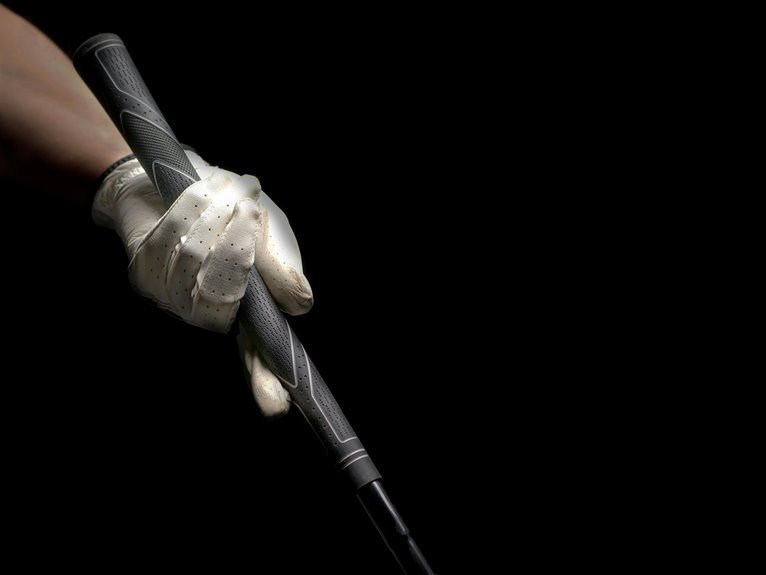

Golf rough shots can be handled with the right setup and a calm plan. Thick grass changes how the club moves through the ball. That means club choice, ball position, and swing length matter more than usual. A few smart tweaks can help you escape cleanly and keep the next shot in play.
Why Rough Shots Are Hard to Control
Even a decent swing can feel helpless in the rough because the grass grabs the club before it reaches the ball. You feel that drag change your swing rhythm, and the face can twist just as you need control.
With lie evaluation, you have to read how deep the ball sits, because one buried ball plays much slower than one perched up. The thicker the grass, the more it steals speed, loft, and clean contact.
Set Up to Hit the Ball Cleanly
A clean rough shot starts before the club moves, and your setup does most of the work for you. Once you settle in, trust simple setup strategies that help you stay balanced and calm.
- Put the ball a little forward for a cleaner strike.
- Shift a bit more pressure onto your lead side.
- Widen your stance just enough to feel steady.
- Make grip adjustments through choking down slightly.
These small choices help you cut through the grass instead of fighting it. You don’t need a perfect swing; you need a setup that gives your body a fair chance.
Hold the club firmly, keep your chest quiet, and feel like you belong over the ball. Then let the motion stay committed. That steady start can turn a messy lie into a shot you can live with.
Choose the Right Club for Rough Shots
Once your setup feels steady, the next smart move is to match the club to the lie, because the wrong choice can turn a tough rough shot into a bigger mess.
You want club selection that helps you escape, not fight the grass. Reach for a lofted club whenever the ball sits deep, since extra loft can lift it out faster and keep you in the hole with your group.
Should the lie look cleaner, you can use a shorter club for a calmer shot strategy and better control. Don’t chase distance here. Choose the club that gets you back in play with confidence.
Whenever you trust that choice, you’ll swing freer, stay patient, and feel less alone over a messy lie.
Adjust Ball Position in the Rough
Try shifting the ball a little forward in your stance as the rough feels thick and grabby. That small ball placement change can help the club meet the grass before the ball gets trapped. You’re not fighting the lie alone; you’re making a smart stance adjustment that gives you a better chance to escape with confidence.
- Move the ball just ahead of center.
- Keep your feet a touch wider.
- Press a little more weight into your front foot.
- Stay balanced so you feel in control.
When you set up this way, you make cleaner contact more often, and the shot feels less like guesswork. It also helps you stay calm, because good setup can turn a messy lie into a shared win for you and your game.
Make a Shorter, Controlled Swing
Because the rough can grab your club fast, you need a shorter, controlled swing that stays in charge from start to finish.
Keep your backswing compact, then let the club move in a smooth controlled motion so the grass can’t twist the face. You don’t need to swing hard; you need to stay balanced and make the short swing feel simple.
Grip the club a little firmer, keep your wrists calm, and turn your chest through the shot. That helps you stay connected, even as the lie feels stubborn.
Should you rush, the club sinks and the ball stalls. Should you stay patient, you give yourself a cleaner escape and a better chance to join the fairway crew again.
Use More Loft for Thick Rough
At the time the rough gets thick, you should reach for more loft because it helps the club lift the ball cleanly instead of digging in.
A higher-lofted club also gives you a steeper angle of attack, which makes cleaner contact much more likely.
In many cases, you’ll even need to choose one more club than usual so you can swing with confidence and still get the ball back in play.
Higher Loft, Cleaner Contact
A higher-lofted club can be your best friend in thick rough, especially at the time the grass is grabbing the clubhead like it has a grudge. You give the ball a better chance to pop out cleanly whenever you trust small loft adjustments and keep your swing tempo smooth.
That softer rhythm helps you stay connected, not fight the lie.
- Choose the most lofted club you can control.
- Keep your grip steady, not tense.
- Let the clubhead move through the grass.
- Expect less distance and more control.
You’re not trying to blast through everything. You’re helping the ball escape with a cleaner face strike, and that usually feels a lot better than wrestling the rough alone.
Steeper Angle Of Attack
Should the rough keeps grabbing the club, you need to help the club move down into the grass, not skim across it. You do that with steeper swings and calm angle adjustments, so the clubhead cuts through the trapped blades before impact.
Set your hands a touch forward, keep your chest over the ball, and let the shaft lean a bit more at address. Then swing with a sharper drop on the way down. That move helps the club stay below the grass and meet the ball cleanly.
It can feel bold at the outset, but you’re not alone there. Once you trust the motion, the ball pops out faster and with better control, and that rough stops feeling like a trap.
Choose More Club
Thick rough asks for a smarter club choice, and that usually means reaching for more loft than you’d use from the fairway. At the moment you trust club selection, you give yourself a better chance to pop the ball out cleanly and keep your round moving with the group.
More loft helps the face glide through grass instead of digging in and getting stuck.
- Pick a short iron or wedge.
- Expect less distance than normal.
- Make small swing adjustments.
- Keep your hands firm through impact.
That choice also calms your nerves, because you’re not forcing a hero shot. You’re choosing the club that matches the lie, not your ego.
Then your swing adjustments can stay simple, and your ball has a better path back to safety.
Hit Down Without Digging
You want to hit down on the ball, but not so hard that you dig a trench behind it.
Keep your angle of attack shallow enough to let the club strike ball initially, then turf second.
Once you stay in that forward shaft lean position, you’ll control the contact better and send the ball out cleaner from the rough.
Shallow Angle Of Attack
A shallow angle of attack lets you hit down on the ball without digging a trench in the turf, and that’s the key as the rough starts fighting back. You want a shallow swing that stays lively, not a chop that buries the club. With small angle adjustments, you can skim through the grass and keep the face moving.
- Stand a touch taller.
- Make a smoother turn.
- Feel the club enter less steep.
- Let the rough slow the club, not stop it.
That’s how you stay with the group as the lie looks messy and the shot feels mean. Trust your setup, keep your hands soft, and swing through with calm intent.
You don’t need heroics here, just a smart move that helps you escape cleanly and keep the round rolling.
Ball First, Turf Second
Now that the swing is staying controlled, the next step is to make sure the club meets the ball before it takes any turf. You can do that through checking ball position and setting it a touch back of center, so the club can strike cleanly.
Keep your swing plane steady and a little steeper, which helps the club cut through the rough without a deep gouge. Trust the feeling of hitting the ball initially, then letting the grass brush after it. That small brush matters. It keeps you from digging and helps the shot pop out with better contact.
Should the lie feel nasty, stay patient. You’re not alone out there, and this simple move gives you a real chance to get the ball back in play with confidence.
Maintain Forward Shaft Lean
Drive the handle slightly ahead of the ball, and you’ll make the club hit down without stabbing into the turf. At the moment you keep a forward shaft at address, you help the club meet the ball initially and trim the grass cleanly. That slight lean steadies your impact angle, so the head glides through rough instead of burrowing.
- Set your hands just ahead of the clubhead.
- Keep your chest quiet through impact.
- Pick a lofted club for easier escape.
- Trust a smooth, descending strike.
You don’t need a violent chop. You need a firm, simple motion that feels like your group is pulling you through the shot.
Stay balanced, and let the club do its job. As long as the shaft stays forward, you get cleaner contact and a calmer miss.
Open the Face for Tough Lies
One of the smartest fixes for a nasty rough lie is to open the clubface before you swing. As you face tough lies, that open face gives you room to launch the ball instead of digging deeper. Try small grip adjustments, then trust your swing mechanics and clubface control. Keep your hands calm, because this isn’t a panic shot, it’s a smart one.
| Move | Why it helps | Feel |
|---|---|---|
| Open face | Adds loft | Easy |
| Grip adjustments | Reduces twist | Steady |
| Angle adjustments | Cleans contact | Sharp |
You’ll also want to notice pressure distribution in your setup, since it supports cleaner contact without forcing the shot. With the right angle adjustments, you can turn messy rough into a playable strike and keep your shot confidence high.
Shift Your Weight for Better Balance
You want your pressure centered a little forward so the club can move down through the rough with control.
Keep your trail heel light as you swing, and let your lead side do the job so you stay steady through impact.
At the moment you finish over that lead side, you’ll feel more balanced and give yourself a much cleaner chance to pop the ball out.
Center Pressure Forward
A steady chest and a forward pressure point can change a rough shot fast. At the moment you keep center pressure moving toward the target, you help the club enter the grass cleaner and stay stable through impact.
Your forward stance gives you room to strike the ball before the turf grabs it. That small change can feel like joining a steady crew instead of fighting the lie alone.
- Set your pressure on your lead foot before you swing.
- Keep your chest quiet as your hips turn.
- Match your hands to a slightly forward setup.
- Trust a balanced finish, even from thick grass.
This setup helps you stay patient, make cleaner contact, and send the ball back into play with less stress.
Keep Trail Heel Light
Lighten your trail heel before the swing starts, because that small move can make a rough shot feel much steadier. You don’t need to lift it high, just let it stay soft so your weight distribution stays ready to move.
That light trail heel helps you turn through thicker grass without getting stuck or falling back. Then your body can stay balanced as you swing down and through the ball.
Keep your chest calm, your knees flexed, and your feet quiet. Should you feel pressure building in the trail side, ease off and reset.
This simple feel helps you stay connected to the shot, and it gives you a better chance to make clean contact as the rough tries to fight back.
Finish Over Lead Side
Drive your finish over your lead side so your rough shot feels more stable and more controlled. Once you commit to this finish technique, you help your body stay stacked and your clubface release more cleanly. That means less wobble, fewer chunks, and more trust as the grass gets nasty.
- Feel your chest turn toward the target.
- Let your weight settle on the lead side.
- Keep your trail foot quiet and light.
- Hold the finish and breathe.
If you rush off balance, the club can snag and leave you stranded. But as you finish tall and centered, you join the group of players who escape rough with calm confidence.
A solid finish technique gives you control, and that shared feeling of balance can make the next shot feel a lot friendlier.
Stop Trying to Muscle the Ball Out
As the ball drops into the rough, your initial instinct could be to swing harder and hope the club brute-forces its way through. But that move usually fights your muscle memory and breaks your swing mechanics.
You belong in the group that lets the club do the work, not the one that tenses up and loses balance. So soften your grip, trust your setup, and make a committed swing without extra squeeze.
At the moment you stay smooth, you keep the clubface more stable and the motion more repeatable. Consider it as controlled effort, not a brawl with the grass.
A calm tempo helps you stay connected to the shot, and that confidence makes the rough feel less like a trap and more like a problem you can handle.
Make Solid Contact From Deep Rough
Whenever you’re buried in deep rough, solid contact starts before the club ever moves. You fit in with better players as you set up with calm purpose and trust a simpler plan.
Keep your stance a touch wider, place a little more pressure on your lead side, and grip down for control. That helps your clubface control stay steady through the grass.
- Choose a lofted club.
- Set the ball slightly back.
- Hinge your wrists promptly.
- Keep your swing path steep.
Then swing through with firm intent, not panic. The rough will fight you, so let your body make the work easier. You don’t need a perfect strike, just a clean one that gets you back in the group and moving forward with confidence.
Handle Flyer Lies and Knuckleballs
Flyers and knuckleballs can feel unfair, but you can handle them once you spot the lie and adjust fast.
Whenever the ball sits up in the grass, treat flyer lies as lower-spin shots, so choose less club and keep your swing calm. The ball might jump and run, so aim for a safe landing spot, not the flag.
Then, in case the rough grabs the clubhead low, expect knuckleball shots that come out flat and skid. In that situation, use more loft, keep your hands steady, and trust a firmer finish.
You’re not alone out there; every player gets these odd lies. Stay patient, make the best choice, and give yourself a chance to walk away with a clean next shot.
Practice Rough Shots Smarter
After you learn to spot flyers and knuckleballs, the next step is making your rough practice feel more like the real thing. You’ll build trust faster as you rehearse with purpose, not just volume.
Set your ball in different rough heights, then change your target and club face position so your hands learn the feel.
- Use one wedge, then one iron.
- Vary swing tempo, but keep balance.
- Hit from thick and light grass.
- Reset after every shot like a round.
That routine helps you stay calm as the lie changes. You’re not chasing perfect swings; you’re training smart reactions.
Keep your eyes on the ball, make clean contact, and let each rep teach you where the club wants to move.
Common Rough Shot Mistakes to Avoid
One of the biggest rough-shot mistakes you can make is easing off the swing at impact, because the club slows down and the ball often stays trapped.
You also need to watch your ball position, since setting it too far forward or too far back can throw off your contact and send the shot weak or wild.
Should you clean up those two habits initially, you’ll give yourself a much better chance to get the ball out with confidence.
Decelerating Through Impact
Upon the rough grabs your club, the biggest mistake is to slow down through impact, because that loss of speed makes the grass win and the ball stay stuck. You need to trust your swing and keep moving through the strike.
Whenever you stall, deceleration effects wreck your timing and weaken impact mechanics, so the face twists and the ball barely escapes.
- Keep your chest turning.
- Finish with a firm, full follow through.
- Let the club stay fast through the turf.
- Commit to the shot, even though the lie looks ugly.
That steady motion helps you feel part of the group that gets out cleanly. Should you stay smooth and brave, the rough won’t bully you, and your next swing starts with confidence.
Ball Position Errors
Should you kept your swing moving through the rough, you’re already avoiding one big problem, but ball position can still ruin the shot before one even starts.
Should you set the ball too far forward, you might catch too much grass and lose clean contact. Should you set it too far back, you can dig in and send the ball low and weak.
Instead, place it a little back of center for control, or move it forward only once the lie sits up. These ball position mistakes are common errors, and they happen fast when you rush your setup.
Trust Your Rough Shot Adjustments
As you step into the rough, trust that small setup changes can save your shot and your nerves. You don’t need a miracle, just smart trust adjustments that build rough confidence.
Try these quick moves:
- Put the ball a touch back for a steeper strike.
- Widen your stance for balance.
- Grip down to shorten the club.
- Lean pressure forward so the club can cut through.
Next, match your swing to the lie. Should the grass sit tight, swing firmer and keep the face controlled.
Should it be buried, choose loft and accept less distance. Whenever you commit to these choices, you join the players who stay calm, keep moving, and get the ball back in play.
Frequently Asked Questions
When Should I Lay up Instead of Attacking From the Rough?
Lay up when the rough is too thick, the ball is sitting poorly, or the next shot is more important than forcing a low percentage recovery. Smart course management means choosing the safer play that keeps you in position.
How Do I Tell if My Rough Lie Is a Flyer Lie?
A flyer lie often shows up when the ball settles down in the grass but the clubface still looks clean at address, which can hide trouble. Check for grass trapped between the ball and the clubface, and stay alert when handling rough lies.
Should I Grip Down on the Club in Thick Rough?
Yes, gripping down a little in thick rough can help. It shortens the club, makes it easier to manage grip pressure, and can lead to cleaner contact. Choosing the right club as well will help you get out more reliably.
Why Does My Rough Shot Tend to Fly Right?
Your rough shot often drifts right because a steep swing through thick grass can leave the clubface open at impact. To correct it, use a shallower path, choose a club that helps you move the ball, and aim a bit left of your target.
What Club Is Best From Greenside Rough?
A lofted wedge is usually the best choice from greenside rough because it helps you get the ball up quickly and out of trouble. Choosing the right club and using a steeper swing can help you escape cleanly and keep the ball on the green.