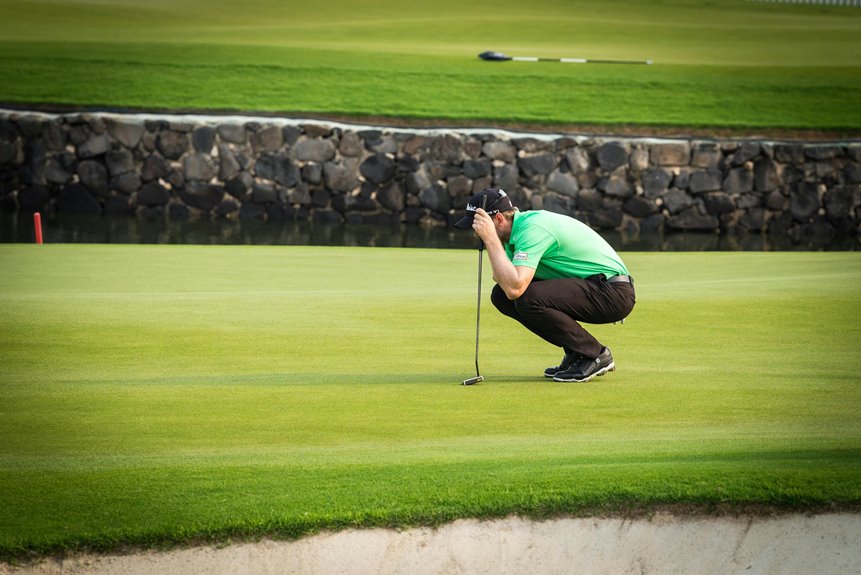

Smart golf decisions start before the swing. Read the hole, trust your eyes, and pick the shot with the best chance of success. Wind, lie, and trouble can change a club choice in a hurry. Patience wins some holes, while bold aim at the flag pays off on others.
What Smart Golf Decisions Look Like
Smart golf decisions start at the moment you stop chasing the perfect shot and start choosing the best one for the situation.
You build shot selection on calm risk assessment, not hope, and that keeps you in the round with the group. Then your club strategy matches the yardage you can actually hit, so your target awareness stays clear and simple.
Whenever you trust that plan, mental focus gets easier, because you’re not fighting yesterday’s miss or worrying about the next hole. Good course management means you pick the safer path often, and that choice helps decision confidence grow.
Over time, that steady mindset supports performance consistency, even while a shot doesn’t look pretty. You’re not alone out there; smart choices help you feel steady and ready.
Read the Hole Before You Choose a Club
Once you’ve settled into a calmer way of choosing shots, the next step is to read the hole before you ever pull a club. You do this best as you stand still, look from tee to green, and ask what the hole asks from you.
That small pause sharpens your hole strategy and keeps your club selection tied to the real shape of the shot. Notice where you want the ball to finish, not just where you want it to fly.
Then pick the club that fits that plan and gives you a clear next shot. As you ponder this way, you feel less rushed and more in step with the course.
You’re not guessing alone out there. You’re making choices with purpose, and that builds trust in your game.
Factor in Wind, Lies, and Hazards
Wind, lies, and hazards can change a good plan in a hurry, so you need to size them up before you swing. Start with wind effects, because a breeze can add or steal distance and bend your ball off line.
Then check lie evaluation. A ball above your feet, below your feet, or sitting in rough can change your swing path and contact.
Next, read the hazard guidance and choose a target that fits your game and the course conditions. Water, bunkers, trees, and slopes all ask for shot adaptability.
As you notice environmental factors promptly, you stay calmer and more in control. That’s how you join the golfers who trust their process and make smarter swings, one shot at a time.
Know When to Play Safe
You don’t need to chase every bold shot to make smart golf decisions.
Whenever the reward is small and the trouble is big, play the safer option and give yourself a cleaner next swing. That often means choosing position over distance so you can stay in control and avoid a big number.
Assess Risk Versus Reward
Risk and reward shape almost every shot in golf, and the smart player learns whenever to push and whenever to back off. You stay calmer whenever you use risk evaluation before you swing.
Ask what can go wrong, then weigh the reward analysis with honest eyes. If a bold shot only saves one stroke but brings big trouble, choose the safer path and keep the round steady.
That doesn’t mean you always play timid. It means you trust your game, pick the shot that fits your swing, and accept that smart golf can feel plain. Your group will respect that, because everyone knows one wise decision can save a card from turning ugly.
Whenever you commit with a clear mind, you give yourself a better chance to belong to the players who score well.
Prioritize Position Over Distance
Certainly! Here’s the modified text with the long paragraphs split:
—
Should the hole entice you to chase distance, the smart play often starts with position. You don’t need hero shots to belong out there; you need smart shot selection that keeps you in the game.
Use course awareness to spot trouble, then choose the club that gives you the best next swing, not just the longest one. That’s the heart of position strategy.
In case a driver brings bunkers, water, or rough into play, distance management means backing off a little and finding the fairway.
From there, your approach gets simpler, your nerves settle, and your scores can drop. Trust that playing safe isn’t timid. It’s a confident choice that lets you swing free, stay steady, and help your round feel a lot less like a scramble.
When to Attack the Pin
You should attack the pin only after you’ve checked its exact spot, the slope around it, and how much room you really have to miss.
Should the flag sit in a tight corner or near trouble, the smart play is to aim for the safer part of the green and let the putter do the rest.
At the time the reward is worth the risk, you can go right at it with full commitment and a clear plan.
Pin Location Analysis
A smart attack on the pin starts with the pin itself, because not every flag is begging for a hero shot. You fit your pin strategy to the day, then choose target zones that keep the ball below trouble and away from concealed slopes.
- Check where the pin sits on the green.
- Notice front, back, and side slopes.
- Pick the safest landing area near the hole.
- Trust the bigger green when the flag feels tight.
Whenever you read the flag well, you feel calmer and more in control with your group. That shared confidence matters.
Should the pin be tucked, use a wider target. If it’s open, you can be more direct. Either way, you’re making a smart golf call, not chasing luck.
Risk Reward Assessment
Even with a tempting flag, smart golf asks for a quick reality check before you fire at the pin. You build risk management with shot evaluation, not hope.
Initially, use a simple decision structure: check wind, lie, and distance. Then do a hazard assessment for bunkers, water, and trouble long or short.
Should the green give you space, stronger club selection can fit your scoring strategy. When the angle feels tight, keep mental clarity and trust course awareness over ego.
You’re not backing off; you’re choosing the smarter line for your group and your round. That choice helps you stay calm, committed, and ready for the next swing, which is where scores really move.
Safer Target Selection
As soon as the green gives you room, the safest target is often the smartest one, because golf rewards clean decisions more than brave guesses. You’re not playing alone out there; every smart golfer chooses a spot that fits the lie, wind, and your nerves.
- Pick safe zones that leave a simple putt.
- Aim to the fat side while trouble guards one edge.
- Check target depth, so the ball lands short of danger and releases well.
- Attack the pin only if the flag sits near open space and your club fits the yardage.
That choice keeps you in the game and helps you trust your plan. As your buddies fire at every flag, you can smile, stay calm, and play the shot that protects your score.
Common Golf Decision Mistakes to Avoid
One of the biggest golf mistakes is letting one shot control the next one. You know the feeling, but you can break it. Good club selection strategies keep you honest, while hazard management tips help you stay out of big trouble.
Whenever nerves jump in, watch for emotional decision pitfalls and return to shot execution focus. Then use mental game techniques to calm your mind and trust the next swing. You’ll also score better whenever you use risk evaluation methods instead of guessing.
In case recovery shot strategies are needed, pick the simplest option that moves you forward. Safe play principles matter because they protect you from crooked doubles and lost confidence.
Stay with your group’s calm rhythm, and you’ll make smarter choices more often.
Build a Simple Golf Decision Routine
As you build a simple golf decision routine, you give your mind a steady path to follow under pressure. Your decision making structure should be short, clear, and repeatable, so you feel like you belong to your own game plan.
Start with four checks:
- Find the safest target.
- Match the club to the real distance.
- Choose shot selection strategies that fit the lie.
- Commit before you swing.
This routine keeps you calm after a bad hole, because each shot stands alone.
Next, use the same words every time, so your focus narrows fast and your body stays ready. You won’t need fancy thoughts, just honest choices.
As you trust the process, you stop guessing and start playing with purpose, and that feels good.
Frequently Asked Questions
Should I Always Choose the Longest Club Available?
No, you should not always choose the longest club. Better results come from matching the club to the shot, the lie, and the next position, instead of relying on length alone.
How Do I Decide Between Laying up and Going for It?
Decide by weighing the hole setup and your own odds. If the shot is open and the reward outweighs the risk, take it. If water, bunkers, or a tough miss are in play, lay up and choose the safer shot to stay in position.
What Should I Do After a Bad Tee Shot?
After a bad tee shot, pause, assess your lie and the hazards ahead, then pick the simplest recovery shot that keeps the ball in play. Treat the hole as still playable, trust the plan, and make the next swing with purpose.
How Can I Estimate Carry Distance Over Hazards?
Estimate carry distance by measuring the exact yardage to the farthest edge of the hazard, then add a safety margin for wind, elevation, and the lie. Pick a club that reaches that number with room to spare, and swing with full commitment.
Does My Pre-Shot Routine Change for Putts and Chips?
Yes, your routine changes a little. Keep the overall structure the same, but adjust how you prepare for putts and chips. Since about 40% of golf shots come from the short game, a steady mind can help you stay controlled and score better.