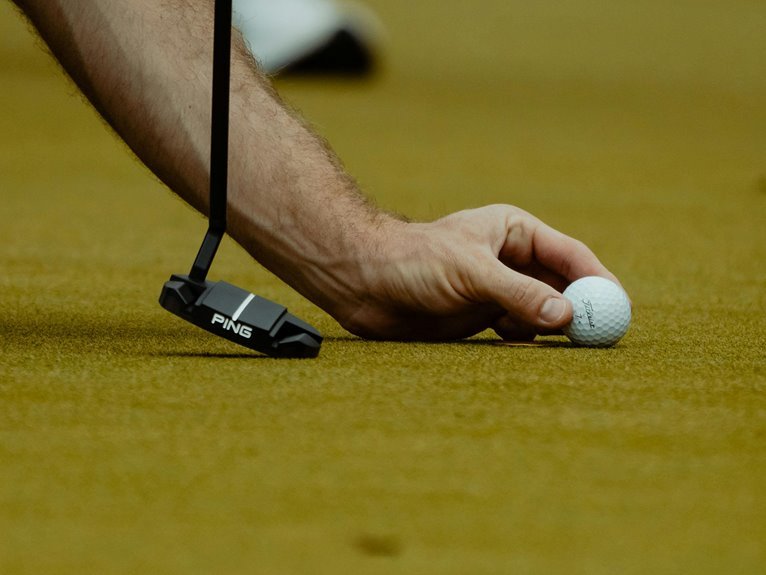

Golf clubface control starts with how the face lines up at impact. A square face sends the ball straighter and helps with cleaner contact. A slightly open or closed face can add slice, hook, or extra spin. Small grip and setup tweaks can change your results fast.
What Golf Clubface Control Means
The clubface is the part of the club that decides a lot more than most golfers believe. At the moment you learn clubface control, you learn how to guide the face so it stays stable through the swing.
That clubface stability helps you strike the ball with more confidence and less guesswork. You’re not trying to force every shot; you’re building impact precision so the face meets the ball in a clean, repeatable way.
Subsequently, your hands, wrists, and lead arm work together instead of fighting each other. As a result, you start to feel more connected to your swing and more welcome in the game.
With simple awareness, you can make the clubface your ally, not your mystery.
Why Clubface Position Affects Accuracy
Clubface position changes where the ball starts, so even a small tilt can turn a decent swing into a miss that feels oddly unfair. As you set better clubface alignment, you shape the initial instant of impact mechanics, and the ball listens fast. A square face helps you feel part of the fairway crowd, not the lonely trees section.
| Face at impact | Ball flight |
|---|---|
| Open | Starts right |
| Square | Starts on line |
| Closed | Starts left |
That tiny angle also changes contact quality, so your shot can feel crisp or thin. Once you learn why the face matters, you stop guessing and start trusting your swing. Then your next shot feels less like luck and more like yours.
How Your Grip Changes Clubface Angle
Because your hands sit on the grip, they help set the clubface before you ever reach impact. At the moment you turn your hands a little right, you create a stronger hold, and the face tends to close faster.
Turn them left, and the face stays more open. That’s why grip variations matter so much. A neutral to slightly strong grip usually gives you a friendlier starting point, and you can feel it on short shots initially.
You don’t need to squeeze harder; pressure doesn’t control the face as much as hand position does. As you learn this, impact mechanics become easier to trust because your hands guide the clubface with less guesswork.
Small changes can help you feel more connected, more steady, and more at home with each swing.
Set Up With Better Alignment at Address
A square clubface at address gives you a clean start, and it makes it much easier to send the ball on the line you want.
Check that your feet, hips, and shoulders match your target line, because even a small aim error can throw off an otherwise good swing.
At the moment your setup feels simple and balanced, you’ll trust your face angle more and swing with less second-guessing.
Square Clubface Setup
Upon setting the club down at address, a square face gives you a much cleaner start to the shot. You belong in that calm setup when your clubface alignment matches your target line. That simple check helps your impact positioning later, because the face is already ready to return square.
- Rest the leading edge behind the ball, not twisted.
- Match the logo or face mark to your target.
- Recheck the face after you grip the club.
Whenever you do this well, you feel less guesswork and more trust. Your hands can stay quiet, and your swing can start with purpose.
Should the face look right before you move, you’ll often hit the ball with better direction and a smoother strike. That’s the kind of small win that keeps you in the game.
Body Alignment Checks
Now that your clubface is sitting square, your body needs to match it, or the whole setup starts to work against you.
Check your body positioning initially: feet, hips, and shoulders should run parallel to the target line, not at it. That small change helps your swing feel natural and shared, like you’re part of the same crew at address.
Next, use quick alignment checks with a club or target stick, because your eyes can lie at the moment pressure kicks in.
Then make a slight stance adjustment should the ball position or shot shape needs it.
Keep your target focus soft but clear, so you aim with purpose, not tension.
Whenever your body and face agree, you start the swing with confidence and cleaner contact.
Square the Clubface at Impact
At the moment you square the clubface at impact, you give the ball its best chance to start on line and fly straight.
At the time you check clubface alignment before you swing, you protect your impact position and keep the face from wandering open or closed. That simple move helps you feel like you belong on the tee with better players, because the ball finally listens.
- A square face starts the shot where you aim.
- A stable lead arm helps keep the face quiet.
- Small face errors can send the ball far off line.
Drills to Improve Clubface Control
Should your clubface keep drifting open or shut, drills can help you calm it down and build trust in your swing. You’re not alone should the face feels tricky. Try these clubface drills for accuracy improvement and spin control:
| Drill | Benefit |
|---|---|
| Half-swings | Build face stability |
| Grip checks | Support grip adjustments |
| Wrist training pauses | Enhance impact awareness |
| Tempo counts | Smooth swing tempo |
Start with short shots, then repeat with your lead arm steady and your right arm relaxed. Feel the club return square, not rushed. As you practice, notice how the ball reacts, because that feedback guides your next move. Keep each rep simple, and you’ll create better face control without forcing it. Soon, your swing will feel more familiar, and that’s whenever confidence starts to stick.
How Face Angle Creates More Spin
Upon opening or closing the clubface, you don’t just change direction, you also change how the loft meets the ball, and that can add or reduce spin.
A more open face can raise spin loft, while a closed or cleaner, higher strike can keep spin lower and more controlled.
You also create a tilted spin axis, so the ball can curve more even though your swing feels solid.
Face Angle And Loft
A slightly open or closed face can add spin fast, and that extra twist starts with loft.
Whenever you pair face angle with loft adjustments, you change how the ball leaves the club and how much friction it grabs. You’re not just hitting harder; you’re shaping contact with intent, like the crew that knows its role.
- A more open face adds loft and can raise spin.
- A closed face lowers loft and can reduce spin.
- Small changes matter more than big, rushed moves.
Spin Axis Creation
Because the clubface points the ball at impact, it also helps create the spin axis that makes the shot curve. Whenever your face is open or closed, the ball tilts off its path, and that tilt adds spin. Your impact angle works with face angle, so a steeper strike can enhance the bend you see. You’re not alone whenever this feels tricky; every golfer learns it with feel and trust.
| Face Angle | Spin Axis | Shot Result |
|---|---|---|
| Open | Tilted right | Fade |
| Closed | Tilted left | Draw |
| Square | Small tilt | Straighter |
| Fast hands | More tilt | More curve |
| Clean contact | Stable axis | Better control |
Whenever you match the face to your path, you’ll feel part of the group that controls the ball, not the other way around.
Fix the Most Common Clubface Errors
Three clubface mistakes cause most mishits: an open face, a closed face, and a face that changes too much during the swing. You can fix them through checking clubface alignment before you start and through matching your impact position to the shot you want.
Whenever the face points right, the ball leaks right. Whenever it points left, the ball pulls or hooks. We’ve all been there, and you’re not alone.
- Set the face square to your target.
- Feel your lead arm steady the face.
- Make short swings and watch contact.
A simple grip check helps too, because hand position can quietly open or close the face. Then you’ll start seeing cleaner starts and a more trusted flight.
Build More Consistency in Every Swing
Whenever you want more consistency, you need to make the clubface do the same job over and over again. You can do that through keeping your swing tempo steady and your mental focus narrow.
Start with the same pre-shot routine, then match your body mechanics to the shot you picked. At the time you use the same setup, your hands and lead arm learn cleaner feedback loops, and the face squares up more often.
Visualization techniques help too, because seeing the target calms doubt and builds trust. Keep your practice frequency high enough to groove the motion, but stay smart with shot selection and course management.
Add balance drills so your finish feels solid, not rushed. Over time, that rhythm helps you feel like you belong over every shot.
Frequently Asked Questions
How Does Weather Affect Clubface Control During a Round?
Wind can twist the clubface open or shut, while humidity, temperature, and rain change how the grip feels and how much friction you get. To stay in control, you need a steady release, crisp contact, and clear adjustments that keep the shot on your terms.
Can Different Shafts Change How the Clubface Feels at Impact?
Yes, different shafts can alter the way the clubface feels at impact. Shaft flex, material, weight, and torque influence timing and feedback, shaping how clearly you sense the strike and how stable the club feels through contact.
What Practice Aids Help Golfers Monitor Face Angle Better?
You can use alignment sticks, face angle boards, and impact sensors to check how the clubface sits at setup and through impact. These tools show if the face is square, open, or closed, helping you groove more accurate and repeatable shots.
How Often Should I Check Grip Pressure While Practicing?
Check grip pressure every few swings during practice, and reset whenever shots start to feel tight or loose. This helps you stay relaxed, build consistency, and match the habit of skilled ball-strikers who pay close attention to feel.
Does Clubface Control Differ Between Irons, Wedges, and Woods?
Yes, clubface control changes with each club type. You manage face angle differently with irons, wedges, and woods because impact point and swing path vary. Practicing each club separately helps build shot consistency and confidence.