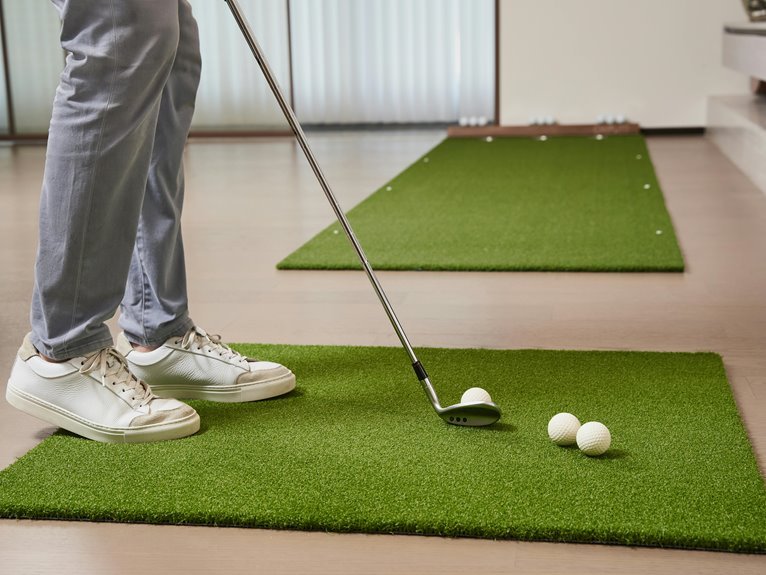

Getting your golf club length right can change how your whole swing feels. A club that fits your body and posture helps your hands settle naturally. That usually leads to cleaner contact and tighter misses. Wrist-to-floor measurement gives a better fit than guesswork, so your clubs match your swing.
What Does Golf Club Length Affect?
Whenever a club fits you well, your hands stay calm and your motion feels natural. That helps you strike the ball more solidly and keep your face steadier through impact.
Should the club feel too long or too short, your rhythm can slip, and the ball might wander. You deserve a setup that lets you swing with confidence, not fight the club.
Why Does Wrist-to-Floor Matter Most?
Wrist-to-floor matters most because it gives a more exact representation of how your clubs should fit your body.
Your wrist measurement and floor distance show how your arms hang, so you can match club length to your real setup, not just your height. That matters because two players can look the same size and still need different clubs.
Whenever the fit lines up, you stand more naturally, swing with less strain, and feel like you belong in the motion instead of fighting it.
It also helps you avoid clubs that feel too long or too short, which can throw off contact and confidence.
How to Measure Golf Club Length at Home
Measuring golf club length at home is easier than it sounds, and you only need a few simple tools to do it well. Grab a tape measure, a flat floor, and a steady wall, then keep your measuring technique calm and consistent. You’ll feel more confident whenever you follow the same club measurement steps each time.
- Place the club flat on the floor.
- Line up the heel with the wall.
- Measure to the end of the grip.
- Keep the club in its normal playing position.
- Write down each number right away.
This simple routine helps you join the many golfers who check fit before they head out. Should your numbers stay clear, you can compare clubs with ease and trust your setup.
How Height and Posture Affect Club Fit
Should you be trying to get the right golf club fit, your height and posture work together in ways that can either help your swing or make it feel awkward.
Should you be taller, a small height adjustment can keep you from bending too much. Should you be shorter, a shorter club can help you stand taller and stay relaxed.
But height alone doesn’t tell the full story. Your posture alignment matters because a rounded back or stiff knees changes how your hands reach the grip.
That’s why two golfers of the same height might need different clubs.
Whenever you match club length to both body shape and posture, you join the game with more comfort, better balance, and a swing that feels like it belongs to you.
Signs Your Golf Club Length Is Off
How can one tell at what point your golf club length is throwing off your swing? You’ll usually feel it before you see it.
Should your club length be off, your stance can feel cramped or stretched, and that creates real swing discomfort. You may notice these fitting signs:
- You grip down just to feel normal.
- Your posture starts to feel forced.
- You miss the center of the face often.
- Your shots bring extra performance issues.
- You feel less comfortable after a few holes.
At the time the fit is right, you feel like you belong over the ball.
At the time it’s wrong, your body keeps reminding you. Trust that signal. It’s not just a bad day, and it’s not all in your head. A small length mismatch can make golf feel harder than it should.
How Club Length Changes Swing Consistency
Club length can quietly change the whole rhythm of your swing, and you could feel it long before your scores show it.
Whenever the club matches your body, your swing mechanics stay simpler, so you repeat the same move with less effort. In case it’s too long, you might reach, lose balance, and guide the face instead of letting it flow.
In case it’s too short, you can crowd the ball and rush the motion. Either way, club control gets shakier, and small misses start to pile up.
The right length helps you set up calmly, turn with confidence, and strike the ball from the center more often. That steady feel matters because consistency grows when your body and club work like a team, not like strangers at the range.
When You Need a Custom Club Fitting
Should your swing speed keep changing, your clubs might no longer match the way you load and release the club.
You might also notice uneven impact patterns, with some strikes flying well and others feeling thin, toe-heavy, or heel-heavy.
That’s a strong sign you need a custom club fitting so your length matches your current swing, not the swing you’d last season.
Swing Speed Changes
A change in your swing speed can be the initial sign that your clubs no longer fit the way they should.
Whenever your motion gets faster or slower, club performance can shift with it, and you might feel less in control. That’s at the point a custom club fitting helps you stay in sync with your gear and your group.
- Faster swing speed could need a different shaft load.
- Slower tempo can benefit from easier club control.
- A fitter checks how your clubs match your move.
- Small length changes can support smoother contact.
- You deserve clubs that match your current game.
If you’ve gained strength, changed your tempo, or worked on speed, don’t guess.
Get fitted so your clubs feel like part of your game, not a fight against it.
Uneven Impact Patterns
When your strike marks keep drifting on the clubface, your clubs could be telling you something significant. You might feel close to a clean strike, yet the ball keeps finding the toe or heel. That pattern often means your current length doesn’t match your swing characteristics. A custom fitting helps you see where your impact zones really sit and why.
| Pattern | Likely Cause | Fit Clue |
|---|---|---|
| Toe hits | Clubs too long | Try shorter shafts |
| Heel hits | Clubs too short | Try longer shafts |
| Mixed marks | Poor match | Check posture and lie |
Whenever you belong in the right fit, your setup feels easier, your contact feels calmer, and your misses shrink. A fitter can compare your strike pattern, stance, and rhythm, then shape clubs that help you swing with more trust and less guesswork.
Frequently Asked Questions
What Club Length Works Best for Juniors?
For juniors, shorter clubs usually fit best, about 0.5 to 1 inch shorter, depending on junior sizing and swing mechanics. If you are 5 foot 3 and still growing, a shorter set can help you make cleaner contact and swing more naturally.
Do Left-Handed Golfers Need Different Club Lengths?
No, left handed golfers usually do not need different club lengths just because they swing left handed. The right length depends on height, wrist to floor measurement, and swing mechanics. Good fitting matters more than handedness.
How Often Should Club Length Be Rechecked?
Recheck club length every year to make sure your clubs still match your swing. A brief fitting can help you stay comfortable, swing with confidence, and keep your equipment aligned with your game.
Does Grip Size Change the Ideal Club Length?
Yes, grip size can indirectly influence your ideal club length because it can change how tightly you hold the club and how your swing works. If you need to grip harder or adjust your release, a slightly shorter or longer club may fit you better.
Can Club Length Affect Shot Shape?
Yes, club length can influence shot shape. If your setup is off, your swing mechanics can change and your ball flight can become less consistent. Fit the length correctly, and you are more likely to make cleaner contact and hit straighter shots with more confidence.