Golf tech now covers more than yardage. You’re also choosing launch monitors, handheld GPS units, smart sensors, and a few balls built for visibility or distance, so the real job is matching the gear to how you play. This roundup keeps the focus on practical use: range sessions, weekend rounds, indoor swing work, and carry-on friendly setups for travel.
Quick Look At The Shortlist

Voice Caddie VC300SE Golf GPS Rangefinder

Voice Caddie Portable Golf Launch Monitor and Swing Analyzer

Swami KISS 2.0 Handheld Golf GPS Ragnefinder
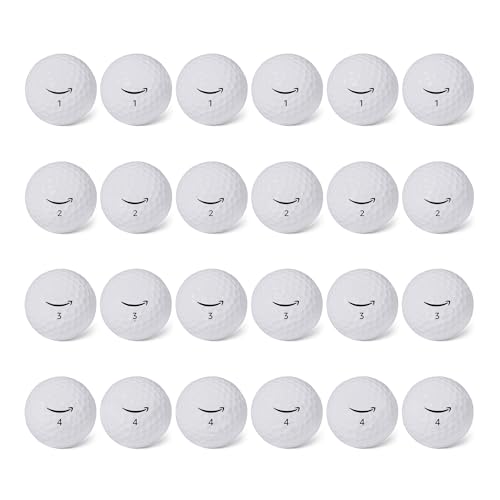
Amazon Basics Core Soft Golf Balls

Chromax High Visibility Distance Golf Balls 6-Pack


Zero Friction B52 Distance Golf Ball, 15Pk, White

Arccos Smart Sensors Automatic Golf Game Tracking System
More Details On Our Top Picks
Voice output changes the feel of this unit right away, because you can keep your eyes on the hole instead of a tiny screen. Front, middle, and back green distances also make club selection simpler on unfamiliar courses, especially on a busy tee sheet where pace matters.
The trade-off is straightforward, it leans toward core yardage help rather than deeper shot analytics. For golfers who want quick feedback in a cart or on foot, that simplicity is the point, and the wide course coverage helps it fit plenty of travel rounds.
Strong Points
- Voice readout keeps distance checks fast and low-fuss.
- Front, middle, and back yardages help with approach decisions.
- Works well for golfers who want plain course information without extra setup.
- Useful on new courses where green depth matters more than rough detail.
Things To Consider
- It focuses on distance info, not deeper swing or shot tracking.
- Voice output suits quiet cart rounds less well than silent handheld use.
- Screen-first golfers may prefer a model with more visual data density.
Key Specs
Who It Suits Best
Golfers who want quick voice-guided yardage in a simple handheld format benefit most from this model.
A Better Fit Elsewhere
Arccos Smart Sensors Automatic Golf Game Tracking System suits data-focused golfers who want broader shot history, not just hole distances.
This one shifts from course guidance to practice feedback, so it suits golfers who spend real time on swing work at home or at the range. The launch monitor format gives you shot data in a compact body, and the swing speed mode adds a useful drill option for living room sessions without a ball.
The battery claim matters for longer practice blocks, and that’s where the portability pays off for people who move between indoor nets, garage bays, and outdoor mats. It’s less of a pure course companion than the VC300SE, but much more relevant for mechanics, tempo, and strike repeatability.
What We Like
- Shot-data feedback supports structured range sessions.
- Swing speed mode adds a no-ball practice option.
- Portable format works for home setups and outdoor practice spots.
- Battery life support helps through longer training blocks.
- Better suited to skill work than a simple distance-only gadget.
Room For Improvement
- It serves practice better than on-course navigation.
- Serious ball-data users may want a system with a fuller analytics set.
- Space in a tight apartment swing area can still feel limited.
Feature Snapshot
Built With In Mind
Golfers who practice regularly indoors or outdoors and want feedback on swing speed and shot data get the most from this unit.
Another Choice May Suit
Voice Caddie VC300SE Golf GPS Rangefinder fits golfers who care more about round management than swing analysis.
The magnetic mount is the detail that changes daily use, because cart attachment can be faster than digging for a handheld in a side pocket. Two display modes and preloaded course data also keep it friendly for golfers who want clear yardage without a steep learning curve.
Compared with the Voice Caddie VC300SE, this one feels more hands-on and less voice driven, which suits players who like to glance rather than listen. The honest read is that cart golfers will likely get more convenience from it than walkers who want the lightest possible setup.
Upsides
- Integrated magnets make cart mounting simple.
- Two display modes help you choose the reading style you prefer.
- Preloaded course data removes a lot of setup friction.
- Blue finish gives it a clear, easy-to-spot look in a bag or cart.
Softer Spots
- Handheld use still means one more item to carry on foot.
- Display-first golfers may want more visual refinement than voice guidance.
- Magnetic mounting is most useful on carts, not every round setup.
Details At A Glance
Who Should Grab It
Cart golfers who want a simple handheld GPS with quick mounting and easy display options fit this model well.
Where A Sibling Pick Shines
Voice Caddie VC300SE Golf GPS Rangefinder suits golfers who prefer spoken distances and a more hands-free feel.
These sit in a different lane from the GPS tools, but they still belong in a practical roundup because you need something dependable for everyday rounds and practice. A soft-core construction usually means a friendlier feel off the face, which helps newer golfers and anyone who wants a calmer strike sensation.
Compared with the brighter Chromax and Vice Tracer options, this pick keeps the look plain and the use case simple. That plainness helps in a bag that already has enough gadgets, though you give up the visual tracking edge that some range-focused golfers like.
Best Bits
- Soft-core design supports a comfortable everyday feel.
- Simple styling works for golfers who want no-fuss basics.
- Good fit for range buckets and casual rounds.
- Clean look pairs easily with mixed practice gear.
Points To Note
- They do not offer the visual tracking help of high-visibility balls.
- Golfers focused on shot tracing may prefer a brighter cover.
- Plain styling gives you less feedback on ball flight at a glance.
Core Details
The Right Fit
Golfers who want a simple, soft-feel ball for practice rounds and casual play fit this option best.
Swap It Out When
Chromax High Visibility Distance Golf Balls 6-Pack suits you better when easy ball spotting matters more than a muted look.
Bright visibility is the point here, and that matters on open fairways, in fading light, or anywhere your ball likes to disappear into rough. A 6-pack format keeps the set manageable, which works well for golfers who want a few premium-looking balls without carrying a full sleeve rotation.
Compared with the Amazon Basics balls, these lean harder into ball tracking, so they make more sense for players who watch ball flight closely. The trade-off is that the vivid look may feel a little loud to golfers who prefer quiet, traditional equipment styling.
Positives
- High-visibility finish makes spotting the ball easier in flight and on the ground.
- Distance-focused build suits golfers who want a more energetic long-game profile.
- 6-pack format keeps the purchase compact for casual bag storage.
- Strong fit for players who lose time searching for muted-colored balls.
Small Caveats
- Bright styling is not subtle, so it suits some bags better than others.
- Distance focus may matter less than feel for touch-game specialists.
- Visibility helps most in open air, less in dense tree lines or heavy shade.
Feature Rundown
Whose Shelf It Belongs On
Visibility-minded golfers who want easy-to-track distance balls in a modest pack size fit this option well.
Look Elsewhere When
Vice Tracer Golf Balls suit golfers who want a different visual style with a similar tracking-friendly intent.
The Tracer name hints at the main appeal, because balls that are easier to follow can make a range session feel less chaotic. That matters on windy days or at courses with deep rough, where visual feedback helps you understand shot shape faster than a muted white ball usually does.
Compared with Chromax, this pick leans more toward clean visual tracking than pure flash. The honest read is that golfers who already like to study flight windows will get more out of it than someone who just wants a basic pack for occasional play.
Highlights
- Tracer styling helps with ball-flight visibility.
- Useful for golfers who like to follow shot shape closely.
- Simple product name and presentation keep the choice straightforward.
- Works well for practice sessions where visual feedback matters.
Areas To Watch
- Visual tracking value depends on lighting and course backdrop.
- Golfers who like subdued gear may prefer a plainer ball.
- It speaks more to observation than to technical shot data.
Feature Card
Who Will Love This
Golfers who pay attention to ball flight and want easier visual tracking in practice or casual rounds suit this pick well.
Where Shoppers Go Wrong
Amazon Basics Core Soft Golf Balls make more sense for shoppers who want simple everyday play and softer feel rather than tracking cues.
A 15-pack changes the math for frequent range users, because you spend less time restocking and more time keeping a steady practice rhythm. The white finish is classic and easy to read, which helps golfers who already have a preferred alignment routine and just need volume.
Compared with the 6-pack Chromax, this is the more practical storage play for golfers who burn through balls quickly. The trade-off is simple, larger count means less novelty, so it suits repetition-minded practice better than casual one-ball-at-a-time rounds.
Reasons To Buy
- 15-ball count works well for frequent practice sessions.
- White color keeps the look classic and familiar.
- Good fit for golfers who want fewer restock runs.
- Distance orientation matches range work and long-shot practice.
Worth Noting
- Large pack size makes sense only when you use balls often.
- Classic white styling gives you less visual separation than bright-color options.
- Range-focused use matters more here than polished short-game feel.
Quick Facts
Best Suited To
Frequent practice golfers and range regulars who want a larger count of straightforward distance balls fit this pack well.
Reach For A Different Pick When
Chromax High Visibility Distance Golf Balls 6-Pack suits you better if visibility matters more than pack volume.
This is the most data-heavy pick in the group, and you can feel that from the feature set alone. Automatic game tracking, GPS rangefinder functions, and smart club distances make it a serious fit for golfers who want a fuller picture of how each round unfolds.
Compared with the VC300SE and Swami KISS 2.0, Arccos leans harder into tracking depth than simple yardage access. The catch is that more capability usually means more setup attention, so it suits golfers who enjoy analyzing rounds rather than keeping things ultra-light.
Best Bits
- Automatic tracking reduces the need for manual note-taking.
- Smart club distances help with more informed club choice.
- GPS rangefinder function brings course context into the same system.
- Good fit for golfers who like reviewing patterns across multiple rounds.
- Feature depth makes it a natural upgrade for detail-oriented play.
Minor Gripes
- Greater feature depth usually brings a steeper setup curve.
- Golfers who want a single yardage read may find it more involved than needed.
- Automatic systems work best when you’re comfortable staying consistent with your routine.
At A Glance
Perfect Match For
Data-minded golfers who want automatic round tracking and club-distance insight fit this system best.
Skip It When
Voice Caddie VC300SE Golf GPS Rangefinder suits golfers who want simpler distance guidance with less setup attention.
How To Choose The Right Gps Tracked Golf Balls
Match The Tool To The Round
A handheld GPS rangefinder and a smart tracking system solve different problems. Yardage-first golfers want fast front, middle, and back readings, while data-driven players benefit more from systems that log shots, club use, and patterns over time.
Think About The Way You Play
Cart golfers usually benefit from magnetic mounting or voice output, because those features reduce fuss during a round. Walkers may prefer lighter, simpler gear that stays quiet in a pocket and gives a quick glance without adding clutter.
Balance Practice Needs Against Course Needs
Launch monitors make the most sense for indoor nets, garage mats, and swing drills. Standard balls still matter for normal play, especially when you want a familiar feel, a distance-oriented flight, or high visibility during range sessions.
Look Past The Flashy Feature
A long feature list can hide a poor fit for your routine. The better question is whether you need live shot data, easy yardage, or just a dependable ball that won’t complicate your bag.
A Quick Reality Check
Hidden Buying Traps
A common mistake is chasing extra data when you only need simple yardage. Another is choosing bright or tech-heavy gear that looks useful online but adds clutter on course day.
The Upgrade Payoff
Higher-tier GPS and tracking models usually cost more because they bundle multiple functions into one device. That upgrade makes sense for golfers who review rounds often, work on swing patterns, or want a single system for both play and analysis.
Frequently Asked Questions
Are Gps Tracked Golf Balls the same as GPS rangefinders?
No, the phrase gets used loosely, but the products in this roundup cover both GPS tools and golf balls. Rangefinders and tracking systems give distance or shot data, while the balls focus on visibility or distance.
Which pick works best for beginners?
Voice Caddie VC300SE Golf GPS Rangefinder is the simplest starting point for course yardage. Amazon Basics Core Soft Golf Balls also suit newer golfers who just want an easy everyday ball.
Do smart sensors help more than a basic GPS unit?
They do, but only for golfers who want round history, club-distance context, and broader shot tracking. For a quick yardage check, a simpler handheld GPS unit is usually enough.
Which option is best for practice sessions?
Voice Caddie Portable Golf Launch Monitor and Swing Analyzer fits practice work best. It gives you a training-focused setup instead of just on-course distance help.
Which ball pack is easiest to manage for frequent use?
Zero Friction B52 Distance Golf Ball, 15Pk, White is the most practical for heavy practice volume. The larger count means fewer restock runs and steadier range sessions.
Final Thoughts
The right choice depends on whether you want yardage, tracking, practice feedback, or just a dependable ball for everyday play. Voice Caddie and Arccos cover the tech side, while Chromax, Vice Tracer, Amazon Basics, and Zero Friction cover the ball side with different priorities. Pick the format that fits your routine first, then worry about the finer details. That’s the part that usually keeps the purchase useful long after the first round.