You want gear that trims guesswork on the course, whether you’re pacing a local nine or riding all 18 with a cart mount in place. GPS units and GPS speakers solve the same basic problem from different angles, distance data stays close at hand without slowing your pace. The mix below also includes one electric cart, since convenience can start with transport before you ever check yardage.
The range here covers voice readouts, slope-adjusted numbers, touchscreen layouts, magnetic mounting, and bigger speaker-driven setups. That spread makes it easier to match your round style, your cart setup, and how much visual detail you want while moving from shot to shot.
The Shortlist At A Glance

Voice Caddie VC300SE Golf GPS Rangefinder

Bushnell Golf Phantom 3 Slope GPS, Red/Blue
Bushnell Golf Phantom 3 Slope GPS, Black

Swami KISS 2.0 Handheld Golf GPS Rangefinder, Blue

Bushnell Golf Wingman View Golf Speaker

MGI Zip Navigator All Terrain Electric Golf Cart
MiLESEEY GeneSonic Pro Golf GPS Speaker
Bushnell Golf Wingman HD GPS Speaker
Voice output changes the pace here. The VC300SE suits golfers who want front, middle, and back green numbers without staring at a screen between shots, especially on brisk rounds or when you keep the cart moving. It also covers a large course library, which helps traveling players who rotate between clubs.
The trade-off is plain: audio-first tools reduce visual detail. That makes this a cleaner fit for straightforward yardage checks than for players who want slope, hazard mapping, or a richer screen layout. Compared with the Bushnell Phantom 3 units below, it feels more direct and less feature-heavy.
Strong Points
- Voice readouts keep yardage close without breaking your rhythm.
- Front, middle, and back numbers help on approach shots.
- Large course coverage suits travel and weekend play alike.
- Simple operation makes it friendly for first-time GPS users.
Things To Consider
- Audio-first design leaves less room for detailed visuals.
- No slope-based distance guidance is listed here.
- You’ll still need to keep it charged and stored dry like any handheld unit.
Feature Snapshot
Who It Suits Best
Walking golfers and casual riders who want plain spoken yardages without extra screen clutter will get the most from it.
Where A Sibling Pick Shines
Bushnell Golf Phantom 3 Slope GPS, Red/Blue fits better for golfers who want a touchscreen and slope-adjusted distances in a compact handheld.
This one leans into the screen. A touchscreen GPS makes yardage checks feel cleaner on the move, and the slope-adjusted numbers give extra context on hilly holes, which matters more on uneven parkland courses than on flat tracks. The magnetic cart mount is a practical touch for riders who want the unit within easy reach.
Compared with the Voice Caddie VC300SE, you trade audio guidance for a more visual, cart-friendly setup. That’s a solid exchange for golfers who like to glance, tap, and move on, though a touchscreen can be more exposed to scuffs than a simpler button-only unit.
What We Like
- Touchscreen layout gives quick access to yardage details.
- Slope-adjusted distances help on uphill and downhill shots.
- Magnetic mounting keeps it handy on a cart frame.
- Compact handheld form stays easy to carry.
Points To Note
- The visual interface asks for more attention than voice-first options.
- Magnetic mounting works best on clean, stable cart surfaces.
- Touchscreen care matters, especially in dusty bag storage.
At A Glance
Made For
Golfers who ride often and want a quick visual readout with hill-aware distances will find the fit strongest here.
Another Choice May Suit
Voice Caddie VC300SE Golf GPS Rangefinder suits walkers who prefer spoken yardages over a screen-first layout.
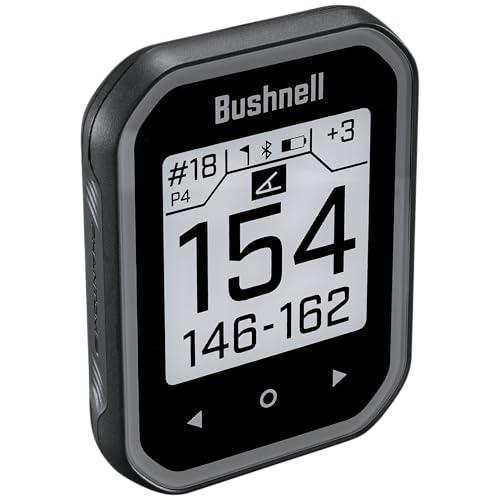
The black version follows the same formula as the red and blue Phantom 3 Slope, but the finish is more subdued. That matters for golfers who like equipment that disappears a little more against a bag or cart setup. The touchscreen, slope numbers, and magnetic mount still make it a good fit for riders who want quick visual confirmation.
It sits close to the Red/Blue model in function, so your choice here is mostly about appearance. The honest read is that you are paying for the same core workflow, which is useful, but it does not open up extra capability beyond the sibling model.
Highlights
- Muted black finish suits a cleaner cart setup.
- Touchscreen control makes quick checks easy.
- Slope-adjusted yardages help on uneven holes.
- Magnetic cart mount keeps the unit visible during play.
Areas To Watch
- Functionally close to the red and blue version.
- Touchscreen care still matters in bag storage and transport.
- No voice output for golfers who want spoken distances.
Details At A Glance
Who Will Love This
Players who want the Phantom 3 layout in a darker finish and spend most rounds in a cart will appreciate it most.
Look Elsewhere When
Voice Caddie VC300SE Golf GPS Rangefinder suits golfers who want spoken yardages and a simpler display path.
Swami keeps the idea simple, and that can be a relief on busy rounds. Two display modes and preloaded course data give you the basics without forcing a lot of menu time, while the integrated magnets make it easier to park on metal surfaces during cart rounds. For golfers who want less screen fuss than the Bushnell Phantom models, that simplicity has real appeal.
The trade-off is obvious: simple usually means less room for extra layers of detail. You may also want to handle the casing with care in a crowded bag, since compact handhelds can get knocked around more than larger cart-mounted units.
Bright Spots
- Two display modes keep the interface flexible.
- Integrated magnets help during cart rounds and range stops.
- Preloaded course data reduces setup friction.
- Blue finish gives it a clear, easy-to-spot look.
Small Caveats
- The simpler layout may feel spare to detail-focused players.
- Compact gear needs thoughtful storage in a packed golf bag.
- No extra screen or audio features are specified here.
Quick Facts
The Right Fit
Golfers who value quick checks, easy setup, and a compact body will get the clearest use from it.
A Better Fit Elsewhere
Bushnell Golf Phantom 3 Slope GPS, Red/Blue suits golfers who want a touchscreen and slope-adjusted yardages in the same handheld form.
Wingman View pushes beyond a plain GPS unit by blending speaker duties with audible and visual yardage information. That combination makes sense on a cart, where one device can handle music and distance checks without crowding the dash area. Hazard detection adds another layer for golfers who want a fuller picture before pulling a club.
Compared with the Phantom 3 pair, this is less about a dedicated handheld and more about a multi-purpose cart companion. The catch is that multi-use gear can feel busier, so it suits golfers who actually want the audio side instead of treating it like excess.
Upsides
- Speaker and GPS functions live in one cart-friendly unit.
- Audible and visual distances cover different preference styles.
- Remote control adds convenience during a round.
- Magnetic cart mount helps keep the unit visible.
Softer Spots
- More features mean more menus to learn.
- Cart-mounted use matters more here than pocket carry.
- Audio-focused gear may feel unnecessary to minimalists.
Core Details
Best Suited To
Cart golfers who want a speaker, yardage readouts, and remote handling in one setup will find the strongest fit here.
Reach For A Different Pick When
Voice Caddie VC300SE Golf GPS Rangefinder suits golfers who want a lighter, audio-first rangefinder without the extra speaker layer.
This is the transport-first choice in the lineup, and that changes the conversation. The 36-hole battery support and remote control make sense for long rounds or hilly courses where pushing a cart gets old fast, while accessory points for a drink, umbrella, and GPS phone hint at practical daily use. You may find it most compelling when convenience matters more than pocketable tech.
Compared with the handheld GPS units above, this is larger, heavier, and aimed at a different kind of round. The upside is obvious once you’re walking less and managing less gear, though storage and vehicle space become part of the equation.
Best Bits
- Remote control reduces the effort of moving the cart.
- Long-battery support suits extended rounds.
- Accessory points help keep essentials organized.
- All-terrain framing fits uneven fairways and rough paths.
Room For Improvement
- Requires more storage and transport space than handheld units.
- Electric carts bring more upkeep than a small GPS device.
- Not the right fit for golfers who want a pocket-size solution.
Feature Rundown
Whose Shelf It Belongs On
Players who want a powered cart for repeated full rounds and have room to store it will get the clearest value here.
Swap It Out When
Swami KISS 2.0 Handheld Golf GPS Rangefinder, Blue suits golfers who want a smaller, simpler handheld instead of a full electric cart.
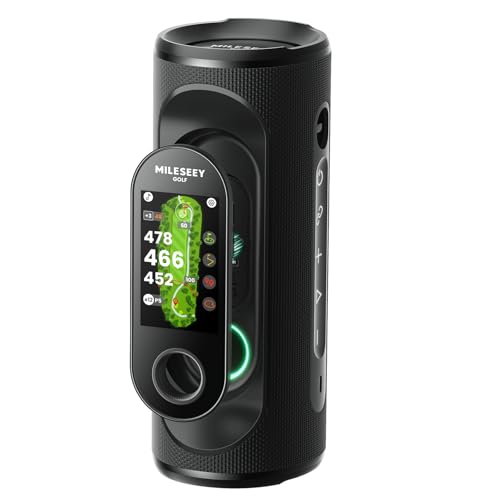
GeneSonic Pro tries to cover more ground than the simpler handhelds, and it does so with a detachable GPS rangefinder, a color touchscreen, and both visual and audible yardage output. That detachable design is useful for golfers who split time between cart rounds and walking rounds, because one setup can travel between both styles more easily. The 15-hour battery and IP67 rating give it a more work-ready profile, especially in damp or dusty conditions.
Compared with the Bushnell Wingman View, this feels more focused on golfer utility than entertainment. The trade-off is that flexibility comes with more parts and more to manage, so it fits best for golfers who actually use the extra functionality.
Reasons To Buy
- Detachable rangefinder adds flexibility across round styles.
- Color touchscreen improves at-a-glance readability.
- Audible and visual yardage support different preferences.
- 15-hour battery suits long practice days and full rounds.
- IP67 rating helps it stand up to dust and water exposure.
Honest Caveats
- More functions mean more parts to keep track of.
- Feature depth may feel unnecessary for casual players.
- Touchscreen and detachable pieces deserve careful storage.
Technical Sheet
Built With In Mind
Frequent golfers who want one unit for cart days, walking rounds, and travel courses will get the best match here.
Where A Sibling Pick Shines
Bushnell Golf Phantom 3 Slope GPS, Red/Blue suits golfers who want a simpler handheld without the detachable setup.
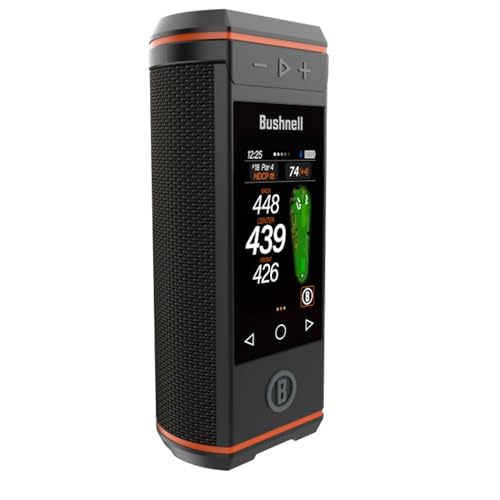
Wingman HD is the broadest cart-side setup in the group, with a 3.5-inch color touchscreen and 360-degree audio working together on the same unit. That larger display gives you more room for visual checks, while the audio side covers yardage and hazard context without requiring constant attention to the screen. For riders who like one central device on the cart, the layout feels tidy and purposeful.
Compared with Wingman View, this one leans harder into display space and audio coverage. The trade-off is size and complexity, so it makes the most sense for golfers who actually want a fuller cart station rather than a minimalist setup.
Standout Traits
- 3.5-inch touchscreen gives more room for details.
- 360-degree audio supports clear yardage delivery on the cart.
- Visual and audible distances cover different habits.
- Hazard and GreenView support adds useful course context.
- Magnetic mounting keeps the unit in a convenient spot.
Minor Gripes
- Larger cart gear takes more room than handheld units.
- More features can mean more setup attention.
- Touchscreen upkeep matters in dusty bag or cart storage.
Feature Card
Perfect Match For
Cart golfers who want a larger screen, strong audio coverage, and a single device handling most round-day needs will like this best.
Not Your Match When
Voice Caddie VC300SE Golf GPS Rangefinder suits golfers who prefer a small, spoken-yardage unit with less visual emphasis.
How To Choose The Right Gps Golf Carts
Match The Format To Your Round Style
Start with how you actually move around the course. A walker usually gets more value from a compact handheld like the Voice Caddie VC300SE or Swami KISS 2.0, while a cart rider often benefits from the magnetic mounting and larger screen space on the Bushnell Wingman models.
That split matters because screen access, control placement, and pocket carry all change the experience. The right format should disappear into your routine, not slow it down.
Pay Attention To Distance Presentation
Some models speak yardage, some show it, and a few do both. Voice output helps when you want to keep your eyes forward, while a touchscreen gives more room for hole information and quicker menu checks.
Slope-adjusted distances also deserve attention because they add hill context that plain yardages do not. For golfers on flatter home tracks, that feature may feel less essential, but for rolling courses it can be the difference between a tidy choice and a blind guess.
Think About Mounting, Storage, And Handling
Magnetic cart mounts are handy, but they assume you spend time in a cart and have a clean metal surface. Handheld units are easier to move between bags and rounds, though they ask for better storage habits because screens and casings take more incidental wear.
Larger cart speakers and electric carts add convenience, but they also need more room in the garage, trunk, or cart storage area. That’s the hidden cost of comfort, and it’s worth facing before you decide.
Let Course Coverage And Battery Shape The Choice
Course libraries matter most to golfers who travel or play a wide mix of layouts. A larger mapped-course count helps reduce the risk of landing at a track your device doesn’t recognize, which is a real annoyance on golf trips.
Battery life becomes more important the more features you stack on. Simple yardage units can stay lean, while speaker-based devices, touchscreen units, and the electric cart all ask for more planning around charging and daily upkeep.
What To Weigh Before You Click
Where Shoppers Go Wrong
The common mistake is chasing extra features that never leave the bag. A golfer who only wants quick yardages does not need a cart speaker with hazard readouts, and a rider who wants a cart companion will feel frustrated by a bare-bones handheld.
Another slip is overlooking mounting style. Magnetic attachment is handy on a cart, but it solves nothing for a walker who wants something pocketable and light.
The Upgrade Payoff
Higher-tier models usually cost more because they bundle larger displays, more course coverage, better audio systems, and tighter cart integration. You are paying for convenience, not just more numbers on a spec sheet.
The upgrade makes sense for frequent players, traveling golfers, and anyone who uses a cart on most rounds. For casual weekend play, the simpler units in this list can already cover the main job well.
Frequently Asked Questions
Do I Need Slope Adjustment For Every Course?
No, but it helps on hilly tracks where uphill and downhill shots change how yardages feel. Flat courses make the feature less central, though it can still add useful context.
Are Voice GPS Units Easier To Use On Foot?
Yes, spoken distances let you keep moving without looking down for every shot. That makes them a natural fit for walkers and players who dislike screen clutter.
What Makes A GPS Speaker Different From A Handheld Rangefinder?
A GPS speaker combines yardage output with audio playback, so it does more than one job on the cart. A handheld rangefinder usually stays more focused on distance data and portability.
Does A Magnetic Cart Mount Matter Much?
It matters most for riders who want quick placement and easy visibility. Walkers tend to care less, since a pocketable or handheld unit is usually more practical.
Why Would You Choose An Electric Golf Cart Instead Of A GPS Unit?
An electric cart is about reducing physical effort and organizing gear for the whole round. It makes sense when transport comfort matters more than compact size or handheld convenience.
Final Verdict
Your best choice comes down to how you play, not just how many features a unit carries. Voice Caddie and the Swami keep things simple, the Bushnell Phantom and Wingman models lean into cart-ready convenience, and the MiLESEEY adds flexibility for golfers who want more from one device. The MGI cart sits in a separate lane entirely, aimed at transport comfort rather than yardage alone. Match the tool to your routine, and the course feels a lot less cluttered.