Golf wrist training aids make sense for you when timing, hinge, and face control keep drifting out of sync. The right brace or trainer can make that break point obvious, especially on the range, in the backyard net, or during short-game work where wrist shape matters most.
Some of these picks focus on instant feedback, while others lean on alignment, grip position, or hinge control. That spread matters, because a beginner, a weekend player, and a serious practice grinder usually need different levels of structure.
Quick Look At The Shortlist

Tac Tic Wrist Over Glove Golf Swing Training Aid

GAIARENA Golf Training Aid Wrist Hinge Trainer Brace
Precision Impact Golf Training Aid
GreenHaven Golf Wrist Hinge Training Aid Swing Correcting Trainer Tool
GreenHaven Golf Wrist Hinge Training Aid Swing Correcting Trainer Tool
Golf Swing & Golf Grip Trainer with Arm Band for Right & Left Handed

PEUTIER Golf Swing Alignment Brace

Golf Wrist Brace, Golf Wrist Training Aid
More Details On Our Top Picks
This one goes straight at wrist breakdown, which makes it useful for range sessions where your hands get too active. The over-glove format keeps the feedback close to the hand, so the cue shows up fast during drives, chips, pitches, and putts.
It also works for either hand, so you don’t have to sort through handedness complications. The honest trade-off is that a very direct feedback aid can feel blunt at first, especially for golfers who want a softer training cue.
Strong Points
- Instant feedback makes wrist collapse easier to notice.
- Useful across full swings and short-game work.
- Either-hand use adds flexibility for different practice setups.
- Simple format suits home nets and range buckets.
Points To Note
- The direct cue can feel abrupt until you adapt.
- Over-glove wear means sizing and placement matter.
- It gives structure, but it won’t build a full swing on its own.
Feature Rundown
Who It Suits Best
Beginners and occasional players who want an obvious wrist cue will get the most from it.
Where A Sibling Pick Shines
GAIARENA Golf Training Aid Wrist Hinge Trainer Brace suits golfers who want lead-wrist positioning spelled out more clearly.
GAIARENA takes a more guided approach than the Tac Tic, because it focuses on the lead wrist rather than broad swing feedback. For right-handed golfers, that means it belongs on the left wrist, which is the side doing a lot of the setup work through impact.
The sizing guide is useful here, since wrist fit can make or break comfort during repeat drills. You may find the added structure especially helpful in mirror work or slow-motion practice, though the trade-off is less freedom than a lighter cue-based aid.
Upsides
- Lead-wrist placement is spelled out clearly.
- Multiple size options help with fit selection.
- Strong structure suits deliberate practice sessions.
- Helpful for building repeatable wrist position habits.
Small Caveats
- Less forgiving than a simple feedback tool.
- Fit depends on measuring your wrist carefully.
- It suits guided drills better than casual swings.
Core Details
Built With In Mind
Beginners who want a clear lead-wrist cue in structured practice will fit this brace well.
Another Choice May Suit
Tac Tic Wrist Over Glove Golf Swing Training Aid is the better match for golfers who want faster, broader feedback across multiple parts of the swing.
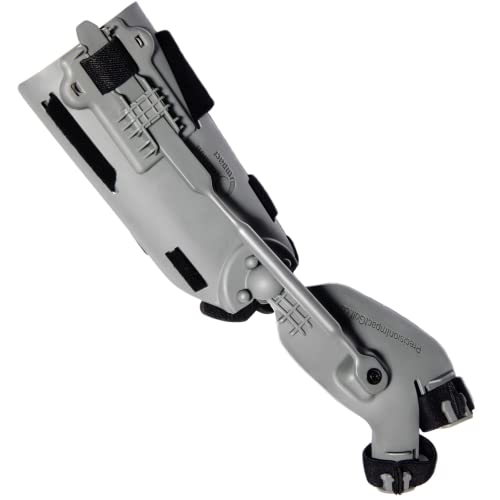
Precision Impact is the most direct pick in this group for golfers chasing a tighter impact feel. The right-handed design matters because it narrows the use case, but that also lets the training cue stay focused rather than generalized.
Compared with Tac Tic and GAIARENA, this one reads more like a focused ball-striking aid than a broad wrist-position tool. That makes it a stronger fit for structured practice, though left-handed golfers will need to look elsewhere.
Best Bits
- Built around impact and compression cues.
- Focused design supports repeatable right-handed drills.
- Useful for golfers who want a narrower training target.
- Can fit putting and swing practice routines.
Areas To Watch
- Right-handed use only narrows the fit.
- Specialized focus may feel too narrow for casual practice.
- Less versatile than multi-hand trainers in this roundup.
Technical Sheet
Right Fit For
Right-handed golfers who care about impact feel and ball compression will get the most from it.
Swap It Out When
Golf Wrist Brace, Golf Wrist Training Aid from Ncultro suits golfers who want a more adjustable support-style trainer.
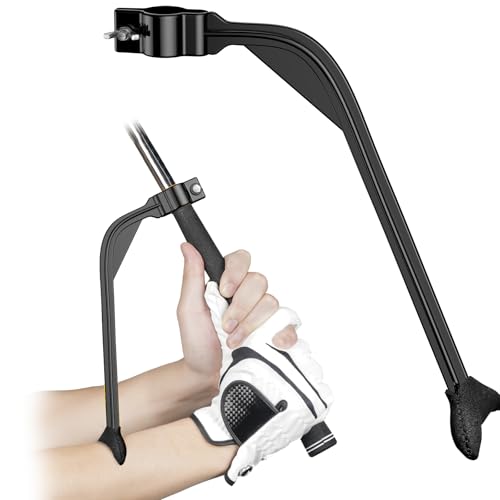
GreenHaven moves back toward a basic swing-correction role, which is useful for golfers who want a simple practice aid without a lot of moving parts. The yellow, black, and red color mix makes it easy to spot in a gear bag, and that sounds small until you’re digging through a range tote between buckets.
Compared with the more structured GAIARENA brace, this one feels easier to fold into ordinary iron work and driving-range sessions. The compromise is that a simpler correction tool usually asks more from your own discipline, so it rewards repetition more than it explains every detail.
Bright Spots
- Simple setup fits regular practice routines.
- Color contrast makes the tool easy to spot.
- Good match for iron drills and range work.
- Low-friction design suits repeated sessions.
Worth Noting
- Less explanatory than more guided braces.
- Relies on your own consistency during drills.
- Basic format may feel sparse for detail-oriented golfers.
Details At A Glance
Who Should Grab It
Golfers who want a plain, range-friendly correction aid will find this one easy to slot into practice.
Look Elsewhere When
PEUTIER Golf Swing Alignment Brace is the better fit for golfers who want a softer neoprene feel during drills.
This GreenHaven listing lands in the same family as the previous pick, so the real difference is less about headline features and more about which stock-keeping entry you prefer. That makes it a practical backup choice for shoppers comparing the two GreenHaven versions side by side.
For everyday range drills, the appeal is the same: a straightforward trainer that supports wrist shape and elbow posture without asking for a lot of extra setup. The honest caveat is that the source details stay sparse, so the fit story matters more here than any long feature list.
Positives
- Simple correction aid for repeat drills.
- Useful for golfers who like direct visual cues.
- Shares the same easy range-friendly profile as the sibling pick.
Honest Caveats
- Source details are limited, so comparison leans on basic fit.
- Offers less context than brace-style trainers.
- Best treated as a simple practice helper, not a full teaching system.
Feature Card
Whose Shelf It Belongs On
Golfers who want a simple GreenHaven correction tool and don’t need many extra features will be comfortable here.
Where A Sibling Pick Shines
GAIARENA Golf Training Aid Wrist Hinge Trainer Brace is the stronger match for golfers who want clearer wrist-size guidance and lead-wrist direction.
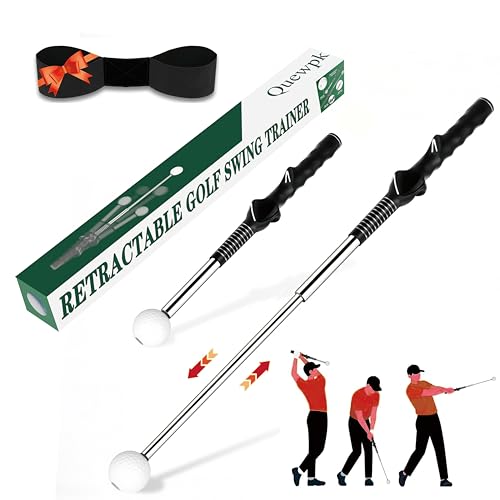
Quewpk takes a broader route than the other picks, because it combines swing work, grip correction, and an arm band in one trainer. The retractable click cue gives you a very clear signal, which can help in indoor sessions where space is tight and rhythm matters more than ball flight.
Unlike the simpler GreenHaven tools, this one is built to serve both right- and left-handed golfers. That flexibility is useful in shared practice spaces, though the broader feature set also makes it feel a little more involved than a bare-bones hinge trainer.
What We Like
- Click feedback gives a clear practice cue.
- Grip correction and swing work live in one tool.
- Fits both right- and left-handed golfers.
- Works well for indoor drill routines.
Areas To Watch
- More features mean a bit more to learn.
- Shared use can require extra adjustment between golfers.
- Indoor focus may feel less specialized for full-range practice.
Quick Facts
Perfect Match For
Golfers who want one trainer that covers grip, arm position, and click feedback will get strong utility here.
Reach For A Different Pick When
Tac Tic Wrist Over Glove Golf Swing Training Aid makes more sense for golfers who want a simpler, more direct wrist cue.
PEUTIER is the softest-feeling option in this roundup on paper, because neoprene usually aims for comfort and light structure rather than rigid correction. That can help during long practice blocks, especially for newer golfers who want a brace that feels less bossy than a hard trainer.
The downside is obvious enough: softer gear can ask for more self-checking, especially when you are trying to hold a shape through repeated iron swings. Still, for beginners who want a gentle alignment cue, that balance often makes sense.
Reasons To Buy
- Neoprene material points toward comfortable wear.
- Alignment style suits early-stage swing learning.
- Simple package keeps the focus on practice.
- Easy to slot into beginner drill routines.
Minor Gripes
- Soft structure may feel less directive than firmer braces.
- Basic source detail leaves some fit questions open.
- More self-monitoring is needed during longer sessions.
Spec Overview
Best Suited To
Beginners who want a comfortable, low-pressure training brace will likely appreciate this one.
Where Shoppers Go Wrong
Golf Wrist Brace, Golf Wrist Training Aid from Ncultro is the stronger choice for golfers who want adjustable support with a splint inside.
Ncultro is the most support-oriented pick in the list, and that changes the use case immediately. The adjustable wrist format plus the internal splint suggests a steadier hold than the lighter cue-based options above, which matters for golfers easing back into structured practice.
The elasticized fabric should feel more forgiving than a hard shell, but the trade-off is that this category tends to ask more attention to fit and wear. For golfers who want support on either hand, the flexibility is a real plus, though it also makes this less of a pure swing lesson tool than Tac Tic or GAIARENA.
Highlights
- Adjustable design helps dial in wrist support.
- Internal splint adds structure during drills.
- Fits left- and right-handed use.
- Elasticized fabric should feel more forgiving than rigid support.
Room For Improvement
- More support means more attention to sizing and comfort.
- Less focused on swing cueing than simpler trainers.
- Support-first design may feel like overkill for casual practice.
Feature Rundown
The Right Fit
Golfers who want the most support-heavy trainer in this roundup will find the Ncultro brace worth a look.
Skip It When
Tac Tic Wrist Over Glove Golf Swing Training Aid is better for golfers who want lighter, more immediate swing feedback instead of brace-style support.
How To Choose The Right Golf Wrist Training Aids
Match The Aid To Your Fault Pattern
The right pick depends on what your wrist does wrong first. Tac Tic and Precision Impact lean hard into feedback, while GAIARENA and Ncultro focus more on structure and hold.
That split matters because a golfer who flips the wrists late in the downswing needs a different tool than one who simply loses shape at setup. For practice that happens on a net or at a quiet range bay, direct cueing usually teaches faster, while a brace-style aid gives more guardrails.
Check Fit, Hand Orientation, And Comfort
Handedness is a bigger deal here than in many training categories. Precision Impact is right-handed only, GAIARENA is built for the lead wrist, and Ncultro works on either hand.
Comfort also changes how often you reach for the aid. Neoprene feels gentler, while firmer braces can hold position more aggressively, so the trade-off is usually comfort versus control.
Think About Practice Setting
Indoor drills reward compact trainers with obvious cues, like Quewpk’s click feedback. Outdoor range sessions can handle a little more structure, especially when you want to rehearse setup, takeaway, and wrist hinge in one sequence.
For short-game work, Tac Tic stands out because it covers chipping, pitching, and putting, not just full swings. That makes it a practical choice for golfers who split their practice time instead of living on the driver range.
Decide How Much Guidance You Want
Some aids tell you exactly when the wrist breaks down, while others just hold shape and leave the learning to you. The more guidance you want, the more likely you’ll prefer click feedback or a brace with a defined hinge position.
Less guided tools usually feel easier to wear and simpler to store, but they ask for more self-correction. That’s the real balancing act in this category, and it’s the part that separates a useful training aid from an expensive drawer item.
What To Weigh Before You Choose
Mistakes Worth Dodging
Too many golfers shop for wrist trainers without checking handedness first. That gets messy fast with right-hand-only designs like Precision Impact or lead-wrist braces like GAIARENA.
Another common miss is choosing a trainer that matches the wrong level of structure. A softer brace such as PEUTIER can feel better for long sessions, but a golfer who wants obvious correction may need something firmer.
Where The Extra Money Goes
Higher-tier options usually add more structure, clearer feedback, or broader use cases. Quewpk brings click feedback plus grip correction, while Ncultro adds an internal splint and adjustable support.
That extra build complexity matters most for golfers returning to regular drills, shared households, or anyone who wants a trainer that does more than nudge the wrists. The premium isn’t just about materials, it’s about how much guidance the tool gives you during practice.
Frequently Asked Questions
Do golf wrist training aids work for beginners?
Yes, especially the brace-style picks that guide wrist shape and lead-hand position. GAIARENA and PEUTIER make the learning curve less chaotic.
Can you use these aids for putting?
Some can, especially Tac Tic and Precision Impact. Their feedback style carries over into short-game work more naturally than rigid support braces.
Is a click-feedback trainer better than a brace?
It depends on your practice goal. Click feedback teaches timing and rhythm, while a brace focuses more on holding position.
Which pick is easiest to share?
Quewpk and Ncultro are the most flexible for mixed-handed households. Both work on either hand, which keeps them useful for more than one golfer.
Do you need a strong trainer for casual range sessions?
Not usually. Simple tools like GreenHaven often make more sense for light practice and routine repetition.
Final Thoughts
Your best match depends on how much structure you want in your practice. Tac Tic and Quewpk give you clearer cues, GAIARENA and Ncultro add more physical guidance, and GreenHaven stays simple for regular range work. For beginners, that usually points toward a more guided brace. For golfers refining wrist control, the feedback-heavy picks are easier to build around. Choose the one that fits the way you actually practice, not the one with the longest feature list.