Golf walking bags earn their keep on long practice days, quick nine-hole rounds, and par-3 loops where you want less bulk and more movement. You need a bag that carries cleanly, stands without fuss, and keeps clubs, balls, tees, and weather gear where you can reach them fast. The eight picks below cover stripped-down carry options, pocket-rich stand bags, and more polished choices for golfers who walk often.
Quick Look At The Shortlist

uniHimal Lightweight Stand Carry Bag

uniHimal Lightweight Stand Carry Bag

uniHimal Lightweight Stand Carry Bag

Cobra Ultralight Sunday Golf Bag

GoHimal 14-Way Lightweight Golf Stand Bag

Taylormade Golf 2023 Classic Stand Golf Bag

Taylormade Golf 2023 Classic Stand Golf Bag
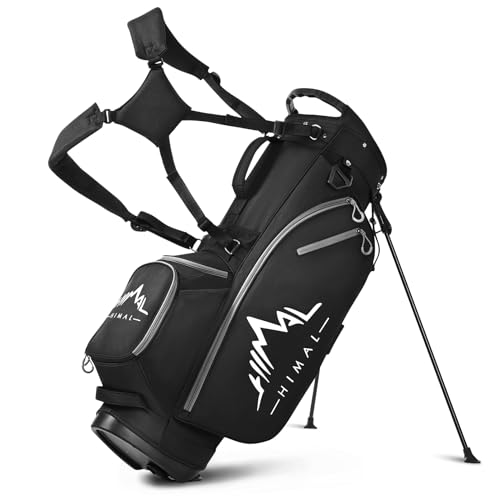
GoHimal Lightweight 14-Way Golf Stand Bag
More Details On Our Top Picks
uniHimal keeps this one stripped back for short walks, range sessions, and par-3 loops. The 31.5-inch height matters because it points to a smaller footprint, which helps when you want less bag bulk beside your legs or in a cart basket.
The honest read is that this style suits golfers who value movement over storage. Compared with GoHimal’s pocket-heavy bags later in the list, this one looks better suited to a lighter setup and less gear juggling.
Strong Points
- Light carry form keeps the load simple for walking rounds.
- The shorter body is easier to manage in tight car trunks.
- Good fit for practice sessions where you carry fewer clubs.
- Less bulk can feel less tiring on shorter walks.
Small Caveats
- Storage looks modest, so it suits pared-back setups better than packed ones.
- Shorter bags can feel limited for golfers who like extra accessory space.
Feature Snapshot
Who It Suits Best
Short-course golfers and driving-range regulars get the most out of this lighter carry format.
A Better Fit Elsewhere
GoHimal Lightweight 14-Way Golf Stand Bag suits golfers who want more pocket organization and a more feature-rich walking setup.
This version mirrors the same compact carry format as Item 1, but the added protection plan changes the ownership story. For golfers who leave gear in a trunk, locker room, or shared garage, the coverage notes bring a little more peace of mind around mishaps and breakdowns.
The trade-off is straightforward, since the bag itself is still built around a pared-down walking profile rather than a storage-heavy design. That makes it a smart fit for practical shoppers who want simple use plus a cushion for unexpected damage.
What We Like
- Same small-footprint carry style as the other uniHimal models.
- Protection-plan details add an ownership buffer for accidental mishaps.
- Useful for golfers who want a basic bag and coverage in one package.
Worth Noting
- The bag format still looks minimal, so storage remains limited.
- Protection-plan language matters more to cautious shoppers than to minimalists.
- Coverage terms belong to the plan, not the bag itself.
Core Details
Who Will Love This
Golfers who want a pared-back carry bag with extra protection-plan support will get the most value here.
Swap It Out When
Cobra Ultralight Sunday Golf Bag fits better for anyone who wants a more polished premium feel without the same minimal carry emphasis.
Item 3 stays in the same lightweight lane as the first two uniHimal entries, which makes it useful as a plain, no-drama carry option. The point here is convenience, especially for range work or short rounds where you only want the essentials with you.
Compared with the plan-backed version, this one keeps the focus on the bag itself instead of the coverage bundle. That makes it a cleaner choice for golfers who prefer fewer moving parts and fewer decisions.
Positives
- Light carry format suits short walking rounds.
- The compact profile helps in small storage spaces.
- Simple setup keeps club access straightforward.
Points To Note
- No added pocket story appears in the source details.
- Minimal bags like this ask you to pack with discipline.
Details At A Glance
The Right Fit
Casual walkers and driving-range golfers who want a stripped-down bag will feel at home with this one.
Where A Sibling Pick Shines
GoHimal Lightweight 14-Way Golf Stand Bag suits golfers who want more organization and a more complete walking setup.
Cobra takes a cleaner, more premium route than the budget-minded uniHimal bags. That usually matters to golfers who walk often and want a Sunday bag that looks and feels more considered without drifting into overbuilt territory.
In most weekend-round settings, this type of bag works best when you want a minimal carry profile and a neater presentation. The honest read is that you pay for refinement, so it makes more sense for regular walkers than for occasional range visits.
Upsides
- Ultralight concept suits long walking days.
- The Sunday-bag format keeps the shape compact.
- Better fit for golfers who prefer a cleaner look.
- Less bulk can feel easier on the shoulder.
Areas To Watch
- Sunday bags usually trade away storage space.
- Minimal builds ask you to keep the setup lean.
Technical Sheet
Whose Shelf It Belongs On
Regular walkers who want a cleaner, ultralight Sunday setup are the clearest match here.
Look Elsewhere When
GoHimal 14-Way Lightweight Golf Stand Bag works better for golfers who need more pocket organization and a more storage-rich carry bag.
GoHimal shifts the category from stripped-down carry to organized walking bag. The 14-way divider layout matters because it helps separate clubs more cleanly, and the 10 pockets give you real room for balls, tees, apparel, and the clutter that tends to build up on a walking round.
The cooler pocket and rain hood push it further toward all-round usefulness, especially on longer days where weather and storage both matter. It’s a stronger fit than the uniHimal bags for golfers who want structure, though that extra utility usually means a bit more bag to manage.
Best Bits
- 14-way divider layout helps keep clubs organized.
- Ten pockets give you better day-to-day storage.
- Cooler pocket adds practical space for drinks or cold items.
- Rain hood increases readiness for mixed weather.
- Ergonomic padded straps support a more comfortable carry.
Minor Gripes
- More features usually mean more weight than a bare-bones carry bag.
- Extra pockets can tempt overpacking.
- The fuller layout asks for a little more organization.
Feature Rundown
Made For
Golfers who walk with several accessories and want a more organized bag will get the most out of this one.
Another Choice May Suit
uniHimal Lightweight Stand Carry Bag fits better for golfers who prefer a lighter, more stripped-back setup.
Compared with the feature-heavy GoHimal, Taylormade leans into a more classic stand-bag profile. That usually suits golfers who want a familiar layout and a cleaner brand-backed look for regular course use.
The source data stays light on feature detail, so the appeal here is more about the model’s established shape than about a long list of extras. For frequent walkers who value a simpler premium-feeling bag, that can be enough.
Highlights
- Classic stand-bag style fits everyday walking rounds.
- Brand recognition helps when you like familiar gear lines.
- Cleaner profile avoids the bulk of more pocketed bags.
Softer Spots
- Limited source detail leaves less to compare on features.
- Shoppers who want lots of pockets should look elsewhere.
Core Details
Best Suited To
Frequent walkers who want a classic stand bag without a cluttered feature set are the best match.
Where A Sibling Pick Shines
GoHimal 14-Way Lightweight Golf Stand Bag works better for golfers who want more dividers, more pockets, and more on-bag organization.
This listing sits right beside Item 6, so the real question is whether you want the same model line in your shortlist for comparison or replacement purposes. For golfers comparing options across a family of products, that can be useful when stock, color, or page presentation changes the shopping decision.
The trade-off is that the shared product naming gives you very little separation on paper. Still, a classic stand-bag format remains relevant for walkers who want a proven, no-fuss shape rather than a heavily accessorized build.
Reasons To Buy
- Classic stand-bag format works well for walking rounds.
- Useful as a direct comparison point with Item 6.
- Simple setup suits golfers who keep gear lean.
Room For Improvement
- Source detail duplicates the sibling listing closely.
- Shoppers wanting clear feature separation may not find it here.
Quick Facts
Who Should Grab It
Shoppers comparing matching Taylormade listings, or walkers who want the classic stand-bag shape, will find this useful.
Reach For A Different Pick When
GoHimal Lightweight 14-Way Golf Stand Bag fits better for golfers who need more pockets and a more organized interior.
This GoHimal variant keeps the organized 14-way layout but adds a more inclusive carry setup for men and women. Dual straps matter on walking days because they spread the load more evenly, and the rain hood gives the bag a better chance of staying useful in mixed weather.
Compared with Item 5, it reads as a little broader in fit while staying in the same organized bag family. That makes it a sensible option for golfers who want structure, comfort, and weather coverage without moving to a more bulky cart-first bag.
Best Bits
- 14-way top helps keep clubs sorted.
- Dual straps support a steadier carry feel.
- Multiple pockets handle the usual walking-round extras.
- Rain hood adds practical weather coverage.
- Works for a wide range of body types.
Areas To Watch
- More features bring more bag structure to carry around.
- Heavy packers may still outgrow the pocket space.
- Dual-strap comfort depends on how you set it up.
Feature Card
Built With In Mind
Golfers who want an organized, walk-friendly bag with a broader fit profile will appreciate this one most.
Where Shoppers Go Wrong
uniHimal Lightweight Stand Carry Bag fits better for golfers who want the lightest, most stripped-back carrying feel.
How To Choose The Right Golf Walking Bags
Start With Carry Comfort
Walking bags live or die by how they feel over eighteen holes, not just by how they look on a product page. A single strap can suit short practice sessions, while dual straps usually spread weight better across longer routes. The honest read is that shoulder comfort matters more than extra styling touches once your round stretches past a few holes.
Also pay attention to bag height and overall bulk. A shorter, lighter frame is easier to lift in and out of a car and usually feels less awkward on tight paths. That’s where models like the uniHimal carry bags make sense for golfers who value simplicity over loadout space.
Match Storage To Your Round Style
Divider count, pocket count, and accessory layout all change how a bag behaves during a walk. A 14-way top keeps clubs separated more neatly, while fewer dividers usually mean a leaner, quicker setup. In a busy round, that difference shows up every time you reach for a wedge or tuck away a glove.
Think in terms of your habits. Golfers who carry rain gear, a cooler drink, extra balls, and apparel have a real reason to move beyond a bare-bones bag. Golfers who travel light can save themselves the extra structure and stick with a simpler Sunday profile.
Consider Weather And Course Conditions
Weather-ready extras matter more than many shoppers expect. A rain hood helps on damp mornings, and a bag that stands cleanly is easier to handle on soft turf or near uneven tee boxes. For golfers who walk in mixed conditions, those details reduce small hassles all day long.
Course layout matters too. Par-3 tracks, range visits, and executive layouts reward compact bags, while hilly full-length courses favor more supportive straps and smarter organization. You’ll feel the difference most when the walk gets long and your shoulders start telling the truth.
Choose The Right Balance Of Weight And Features
More pockets and more dividers usually mean more convenience, but they also add structure and sometimes a little heft. That trade-off is worth it for golfers who carry a full set of accessories, especially on long rounds where organization saves time. For minimalists, a lighter bag keeps the experience calmer and less cluttered.
The best fit depends on what you actually bring to the course. A stripped-down model works for practice, while a feature-rich stand bag suits regular walkers who want everything in its place. That balance is the real decision point, not the marketing language around the bag.
What To Weigh Before You Decide
Common Shopping Slip Ups
Many golfers focus on style and forget the carrying system. That can leave you with a bag that looks good but feels awkward after the back nine.
Another frequent mistake is buying more storage than you use. Extra pockets help only when your routine actually calls for them.
The Upgrade Payoff
Higher-tier bags usually spend the money on better strap comfort, cleaner divider layouts, and more thoughtful pocket placement. You also see it in little touches like rain hoods, better balance, and a more finished look.
That upgrade makes sense for frequent walkers and golfers who carry a fuller kit. Casual range use rarely needs the same level of refinement.
Frequently Asked Questions
What makes a golf walking bag different from a cart bag?
A walking bag is built to be carried, so lower weight and better strap comfort matter more. A cart bag is shaped more for riding than for long carries.
How many pockets do most golfers actually need?
That depends on how much gear you carry, but a modest pocket layout suits short rounds well. Golfers with rain gear, snacks, and extra accessories usually benefit from more storage.
Do 14-way tops really matter?
A 14-way top helps separate clubs more cleanly, which can reduce tangling and make club selection simpler. It also tends to suit golfers who like a more orderly setup.
Is a Sunday bag enough for full rounds?
A Sunday bag can handle a stripped-down setup on full rounds, especially for golfers who carry fewer extras. It feels best for players who value lightness over storage.
Should you choose dual straps for walking?
Dual straps often feel easier over longer distances because they spread the load more evenly. Single-strap designs can still work, but comfort becomes more personal.
Closing Thoughts
The right golf walking bag depends on how you actually move through a round. For short practice days, a compact carry bag keeps things easy. For regular walkers, a 14-way stand bag with padded straps and weather extras usually makes the day smoother. Pick the bag that matches your gear, your pace, and the kind of course you walk most often.