Heavy rain on a tee box exposes a lot fast, especially balance, canopy size, and how much hand fatigue a shaft creates after a full round. You need an umbrella that handles gusts, keeps water off your bag, and still feels manageable in traffic, at the clubhouse, or on the walk from car to door. The picks below cover oversized coverage, reverse-folding convenience, and a vented classic from totes. They suit commuters too, since the same shelter that works beside a fairway also helps on school runs and parking-lot sprints.
Quick Look At The Shortlist

G4Free 80 Inch Golf Umbrella Extra Large Umbrella

G4Free 80 Inch Golf Umbrella Extra Large Umbrella
G4Free 80 Inch Golf Umbrella Extra Large Umbrella
G4Free 80 Inch Golf Umbrella Extra Large Umbrella

G4Free 54/62 Inch Large Inverted Golf Umbrella
G4Free 54/62 Inch Large Inverted Golf Umbrella

G4Free 54/62 Inch Large Inverted Golf Umbrella
Totes Auto Open Large Vented Windproof Golf Umbrella
More Details On Our Top Picks
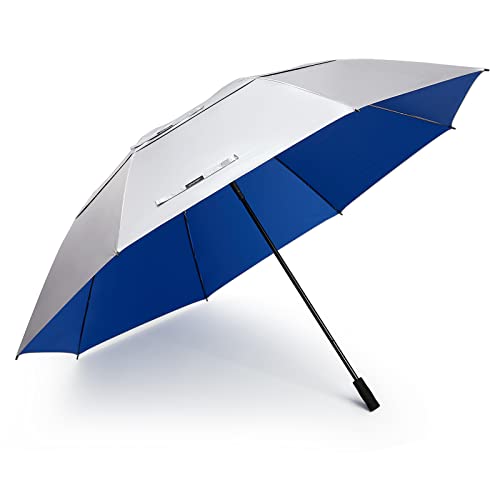
Eight feet of canopy spread changes the feel of a downpour. G4Free’s oversized stick format is the sort of umbrella you notice beside a stroller, a golf bag, or a couple heading across a parking lot, because the coverage is meant to shelter more than one person without forcing constant shoulder tilts.
The double-canopy layout matters here, since a vented upper layer lets moving air pass through more cleanly than a flat dome. That usually makes a large umbrella easier to live with in gusty weather, though the trade-off is obvious, it takes up more space and feels less nimble than the smaller G4Free inverted models below.
Strong Points
- Broad coverage suits shared use around the course or curb.
- Double-canopy construction helps reduce sail-like lift in wind.
- Waterproof canopy material fits hard rain and wet walks.
- Oversized span works well for doormen, family drop-offs, and patio duty.
- Stick handle format tends to feel steady during longer carries.
Things To Consider
- The large frame asks for more storage space than compact options.
- Its size can feel awkward in crowded sidewalks or narrow cart paths.
- Handling will feel less pocket-friendly than the reverse-folding G4Free picks.
Core Details
Who Should Grab It
You suit this one best if you want broad shelter for a group, especially around a golf outing, school pickup, or an outdoor venue entrance. It also makes sense for anyone who prefers a steadier, more traditional stick umbrella over a folding frame.
Where A Sibling Pick Shines
G4Free B0CZRNFGKK fits you better for car travel and tighter storage, since the reverse-fold design closes inward and handles daily in-and-out use more cleanly.
This G4Free version stays close to the first pick in scale, but it reads as the more general-purpose option in the lineup. You get the same oversized umbrella style for rain-heavy days, yet the listing framing leans less toward group coverage and more toward a large all-around carry for regular use.
That makes it a sensible match for commuters, caddies, or anyone who wants one umbrella to cover errands, course days, and the walk from the parking lot. The trade-off, like the first 80-inch G4Free, is plain: generous shelter comes with generous bulk.
What We Like
- Large canopy gives you serious coverage in steady rain.
- Double-canopy design should handle gusts better than flat-top styles.
- Stick umbrella format tends to feel more planted than compact folders.
- Works for golf bags, side-by-side walking, and outdoor entry points.
Room For Improvement
- The size can feel cumbersome in packed transit or tight hallways.
- Storage in a car trunk or office corner takes some planning.
- It asks for more arm room than the inverted G4Free picks.
Feature Snapshot
Made For
You fit this umbrella best if you want a straightforward oversized model for regular wet-weather carry and shared shelter without extra folding hardware.
A Better Fit Elsewhere
Totes B005FOJ9YY suits you better for a more classic vented build, especially if you want a familiar open-and-go umbrella with less bulk than the biggest G4Free frame.
Among the 80-inch G4Free options, this one sits closest to the most coverage-first stance. It makes sense for a family standing along a sideline, for venue staff greeting arrivals, or for a golfer who wants one large canopy to keep both bag and shoulders drier.
The honest read is that it offers the same basic comfort advantage as the other 80-inch models, but the appeal here is the simple scale story, not extra trick features. You trade portability for shelter, and that trade works best when size matters more than convenience.
Upsides
- 80-inch span gives broad coverage for shared use.
- Double canopy helps the umbrella breathe in moving air.
- Waterproof construction fits wet commutes and long course days.
- Stick style is easier to keep aligned in hand than many folders.
- Strong fit for entrances, sidelines, and patio transitions.
Minor Gripes
- The umbrella takes more room than a carry-friendly folder.
- It can feel oversized for solo errands in light rain.
- Cleaning and drying take a bit more space because of the large canopy.
Details At A Glance
Best Suited To
You suit this pick if your priority is the biggest practical umbrella in the G4Free set and you do not mind the added footprint.
Another Choice May Suit
G4Free B0DJ2J969C fits you better for daily carry, since the reverse-fold format is easier to store after a quick commute or school run.
This 80-inch G4Free lands in the same oversized lane as the first three, but it feels best thought of as a utility umbrella for recurring outdoor duty. Think gate staff, parking helpers, or anyone standing in exposed spots where a compact canopy just looks undersized.
Compared with the inverted 54/62-inch G4Free models, this one favors coverage over storage manners. That makes it a stronger fit for home entrances and outdoor events than for glove boxes or daily tote bags.
Bright Spots
- Oversized canopy works well for group shelter.
- Double-canopy design gives the frame a wind-aware layout.
- Waterproof build supports frequent wet weather use.
- Stick construction usually feels dependable in hand.
Softer Spots
- Large size takes some effort to store and dry.
- It is less convenient than the reverse-fold G4Free umbrellas.
- Solo use can feel like carrying more umbrella than needed.
Core Details
Whose Shelf It Belongs On
You fit this umbrella best if you need a large, plainspoken shelter piece for outdoor work, family use, or wet sidelines.
Look Elsewhere When
G4Free B0CZRNFGKK is the better fit for a compact daily carry routine, especially when car storage and quick closing matter.
The reverse-fold design is the key move here, because it closes inward and keeps wet fabric tucked away from your seat, floor mat, or coat sleeve. That makes this G4Free a cleaner fit for car commutes, ride shares, and short transfers where dripping canopy edges are a nuisance.
The reflective stripe adds a visibility cue that matters during early mornings or dim parking lots, though it’s still an umbrella first, not a safety system. Compared with the 80-inch stick models, this one is less about shared coverage and more about everyday handling.
Best Bits
- Reverse-folding shape keeps the wet side contained after use.
- Reflective strip offers a clearer visual cue in low light.
- Double canopy helps the frame manage moving air.
- Automatic open-close action suits quick entries and exits.
- Ten-rib structure usually feels steadier than simpler builds.
Areas To Watch
- The inward-folding shape feels different from a standard umbrella at first.
- It still needs drying time before tucked storage, just like most wet canopies.
- Shared coverage is smaller than the 80-inch G4Free sticks.
Feature Rundown
Who Will Love This
You suit this model best if you move between car, office, and curbside often and want an umbrella that closes without dripping everywhere.
Reach For A Different Pick When
G4Free B09KLMJTWK fits you better for shared shelter, since its 80-inch span is better suited to families or outdoor events.
This G4Free follows the same inverted template as item 5, but it reads as the more convenience-forward version. Automatic open-close operation is the practical hook here, especially for commuters juggling keys, bags, or a child’s backpack at the curb.
The 10-rib structure gives the canopy a more supported feel than many thin-frame folders, and the reflective stripe adds visibility for dark-weather routine. The trade-off is that convenience features do not erase size, so it still asks for more storage room than a little travel umbrella.
Highlights
- Automatic open-close function helps with quick one-handed use.
- Reverse-fold body keeps wet fabric tucked inward.
- Ten ribs support the canopy shape more confidently.
- Reflective stripe adds a useful low-light cue.
- Two canopy sizes let you choose your coverage level.
Points To Note
- The umbrella is still larger than a truly compact travel model.
- Reverse-fold handling feels different until you get used to it.
- Drying after rain still matters for storage and longevity.
Quick Facts
Built With In Mind
You suit this pick best if you want a commuting umbrella with useful convenience features and enough span for two people.
Swap It Out When
Totes B005FOJ9YY fits you better for a simpler vented design, especially if you want a straightforward large umbrella without reverse folding.
This version keeps the same 54/62-inch inverted format, but it stands out as the more approachable carry for everyday routines. It fits school runs, coffee stops, and quick parking-lot walks where you want decent coverage without hauling the giant 80-inch frame.
The wet-side-in closing style still does the housekeeping work well, keeping rainwater from spilling onto seats or floors. Compared with the more feature-forward B0CZRJNDWF, this one reads as the simpler route for you who want the same basic design without extra fuss.
Positives
- Reverse-fold shape keeps post-rain handling tidier.
- Two canopy size options give you useful flexibility.
- Reflective stripe helps the umbrella stand out after dark.
- Compact enough for everyday transport beside the larger G4Free sticks.
Worth Noting
- The smaller size range does not replace true oversized shelter.
- Reverse folding takes a little practice to feel natural.
- Dry storage still matters, especially after a soaked commute.
At A Glance
The Right Fit
You suit this umbrella best if you want an easy daily carry with a bit more weather presence than a tiny fold-up model.
Where A Sibling Pick Shines
G4Free B09KLMJTWK is the better choice for family coverage or sideline shelter, because the 80-inch span is built for more shared space.
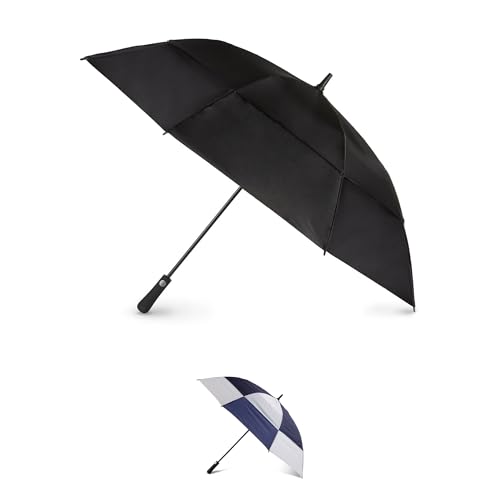
Totes keeps the formula more traditional than the G4Free inverted models, and that clarity helps it stand out. Auto-open convenience, a vented canopy, and water-repellent protection make this a familiar large umbrella for people who want straightforward use rather than a learning curve.
For long walks from parking lots or quick course-side duty, the vented build gives it a more settled feel than a flat canopy of the same general size. The honest trade-off is that it stays closer to a classic umbrella shape, so you lose the wet-inside closing behavior that makes the inverted G4Free picks so tidy.
What We Like
- Auto-open action helps with quick deployment at doors and curbs.
- Vented canopy is a good fit for blustery weather.
- Water-repellent treatment supports rainy-day use.
- Large golf umbrella format suits courtside or parking-lot carry.
Small Caveats
- The classic fold does not tuck the wet side inward.
- Large canopies still need drying space after a storm.
- It gives you less portability than a smaller travel umbrella.
Technical Sheet
Who It Suits Best
You suit this umbrella best if you want a familiar, easy-to-use large canopy for wind and rain without reverse-fold hardware.
Where Another Pick Suits Better
G4Free B0CZRNFGKK is the stronger fit for commuters who care about wet-side-in storage and low-light visibility.
How To Choose The Right Golf Umbrellas For Wind And Rain
Canopy Size Sets The Use Case
A golf umbrella’s first job is coverage, and size is the easiest way to sort the field. An 80-inch canopy like the bigger G4Free sticks gives you room for two people or a person plus bag, while 54/62-inch models are easier to carry every day.
Bigger is not always better. A very large canopy helps in open parking lots and on sidelines, but it can feel clumsy near crowded entrances or narrow paths, so your route matters as much as the weather.
Wind Control Comes From Structure
Ventilation matters because wind pushes on a solid canopy like air against a sail. Double-canopy and vented designs let part of that air pass through, which usually makes the umbrella feel more settled in gusts.
Rib count and frame shape matter too. A 10-rib inverted model tends to feel more structured than a thinner folder, though extra structure usually adds some bulk.
Folding Style Changes Daily Convenience
Reverse-fold umbrellas close with the wet side tucked inward, so they drip less onto seats, floors, and car interiors. That detail makes them especially useful for commuters and anyone constantly moving between indoors and outdoors.
A classic stick umbrella still has value. It is often easier to grip for long walks and can offer broader coverage, but it asks for more drying room and creates more mess when you store it wet.
Match The Umbrella To Your Routine
Think in terms of your normal trip, not the heaviest storm you can picture. Course-side use, family outings, and patio duty reward large stick umbrellas, while commuting and school pickup reward reverse-fold models with quicker handling.
Handle shape, opening style, and storage space all matter in real life. A good fit feels almost invisible in use, while the wrong fit becomes a thing you manage instead of something that helps.
What To Weigh Before You Click Through
Common Shopping Slip Ups
A lot of shoppers focus on canopy width and forget storage. That is how an umbrella ends up too bulky for the car door pocket, stroller basket, or office corner you planned to use.
Another common miss is skipping the folding style. A reverse-fold model keeps wet fabric contained, while a classic umbrella can leave puddles wherever you set it down.
Why Top Tier Costs More
Higher-tier golf umbrellas usually pay for bigger canopies, more ribs, vented construction, and more refined opening hardware. Those features add material and assembly complexity, and you feel that difference in steadier handling and better day-to-day comfort.
The upgrade makes sense for frequent commuters, golfers, and anyone who stands in exposed weather often. For occasional use, a simpler large umbrella usually does enough.
Frequently Asked Questions
What size golf umbrella works best in heavy rain?
An 80-inch canopy gives you the most shared coverage in this roundup. A 54/62-inch reverse-fold model is easier to carry daily, but it covers less space.
Are vented umbrellas better in wind?
Vented and double-canopy designs usually handle gusts more gracefully than flat canopies. They still need a solid frame, so size and rib count matter too.
What is the point of a reverse-fold umbrella?
It closes inward, which keeps the wet side tucked inside after use. That helps in cars, offices, and entryways where dripping fabric is annoying.
Is an auto-open umbrella worth it?
Auto-open helps when your hands are full and you need cover quickly. It does not replace a strong frame, but it does make fast transitions easier.
Which umbrella fits everyday commuting best?
The G4Free inverted models fit commuting well because they store cleaner after rain. Totes works too, especially if you prefer a classic vented shape.
Closing Thoughts
You need more than a large canopy to handle wind and rain well, you need a shape that fits the way you move. The biggest G4Free sticks suit shared coverage and open spaces, the inverted G4Free models suit cars and daily routines, and Totes keeps things classic with vented simplicity. That gives you a practical spread of choices instead of one oversized answer. Pick the umbrella that matches your usual weather path, and the rainy part of the day gets a lot less awkward.