

Golf training mats that show swing path or impact marks can make home practice far more useful than a plain turf patch. You get clearer feedback on strike location, path shape, and setup habits, which matters in a garage, basement bay, backyard, or spare room. The seven picks below cover compact mats, foldable carry options, and heavier setups with layered build-ups. That spread gives you room to match space, portability, and feedback style without overbuying.
The Shortlist At A Glance

Real Swing 300 Golf Swing & Hitting Trainer

Golf Mat, Practice Outdoor Indoor for Training
Birdie Golf Birdie Mat Pro

Golf Hitting Mats Training Equipment

Portable & Foldable Golf Practice Mat

High-Precision Golf Hitting Mat

CHAMPKEY 8′ x 17′ Premium Impact Golf Mat
More Details On Our Top Picks
Real Swing 300 leans into feedback first, which suits you if repeated strike work matters more than a plain turf strip. The height-adjustable setup gives it some fit flexibility, and that matters in a garage bay or a tighter practice corner where posture and strike height need to line up.
Compared with the simpler Jspotib mat, this one looks built for a more structured routine. The trade-off is that a more specific training aid usually asks for a bit more attention to setup, but that’s the point for golfers who want clearer strike cues.
What We Like
- Training focus is centered on path and impact feedback.
- Height adjustability helps match different practice positions.
- Better suited to deliberate swing work than casual hitting alone.
- Compact trainer format fits home practice spaces well.
Worth Noting
- A dedicated trainer may feel more specialized than a plain mat.
- Setup takes more attention than a simple roll-out surface.
Feature Snapshot
Who It Suits Best
Golfers who want a compact trainer for repeated swing-path and contact work will get the most out of this model.
Where A Sibling Pick Shines
Jspotib Golf Mat suits casual indoor or backyard practice better, especially for golfers who want a simpler turf surface.
This Jspotib mat is the straightforward option in the group, and that can be exactly right for home chipping or a few swings after work. The rubber backing matters because it helps the mat stay put on a floor, patio, or driveway surface, which is the kind of detail you notice fast in everyday use.
It feels less specialized than Real Swing 300 or Birdie Mat Pro, but that also keeps it simple. The honest read is that you’re choosing broad practice convenience here, not a more elaborate feedback system.
Positives
- Works indoors and outdoors, so practice can follow your schedule.
- Rubber backing gives it a steadier feel on harder surfaces.
- Fits basic chipping and swing-path work without extra complexity.
- The format is easy to place in a spare room or backyard.
Softer Spots
- Feedback detail appears simpler than the more advanced trainer mats.
- Basic mats can show wear sooner with heavy daily use.
- Cleaning tends to matter more on outdoor surfaces with dirt or grass.
Details At A Glance
The Right Fit
Casual golfers and beginners who want a simple practice surface for several settings will find this the easiest fit.
Swap It Out When
LYDARZ Golf Hitting Mats Training Equipment suits you better when replaceable surfaces matter more than a basic all-purpose mat.
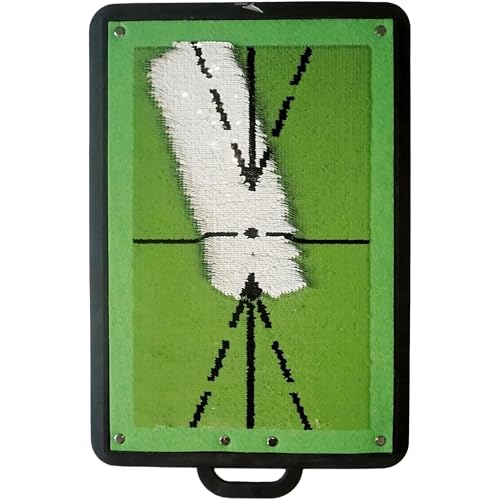
Birdie Mat Pro stands out because its sequin tech surface is built to show where the club interacted with the face of the mat. That sort of visual mark can help you spot path tendencies during backyard sessions or quick warm-ups before a round, and the portable format keeps it from feeling tied to one spot.
Compared with the Jspotib mat, this pick leans more into visible feedback and less into basic turf coverage. One thing worth considering, though, is that a more revealing surface usually asks you to pay closer attention to how you place it and store it.
Best Bits
- Sequin surface gives you visible strike and path clues.
- Portable format works for home, yard, or travel practice.
- Helps turn casual swings into more informative reps.
- Useful for golfers who like immediate visual feedback.
Areas To Watch
- Specialized surfaces can feel less familiar than standard turf.
- Portable gear usually benefits from careful packing and storage.
Core Details
Whose Shelf It Belongs On
You’ll get the most from this pick if you want a compact mat that turns each strike into visible swing-path information.
Look Elsewhere When
CHAMPKEY 8′ x 17′ Premium Impact Golf Mat fits better for golfers who want a larger, more structured practice area.
LYDARZ takes a more layered approach here, and the replaceable mat sections make sense for golfers who hit often. That setup can extend usable life in the spots that wear first, which is useful in a home bay where the same strike zone gets repeated over and over.
Compared with Birdie Mat Pro, this one feels less about a visual trick and more about practical structure. The heavy-duty rubber base is the other notable part, because a steadier foundation usually matters more than flashy details once practice volume climbs.
Strong Points
- Three replaceable training mats give you more flexible wear management.
- Instant path feedback helps you notice swing direction quickly.
- Heavy rubber base supports steadier placement during repeated swings.
- Well suited to regular practice where durability matters.
Points To Note
- Replaceable parts can mean a little more organization over time.
- Heavier bases are less convenient to move than smaller pads.
Quick Facts
Built With In Mind
Frequent practice golfers who want a more durable, repairable setup will appreciate this one most.
Reach For A Different Pick When
Portable & Foldable Golf Practice Mat suits you better if storage space is tight and mobility matters more than replaceable surfaces.
This LYDARZ mat is the most travel-friendly style in the group, and the foldable build makes that obvious. Dual-turf construction gives you a fairway feel plus a rough-style section, so your chipping work and fuller swings can live on the same mat without much fuss.
Compared with the heavier LYDARZ option, this one gives up some structural heft in exchange for easier storage and transport. For apartment practice, trunk storage, or a shared garage, that trade-off can be exactly right.
Highlights
- Foldable layout makes storage simpler.
- Dual-turf design supports different shot types.
- Useful for indoor and outdoor practice spaces.
- Easy to move between home and backyard use.
Small Caveats
- Foldable gear can favor convenience over a heavier planted feel.
- Dual-surface mats may need a little more care when you store them.
At A Glance
Made For
You’ll like this most if your practice space changes often and you want one mat to move with you.
Another Choice May Suit
Real Swing 300 Golf Swing & Hitting Trainer suits you better if swing-path feedback matters more than portability.
FODESAN splits the difference between simple turf and specialized feedback gear, and that makes it easy to place in a home training routine. Swing-path feedback and impact detection are the two named cues, so you get both movement and contact clues without moving into a bulky bay setup.
Compared with the Jspotib mat, this option leans harder into feedback, while still staying suitable for indoor or outdoor use. That balance can suit beginners who want clearer information and experienced golfers who prefer compact practice gear.
Upsides
- Shows both swing-path and impact cues.
- Indoor-outdoor flexibility keeps practice simple.
- Works as a home training tool without a big footprint.
- Appropriate for beginners and more experienced golfers alike.
Room For Improvement
- A compact trainer can feel less immersive than larger bay mats.
- Feedback-only designs may not replace a broader practice station.
Feature Rundown
Perfect Match For
Golfers who want a compact feedback mat for home or yard work will get strong value from this model.
Skip It When
CHAMPKEY 8′ x 17′ Premium Impact Golf Mat fits better for golfers who want a much larger guided practice zone.
CHAMPKEY is the largest-feeling option here, and that 8-inch by 17-inch format gives you a more generous contact zone than the compact mats above. The layered build matters too, with rubber backing at the base, foam padding in the middle, and a fabric top that’s meant to handle repeated strikes while still showing swing-path traces on the surface.
Compared with FODESAN, this is the pick for a more permanent practice area rather than a small home corner. The honest read is that you’re paying for structure, surface layering, and a bigger working area, so it suits golfers who practice often enough to use that extra build quality.
Positives
- Large 8-inch by 17-inch format gives you room for repeated contact.
- Three-layer build adds structure and shock absorption.
- Rubber backing helps it stay planted during swings.
- Wear-resistant top layer suits higher practice volume.
Things To Consider
- Bigger footprint takes more room than the compact trainers.
- Layered construction is less grab-and-go than a foldable mat.
- It ships with an instruction sheet, while balls and tees are not included.
Technical Sheet
Who Should Grab It
Golfers building a dedicated practice area and wanting a larger, layered impact mat should look here first.
Where Another Pick Suits Better
Portable & Foldable Golf Practice Mat suits you better when storage, transport, and smaller spaces matter more than size.
How To Choose The Right Golf Training Mats For Swing Detection
Match Feedback Style To Your Practice Goal
Path-tracing mats, impact-marking surfaces, and layered strike zones do different jobs. A golfer focused on swing plane will usually prefer visible path feedback, while someone working on contact quality may get more value from a mat that shows where the club met the surface.
The key is to match the mat to the habit you want to clean up. A simple turf patch can support general reps, but it won’t tell you as much as a surface that changes or marks after contact.
Size, Portability, And Storage Matter More Than You Think
Compact mats suit spare rooms, patios, and quick warm-ups before a round. Larger mats help more when you want a stable stance and a wider strike area, especially in a garage bay or dedicated net station.
Foldable designs are easier to tuck away, while layered heavy mats usually stay put better once set up. That trade-off is worth weighing before you pick a model that sounds great but becomes a nuisance to move.
Build Quality Shapes Real-World Use
Rubber backing, foam middle layers, and wear-resistant tops all change how a mat behaves under repeated swings. Those details matter most for golfers who practice often, because a mat that slides or breaks down quickly loses value fast.
Maintenance is simple but not automatic. Outdoor use brings dirt, grass, and moisture into the picture, so smoother surfaces and easy storage tend to age better in everyday use.
Who Benefits From Each Type
Beginners usually do well with a clear, straightforward feedback mat that makes the next swing easier to understand. More experienced golfers often prefer a larger or more layered setup that supports longer practice sessions and repeated strike work.
The right match is usually the one that fits your space, your routine, and the kind of feedback you’ll actually use. That’s where a focused trainer beats a generic mat by a wide margin.
A Quick Reality Check Before You Choose
Traps First Timers Fall Into
Many shoppers focus on surface graphics and skip the backing, size, or storage side of the mat. That’s a problem in a small garage or apartment, because a mat that works on paper can become awkward the moment you place it.
Another common miss is choosing feedback style that doesn’t match the practice goal. A visible strike mark helps one kind of training, while a larger guided area helps another.
The Upgrade Payoff
Higher-tier mats usually cost more because they use layered materials, steadier bases, or broader training zones. Those details matter when you practice often and want the mat to stay consistent through repeated contact.
The upgrade makes sense for golfers who treat practice like a routine, not a weekend hobby. A heavier or more specialized mat also tends to feel calmer underfoot, which helps when you’re trying to focus on form instead of equipment drift.
Frequently Asked Questions
What does swing detection mean in a golf training mat?
It means the mat shows clues about club path, strike point, or contact pattern. Some models use visual marks, while others rely on layered or textured surfaces.
Are these mats useful for indoor practice?
Yes, several of the picks are built for indoor use. A rubber-backed or foldable mat is usually easier to manage on a hard floor.
Does a larger mat always work better?
Not always, because larger mats take more space and are harder to move. They make more sense for a fixed practice area than for a small room.
What matters most for a beginner?
Clear feedback and simple setup usually matter most. A mat that shows contact plainly is easier to learn from than a more complex training surface.
Can you use these mats outdoors?
Several picks support outdoor practice and can handle backyard or patio sessions. Outdoor use just means storage and cleaning deserve a little extra attention.
Closing Remarks
The right golf training mat depends on how you practice, not just how much space you have. Compact feedback mats suit quick repetition, foldable options fit mobile routines, and layered heavy-duty builds make sense for a more permanent station. Real Swing 300, Birdie Mat Pro, and CHAMPKEY each solve a different problem, so the best match comes from your routine, your space, and how much detail you want from every strike. Choose the one that makes practice easier to repeat, and the rest tends to follow.


