

Golf swing plane trainers make sense when your practice time is limited and your mechanics need a clearer target. Some of these tools help you see path and low point, while others focus on tempo, grip, or alignment. The right one depends on whether you want a visual guide, a warm-up aid, or a compact setup for the range or garage.
Quick Look At Our Shortlist

Divot Board Original Patented Low Point and Swing Path Trainer

Orange Whip Golf Swing Trainer Aid

5-in-1 Retractable Golf Swing Trainer
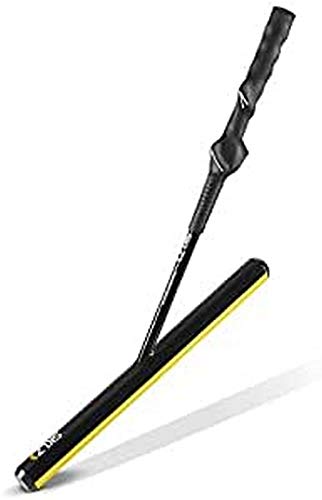
SKLZ Golf Swing Trainer and Warm Up Tool

Amy Sport Golf Swing Plane Trainer (Dark)

BKF Golf Alignment Sticks and Angle Holder Set

Golf Rope Swing Trainer by Cusprtm

Golf Rope Swing Trainer by Cusprtm
The Divot Board leans into feedback you can see right away, which matters for golfers who want a clearer strike pattern without setting up a full practice bay. In a backyard, on a mat, or beside a range bucket, that instant read can tighten the gap between intention and contact.
Compared with the more motion-based Orange Whip and the alignment-heavy BKF set, this one is about impact location and swing path. The honest trade-off is that it does not coach rhythm the way a flexible trainer does, so it fits best when your priority is contact quality.
Strong Points
- Shows swing path and low point in a direct, easy-to-read format.
- Works in multiple practice spaces, including mat sessions and open-air drills.
- Helps you connect strike location to setup choices, which speeds up self-correction.
- Stays focused on one job, so your practice stays clear and repeatable.
Things To Consider
- It teaches contact and path more than tempo or strength.
- Surface wear and cleanup depend on how often you use it with real turf or a mat.
- Golfers chasing an all-purpose warm-up tool may want more than this narrow focus.
Core Details
Who It Suits Best
Golfers who want visual feedback on strike pattern and path will get the most from this one, especially in short practice sessions.
A Better Fit Elsewhere
The Orange Whip Golf Swing Trainer Aid suits tempo-focused golfers better, since its value sits more in rhythm and balance than impact tracing.
The Orange Whip is the most rhythm-driven option in this group, and that matters because tempo work often gets skipped when practice turns into target chasing. At 43.5 inches, it gives you a full-length motion pattern that feels closer to a real swing than a short alignment aid.
Compared with the Divot Board, this one teaches motion quality rather than impact tracing, so the feedback is less visual and more physical. You may find it especially useful before a round, in a garage, or anywhere you want a looser warm-up without extra parts.
What We Like
- Builds rhythm, balance, tempo, flexibility, and strength in one tool.
- The 43.5-inch midsize length gives a substantial swing arc.
- Fits pre-round warm-ups well, especially for golfers who want a smoother first tee.
- Single-piece training keeps storage simple compared with multi-part kits.
Points To Note
- It is less useful for golfers who want a path or alignment visual.
- The longer profile takes more room than the BKF sticks or the rope trainers.
- Tempo work can feel subtle at first, so results depend on patient repetition.
Feature Rundown
Who Should Grab It
Golfers who want a movement-first warm-up tool and value a longer, more dynamic swing feel will appreciate this choice.
Another Choice May Suit
The SKLZ Golf Swing Trainer and Warm Up Tool fits better for golfers who want a broader accessory approach with several named training variants.
This FODESAN trainer packs the most roles into one frame, so it suits golfers who want grip work and tempo work without buying separate tools. The click feedback adds a clear cue, which can help during solo range sessions or in a home practice space where mirrors are limited.
Unlike the Orange Whip, which is built around feel and rhythm, this one leans into correction and repeatable feedback. The trade-off is complexity, because more functions usually mean a bit more learning before the tool feels natural.
Highlights
- Combines five training functions in a single retractable format.
- Supports both grip correction and tempo work, which helps newer golfers and detail-oriented golfers alike.
- Click feedback gives a noticeable cue during reps.
- Right- and left-handed use widens its fit across households or practice groups.
Softer Spots
- The multi-function layout asks more from the user than a single-purpose trainer.
- Retractable parts need normal care and tidy storage to stay convenient.
- Golfers who only want a swing-path visual may find the extra functions more than they need.
Details At A Glance
Whose Shelf It Belongs On
Golfers who want one training aid for grip, timing, and correction will get strong value from this pick.
Look Elsewhere When
The Divot Board Original Patented Low Point and Swing Path Trainer suits golfers better when the main goal is visual path feedback rather than multi-mode training.
SKLZ takes a broader warm-up path than the Divot Board or Amy Sport trainer, and that makes it easy to slot into a pre-round routine. The named variants inside the product family point to different fitting goals, so this is the kind of tool you choose when you want one platform that can cover several drills.
For golfers who like a practical, no-drama setup, that versatility is the draw. The trade-off is that a broader tool rarely feels as focused as a single-purpose path aid, so it suits general practice more than precision-specific work.
Bright Spots
- Versatile enough for warm-up, swing speed work, distance practice, balance, and grip strength.
- Multiple named training variants give the line a broad fit across practice goals.
- Useful for golfers who want one tool that can stay in a bag or garage.
- Practical for regular pre-round routines, where a simple setup saves time.
Areas To Watch
- A broad design can feel less focused than a dedicated plane or alignment aid.
- The right variant matters, so the product family asks a little more comparison work.
- Golfers chasing highly visible strike feedback may prefer the Divot Board.
Feature Snapshot
Built With In Mind
Golfers who want a flexible warm-up and practice tool for repeated range sessions will fit this pick well.
Where A Sibling Pick Shines
The Orange Whip Golf Swing Trainer Aid is the cleaner choice for rhythm-led practice, especially when you want a more motion-centered feel.
The Amy Sport trainer stands out for its steel construction, and that matters when you want a lane-like guide that feels stable on a mat or at the driving range. Unlike the rope-style options, this one gives you a rigid frame of reference for setup, path, and alignment work.
The dark finish keeps the look simple, but the real value is practical: a heavy-duty build usually suits repeat sessions better than a lightweight accessory. The honest read is that it is less flexible in feel than the Orange Whip, yet more direct for golfers who want a fixed visual guide.
Upsides
- Solid steel construction gives it a sturdier presence than lighter training aids.
- Helps with swing path, alignment, and setup accuracy in one compact format.
- Works indoors, outdoors, at a range, or on a mat.
- Easy to carry, which helps when your practice space changes often.
Small Caveats
- Rigid plane trainers ask for more setup discipline than flexible swing aids.
- Steel surfaces benefit from normal care and dry storage.
- Golfers looking for tempo or balance work may want a second tool.
Core Details
The Right Fit
Golfers who want a fixed, durable plane guide for setup and path work will benefit most from this trainer.
Skip It When
The FODESAN 5-in-1 Retractable Golf Swing Trainer suits golfers better when grip correction and tempo feedback matter more than a rigid plane guide.
BKF keeps the setup simple, and that is the whole appeal, especially for golfers who practice alignment at the range or need a portable drill kit. The included bag makes it easier to keep the sticks together, which helps a lot when your practice gear tends to drift around the trunk or garage.
Compared with the Amy Sport plane trainer, this set is less about a fixed swing lane and more about versatility around aim, stance, and angle checks. You may find it less flashy than the visual feedback tools, but for straight-line repetition it does the job without extra clutter.
Reasons To Buy
- Alignment sticks are a classic practice tool for setup and aim work.
- The angle holder expands what you can do with basic sticks.
- Portable bag makes packing and storage easier between sessions.
- Useful for golfers who want a lightweight teaching aid rather than a bulky trainer.
Worth Noting
- Alignment tools depend on your discipline, because they guide rather than correct on their own.
- The set is better for setup and aim work than for tempo or strike tracing.
- Portable accessories can get scattered unless you keep the bag in a fixed spot.
Feature Card
Who Will Love This
Golfers who care about alignment, aim, and a neat portable practice kit will find this set easy to work into routine sessions.
Where Shoppers Go Wrong
The Divot Board Original Patented Low Point and Swing Path Trainer is the stronger call when you want impact feedback instead of simple alignment references.
The Cusprtm rope trainer keeps things stripped down, which is useful when you travel often or want something that slides into a small practice bag. For golfers who value tempo, rhythm, and flexibility over visual feedback, it offers a very straightforward warm-up pattern.
Compared with the SKLZ tool, this one is lighter and simpler, but it gives up the broader accessory feel that some golfers prefer. That trade-off works in its favor for range days and quick sessions, especially when you want a compact aid with no extra setup.
Best Bits
- Compact rope design is easy to carry and store.
- Supports speed, tempo, rhythm, flexibility, and strength work.
- Fits warm-up routines for golfers across skill levels.
- Simple format keeps the learning curve low.
Minor Gripes
- It does not give the same visual path guidance as a board or rigid plane trainer.
- Rope-style aids can feel less precise for golfers chasing alignment detail.
- Lightweight gear needs regular packing care so it does not tangle with other items.
Feature Rundown
Best Suited To
Golfers who travel, pack light, or want a simple motion-based warm-up will get the most from this rope trainer.
Where A Sibling Pick Shines
The Orange Whip Golf Swing Trainer Aid suits golfers better when they want a more substantial motion trainer with a midsize 43.5-inch profile.
This second Cusprtm rope trainer lands in the same lightweight lane as the prior rope model, which makes it a sensible look for golfers who want a simple warm-up tool rather than a more complex trainer. The value here is repetition and portability, plain and simple.
Compared with the FODESAN and Divot Board picks, it offers less feedback detail, but the trade-off is convenience and easy packing. For range bags, travel days, or a quick parking-lot warm-up before heading to the course, that can be enough.
Positives
- Compact rope format is easy to carry alongside other golf gear.
- Supports tempo, rhythm, flexibility, and strength work in a simple setup.
- Useful for repeatable warm-ups without extra parts or bulky pieces.
Trade Offs
- It offers less direct feedback than a board, stick set, or rigid plane trainer.
- Golfers who want detailed path correction may want something more visual.
- Light gear still needs care in storage so it stays neat between rounds.
Key Specs
The Right Fit
Golfers who want a simple, portable warm-up aid for repeated motion work will appreciate this rope trainer.
Another Choice May Suit
The SKLZ Golf Swing Trainer and Warm Up Tool fits better for golfers who want a broader accessory platform with more named training options.
How To Choose The Right Golf Swing Plane Trainers
Match The Tool To Your Main Miss
Start with the miss that keeps showing up. A golfer who fights steep contact needs a different aid from someone who loses tempo or starts offline, because plane, rhythm, and setup are not the same problem.
That is why visual tools like Divot Board and Amy Sport suit path-oriented practice, while Orange Whip and the rope trainers lean toward motion and timing. The cleaner the match between miss and tool, the less wasted practice you carry.
Think About Practice Space And Storage
Compact gear matters more than most golfers expect. A rope trainer or alignment-stick set slips into a bag easily, while a longer trainer asks for more room in a garage, trunk, or small apartment.
For home nets, mats, and backyard sessions, a rigid plane guide makes sense. For travel or pre-round use, smaller tools save friction, and less friction usually means more repetition.
Choose Feedback That Fits Your Style
Some golfers respond best to a visual line, others need a physical feel, and others want a clear click or motion cue. That difference shapes how useful a trainer feels after the first few sessions.
Divot Board gives direct contact feedback, Orange Whip gives a rhythm cue, and FODESAN tries to cover several training jobs at once. Pick the kind of information you actually use, not the kind that only looks impressive on the product page.
Balance Single Purpose Against Versatility
Single-purpose tools usually teach one thing well, while multi-function aids ask you to do a little more interpretation. Neither route is wrong, but one will feel smoother depending on your habits.
If your practice is short and targeted, a dedicated plane trainer can be easier to trust. If your sessions are scattered across grip, tempo, and setup, a broader model may earn its keep faster.
What To Weigh Before You Commit
Hidden Buying Traps
It is easy to mix up alignment help with swing-plane help. Alignment sticks guide aim and setup, while plane trainers usually shape the club’s path or the feel of the motion, so the category label matters more than the photos.
Another common miss is buying a tool that is too narrow for your practice habits. A golfer who only wants warm-up rhythm can skip the fixed plane hardware, while a golfer chasing strike patterns will usually want more than a rope.
The Upgrade Payoff
Higher-tier models usually cost more because they use stronger materials, add clearer feedback, or cover more than one drill. That shows up in the Orange Whip’s full-length motion design, the Amy Sport steel frame, and FODESAN’s multi-function layout.
The upgrade makes sense when you practice often and need a tool that stays consistent across sessions. For occasional use, a simpler pick usually does enough without asking for extra space or attention.
Frequently Asked Questions
What does a golf swing plane trainer do?
It guides or reveals the path of the club so you can work on setup, motion, or contact. Some models focus on visual lines, while others focus on rhythm or movement feel.
Is a rope trainer useful for beginners?
Yes, it can be useful for tempo and warm-up work because the format is simple and light. Beginners who also need setup or path feedback may want a more visual tool too.
Do alignment sticks count as a swing-plane trainer?
They help with aim and setup, but they are not the same as a dedicated plane trainer. They are better for straight-line reference work than for teaching swing depth or low point.
Which option is easiest to pack?
The rope trainers and the BKF alignment-stick set are the most travel-friendly choices here. The longer motion trainers take more room in a trunk or practice bag.
What should you choose for full practice sessions?
A dedicated visual trainer such as the Divot Board or Amy Sport model gives more direct path work. A broader tool like the SKLZ option suits mixed warm-up sessions better.
Closing Thoughts
Your best choice depends on the kind of feedback you actually use. Divot Board gives clear path and low-point information, Orange Whip leans into rhythm, and the FODESAN option piles on features for golfers who like more than one training mode. For compact practice, the rope trainers and BKF set stay easy to manage, while Amy Sport brings a sturdier metal frame to the table. Pick the tool that fits your routine, not the one that sounds busiest on the page.
