

Hands that ache after a round need more than a generic rubber wrap. The right grip can soften pressure, steady the club, and make every swing feel less strained, especially for golfers who notice fatigue in the fingers, thumbs, or lower palms.
This shortlist focuses on grip shapes and materials that can feel easier to hold during a full round or a practice session at the range. You’ll see softer compounds, larger profiles, and textures that help you keep control without clenching too hard.
Quick Look At The Shortlist

Golf Pride CPX Golf Club Grip

SuperStroke Cross Comfort Golf Club Grip


Winn Excel Wrap Oversize Golf Grips

Winn Dri-Tac LT Golf Grip
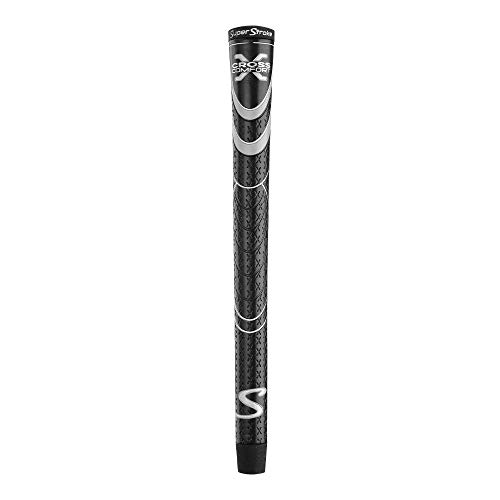
SuperStroke Cross Comfort Golf Club Grip Black/Gray
More Details On Our Top Picks
Golf Pride keeps this one focused on comfort, with a soft rubber feel that should take some edge off repeated swings. For golfers whose hands tighten up late in a round, that softer surface can matter more than flashy texture.
The trade-off is straightforward, very plush grips can feel less crisp than firmer builds, so you may miss some feedback at impact. For most steady-swing players, though, the balance here lands in a useful middle ground.
What We Like
- Soft rubber construction helps reduce the urge to squeeze hard.
- Comfort-forward feel suits long practice sessions and full rounds.
- Simple profile keeps the club familiar in hand.
- Good match for golfers who want less palm pressure.
Small Caveats
- Very soft grips can mute feedback for players who prefer a firmer strike sense.
- Clean upkeep matters, because smoother comfort materials can show grime sooner.
Feature Snapshot
Who It Suits Best
Golfers who want a softer hold without changing the whole feel of the club will get the most out of this one.
Where A Sibling Pick Shines
Winn Dri-Tac LT Golf Grip suits you better if hand strain and a less tapered shape matter more than a classic all-purpose feel.
This SuperStroke model leans into a layered build, with a tacky polyurethane outer layer and a firmer rubber core underneath. That mix usually appeals to golfers who want softer contact on the surface without giving up a steadier, more controlled feel beneath it.
Compared with the softer, simpler Golf Pride CPX, this one reads as more structured and deliberate. You may find it a better match for swings that benefit from a confident, planted hand position rather than a deeply cushioned wrap.
Highlights
- Tacky outer layer gives the hand a more secure hold.
- Firmer inner core adds structure during the swing.
- X-style texture helps the surface feel more uniform.
- Good option for golfers who like noticeable feedback.
Points To Note
- The firmer backbone may feel less forgiving than a pure comfort grip.
- Players chasing a very plush feel may prefer the Winn options instead.
- Textured surfaces can need regular wiping to stay consistent in use.
Core Details
Who Will Love This
Golfers who want a more secure, layered feel and still care about comfort will appreciate this pick most.
Another Choice May Suit
Winn Excel Wrap Oversize Golf Grips is the easier fit for you if a larger profile matters more than a firmer, performance-leaning build.
Most grips on this list are about comfort in one fixed shape, but KINGRASP gives you more room to match size to hand feel. Standard, midsize, and oversize choices matter a lot for arthritis, because a grip that’s too thin can force extra squeezing.
The five-color setup also helps if you’re regripping several clubs and want a cleaner way to keep the set organized. The honest read is that this is less about a luxury feel and more about flexibility, which is useful for golfers who like to tune things on their own.
Reasons To Buy
- Standard, midsize, and oversize options help you match hand size more closely.
- Rubber build brings a familiar feel across the set.
- Color variety can make club sorting easier during a full regrip.
- Good fit for golfers who want a practical, configurable setup.
- Hand relief often starts with size, not just softness.
Areas To Watch
- Kit-style products ask more from your installation process.
- The feel depends on which size you choose, so the result can vary.
Technical Sheet
Best Suited To
Golfers who want to match grip size to sore hands, hand shape, or a full club refresh will get the most from this kit.
Look Elsewhere When
Golf Pride CPX Golf Club Grip makes more sense for you if you want a simpler single-grip choice without sorting through size decisions.
Oversize grips can be a real relief for hands that cramp or fatigue, and this Winn model leans into that with a wrap style and a noticeably tacky feel. In dry conditions, that surface can feel especially planted, almost like your hands have a steadier lane to settle into.
Compared with the more neutral Golf Pride CPX, this pick is for golfers who want a bigger, more confidence-building hold. The flip side is that the larger profile may feel bulky to players who already like a slim, traditional shape.
Upsides
- Oversize shape can reduce the urge to grip too tightly.
- Very tacky feel helps the club settle in the hands.
- Dry-weather performance should suit range sessions and fair-weather rounds.
- Wrap styling gives a familiar, straightforward hand position.
Softer Spots
- Oversize builds can feel too full for golfers who prefer slim grips.
- Tacky surfaces may need more frequent cleaning to keep the feel consistent.
Details At A Glance
Whose Shelf It Belongs On
Golfers with larger hands or golfers who want more palm contact will usually appreciate this grip the most.
Swap It Out When
Winn Dri-Tac LT Golf Grip is the better match if you want a softer-feeling option with a less tapered profile instead of a full oversize shape.
This is the strongest comfort-first option in the group for hands that dislike excess taper. The less tapered profile means the lower hand gets a fuller section to settle into, which can make a practical difference during long rounds or practice days.
Winn also frames this one for golfers with arthritis or hand injuries, and that focus lines up with the shape rather than feeling like marketing fluff. You may find it a better everyday match than the firmer SuperStroke picks if reducing hand fatigue matters more than chasing a structured, performance-led feel.
Best Bits
- Less tapered shape gives the lower hand more room to settle.
- Comfort-first design suits sore or tired hands.
- Strong match for golfers who want less grip strain during play.
- Works well for regular rounds and repeated practice sessions.
- Shape support matters as much as surface softness here.
Things To Consider
- The softer comfort focus may feel less crisp than a firmer grip.
- Golfers who want a very traditional taper may prefer a different shape.
Core Details
Built With In Mind
Golfers who want a softer, less tapered grip for regular play and practice should start here.
A Better Fit Elsewhere
SuperStroke Cross Comfort Golf Club Grip suits you more if you want a firmer inner core and a more textured, structured feel.
This standard-size SuperStroke carries the same layered logic as the other Cross Comfort option, but in a more conventional black and gray finish. For golfers who want a familiar look with softer outer feel and a steadier core, that combination makes sense without feeling overly specialized.
Compared with the golf Pride CPX, this one gives you more technical structure under the hand. The trade-off is that the firmer backbone can feel less cushy, so it suits golfers who care about traction and feedback as much as they care about comfort.
Bright Spots
- X-style surface helps keep the grip feeling even across the hand.
- Soft outer layer brings a more comfortable contact point.
- Firm inner core adds stability and useful swing feedback.
- Standard sizing works for many classic club setups.
Worth Noting
- It leans more structured than a pure comfort-first grip.
- Standard sizing may not be the right answer for larger hands.
- Textured grips can feel best when kept clean and dry.
Feature Rundown
Right Fit For
Golfers who want a standard profile with a softer outer layer and a controlled inner structure should feel at home with this pick.
Skip It When
Winn Excel Wrap Oversize Golf Grips is the better route if your hands prefer a fuller, oversize shape instead of a standard profile.
How To Choose The Right Golf Grips For Arthritis
Shape Matters More Than Most People Think
Grip diameter changes how hard your hands have to work. A thicker grip can reduce the urge to clamp down, while a slimmer one may ask for more finger pressure, which can be tiring over 18 holes or a long range session.
Less taper can help too, because the lower hand gets a fuller section to hold. That’s why models like Winn Dri-Tac LT matter for golfers whose lower hand feels sore first.
Surface Feel And Traction Need To Work Together
Soft materials help with comfort, but the grip still needs enough traction to keep the club settled. Tacky polyurethane, rubber, and textured patterns each create a different balance between cushion and control.
Golfers who sweat through practice rounds usually notice the difference fast, though dry-weather players may care more about softness than texture. SuperStroke’s layered approach and Winn’s comfort-led surfaces show two different ways to reach that middle ground.
Match The Grip To Your Swing Habit
Your normal swing pressure matters as much as the label on the package. Smooth tempos often pair well with softer, more forgiving grips, while firmer hands may prefer a structure that gives clearer feedback at impact.
Consider how you play most often, not just how the grip feels in a store. A club that feels great for a quick hold can still be wrong for long practice days, especially when hand fatigue builds.
Installation And Set Maintenance
Regrip kits give you flexibility, but they also ask for cleaner installation and more attention to size choice. Single grips are easier to replace one at a time, which suits golfers who want a simple swap without reworking the whole set.
Cleaning matters too, since tacky surfaces collect dirt faster than firmer rubber. A quick wipe after the round can help the feel stay consistent and keep the grip from turning slick in storage.
Things Worth Knowing First
Where Shoppers Go Wrong
Many golfers focus on softness alone and forget about diameter. That can backfire, because a grip that’s too thin often leads to tighter hands and more strain.
Another common miss is choosing a texture that feels secure only in dry weather. For sweaty practice days, a more controlled surface often holds up better.
The Case For Spending Up
Higher-tier grips usually cost more because of layered construction, specialty surfaces, and more deliberate shaping. Those details matter most when your hands need both comfort and control, not just a softer surface.
That upgrade makes sense for regular players, especially when discomfort shows up late in the round. Casual golfers can stay simpler, but frequent play usually rewards the better-feeling build.
Frequently Asked Questions
What grip size helps arthritis most?
A thicker grip often reduces squeezing pressure, which can feel easier on sore hands. Midsize and oversize options are worth serious attention.
Do softer grips always work better?
Not always, because very soft grips can reduce feedback. You want comfort and enough structure to keep the club stable.
Are grip kits hard to install?
They take more effort than a single replacement grip because sizing choices matter across the set. Many golfers still like them for full regrip projects.
Should you choose tacky or smooth surfaces?
Tacky grips often feel more secure with less clenching. Smooth grips can be easier to live with, but they may ask for a firmer hold.
Can standard grips still work for sore hands?
Yes, especially when the surface is soft and the shape feels comfortable. Still, thicker options usually deserve a look first.
Closing Thoughts
The best golf grips for arthritis usually do one thing well, they lower the urge to squeeze. For some hands that means a softer rubber feel, for others it means a larger diameter or a less tapered shape that spreads pressure more evenly. Your best match comes down to how you hold the club on a tired day, not just how it feels in the first ten seconds. Start with comfort, keep an eye on traction, and choose the grip that makes the round feel a little easier.
