Golf GPS finders make it easier to settle club choice, trust your yardage, and keep moving between shots. That matters whether you play weekend rounds, walk nine after work, or want a cleaner read than pacing off sprinkler heads and guessing from memory. The right pick depends on how much display detail you want, whether slope matters to your game, and how much you value cart mounting, voice output, or simple clip-on convenience.
Quick Look At The Shortlist
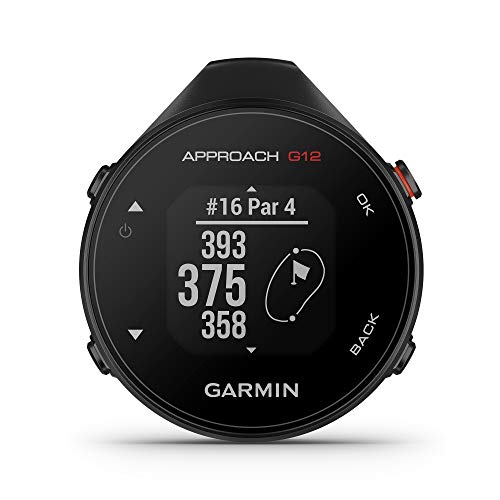
Garmin Approach G12, Clip-on Golf GPS Rangefinder, 010-02555-00

Voice Caddie VC300SE Golf GPS Rangefinder

Voice Caddie Portable Golf Launch Monitor and Swing Analyzer

Bushnell Golf Phantom 3 Slope GPS, Red/Blue

Bushnell Golf Phantom 3 Slope GPS, Green

Bushnell Golf Phantom 3 Slope GPS, Orange
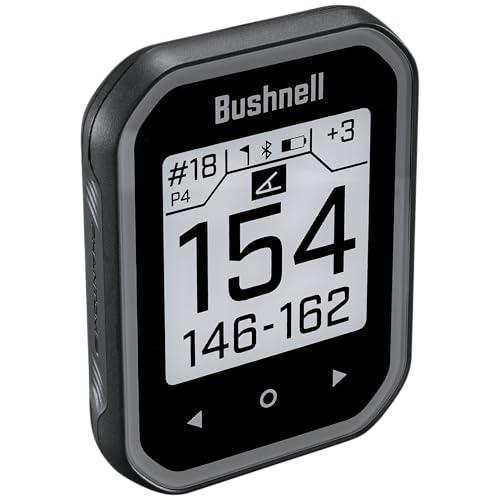
Bushnell Golf Phantom 3 Slope GPS, Black

Swami KISS 2.0 Handheld Golf GPS Ragnefinder Blue
More Details On Our Top Picks
The Garmin Approach G12 suits you well when you want a small clip-on unit that stays out of the way during a round. Its preloaded course library, listed at more than 42,000, matters because you spend less time worrying about setup and more time on the shot in front of you.
Compared with the voice-first Voice Caddie VC300SE, this pick feels more discreet and straightforward. The trade-off is obvious: you give up spoken yardages and some of the hands-free feel, but you get a tidier form factor that works nicely for walking rounds or players who keep gear minimal.
Strong Points
- Clip-on format keeps it light and easy to carry.
- Large course library helps on unfamiliar tracks.
- Simple layout suits quick glances between shots.
- Small size works well in a pocket or bag loop.
Things To Consider
- You won’t get the spoken distance readout that Voice Caddie offers.
- The compact body can feel too minimal for golfers who want a larger screen.
Feature Snapshot
Who Should Grab It
You play different courses often and prefer a small, no-fuss yardage tool that does its job quietly.
Where A Sibling Pick Shines
Voice Caddie VC300SE suits you better when spoken yardages matter more than pocketable size, especially on busy afternoons.
Voice output changes the feel of a round in a very practical way, especially when you keep moving and don’t want to stare at a tiny screen before every shot. The VC300SE also shows front, middle, and back yardages, so you get the usual green-reference numbers without digging through menus.
That makes it more talkative than the Garmin G12, and that difference matters for golfers who like quick information while walking or riding. The honest read is that voice guidance helps a lot in noisy settings, but it also adds a bit of feature complexity that plain-screen players may not need.
Highlights
- Voice readout keeps yardages easy to hear.
- Front, middle, and back distances support faster club choice.
- Course coverage stretches across a very large library.
- Hands-free style works well on a walking round.
Room For Improvement
- Some golfers still prefer silent visual feedback over spoken numbers.
- The extra feature set can feel like more than needed for casual nine-hole play.
Core Details
Built With In Mind
You want spoken yardages and a straightforward golf GPS that helps on busy tee sheets and unfamiliar courses.
A Better Fit Elsewhere
Garmin Approach G12 suits you better when a clip-on body and lower-key setup matter more than voice guidance.
Some golfers want more than yardages, and this launch monitor speaks to that need with shot data tracking and a swing-analyzer angle. The swing speed mode also lets you work on tempo indoors without needing a ball, which is handy in a garage bay, basement, or living room net setup.
It sits in a different lane from the GPS-first Garmin and Bushnell picks because it focuses on practice feedback instead of course navigation. That trade-off is useful for players rebuilding a swing, though casual on-course golfers may not use its full range very often.
Upsides
- Real-time shot data helps practice sessions feel more organized.
- Swing speed mode supports indoor work without a ball.
- Portable build makes it easier to move between spaces.
- Useful for tempo and repeatability drills at home.
Softer Spots
- Course yardage help is not the main purpose here.
- Practice-focused features make it less direct for pure round play.
- Owners will want a tidy storage spot for home-use accessories.
Details At A Glance
Right Fit For
You split time between the range and home practice, and you want feedback that goes beyond plain GPS yardages.
Look Elsewhere When
Bushnell Golf Phantom 3 Slope GPS suits you better when your main goal is fast on-course distance and slope-adjusted play.
The Phantom 3 Slope GPS lands in a sweet spot for golfers who want a larger, easier-to-read interface without carrying a full watch or clip-on setup. The touchscreen and magnetic cart mount make it especially comfortable for riding rounds, where quick glances matter more than button chasing.
Compared with the Garmin Approach G12, this Bushnell feels more like a cart-friendly dashboard. The slope-adjusted distance feature is the real hook here, though you need to remember that any slope-aware readout is more about informed judgment than simple straight-line yardage.
What We Like
- Touchscreen control makes navigation feel direct.
- Slope-adjusted yardages help on hilly courses.
- Magnetic cart mount is handy for riding play.
- Large course library supports travel and league rounds.
Points To Note
- The larger body suits carts better than a pocket.
- Touchscreens can show fingerprints during humid rounds.
- You may still prefer a simpler screen for very quick walk-up checks.
Technical Sheet
Who It Suits Best
You ride most rounds and want a clear handheld GPS that keeps yardages easy to read at a glance.
Skip It When
Garmin Approach G12 suits you better if a smaller clip-on body matters more than a touchscreen and cart mount.
You get the same Phantom 3 Slope feature set here, just with a green finish that feels a bit more distinctive in a crowded cart bag. For golfers who care about visible styling but still want the same touchscreen and slope-adjusted distance setup, this version keeps the decision simple.
The main difference from the red/blue model is visual, not functional, so your choice comes down to taste and how you like your gear to look on the course. That makes it a neat fit for players who value consistency across the lineup and don’t want to overthink the colorway.
Best Bits
- Distinct green finish stands apart from standard dark gear.
- Touchscreen layout stays easy to use mid-round.
- Slope-adjusted yardages support tougher approach shots.
- Magnetic mount keeps cart storage simple.
Areas To Watch
- Functionally it mirrors the other Phantom 3 Slope versions.
- The finish choice matters more than the feature set.
Feature Rundown
Made For
You want the Phantom 3 Slope layout and prefer a finish that feels a little less common without changing the core experience.
Another Choice May Suit
Bushnell Golf Phantom 3 Slope GPS, Black suits you better if you want the same setup in a darker, lower-profile color.
The orange Phantom 3 Slope keeps the same core cart-friendly design but adds a brighter look that stands out fast in a bag or cart tray. That can be helpful on busy courses where gear gets mixed together, and it gives you a little more visual pop without changing how the unit works.
Compared with the green and black versions, this one is the easier-to-spot sibling. The trade-off is purely aesthetic, so the practical choice comes down to whether you want the bold finish enough to make it your everyday carry.
Reasons To Buy
- Bright finish makes it easy to spot in your gear.
- Touchscreen design keeps everyday use straightforward.
- Slope-adjusted yardages help with elevation changes.
- Magnetic mounting fits riding rounds nicely.
Small Caveats
- The color is the main difference from the other Phantom 3 Slope versions.
- Bright trim may not appeal to golfers who prefer subtle gear.
At A Glance
Who Will Love This
You like the Phantom 3 Slope format and want a brighter finish that is easy to locate on the move.
Swap It Out When
Bushnell Golf Phantom 3 Slope GPS, Black suits you better if you want the same device in a quieter color.
The black Phantom 3 Slope is the quietest-looking version in the group, which makes sense for golfers who prefer a more understated bag setup. It keeps the same touchscreen, slope-adjusted distances, and magnetic cart mount, so your choice here is really about presentation rather than function.
That puts it close to the red/blue and green versions, except this finish blends in more easily with the rest of your gear. The practical upside is simple, less visual noise during a round, though the finish alone won’t matter much to golfers who care only about yardage.
Positives
- Black finish keeps the look understated.
- Touchscreen navigation stays easy during rounds.
- Slope-adjusted distances help on uneven holes.
- Magnetic cart mount supports simple placement.
Honest Caveats
- Functionally it mirrors the other Phantom 3 Slope colors.
- Style differences matter more here than performance changes.
Feature Card
The Right Fit
You want the Phantom 3 Slope formula in a low-profile color that blends in with darker golf gear.
Where Shoppers Go Wrong
Bushnell Golf Phantom 3 Slope GPS, Red/Blue suits you better if you want the same layout with a brighter finish for faster visual identification.
The Swami KISS 2.0 takes a simpler route, which is useful for golfers who want basic GPS help without a steep learning curve. Integrated magnets add everyday convenience, especially when you want to stick the unit to a cart or other metal surface during a round.
Compared with the Bushnell Phantom 3 Slope models, this pick feels less feature-heavy and more stripped down. The trade-off is clear, you lose the slope-adjusted style of the Bushnell line, but you gain a cleaner, easier-to-approach handheld that suits casual rounds and straightforward course checks.
Bright Spots
- Integrated magnets help with quick cart placement.
- Two display modes give you a bit of flexibility.
- Preloaded course data supports ready-to-use setup.
- Blue finish gives it a clear, easy-to-spot look.
Worth Noting
- The simpler feature set may feel light for golfers who want advanced course logic.
- Magnets are convenient, yet you still need a clean storage spot between rounds.
Core Details
Whose Shelf It Belongs On
You want a straightforward golf GPS helper with magnetic convenience and minimal learning curve.
Reach For A Different Pick When
Bushnell Golf Phantom 3 Slope GPS, Black suits you better if you want a more advanced touchscreen model with slope-adjusted distances.
How To Choose The Right Golf Gps Finders
Match The Display To Your Round
Small clip-on units work well for players who want fast yardages and little clutter, while touchscreen handhelds suit anyone who likes a larger, clearer read. Voice output can help on walking rounds, especially when you keep the cart path out of reach or your hands stay busy with tees and gloves. The right screen style changes how often you look down, and that affects pace as much as convenience.
For casual nine-hole play, simple layouts usually feel easier to live with. For longer rounds or unfamiliar tracks, more display detail can save you a few hesitations at the tee.
Think About Course Features You’ll Use
Preloaded course data matters because it cuts down setup and makes the unit useful the first time you bring it out. Slope-adjusted yardages help on hilly layouts, but that feature only pays off when elevation really changes your club choice. A broad course library matters most for travel, league play, and golfers who bounce between several home tracks.
Not every round needs every feature. The cleanest choice is the one that matches your usual courses instead of a spec sheet that looks impressive on paper.
Consider Carry Style And Mounting
Clip-on designs favor walkers who want something light and low-profile. Magnetic mounts make more sense on carts, where a secure metal surface gives you a steady spot for quick glances.
That little detail changes ownership more than people expect. A secure place to park the device means less fumbling, less bag digging, and fewer moments where your yardage tool slows the round.
What To Weigh Before You Click
Mistakes Worth Dodging
One common miss is choosing a feature-heavy unit for rounds where you only want quick front-middle-back distances. Another is ignoring how you actually move around the course, since a cart-focused model can feel awkward for walkers.
Screen size matters too. A tiny display may be fine for minimalist carry, but it can feel cramped in bright sun or on courses with lots of turning and elevation.
Where The Extra Money Goes
Higher-tier golf GPS units usually spend more on display quality, slope-adjusted distance logic, mounting convenience, and interface polish. You also tend to see stronger course databases and more specialized interaction styles, like voice output or easier-touch controls.
That upgrade makes sense for golfers who play often, travel often, or want less friction during a round. For a once-a-month player, a simpler model often covers the same basic yardage need without extra complexity.
Frequently Asked Questions
What does a golf GPS finder actually help with?
It gives you yardages to help with club choice and shot planning. That makes each decision faster, especially on unfamiliar courses.
Do slope-adjusted distances matter for casual rounds?
They matter most on courses with real elevation changes. On flatter layouts, a basic distance readout may be enough.
Are clip-on models easier to use than handhelds?
Clip-on units are easier to carry and keep out of the way. Handhelds usually offer a bigger display and feel better for quick visual checks.
Why do some units include magnets?
Magnets give you a handy way to secure the device to a cart or metal surface. That helps with access during a round and reduces the need to store it in a pocket.
Should practice golfers choose a GPS finder or a launch monitor?
A GPS finder helps most during actual rounds. A launch monitor suits practice time better because it focuses on shot data and swing feedback.
Closing Thoughts
Your best match depends on how you play, not just how many features sit on the box. Walkers often do well with the Garmin Approach G12 or Voice Caddie VC300SE, while cart riders usually get more out of the Bushnell Phantom 3 Slope line. The Voice Caddie launch monitor belongs to practice-minded golfers who want swing feedback at home, not just course yardage. Pick the tool that fits your round style, and it’ll feel useful from the first tee to the last green.