

Hands that sweat on the tee box can turn a clean swing into a slippery mess, especially during humid rounds, summer practice, or a long walk with a push cart. The right glove helps you keep the club steady without feeling stiff or bulky, and it also makes repeat grips feel more consistent from hole to hole. You’ll see a mix of soft leather, synthetic builds, training-focused designs, and multi-pack options here, so you can match the glove to your routine instead of forcing one style to do everything.
Quick Look At The Shortlist

FootJoy StaSof Golf Glove

FootJoy WeatherSof 2-Pack Golf Glove
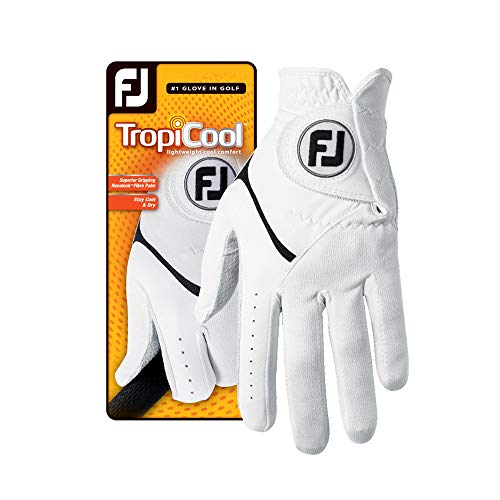
FootJoy Tropicool Gloves

ME AND MY GOLF True Grip Training Glove

CaddyDaddy Claw PRO/MAX Mens Golf Glove

Vice Duro Golf Gloves, White

Callaway Golf Dawn Patrol Glove

Wedge Pad Golf Glove Premium Synthetic
More Details On Our Top Picks
StaSof leans into a softer, more traditional golf-glove feel, which suits you well on long practice days or full rounds in warm weather. The cadet sizing on the source data also matters, because short-finger hands often get a cleaner fit there than in standard gloves.
Compared with the WeatherSof 2-Pack, this one feels more like a single, more refined glove choice than a practical backup bundle. The honest trade-off is simple, you’re paying attention to feel and fit first, not package count.
Strong Points
- Soft hand feel suits players who dislike a stiff glove.
- Cadet sizing can help short-finger hands sit more naturally.
- Good for repeat rounds where comfort matters as much as control.
- FootJoy’s familiar glove shape makes the adjustment period easy.
Small Caveats
- Single-glove purchase means you’ll want a backup on hand.
- Soft materials usually reward careful drying after humid rounds.
- It’s more about feel than training help or extra structure.
Feature Snapshot
Who It Suits Best
Golfers who want a softer, more polished feel for regular play will get the most from this one.
A Better Fit Elsewhere
FootJoy WeatherSof 2-Pack Golf Glove suits you better when you want a spare glove ready for practice days and mixed conditions.
WeatherSof makes sense for you when sweat shows up before the turn and you’d rather keep a spare ready than stop halfway through a round. The FiberSof material is built for a steady fit with a softer touch, while the MicroTac panels add grip where the hand takes the most strain.
That makes it a practical step down from StaSof in polish but a step up in convenience for everyday use. It’s not fancy, and that’s part of the appeal.
What We Like
- Two gloves in the pack help you rotate between rounds.
- FiberSof aims for a consistent fit with a soft hand feel.
- MicroTac areas focus grip support where pressure builds most.
- ComforTab closure gives you a more settled wrist feel.
Worth Noting
- Pack-style value is useful, though it’s still a straightforward glove.
- Soft construction works best when you store it dry and flat.
- Players wanting a training aid or extra structure should look elsewhere.
Core Details
Who Will Love This
You’ll like this most for routine practice and casual rounds where a spare glove matters.
Another Choice May Suit
FootJoy StaSof Golf Glove suits you better when a softer, more premium single-glove feel matters more than a two-pack.
Tropicool fits the golfer who keeps playing once the heat turns the course into a furnace. The name tells the story, but the better point is that it’s aimed at warmer rounds where comfort and a drier hand feel matter more than extra frills.
Compared with the WeatherSof pair, this one is less about bundle value and more about staying comfortable through hot afternoons. You may find it especially sensible for summer travel rounds, cart-path practice, or a humid home course.
Highlights
- Built with hot-weather play in mind.
- Useful for humid days when hands start slipping earlier.
- Simple glove format keeps the focus on comfort.
Points To Note
- Source data gives no material detail, so fit preference matters most.
- It’s a straightforward glove, not a bundle or training tool.
- Dry storage still helps any glove stay in better shape between rounds.
Details At A Glance
Right Fit For
Warm-climate golfers and summer regulars get the most practical value from this pair.
Swap It Out When
FootJoy WeatherSof 2-Pack Golf Glove makes more sense when you want two gloves instead of one warmer-weather-focused option.
This glove is aimed at grip shape, not just hand cover, so it makes more sense for practice sessions than a casual nine holes. The silicone palm and finger sections are meant to show you where the club should sit, which can help your hands find a repeatable hold.
The visual markers add another layer, especially for golfers working on hand position or shoulder alignment during drills. Compared with FootJoy’s softer options, this one trades comfort-first simplicity for a more teaching-focused design.
Reasons To Buy
- Silicone placement helps guide the club into a steadier hold.
- Dual-knuckle and arrow cues make hand position easier to read.
- Useful for practice ranges and lesson-style sessions.
- Can help you notice grip habits that regular gloves hide.
Areas To Watch
- Training design makes it less relaxed for everyday casual wear.
- Large-Extra Large sizing narrows the fit range.
- It’s more useful for drills than for pure comfort.
Feature Rundown
Built With In Mind
Golfers working on grip fundamentals or swing drills get the most from this glove.
Where A Sibling Pick Shines
FootJoy StaSof Golf Glove suits you better for regular play, especially when you want comfort without training cues.
Claw PRO/MAX leans hard toward durability, so it stands apart from softer choices like StaSof and WeatherSof. The flex-mesh build is meant to keep the hand cooler, while the silicone-web coating gives you a firmer hold on the club.
That mix should suit golfers who go through gloves quickly or prefer a grippier, more workmanlike feel. It does ask you to trade some traditional leather softness for longer service and a less delicate texture.
Best Bits
- Flex-mesh design supports air flow during warmer rounds.
- Silicone-web coating adds a more assertive grip feel.
- Built to last longer than standard leather-style gloves.
- Orientation options make handedness easier to match.
Room For Improvement
- The grippy texture may feel firmer than classic glove leather.
- Orientation must match your playing hand, so double-check before ordering.
- Heavier-duty materials can feel less soft in the first stretch of use.
Quick Facts
Whose Shelf It Belongs On
You’ll get the most from this glove if durability and grip feel matter more than a soft traditional touch.
Look Elsewhere When
Callaway Golf Dawn Patrol Glove is a better fit for golfers who want a more familiar, comfortable everyday shape.
Vice Duro is the kind of glove that makes sense for golfers who prefer to keep a fresh pair ready and rotate often. The pack format is especially useful in humid climates, where one glove can stay damp longer than you’d like.
Compared with the single-glove options above, this one is about convenience and replacement rhythm rather than a highly tuned fit story. The white finish is straightforward, though it usually asks for a little more cleaning attention than darker gear.
Upsides
- Pack of six helps you stay stocked for regular play.
- Useful for golfers who like to rotate gloves often.
- White styling keeps the look clean and simple.
- Practical for range work where gloves wear faster.
Honest Caveats
- Pack quantity matters more here than a premium-feel finish.
- White gloves generally need more care after dusty or sweaty rounds.
- It suits routine use better than specialized training work.
Core Details
Made For
Frequent practice golfers and anyone who likes several gloves on hand will appreciate this set.
Where Shoppers Go Wrong
Callaway Golf Dawn Patrol Glove is a better fit when you only need one polished everyday glove instead of a larger pack.
Dawn Patrol sits in the useful middle ground, which is exactly why it makes sense for routine weekend golf. The cadet option, built for short fingers, is the detail that stands out here, since fit problems often start with finger length rather than palm size.
Compared with the heavier-duty CaddyDaddy glove, this one feels more familiar and less specialized. That makes it a sensible pick for players who want comfort, a known shape, and fewer moving parts.
Bright Spots
- Cadet sizing helps short-finger hands settle better.
- Comfortable everyday shape suits normal round use.
- Simple design keeps the focus on play, not gimmicks.
- Good middle-ground option for regular golfers.
Things To Consider
- You’ll want to confirm sizing because the source data points to options rather than one universal fit.
- It’s a straightforward glove, so pack value and training aids are not the focus.
- Routine drying helps preserve shape after sweaty rounds.
Technical Sheet
The Right Fit
You’re the best match for this glove if you want a familiar, comfortable option for regular rounds.
Skip It When
ME AND MY GOLF True Grip Training Glove suits you more if your main goal is grip instruction rather than everyday comfort.
Wedge Pad is the bare-bones control option in this lineup, and that makes it useful for golfers who want a straightforward synthetic glove without extra fuss. The no-twist and nonslip language points to a grip-first build, which should appeal to you during practice or on rounds where club rotation gets annoying.
Compared with Callaway’s more traditional shape, this one leans harder toward grip security than all-day softness. The trade-off is a simpler feel, but that can be the right call for left-hand players who want direct club contact.
Positives
- Synthetic build keeps the focus on grip control.
- No-twist design suits players who want steadier club handling.
- Left-hand orientation is clear and easy to match.
- Simple setup works well for range sessions and short rounds.
Minor Gripes
- Source data keeps the details lean, so fit preference does the heavy lifting.
- Grip-first shape may feel firmer than softer leather-style gloves.
- Left-hand orientation means you need to match your playing setup carefully.
Spec Overview
Perfect Match For
You’ll like this most if you want a simple, grip-focused glove for your left hand.
Reach For A Different Pick When
FootJoy StaSof Golf Glove is the better route when softness and a more polished feel matter more than a stripped-down synthetic build.
How To Choose The Right Golf Gloves For Sweaty Hands
Grip Feel Starts With Surface Material
Material makes the first big difference because sweaty hands need a glove that stays steady instead of turning slick halfway through a round. Soft leather usually gives a smoother, more natural touch, while synthetic builds often bring a firmer hold and easier upkeep, especially after humid sessions. The trade-off is simple: softer gloves can feel nicer, but firmer materials often hold their shape better across repeated wear. You’ll feel that choice most during long walks, range days, and summer tee times.
Fit Matters More Than A Fancy Label
A glove that fits cleanly across the fingers and palm tends to handle moisture better than one that bunches or stretches out. Cadet sizing helps short-finger hands, and that matters because excess fabric can create tiny slippage points once sweat builds. The best fit is snug without cutting off comfort, like a handshake that ends before it gets awkward. Players with in-between sizes usually benefit from trying the most specific fit option available rather than guessing upward.
Closure Design Affects Stability
Wrist closure sounds minor, but it plays a real part in keeping the glove settled during full swings. A secure tab or wrap helps the glove stay planted when your grip pressure changes from warm-up swings to the first tee. The trade-off shows up in comfort, since a tighter closure can feel less relaxed during casual wear. For most golfers, the cleaner wrist feel is worth it because it helps the whole glove stay put.
Match The Glove To Your Round Pattern
Golfers who play often in humid weather usually benefit from multi-packs or tougher synthetic materials, since sweat and wear happen faster than expected. Players who mostly practice at the range may prefer a training glove or a grippier design that makes hand position more obvious. Weekend golfers often do best with a balanced glove that feels comfortable from the first hole and doesn’t demand much fuss. Your best choice is the one that matches your routine, not just the one with the most features.
Things Worth Knowing First
Wrong Turns To Avoid
Many golfers focus on softness alone and end up with a glove that feels nice for ten minutes but slips once humidity rises. Another common miss is overlooking sizing details, especially cadet cuts or handedness, which can make a glove feel off even before the first swing. A quick check of fit, hand orientation, and intended use saves trouble later.
Care matters too, since sweaty gloves last longer when they’re dried flat and stored out of a damp bag pocket. That small habit helps any pick hold its shape a little better between rounds.
The Upgrade Payoff
Higher-tier gloves often cost more because of better leather grades, more detailed panel construction, or add-ons like training markers and specialty grip zones. Those extras matter most for golfers who play often, sweat a lot, or want a glove that behaves more consistently across many rounds. You’re usually paying for steadier fit and a more refined hand feel, not just a logo.
For occasional play, a simple glove can be enough. For frequent rounds in heat, the better materials and tighter construction can feel worth the step up.
Frequently Asked Questions
What glove style works best for sweaty hands?
Synthetic or hybrid gloves often handle moisture well because they keep their shape and dry more quickly. Soft leather still works for plenty of golfers, but fit becomes even more important.
Should you buy one glove or a multi-pack?
A multi-pack helps when you play often or practice in humid weather, since you can rotate gloves as one dries. One glove makes more sense for occasional rounds and more refined feel preferences.
Does cadet sizing really matter?
Yes, especially for short-finger hands. A cleaner finger length can reduce bunching and help the glove sit more naturally.
Are training gloves useful for normal rounds?
They can work, but their main strength is grip guidance rather than relaxed comfort. Many golfers keep them for drills and wear a more traditional glove on the course.
How should you care for a sweaty golf glove?
Let it dry fully after play and keep it flat or gently shaped, not crumpled in a pocket. That habit helps preserve the fit and slows down the sloppy stretch that sweaty rounds can create.
Closing Thoughts
You have plenty of solid paths here, and the right one depends on how often your hands sweat and how you like a glove to feel during the swing. FootJoy StaSof and WeatherSof cover the comfortable, familiar end of the range, while CaddyDaddy and Wedge Pad lean harder into grip and durability. If your summers are humid or your range sessions run long, focus on fit first and material second, because a glove that sits right usually handles sweat better. Start with the option that matches your round pattern, and the rest gets much easier.


