

Golf performance often stalls for the same boring reasons: tight hips, weak rotation, inconsistent speed work, and routines that never quite stick. The right golf fitness program gives you structure without turning your week into a second job. That matters whether you sit all day, play on weekends, or want a plan that feels realistic between rounds.
Below, you’ll find a mix of training systems, books, and Kindle guides that approach the same goal from different angles. Some lean on equipment and guided workouts, while others focus on planning, recovery, and habit-building. You can match the format to your schedule, space, and how much coaching you want from the page or the product itself.
Quick Look At The Shortlist

Swing Trainer – Golf Fitness & Training System for Strength, Flexibility & Swing Power
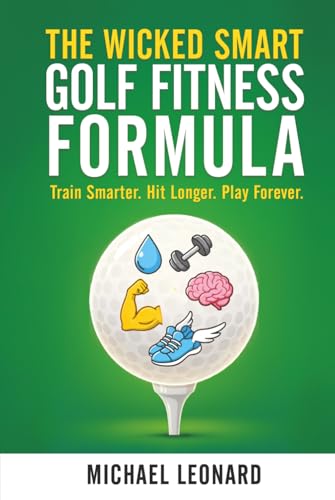
The Wicked Smart Golf Fitness Formula: Train Smarter. Hit Longer. Play Forever.

6 Weeks To Golf Fitness: How to Get Healthy And Fit, And Hit The Ball Further Than Ever!

The Ultimate In-Home Golf Fitness Program: Your 12-Week Plan Towards Increased Distance, Durability, and Flexibility

The Wicked Smart Golf Fitness Formula: Train Smarter. Hit Longer. Play Forever.

The Ultimate Golf Fitness Program: A 12-Week Workout Plan for Golfers

The Ultimate Guide To Golf Fitness Training: 4 Steps To Developing A Golf Fitness Program That Gets Results
More Details On Our Top Picks
GolfForever stands out because it pairs a training bar with membership access, so you are not left guessing what to do with the hardware. That makes it a strong fit for garage workouts or a spare room routine, especially for golfers who want more than a lone device collecting dust.
The trade-off is commitment, since a system like this asks for space, repetition, and a little patience. For golfers who want a guided setup tied directly to swing work, though, that structure can feel a lot more useful than a loose stack of exercises.
What We Like
- The training bar gives your sessions a clear physical anchor, which helps keep practice focused instead of random.
- Membership access adds guided direction, so you spend less time guessing and more time following a plan.
- The setup fits at-home routines well, which matters for golfers who want regular work between rounds.
- Its golf-specific angle makes it easier to connect movement work to swing mechanics, not just general exercise.
Things To Consider
- The system takes more commitment than a book, so casual tinkerers may not stick with it.
- You need enough indoor space for comfortable use and storage.
- Any gear-based routine needs regular put-away and setup, which adds a small maintenance habit.
Feature Snapshot
Who It Suits Best
You should look at this first if you want a guided home system and you’re comfortable following a structured plan week after week.
A Better Fit Elsewhere
GolfForever is less suited to golfers who want a simple reading plan, and Michael Ray Leonard’s The Wicked Smart Golf Fitness Formula fits that style better.
This title leans hard into the whole golfer lifestyle, not just drills in a vacuum. You get a plan that speaks to energy, focus, recovery, sleep, and food choices, which matters for anyone whose swing falls apart after a long workday or a packed weekend.
The honest read is that it suits self-directed golfers who want structure without extra hardware. Compared with GolfForever’s gear-first setup, this one feels easier to start and easier to keep in rotation during a busy week.
Highlights
- The book covers training, recovery, and performance habits in one place.
- It addresses stiffness and overuse concerns with a more complete routine than workout-only plans.
- The speed-training angle is useful for golfers who want distance gains tied to disciplined work.
- Sleep and nutrition guidance help turn golf fitness into a full-week habit, not just a range-day idea.
- The personalized-plan approach is helpful for golfers who dislike rigid templates.
Minor Gripes
- You need self-motivation, because a book only works as well as the routine you build around it.
- There is no physical training tool included, so you supply your own setup.
Core Details
Who Will Love This
You fit this well if you want a golf fitness book that blends training advice with recovery and daily habits.
Swap It Out When
GolfForever is the better match for golfers who want equipment in hand, while The Ultimate Golf Fitness Program from Brandon Gaydorus suits someone who prefers a tighter 12-week workout format.
Phil Davies keeps things simple with a six-week structure, which is helpful for golfers who want a clear finish line instead of an open-ended plan. The mention of a Swiss ball, or stability ball, signals a home-friendly workout style that can work in a living room, basement, or garage corner.
For a busy schedule, that shorter arc can feel easier to commit to than a longer manual. Compared with the broader lifestyle focus of The Wicked Smart Golf Fitness Formula, this one reads more like a clean, direct workout path.
Best Bits
- The six-week structure gives you a defined starting point and a clear endpoint.
- The stability-ball reference points toward practical home training without much setup.
- The format suits golfers who want a focused routine instead of a thick, sprawling manual.
- Shorter plans often feel easier to revisit during the season.
Worth Noting
- The narrower scope may leave you wanting more detail after the six-week run.
- You still need basic home space and a little consistency to get value from it.
At A Glance
Right Fit For
You fit this book best if you want a short, direct golf fitness plan and prefer a fixed timeline.
A Better Fit Elsewhere
Brandon Gaydorus’ The Ultimate In-Home Golf Fitness Program fits better for golfers who want a longer 12-week path with more room to build gradually.
Brandon Gaydorus gives you a home-based plan with a full 12-week runway, which suits golfers who want steady progress without a rushed feel. Distance, durability, and flexibility are all baked into the title, so the emphasis is not just on swinging harder but on moving better over time.
That longer structure pairs well with a garage or home gym corner, where consistency matters more than fancy equipment. Compared with Phil Davies’ six-week book, this one leaves more room for gradual buildup, which can feel friendlier for newer golfers.
Positives
- The 12-week length gives your routine enough time to settle in.
- Its home-first setup makes it practical for golfers who train away from a club facility.
- The focus on durability and flexibility helps support better movement habits over time.
- Distance work is balanced with general physical upkeep, which keeps the plan from feeling narrow.
Areas To Watch
- The longer timeline asks for patience and repeat effort.
- You will want to stay organized, because a plan this size works best with a steady calendar.
Feature Rundown
Best Suited To
You fit this well if you want a longer home program with a clear weekly arc.
Look Elsewhere When
GolfForever suits you better if you want a guided training bar and membership support instead of a book-only setup.
Michael Ray Leonard’s formula appears again here because the product page points to a broad, habit-friendly approach that works for daily life, not just gym time. The focus on recovery, sleep, and eating for performance makes sense for golfers whose biggest hurdle is staying consistent through work weeks, travel, or long practice blocks.
Compared with GolfForever, this one asks less of your space and more of your follow-through. That trade-off suits golfers who want a stronger routine on paper before they commit to equipment or a more elaborate setup.
Reasons To Buy
- It connects golf fitness to recovery and sleep, which can matter just as much as reps.
- The nutrition angle is practical for golfers who want energy support without rigid meal rules.
- Speed work and mobility ideas fit well into a long-term routine.
- The broad plan is helpful for golfers who want to clean up the whole week, not just workout time.
Softer Spots
- It still depends on your own discipline, since the guidance lives in the book rather than in a guided device.
- Golfers who want a fixed 6- or 12-week calendar may prefer a more tightly packaged program.
Core Details
Whose Shelf It Belongs On
You should gravitate here if you want a practical golf fitness book that ties daily habits to swing performance.
Where A Sibling Pick Shines
The Ultimate Golf Fitness Program from Brandon Gaydorus fits better for golfers who want a narrower 12-week workout plan with fewer lifestyle branches.
This Brandon Gaydorus plan stays straightforward, and that simplicity can be a plus for golfers who want a clean twelve-week roadmap. It feels especially useful for home exercisers who like knowing exactly where the week is headed without sorting through extra lifestyle advice.
Compared with the in-home version from the same author, this one reads a bit more stripped down, which may suit golfers who want less clutter and more direct work. The honest read is that this makes it a practical choice for self-starters, not for anyone hoping for built-in coaching.
Positives
- The 12-week format gives the plan a tidy rhythm.
- Its workout focus keeps the content centered on training.
- The streamlined approach is easy to follow for golfers who dislike overbuilt programs.
- It works well as a repeatable seasonal reset.
Small Caveats
- There is less lifestyle guidance here than in the broader books on this list.
- You still need to supply your own consistency and workout space.
Feature Card
Made For
You fit this best if you want a simple golf workout plan with a defined finish line.
Reach For A Different Pick When
The Wicked Smart Golf Fitness Formula fits better for golfers who want recovery, sleep, and nutrition woven into the same plan.
Mark Tolle’s guide feels like the most framework-driven option here, which can be helpful for golfers who want to build a plan instead of simply follow one. The four-step structure should suit you well in a quiet home setting or anywhere you like to map things out on paper first.
Compared with the more detailed book approaches, this one is narrower and more foundational. That can be a strength for beginners, because a clear framework often feels less overwhelming than a long list of drills and habits.
Strong Points
- The four-step structure keeps the process easy to follow.
- It works as a planning tool for golfers who want a system first and a routine second.
- The narrower scope can feel less intimidating for new golfers.
- It pairs well with a simple notebook or calendar-based routine.
Room For Improvement
- The framework focus leaves less room for deep workout detail.
- You may want a fuller book later once your basics are set.
Quick Facts
Built With In Mind
You fit this best if you want a compact planning guide and prefer a simple framework over a long workout manual.
Another Choice May Suit
Phil Davies’ 6 Weeks To Golf Fitness fits better for golfers who want a more time-bound workout path with a clearer six-week arc.
How To Choose The Right Golf Fitness Programs
Start With Your Real Routine
Golf fitness only helps when it fits the way you already live. A training bar with membership access makes sense for golfers who like guided movement and have a little room to store gear, while a Kindle guide fits better for commuters, frequent travelers, or anyone who trains in short bursts between other obligations.
Think about friction before you think about flash. The more steps a plan adds, the more likely it is to sit untouched, especially during a busy work week.
Match The Format To Your Motivation
Books and ebooks work well for self-starters who like to read, plan, and adjust on the fly. Equipment-based systems suit people who want a physical cue to get moving, because the setup itself can make the session feel more real.
Short programs such as a six-week plan can keep you engaged through a busy season. Longer 12-week plans suit golfers who prefer a steadier build and don’t mind staying patient.
Look Beyond Swing Speed Alone
Distance matters, but so do mobility, recovery, and consistency. A plan that mentions sleep, food, stiffness, or overuse problems is doing more than selling swing speed, it’s addressing the habits that often shape how you feel on the course.
That broader view is especially useful for golfers in their thirties, forties, and beyond, or anyone whose body feels the rounds the next day. The best fit usually supports your joints, your schedule, and your follow-through, not just your desire to hit it farther.
Choose A Plan You Can Repeat
Repeatable routines beat dramatic promises. The strongest pick for you is the one you can return to after a late round, a work trip, or a stretch of bad weather.
That usually means a clear structure, plain language, and a format that matches your habits. A good golf fitness product should feel like a steady stair step, not a leap you have to force every time.
A Quick Reality Check Before You Commit
Common Shopping Slip Ups
Many golfers grab a program that sounds intense but never matches their schedule. A tighter six-week or four-step guide can be easier to finish than a sprawling plan, especially for anyone balancing work, family, and rounds on weekends.
Another common miss is buying a gear-heavy system without enough room to use it. Storage matters more than people expect, because a product you can’t keep accessible rarely becomes part of a habit.
The Upgrade Payoff
Higher-tier options tend to cost more because they include more structure, more guidance, or more moving parts. A training system with membership access usually gives you a richer experience than a plain ebook, since the support extends beyond the initial purchase.
That extra spend makes sense when you want accountability or a more complete routine. It matters less when you already know what to do and just need a clean framework to follow.
Frequently Asked Questions
What makes a golf fitness program worth your time?
A worthwhile program fits your schedule and your training style. It should help you move better, stay consistent, and work toward the kind of swing changes you can actually repeat.
Do you need equipment for golf fitness work?
No, plenty of solid options are book-based or ebook-based. Equipment helps for some golfers, but a clear plan can still carry a routine on its own.
Are short programs enough?
Yes, a short program can be useful when you need structure without a long commitment. That said, longer plans usually give you more room to build habits and keep them steady.
Which format suits a busy schedule best?
Kindle guides are the easiest to carry and revisit, especially for travel or commuting. A short, direct workout plan also works well when you only have small blocks of time.
What should you prioritize first, speed or mobility?
Mobility gives you a stronger base, because stiff movement tends to limit clean swing work. Speed training matters too, but it usually works better after your body can move comfortably.
Final Thoughts
Golf fitness works best when it feels realistic enough to repeat. The right pick for you might be a guided swing system, a simple 12-week book, or a planning-focused ebook that helps you think through the routine first. What matters is matching the format to your space, your discipline, and the kind of golf problem you actually want to solve. Choose the option that fits your week, and the rest gets a lot easier to keep up with.
