

Golf course GPS gear can make a long round feel a lot less like guesswork. You get clearer yardages, easier cart-side checks, and fewer second-guess moments over hazards or layup spots. Some options stay simple and portable, while others add speaker functions or even launch-monitor features for practice days. The right one depends on how much detail you want, how you ride or walk, and whether you care more about compact handling or extra course data.
Quick Look At The Shortlist

Garmin Approach G80 Premium GPS Golf Handheld

Bushnell Golf Phantom 3 Slope GPS

MiLESEEY GeneSonic Pro Golf GPS Speaker

Swami KISS 2.0 Handheld Golf GPS Ragnefinder

Swami KISS 2.0 Handheld Golf GPS Ragnefinder

Bushnell Golf Wingman View Golf Speaker
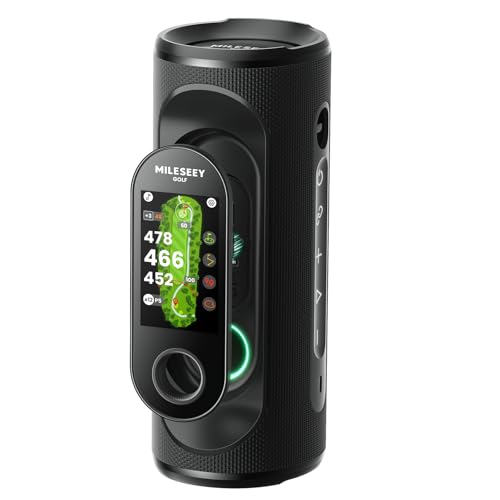
MiLESEEY GeneSonic Pro Golf GPS Speaker No-Subscription
More Details On Our Top Picks
The Approach G80 makes sense for golfers who want one device for the round and the practice mat. Its 3.5-inch touchscreen keeps the layout readable without turning the unit into a brick, and the launch monitor function adds a second job that many handhelds skip.
You may find that mix especially useful for home practice, range sessions, or travel weeks where packing one device beats packing two. The trade-off is that the extra capability raises the bar on what you’ll actually use, so casual cart riders who only want yardages may not need this much machine.
Strong Points
- GPS yardage and launch monitor duties live in one handheld, which keeps your gear bag simpler.
- The 3.5-inch touchscreen helps you read distances quickly between shots.
- Good fit for practice routines, especially when you split time between the range and the course.
- The compact handheld format is easier to store than larger cart-mounted setups.
Things To Consider
- Extra functions can feel unnecessary for golfers who only want basic hole yardages.
- A touchscreen can add fingerprints and cleaning to the normal upkeep routine.
- More features usually mean more menu learning before the device feels second nature.
Feature Snapshot
Who It Suits Best
Golfers who split time between scoring rounds and practice sessions will get the most out of it.
A Better Fit Elsewhere
Bushnell Golf Phantom 3 Slope GPS suits golfers who want a simpler handheld with slope-adjusted yardages and less practice-focused complexity.
This Phantom keeps the shape compact, but the slope-adjusted yardages give it more on-course usefulness than a bare-bones handheld. A built-in magnet mount also suits cart rounds, so you can park it where your eyes naturally land instead of fishing it out of a pocket.
For regular weekend rounds, that balance feels easy to live with. The honest read is that players who already know their way around a course may not need every feature here, yet the 38,000-plus-course library and touchscreen setup make it a comfortable middle ground.
What We Like
- Slope-adjusted distances add context on uphill and downhill shots.
- The magnetic cart mount supports easy placement during riding rounds.
- Touchscreen operation keeps quick checks straightforward.
- Large course coverage suits travel and frequent play across different layouts.
Small Caveats
- Slope features can be more than some casual golfers want to manage.
- Magnetic mounting works best on carts with a practical metal surface.
- Touchscreen surfaces still ask for regular wiping to stay readable.
Core Details
Who Should Grab It
Cart golfers and traveling players who want a compact device with slope awareness will feel right at home here.
Swap It Out When
Garmin Approach G80 makes more sense for golfers who want launch-monitor practice features along with their GPS device.
This MiLESEEY model leans into information density, which suits golfers who like yardages spoken aloud and shown on a color touchscreen. The detachable handheld design gives it a bit of flexibility, and the MagLock setup should appeal to cart riders who want the unit parked in a steady spot.
It also stands out because it covers layup, front-center-back, and hazard distances, so the yardage picture feels fuller than a basic front-middle-back readout. You may find the 15-hour battery useful on long playing days, though the amount of detail means a shorter learning curve for some golfers and a steeper one for others.
Highlights
- Visual and audible yardages suit golfers who prefer both screen and voice cues.
- Layup, front-center-back, and hazard data give you more shot context.
- The detachable handheld format keeps the device flexible across cart and walking use.
- IP67 protection helps it fit wetter, dustier, or messier golf days more comfortably.
- 15-hour battery life supports a long round plus extra time around the course.
Areas To Watch
- More data can mean more menu steps before you feel fully fluent with it.
- Voice guidance is helpful, yet some golfers still prefer a quiet round.
- The richer feature set may feel like overkill for simple weekend play.
Details At A Glance
The Right Fit
Golfers who want spoken yardages, visual detail, and a device that can move between cart and hand use will appreciate it most.
Where A Sibling Pick Shines
Bushnell Golf Phantom 3 Slope GPS is the simpler choice for golfers who want slope-adjusted distances without as much menu depth.
The blue Swami KISS 2.0 keeps the formula simple, which helps on rounds where you just want preloaded course data and a quick read. Integrated magnets make cart placement easy, and the two display modes give you a little room to choose the format that feels most natural.
That lighter approach pairs well with players who dislike feature-heavy gear. The trade-off is that a simpler handheld won’t feel as data-rich as the MiLESEEY options, so the value here sits in convenience rather than depth.
Bright Spots
- Preloaded course data reduces setup work before a round.
- Two display modes make the screen feel more adaptable to your preferences.
- Integrated magnets help the unit stay close during cart play.
- The compact handheld format keeps pocket or bag storage easy.
Points To Note
- Less feature depth means fewer advanced shot-planning tools.
- Display-mode choices still require a short learning period.
- Magnetic mounting depends on having a cart setup that suits it.
Quick Facts
Built With In Mind
Golfers who want a straightforward handheld with minimal fuss and cart-friendly mounting will find this one easy to live with.
Look Elsewhere When
MiLESEEY GeneSonic Pro Golf GPS Speaker suits golfers who want voice prompts, more yardage detail, and a richer feature set.
The grey version follows the same easygoing playbook as the blue Swami, but the neutral finish may feel a little more understated in a mixed bag or cart setup. Preloaded course data keeps the start of a round smooth, and the magnetic body still gives you a handy place to park it.
That makes it a sensible choice for golfers who want something dependable without a long feature tour. Compared with the Bushnell Phantom 3 Slope GPS, this one asks less of you and gives less back in advanced yardage detail, which is exactly what some casual players prefer.
Positives
- Preloaded data makes course prep quick and simple.
- Integrated magnets help with easy cart positioning.
- Two display modes add a small but useful amount of flexibility.
- Subtle grey styling suits golfers who prefer a quieter look.
Honest Caveats
- It stays basic compared with slope-enabled or speaker-style picks.
- Less advanced detail can leave some shot-planning golfers wanting more.
- Magnetic storage is practical, but still tied to cart compatibility.
Feature Card
Whose Shelf It Belongs On
Casual golfers who want a low-fuss handheld with a muted finish and easy cart handling will appreciate it most.
Another Choice May Suit
Bushnell Golf Phantom 3 Slope GPS is the stronger fit for players who care about slope-adjusted yardages and broader on-course detail.
The Wingman View takes a different path from the handheld-first models above, because it folds GPS feedback into a speaker format. That makes it appealing for golfers who like audible yardages, remote control access, and a magnetic cart mount that keeps the unit right where you need it.
Hazard detection adds a useful layer, especially on unfamiliar courses where trouble spots are easy to miss from the tee box. You may find the speaker-first design less convenient in quieter groups, though, so it works best for carts and players who want course info with a more social feel.
Best Bits
- Audio and visual distance cues give you two ways to check the hole.
- Remote control access keeps adjustments easy from the cart.
- Hazard detection helps you think through trouble spots sooner.
- Magnetic mounting keeps the speaker easy to place during a round.
Worth Noting
- Speaker-style gear may not suit golfers who prefer a quieter setup.
- The larger form can feel less pocket-friendly than handheld-only picks.
- Cart use makes the most sense, so walkers may not enjoy it as much.
Technical Sheet
Best Suited To
Cart golfers who want golf info mixed into a speaker setup will get the most from it.
Reach For A Different Pick When
Bushnell Golf Phantom 3 Slope GPS suits golfers who want a smaller handheld and slope-adjusted distances without the speaker format.
This version keeps the same GeneSonic Pro structure as the earlier MiLESEEY pick, but the no-subscription angle makes the ownership story easier to understand. You still get the detachable handheld rangefinder design, MagLock mounting, color touchscreen, and visual plus audible yardage cues.
For frequent golfers, the appeal is straightforward, less recurring overhead and plenty of course detail in one package. The trade-off is that the feature list still asks for some setup attention, so it fits best with golfers who actually plan to use the extra depth rather than let it sit in the bag.
Reasons To Buy
- No-subscription positioning keeps the long-term ownership picture cleaner.
- Color touchscreen and voice cues make distances easier to absorb quickly.
- The detachable handheld design adds flexibility for cart and walk rounds.
- Visual, audible, and hazard-oriented data support more informed shot planning.
- IP67 protection suits rougher golf days and easy outdoor cleanup.
Softer Spots
- More features usually mean more menu learning at the start.
- The speaker-plus-handheld idea may feel like too much for minimalists.
- Regular charging habits matter because richer devices are easier to leave half-ready.
Core Details
Built With In Mind
Frequent golfers who want a feature-rich GPS speaker with no-subscription positioning will find this one especially practical.
Where Shoppers Go Wrong
Bushnell Golf Wingman View Golf Speaker is the closer fit for golfers who want a simpler speaker-based setup with remote control and hazard detection.
How To Choose The Right Golf Course Gps Systems
Match The Format To Your Round
Handheld units work well for golfers who walk often, carry a slim bag, or want a device that slips into storage without drama. Speaker-style options suit cart-heavy rounds, where audible yardages and cart-mount convenience matter more than pocket size. Launch-monitor hybrids like the Garmin Approach G80 belong in a different lane, since they serve both practice and course time.
That format choice matters more than many shoppers expect. A compact shell can feel wonderfully simple on a Saturday round, while a fuller feature set pays off only when you’ll actually use it.
Focus On The Distance Style You Prefer
Some golf GPS systems keep things basic with front, middle, and back yardages, which is enough for plenty of casual play. Others add slope-adjusted numbers, hazard alerts, layup distances, or audible prompts, and those extras help on unfamiliar tracks or more strategic rounds.
Think about how you make decisions on the course. Golfers who trust quick visual checks often prefer a straightforward screen, while golfers who like a little coaching from the device tend to appreciate voice cues and broader hole data.
Think About Mounting, Power, And Cleanup
Magnetic cart mounts are genuinely handy, but they make the most sense for carts with a stable metal surface. Battery life also matters in a practical way, especially on long rounds, practice days, or trips where charging space is limited.
Touchscreens and speaker bodies also ask for some upkeep, mostly wiping fingerprints, dirt, or moisture after play. That’s not a drawback so much as a real ownership habit, and it matters more as the feature list gets richer.
Pay For Depth Only When You'll Use It
More expensive models usually bring larger course libraries, slope features, better controls, stronger protection, or extra practice tools. Those additions help golfers who travel often, split time between range and course, or want a single device that does a lot.
For occasional play, a simpler handheld often makes better sense. You save money in the long run by choosing the level of detail you’ll actually use, not the one that looks most packed on the product page.
What To Weigh Before You Choose
Mistakes Worth Dodging
A common slip is treating every GPS unit like the same kind of tool. Speaker models, handhelds, and launch-monitor hybrids solve different problems, so the better move is to start with your round style and work backward.
Another mistake is overbuying detail. A golfer who only wants quick yardages can end up with menus, modes, and features that never get touched.
The Upgrade Payoff
Higher-tier models usually cost more because they pack in slope adjustments, richer displays, stronger mounting systems, longer battery support, or extra practice functions. That added hardware and software depth gives you more context on the course and less juggling between separate devices.
The upgrade makes sense for frequent players, travelers, and anyone who wants more than a basic distance readout. For occasional rounds, a simpler model keeps the ownership experience easier and lighter.
Frequently Asked Questions
What Is The Main Difference Between A Handheld GPS And A Golf Speaker?
A handheld keeps the device small and direct, which suits walkers and golfers who like quick screen checks. A golf speaker adds audio output and usually leans more toward cart use.
Do Slope-Adjusted Distances Help Every Golfer?
They help most on hilly courses, where elevation changes can throw off plain yardages. Flat courses usually make the feature less important.
Is A Larger Course Library Always Better?
A larger library helps travelers and golfers who play many different layouts. Home-course players can still be fine with a smaller catalog.
Why Do Some Golf GPS Systems Add Launch-Monitor Features?
That kind of setup gives you practice feedback in addition to course distances. It works well for golfers who split time between the range and the fairway.
How Much Maintenance Do These Devices Usually Need?
Most need simple wiping, charging, and careful storage after rounds. Touchscreens and magnetic mounts stay easier to live with when you keep them clean and dry.
Final Verdict
The right golf course GPS system depends on how you play, not just how much it can do. The Garmin Approach G80 suits golfers who want practice help built in, while the Bushnell Phantom 3 Slope GPS feels more natural for simple cart rounds. MiLESEEY’s speaker-style options bring the most depth, and the Swami KISS models keep things easy. Choose the level of detail you’ll use often, and the device will feel like part of your routine instead of another gadget in the bag.
