

Golf balls can look interchangeable until you spend a few holes with the wrong blend of feel, spin, and durability. You want a ball that matches your swing, your practice routine, and how often you’re willing to replace lost or scuffed balls. This roundup focuses on familiar tour-style names, soft-feel choices, distance options, and practice balls so you can sort the field without guesswork.
Quick Look At The Shortlist

Callaway Golf Supersoft Golf Balls 2025
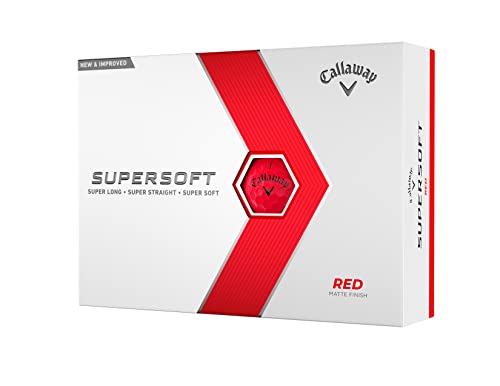
Callaway Golf Supersoft Golf Balls 2023
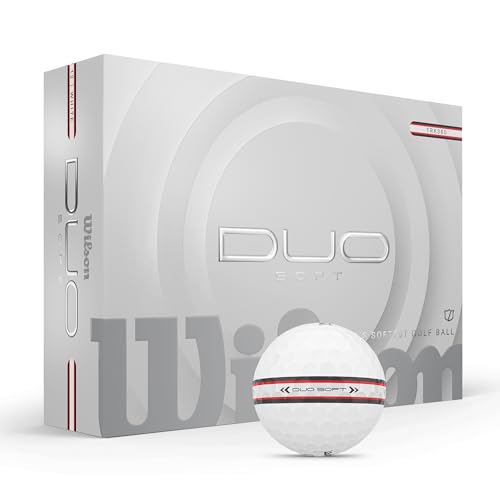
WILSON 2025 Duo Soft Golf Balls 12 Balls

Titleist Pro V1x Golf Balls

WILSON 2024 Chaos Golf Balls 24 Balls

Nitro Nitro Ultimate Distance

TaylorMade Tour Response Golf Balls Pack of 12

Wear-Resistant Practice Golf Balls 20 Pack
More Details On Our Top Picks
Soft-feel balls like this usually suit golfers who want a calmer strike off the face without moving into a tour-hard profile. The 2025 version sits in the same easygoing lane as the 2023 Supersoft, so the main question is whether you want the newer release or the older one in your bag.
For weekend rounds, the softer compression can feel friendlier on mishits, and that tends to matter more than flashy jargon on the listing page. The trade-off is simple, soft-feel balls can give up some firmness-minded feedback for stronger swingers.
What We Like
- Soft feel that many casual golfers prefer
- Comfortable choice for relaxed tee-to-green play
- Easy to slot into a mixed skill group
- More forgiving feel than firmer tour-style options
Points To Note
- Very soft balls do not suit every swing tempo
- Less assertive feedback may bother shot-tinkerers
- Like most standard balls, they need a fresh look after scuffs
Feature Snapshot
Who It Suits Best
Weekend golfers and relaxed practice sessions suit this ball well, especially when you want soft contact without overthinking the spec sheet.
Where A Sibling Pick Shines
Callaway Golf Supersoft Golf Balls 2023 is the cleaner fit for golfers who want the same general feel and do not mind choosing the older release.
This older Supersoft keeps the same easygoing profile that makes soft balls popular for casual rounds and social play. Compared with the 2025 version, you’re looking at a similar lane, so the better pick often comes down to stock, preference, and how much you value the newer release.
That kind of overlap can be useful, since it gives you a familiar feel without moving up into a firmer tour-style ball. One thing worth considering, though, is that soft balls can feel muted for players who like a more direct strike response.
Bright Spots
- Soft-feel profile is easy to live with
- Works well for casual and mixed-ability groups
- Simple choice for everyday course use
Softer Spots
- Not the pick for golfers chasing firmer feedback
- Older release, so your choice may hinge on preference
Details At A Glance
Best Suited To
Casual golfers who like a soft strike and a familiar feel will be comfortable here, especially for relaxed rounds and practice.
Swap It Out When
Callaway Golf Supersoft Golf Balls 2025 makes more sense for anyone who wants the newer version of the same family.
The Duo Soft name points you toward a softer impact profile, and the 12-ball pack keeps the format straightforward. For golfers who want a familiar sleeve-style count instead of a bulk set, that makes planning easier before a round or practice session.
Compared with the Callaway soft balls above, this Wilson option keeps the feel-first theme but trims the pack size, which can suit golfers who lose fewer balls or prefer smaller storage. The honest read is that it’s a tidy setup for everyday use, not a flashy one.
Upsides
- Soft feel aimed at relaxed swings
- 12-ball pack is easy to manage
- Compact count suits lighter practice habits
- Good fit for golfers who want simple replenishment
Areas To Watch
- Smaller pack may feel light for heavy range use
- Soft feel is not a universal match
- Storage still matters, since loose balls scuff easily
Core Details
Who Will Love This
Casual golfers who want a small, easy-to-track pack and a softer strike feel will get the most from this set.
A Better Fit Elsewhere
WILSON 2024 Chaos Golf Balls 24 Balls suits golfers who want a larger stash for range time and frequent replacement.
Pro V1x sits in the more serious end of the spectrum, so you’re paying for a ball that many skilled golfers associate with a higher-control style of play. Compared with the softer Callaway and Wilson picks, this one is the stronger fit for players who care about shot shaping and a tour-minded setup.
The trade-off is that a premium ball asks more from the swing and the wallet side of the equation, which is why it makes sense mainly for committed rounds. For most casual outings, that extra precision can be more than you need, but for regular golfers it feels like a serious tool rather than a comfort-first option.
Highlights
- Tour-style profile suits skilled, repeatable swings
- Built for golfers who value control cues
- Strong match for focused course sessions
- Feels distinctly more serious than soft-feel models
- Good fit for players who know their launch window
Small Caveats
- Higher-end design may be more ball than casual rounds need
- Less forgiving for golfers who prefer a soft, muted response
- Best kept in a clean pouch so scuffs don’t pile up
Quick Facts
Right Fit For
Experienced golfers who want a more tour-leaning feel and are willing to pay attention to ball performance will get the best match here.
Another Choice May Suit
Callaway Golf Supersoft Golf Balls 2025 is easier to live with for newer golfers who want comfort first and less emphasis on control detail.
A 24-ball pack changes the ownership experience right away, because you’re not reordering in tiny increments or worrying about a sparse practice bag. That makes this Wilson set handy for golfers who split time between the range, the course, and the occasional lost-ball day.
Compared with the smaller Duo Soft pack, Chaos is the practical storage-minded option, though it likely feels less personal than a premium tour ball. The honest read is that it works best as a dependable stash, especially for golfers who play often enough to value quantity.
Best Bits
- Large pack keeps you stocked longer
- Useful for range sessions and spare-ball duty
- Easy choice for golfers who lose a few balls
- Standard ball format keeps it familiar
Room For Improvement
- Bulk pack takes more storage space
- Not the most tailored fit for feel-focused golfers
- Works better as a supply set than a precision pick
At A Glance
Whose Shelf It Belongs On
Golfers who want a larger supply for practice, backups, and casual rounds will get the most from this pack.
Reach For A Different Pick When
WILSON 2025 Duo Soft Golf Balls 12 Balls suits you better if you want a smaller pack with a softer-feel setup.
Distance-first balls usually make the most sense for golfers who want a lively launch without moving into a softer, more feel-driven lane. Nitro’s Ultimate Distance label tells you exactly what it’s chasing, and that clarity helps when your priority is simple tee-box distance.
Compared with the softer Callaway and Wilson picks, this one leans more toward straightforward yardage than touch. The trade-off shows up around greenside feel, where distance balls often feel less subtle, but many casual golfers will accept that in exchange for a more direct long-game focus.
Positives
- Clear distance-first purpose
- Good match for casual long-game emphasis
- Simple choice for golfers who want less fuss
Honest Caveats
- Touch around the green may feel less nuanced than softer options
- Best for golfers who value long-game response over finesse
Feature Card
Built With In Mind
Casual golfers who want a distance-focused ball and do not mind a firmer, less delicate feel will fit here well.
Look Elsewhere When
Titleist Pro V1x Golf Balls is the better match for golfers who want more tour-style control and are less interested in a distance-only direction.
The ClearPath alignment feature is the eye-catcher here, because alignment aids help you line up putts and tee shots with less second-guessing. Add the Speed Wrapped Core, a core design that affects how the ball is built internally for distance and feel, and you get a ball aimed at golfers who want more structure than a basic soft-feel pick.
Compared with the straight-ahead Callaway and Wilson models, this TaylorMade ball feels more engineered for golfers who pay attention to setup and feedback. The trade-off is that the extra design detail matters most for regular players, while casual weekend rounds may not need all of it.
Reasons To Buy
- 360 degree alignment help is useful at address
- Core design aims at a balanced distance-and-feel mix
- Pack of 12 keeps the format familiar
- Better fit for golfers who value setup cues
- More structured feel than plain entry-level balls
Minor Gripes
- Alignment detail matters most to golfers who use it
- More design-driven than a plain stock-up ball
- Needs normal care, since marked covers still scuff over time
Spec Overview
The Right Fit
Golfers who like alignment help and want a more design-aware ball for regular rounds will appreciate this setup.
Where A Sibling Pick Shines
Callaway Golf Supersoft Golf Balls 2025 is the easier choice for golfers who want a simpler soft-feel ball without the extra setup features.
Practice balls belong in a different lane from on-course standards, and this 20-pack makes that clear right away. The limited-flight design helps keep shots shorter, which is useful in a backyard, garage bay, or indoor hitting space where full flight would be awkward.
Compared with the standard balls above, this Full Choice set is built for repetition, visibility, and easier retrieval rather than match-day performance. You’ll get the most from it when your goal is clean contact and controlled practice, not course realism.
Best Bits
- High visibility helps you track shots more easily
- Limited flight suits tighter practice spaces
- 20-pack supports frequent drills
- Wear-resistant build is practical for repeat use
- Useful indoors or outdoors
Things To Consider
- Not meant to replace a normal course ball
- Shorter flight changes the practice feel
- Best stored together so the pack stays easy to grab
Core Details
Made For
Golfers building a practice routine at home or in a smaller training area will get the most value from this pack.
Skip It When
Callaway Golf Supersoft Golf Balls 2025 is the better fit for golfers who want a normal course ball instead of a practice-only setup.
How To Choose The Right Golf Balls For Price
Start With Feel, Then Match The Course Use
Soft-feel balls suit golfers who want a gentler strike and less harsh feedback on mishits. Firmer models usually make more sense for players who want a crisper response and a more tour-leaning setup.
Pack size matters too, especially for golfers who practice often or lose a few balls each round. A 12-ball pack fits a modest routine, while a 24-ball box is easier for heavy range use and backup storage.
Read The Design, Not Just The Name
Words like distance, soft, and response describe different priorities, not just marketing style. A distance ball usually leans toward tee-shot yardage, while a response-style ball often adds more structure and setup cues.
Alignment aids help golfers who like visual guidance at address. The trade-off is that those features matter more to golfers who actually use them, so don’t pay extra for design details you’ll ignore.
Think About Skill Level And Miss Tolerance
Newer golfers usually do better with soft-feel or practice-friendly balls because the feedback is calmer and the learning curve feels less sharp. Experienced golfers often prefer more control, more defined contact, and a ball that rewards repeatable swings.
That does not mean every skilled golfer needs the priciest option. The better move is the ball that fits your swing habits, how often you play, and how much loss or scuffing you expect.
Keep Practice And Play Separate
Practice balls are useful, but they are not meant to stand in for a standard course ball. Limited-flight designs help in garages, backyards, and indoor nets, yet they change distance and trajectory on purpose.
That makes them smart for drills and contact work, not for judging full-course performance. A separate practice set can protect your on-course stock and make your sessions more focused.
What To Weigh Before You Choose
Common Shopping Slip Ups
A common mistake is treating every golf ball as interchangeable, then ending up with a feel that clashes with your swing. Another is buying a practice ball for course play, which can be fine for drills but feels wrong in a round.
Pack size gets overlooked too. Smaller sleeves suit light use, while bigger boxes make more sense for frequent practice or golfers who need a steady backup stash.
What The Higher Tier Buys
More expensive golf balls usually spend the extra money on design detail, tighter construction, and more specialized feel. That can mean better alignment help, more controlled response, or a tour-style setup that rewards consistency.
The upgrade is worth it for golfers who play often and care about shot shaping or setup feedback. For casual rounds, a softer or simpler ball often delivers more comfort without the extra cost burden.
Frequently Asked Questions
What kind of golf ball suits casual play?
Soft-feel standard balls usually suit casual rounds because they’re easier to live with on off-center strikes. They also feel less demanding than tour-style options.
Are distance balls a good everyday choice?
Distance balls work well for golfers who want a firmer long-game focus. The trade-off is usually less delicate short-game feel.
Do practice balls work on the course?
Practice balls are meant for drills, not normal course play. Their limited-flight design changes how they travel.
Is a larger pack always better?
A larger pack helps golfers who practice often or lose balls regularly. Smaller packs are easier to store and manage for lighter use.
What makes a premium golf ball different?
Premium balls usually lean into more advanced construction and more specific performance goals. That can help experienced golfers who want tighter control and more precise feedback.
Final Thoughts
You can keep this choice simple by matching the ball to how you actually play. Soft-feel options suit easygoing rounds, distance balls fit long-game emphasis, and practice balls belong in a separate drill setup. If you want a little more control and design detail, the TaylorMade and Titleist picks move you in that direction. For most golfers, the best value comes from a ball that feels comfortable, stores easily, and fits your routine without asking for extra fuss.
