

Golf balls can change how your round feels from the tee box to the green, especially when you sit in that middle handicap zone and want a cleaner blend of distance, control, and forgiveness. You do not need the most tour-leaning ball on the shelf, and you do not want a rock-like distance ball that makes touch shots feel blunt. The right pick keeps mishits manageable, carries well enough to save strokes, and still gives you a little confidence on partial wedges and putts.
The Shortlist At A Glance

Callaway Golf Supersoft 2025 Golf Balls

Titleist Pro V1x Golf Balls

WILSON 2024 Chaos Golf Balls 24 Balls

TaylorMade Tour Response Golf Balls Pack of 12
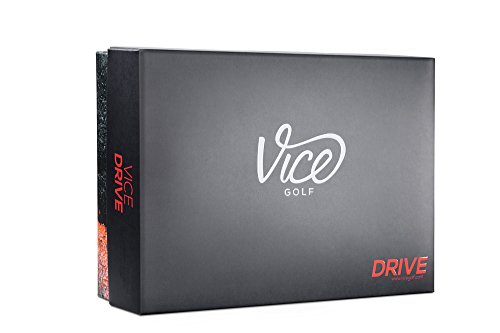
Vice Drive Golf Balls

Bridgestone e6 Golf Balls
More Details On Our Top Picks
Callaway’s Supersoft line has long appealed to golfers who want a calmer feel without giving up easy launch, and that same idea carries into this 2025 version. On a busy local course with uneven lies and a few guarded greens, a softer ball like this can make the round feel less demanding. The honest read is that it suits smooth tempo players better than high-spin chasers.
Compared with TaylorMade Tour Response, this pick leans more toward comfort and straightforward play than sharper feedback. That makes it a friendlier fit for medium handicaps who want the ball to feel less harsh off the face, especially on full swings and longer putts.
What We Like
- Soft impact feel helps the ball seem less jumpy on center strikes and thin contact.
- Easy launch can help your tee shots start higher without asking for a perfect swing.
- The standard ball format keeps it simple for everyday rounds and practice sessions.
- Friendly feel around the green can make lag putting less tense.
Things To Consider
- Players who rely on a lot of shot shaping may want a firmer, more responsive option.
- Very fast swing speeds can outgrow the softer character pretty quickly.
Feature Snapshot
Who It Suits Best
Medium handicaps who value a soft strike, simple setup, and a relaxed all-around feel will get the most from it.
Where A Sibling Pick Shines
TaylorMade Tour Response suits you better when alignment help and a firmer, more structured response matter more than plush feel.
Pro V1x sits closer to the premium end of the category, so it makes sense for golfers who already pay attention to launch, spin windows, and carry shape. On a course with trouble off the tee, the added shot-making control can matter more than saving a few dollars on the box. You may find it a little more demanding than Supersoft, but that trade-off is part of the appeal.
Compared with Bridgestone e6 and Vice Drive, this one leans harder toward performance detail than simple ease. Medium handicaps with cleaner contact and a desire to shape shots should feel right at home, while beginners may prefer something calmer.
Highlights
- Tour-style build suits golfers who want a more controlled flight pattern.
- Strong fit for approach shots where distance alone is not enough.
- Feels more precise than basic distance-first models.
- Works well for players who already know their miss pattern.
Small Caveats
- The more advanced character can feel less forgiving on rough swings.
- Golfers who want a very soft strike may prefer Callaway Supersoft instead.
- Its premium-leaning profile makes it better suited to committed play than casual use.
Core Details
Who Should Grab It
Better-skilled medium handicaps who want precision, controlled flight, and a more serious on-course feel will appreciate it most.
A Better Fit Elsewhere
Callaway Golf Supersoft 2025 Golf Balls suit golfers who want a gentler strike and less demanding all-around play.
This 24-ball pack is aimed at golfers who go through sleeves quickly, whether that means range work, league nights, or a weekend scramble. The larger count is the obvious draw, and it matters because you spend less time reordering and more time just keeping a steady stock in the bag. Nothing fancy here, but that’s the point.
Compared with the six-piece premium feel of Titleist Pro V1x, Chaos is the practical choice for someone who wants quantity first and a simpler price-to-use relationship. You may like it most when your priority is keeping practice balls and playable balls in the same lane.
Positives
- 24-ball pack gives you plenty of room for range sessions and regular rounds.
- Good for golfers who lose a few balls during a typical outing.
- Simple, no-frills setup makes it easy to keep in rotation.
- Works well as a stock-up option for casual play.
Areas To Watch
- Players chasing tour-level feedback will likely want a more refined ball.
- The bulk-pack focus is practical, but it can feel less special in hand.
- Storage matters a bit more here because the larger count takes more bag or garage space.
At A Glance
Built With In Mind
Casual golfers, range regulars, and anyone who likes a larger supply in the bag should feel comfortable with this pack.
Look Elsewhere When
Titleist Pro V1x Golf Balls suit you better when you care more about precise shot response than having a larger count on hand.
TaylorMade leans into two things many medium handicaps care about most, alignment and a lively but controlled feel. The 360° ClearPath marking gives you a visual guide around the ball, which can help with putting setup and tee alignment on days when your aim feels a touch rushed. The Speed Wrapped Core is the part meant to support distance and feel, so the ball aims for that middle ground rather than a pure distance-only profile.
Compared with Callaway Supersoft, this one feels more structured and more built around visual feedback. That makes it a strong fit for golfers who want a little help lining up the face and do not mind paying attention to the markings every time they address the ball.
Reasons To Buy
- 360° alignment marking gives you a clear visual reference on putts and tee shots.
- Core design aims for a blend of distance and softer feel.
- Pack of 12 is a familiar, easy-to-manage quantity for routine play.
- Good bridge option for golfers moving from basic distance balls toward a more refined setup.
Worth Noting
- The alignment aid helps most when you actually use it every round.
- Golfers who want the simplest possible look may not care for the extra marking.
- It sits closer to a focused performance pick than a casual practice ball.
Quick Facts
Right Fit For
Medium handicaps who like visual alignment help and want a structured, modern-feeling ball should get the most from it.
Another Choice May Suit
Vice Drive Golf Balls are a simpler match for golfers who want a more stripped-back approach without the alignment marking.
Vice Drive is built for golfers who want a simple ball that does the job without asking for much thought. That makes it appealing on relaxed weekend rounds, par-three loops, or any day when you want a straightforward feel off the clubface. The retail listing places it in golf equipment rather than a flashy specialty lane, which fits its no-nonsense personality.
Compared with TaylorMade Tour Response, this one strips away the alignment aid and focuses more on basic everyday play. You may prefer it when you want a cleaner look in the bag and a ball that feels easy to keep stocked.
Best Bits
- Straightforward setup keeps the ball easy to understand right away.
- Good option for golfers who want a practical, uncluttered choice.
- Works well for repeat rounds where consistency matters more than extras.
Points To Note
- Golfers who want visual aids or more advanced design details may want to look elsewhere.
- It leans toward simplicity, so it will not feel as feature-rich as some higher-end options.
- Anyone storing multiple sleeves in a small bag pocket may appreciate a slimmer pack strategy.
Details At A Glance
The Right Fit
Golfers who like plainspoken gear and want an easy, everyday ball for regular play should feel at home with it.
Where A Sibling Pick Shines
Bridgestone e6 Golf Balls suit you better when you want a little more polish in the ball’s overall flight and feel.
Bridgestone e6 sits in the distance-ball lane, but the name alone does not tell the full story. For medium handicaps, that usually means a ball designed to fly cleanly and keep the round feeling steady, especially on days when you want help getting the ball up without working too hard. It sits between the soft comfort of Supersoft and the sharper tour focus of Pro V1x.
That middle position is useful because plenty of golfers want distance help without jumping to a ball that feels overly firm. You may find it especially sensible for regular weekend rounds, where a predictable flight matters more than chasing every advanced feature.
Upsides
- Distance-ball design can support a straightforward tee-shot mindset.
- Easy-launch character helps it fit a wide range of common swing speeds.
- Feels less specialized than tour-leaning picks, which broadens its appeal.
- Good bridge choice for golfers moving up from very basic balls.
- Works cleanly in regular play without demanding extra setup habits.
Minor Gripes
- Golfers who want pronounced alignment aids will not get that here.
- Players chasing a very soft, cushiony strike may prefer Callaway Supersoft.
- Anyone who likes highly detailed shot-shaping feedback may want Titleist Pro V1x instead.
Core Details
Whose Shelf It Belongs On
Medium handicaps who want a steady distance-first ball without a harsh feel should keep this one in view.
Swap It Out When
TaylorMade Tour Response Golf Balls fit better for golfers who want alignment support and a more feature-forward setup.
How To Choose The Right Golf Balls For Medium Handicap
Match The Ball To Your Miss Pattern
Medium handicaps usually live in the space between “just get it airborne” and “I want every shot to behave on purpose.” That means you should look for a ball that either softens your mishits or sharpens your control, depending on where your round falls apart. A ball like Callaway Supersoft helps when your contact is a little uneven, while Titleist Pro V1x makes more sense when your misses are smaller and you care more about shaping.
Pay Attention To Feel, Not Just Distance
Distance gets the headline, but feel shapes how confident you swing on wedges and putts. Softer covers and softer-feeling builds usually calm things down around the green, while firmer tour-style balls can give clearer feedback on strike quality. That trade-off matters because a ball that flies long but feels harsh can make short-game touch harder to trust.
Look For Use-Case Fit
A golfer who plays one weekly round has different needs from someone splitting time between league play and the range. Bulk options like WILSON Chaos make sense for heavy practice, while TaylorMade Tour Response suits someone who wants alignment help and a cleaner setup routine. Bridgestone e6 sits in the middle nicely, especially for players who want a more balanced everyday ball without extra fuss.
Avoid Overbuying Features You Will Not Use
Alignment markings, advanced cover language, and premium tour positioning all sound appealing, but they only matter when they match your habits. A simple ball can be the smarter choice when your main goal is keeping the round steady and the scorecard calmer. The right match feels useful in your hands, not just impressive on the product page.
What To Weigh Before You Buy
Common Shopping Slip Ups
A common mistake is chasing the most advanced model before matching the ball to your swing and course habits. Another is buying a premium-style ball for range abuse, where a larger pack or simpler option makes more sense. You also want to think about storage, because bigger quantities are handy only when you have space to keep them organized.
The Upgrade Payoff
Higher-tier golf balls usually cost more because they bring tighter material choices, more refined cover design, and extra attention to launch and spin behavior. That matters for golfers who already strike the ball cleanly and want the ball to respond more predictably into greens. For medium handicaps still working on contact, the upgrade only pays off when you can actually use those extra details.
Frequently Asked Questions
Are softer golf balls better for medium handicaps?
Softer balls often feel easier on full swings and partial shots, which helps many medium handicaps stay relaxed. They are not automatically better, though, because some players need firmer feedback or more control.
Do distance balls work well for mid-handicap golfers?
Distance balls can work very well when your priority is easy launch and a simpler tee-shot shape. They make less sense for golfers who want the sharpest short-game response.
What size pack should you choose?
A dozen is the cleanest choice for most regular rounds because it balances supply and storage. Bigger packs suit golfers who practice often or lose a few balls each outing.
Is alignment marking worth paying for?
Alignment marking helps golfers who line up putts and tee shots with care. It matters less for someone who prefers a plain, uncluttered look.
Which ball is the safest all-round choice here?
Bridgestone e6 and Callaway Supersoft sit in the friendliest middle ground for many medium handicaps. Your better choice depends on whether you want softer feel or a more distance-focused ball.
Final Thoughts
You do not need to overcomplicate the choice. For most medium handicaps, the best ball is the one that matches how you actually play, not the one with the longest feature list. Callaway Supersoft feels easiest to live with, Titleist Pro V1x brings the most serious control, and TaylorMade Tour Response adds a useful alignment edge. Pick the ball that supports your usual round, and the rest gets simpler fast.
