

Golf ball finders cover a few very different needs, from rangefinders and GPS units to lens-based glasses that help white balls stand out against grass. That mix matters because your course routine, eyesight, and practice habits shape which tool earns its place in your bag. A weekend golfer chasing stray balls wants something different from someone dialing in yardage before every shot. The picks below keep those use cases separate so you can match the tool to the job.
Quick Look At The Shortlist

Voice Caddie VC300SE Golf GPS Rangefinder

Voice Caddie Portable Golf Launch Monitor and Swing Analyzer
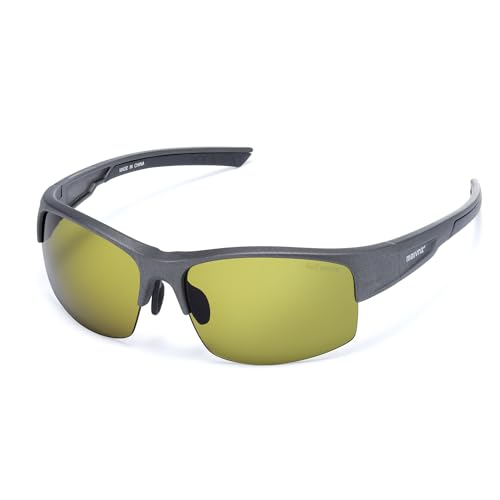
maivnz Golf Ball Finder Glasses UV400

E-BW Golf Ball Finder Glasses with Storage Box

Kaidrus Upgraded 0.5 Second Golf Rangefinder with Slope

Acer Pro Golf Rangefinder with Slope Switch

ThumbsUp! Original Golf Ball Finder Glasses Sports Edition
More Details On Our Top Picks
Voice guidance makes this one easy to use during a round, especially for golfers who want distance readouts without staring at a screen between shots. The front, middle, and back of green callouts matter most on unfamiliar courses, where a quick spoken number saves a little time and mental clutter.
The trade-off is straightforward, though, because this style of aid works best for players who like clear yardage and simple handling more than deep training feedback. Compared with the launch monitor below, the VC300SE is about course management, not swing analysis, and that makes it a calmer fit for regular play.
Strong Points
- Voice output keeps yardage checks simple in play.
- Front, middle, and back readings help with club selection.
- Worldwide course coverage suits travel and home courses alike.
- Hands-free style works well for golfers who dislike screen-heavy gadgets.
Small Caveats
- Speech-based feedback may feel less discreet in quiet groups.
- It does not replace a launch monitor for swing work.
- Battery management still matters on long walking rounds.
Feature Snapshot
Who It Suits Best
Weekend golfers and travelers who want simple yardage help without a lot of setup fit this profile best.
A Better Fit Elsewhere
Kaidrus Upgraded 0.5 Second Golf Rangefinder with Slope suits golfers who want faster pin locking and a more technical distance tool.
Practice-focused golfers get a very different kind of tool here, because this unit is built for swing feedback rather than course navigation. The swing speed mode stands out for home use, especially in a garage, spare room, or backyard net setup where you want repetition without chasing a ball every time.
Compared with the VC300SE, this pick shifts from distance knowledge to shot feedback, which is a meaningful split for anyone working on tempo and consistency. You may find it more useful for practice sessions than a full round, and that’s exactly where it makes sense.
What We Like
- Real-time shot data helps you connect motion to outcome.
- Swing speed mode supports indoor practice without a ball.
- Up to 20 hours of battery life suits longer practice blocks.
- Portable size makes it easier to move between home and range.
Worth Noting
- It is a training tool, not a course finder.
- Data-heavy gear asks for a little more setup patience.
- Serious ball-striking work still depends on consistent practice habits.
At A Glance
Who Will Love This
Golfers building a repeatable swing at home or on a practice area will get the most from it.
Another Choice May Suit
Voice Caddie VC300SE Golf GPS Rangefinder fits golfers who care more about on-course yardage than training feedback.
Color-enhancing lenses are the point here, and they matter because lost balls often blend into rough, shade, and patchy fairway edges. The TR90 frame, which is a lightweight thermoplastic frame material, should feel less bulky for long rounds, while the adjustable nose pads help the fit sit more steadily on different face shapes.
Compared with the more course-technical rangefinders, this one stays visual and simple, so it suits golfers who prefer a straightforward aid for spotting white balls. The honest read is that glasses like this depend on light and course conditions, yet they can still be handy in bright open settings.
Highlights
- Color-enhancing lenses help white balls stand out more clearly.
- Anti-glare treatment is useful on bright, open fairways.
- TR90 frame keeps the glasses light on the face.
- Adjustable nose pads improve day-long comfort and fit.
- Gift-ready packaging makes this easy to hand off to a golfing friend.
Areas To Watch
- Glasses like this work best in good light and open view lines.
- Lens effect varies with the color of grass, shade, and sky.
- You still need normal course awareness, especially near hazards.
Core Details
Built With In Mind
Golfers who want a lightweight visual aid for locating balls in bright conditions will get the most value from this pair.
Where A Sibling Pick Shines
E-BW Golf Ball Finder Glasses with Storage Box suits golfers who want a course-only option with a protective case included.
This pair leans into course convenience, with tinted lenses meant to make balls easier to pick out in grass and around foliage. The included zippered case and microfiber cloth make ownership feel tidier, which helps more than you’d think after a few rounds of tossing gear in a bag pocket.
Compared with the maivnz glasses, this one feels more stripped back and course-specific, while the ThumbsUp! option brings a different tinting approach. The main trade-off is obvious, because it is a visual aid rather than a universal solution, but for routine course searches that can be enough.
Best Bits
- Tinted lenses are aimed at making lost balls easier to spot.
- Zippered storage case helps protect the glasses in transit.
- Microfiber cloth makes basic lens care simpler.
- Light build is a good fit for carrying in a golf bag.
Points To Note
- Course conditions and lighting still shape how well it works.
- It is best viewed as a narrow-use accessory, not a general eyewear pick.
- Lens care matters, especially after dusty or damp rounds.
Details At A Glance
Whose Shelf It Belongs On
Golfers who want a course-side visual aid with simple storage included will appreciate this set most.
Look Elsewhere When
maivnz Golf Sunglasses for Men Women, Golf Ball Finder Glasses UV400 suits anyone who wants a lighter everyday sunglass feel with adjustable nose pads.
The slope function and pin lock vibration make this feel more technical than the VC300SE, especially for golfers who care about dialing in distance on uneven holes. The 0.5 second lock claim and 7X magnification point toward a quick view and a closer visual read, which is useful on busy tee boxes and in windy conditions.
Its 1500-yard range and bright LCD suit golfers who want a more advanced handheld without carrying extra practice gear. One thing worth considering is that feature-heavy rangefinders usually reward calm, repeatable use, so it fits methodical players better than casual dabblers.
Reasons To Buy
- Slope reading helps you account for uphill and downhill shots.
- Pin lock vibration gives a clear confirmation on target.
- 7X magnification helps the flag feel easier to isolate.
- Bright LCD screen is handy in changing light.
- Long range support suits larger courses and open fairways.
Honest Caveats
- More features mean more to learn at first.
- That extra capability may be more than a casual round needs.
- Lens and screen upkeep matters in a golf bag.
Core Details
Best Suited To
Golfers who want fast target locking and slope help on varied terrain will get the most from this model.
Skip It When
Voice Caddie VC300SE Golf GPS Rangefinder is the softer choice for golfers who prefer spoken yardage and simpler handling.
Rechargeable power and a magnetic stripe make this feel more built for frequent rounds than the most basic handhelds in the list. IP54 water resistance, which means protection against limited dust and splashes, adds a little peace of mind for damp mornings and questionable bag storage.
The slope switch and pin lock vibration keep it in the same practical lane as the Kaidrus model, although the 1200-yard range is more modest. That trade-off can suit golfers who want a cleaner everyday carry rather than the largest possible feature stack.
Bright Spots
- Rechargeable battery reduces the hassle of swapping cells.
- Magnetic stripe helps keep the unit close at hand.
- IP54 rating adds useful protection for damp conditions.
- 7X magnification supports clearer target viewing.
- Slope switch and vibration make distance checks more manageable.
Trade Offs
- 1200 yards is slightly less reach than some peers here.
- Magnetic mounting helps only for the right storage setup.
- Water resistance is helpful, though not a reason to handle it roughly.
Quick Facts
The Right Fit
Golfers who want a rechargeable rangefinder with simple day-to-day handling will find this a sensible fit.
Reach For A Different Pick When
Kaidrus Upgraded 0.5 Second Golf Rangefinder with Slope suits golfers who want longer reach and a quicker-locking feature set.
Blue tinted lenses are the headline here, and they are meant to make white objects stand out more clearly during a round. The carry pouch helps with storage, so the glasses feel easier to keep in the bag without collecting scratches or dust.
Compared with the E-BW pair, this one leans into a different visual treatment and a more casual kit feel. For golfers who want a simple accessory rather than a yardage tool, that makes it a very practical little add-on.
Positives
- Blue tint is aimed at improving ball visibility.
- Carry pouch makes storage more convenient.
- Light accessory format works well as a bag item.
- Simple design keeps the learning curve low.
Softer Spots
- Results depend a lot on lighting and terrain.
- It is a visual aid, not a range tool.
- Lens care matters for keeping the tint clear.
Core Details
Made For
Golfers who want a lightweight visual helper for quick ball spotting will get the most from this set.
Swap It Out When
maivnz Golf Sunglasses for Men Women, Golf Ball Finder Glasses UV400 suits golfers who want adjustable nose pads and a broader sunglass-style fit.
How To Choose The Right Golf Ball Finders
Start With The Kind Of Help You Need
Golf ball finders cover two different jobs, distance measurement and ball spotting. Rangefinders like the Kaidrus and Acer units help you pick a club, while finder glasses focus on making the ball easier to see in grass and shade.
Your usual round matters here. A golfer walking nine holes at a local course usually wants simple yardage, while someone chasing lost balls in rough edges or tree lines may get more value from tinted lenses.
Match The Tool To Your Playing Style
Voice guidance, slope switches, pin lock vibration, and launch monitor feedback all serve different habits. Players who like fast confirmation often prefer vibration and clear displays, while golfers who hate extra screen time may lean toward spoken distances.
Practice-focused golfers get more from shot data than from course coverage, so the Voice Caddie launch monitor fits that lane well. For most casual rounds, that much feedback is more than you need, and that’s fine.
Pay Attention To Comfort And Carry
Finder glasses live or die on fit, lens tone, and how easy they are to keep clean. TR90 frames, adjustable nose pads, and included cases matter because you’ll actually store and wear them, not just admire the spec sheet.
Rangefinders bring a different set of concerns, such as battery type, weight, and whether the body feels easy to grab from a pocket or cart. A rechargeable unit with a magnetic stripe can suit frequent play, while a simpler voice GPS can feel less fussy.
Think About Course Conditions
Bright, open fairways favor visual aids, while uneven terrain favors tools with slope or green-read information. Course coverage also matters for golfers who travel, since a GPS unit with broad course support is more useful away from home.
There’s no single setup that covers every round. The safest choice is the one that matches your light conditions, pace of play, and how much information you actually want in hand.
What To Weigh Before You Decide
Wrong Turns To Avoid
Shoppers often mix up spotters and distance tools, then end up with gear that solves the wrong problem. A pair of finder glasses won’t help you dial in yardage, and a rangefinder won’t make a buried ball suddenly easier to see in the rough.
Another common miss is overlooking comfort details. Heavy frames, awkward nose pads, or a rangefinder that feels clumsy in the hand can turn a good-looking listing into a shelf item.
The Upgrade Payoff
Higher-tier models usually cost more because they add speed, optics, or convenience features. Pin lock vibration, slope switching, rechargeable power, stronger displays, and better fit hardware all add parts and design work.
That upgrade makes sense for golfers who play often, travel often, or spend real time practicing. Casual once-a-month rounds rarely need the extra layer, but regular players usually feel the difference pretty quickly.
Frequently Asked Questions
What’s the difference between golf ball finder glasses and a rangefinder?
Finder glasses help white balls stand out more clearly against grass, rough, and foliage. A rangefinder measures distance so you can choose a club.
Do finder glasses work on every course?
No visual aid works equally well in every light level and grass type. Bright open conditions usually give the clearest results.
Is slope useful in a golf rangefinder?
Slope helps account for uphill and downhill changes in distance. That makes it especially useful on hilly courses.
Should a practice tool also work on the course?
That depends on how you split your time. A launch monitor is built for swing feedback, while a course GPS is built for play.
Do rechargeable rangefinders make sense for regular play?
They do for golfers who use the tool often and want fewer battery swaps. They can also feel cleaner to manage in a golf bag.
Closing Thoughts
Your best match depends on whether you need help finding the ball or measuring the shot. Finder glasses keep the focus on visibility, while rangefinders and GPS units help with decisions from tee to green. If your rounds run casual, a simple tool will feel easier to live with. If you play often, the extra features can earn their place without making your bag feel crowded.
