Getting started with disc golf feels easier when your driver choices match your arm speed instead of fighting it. These picks focus on discs that help you learn cleaner release angles, build distance without forcing power, and avoid the common trap of grabbing something too fast too soon.
You’ll also see a few stronger drivers here, because some new players grow into them quickly, especially on open courses or windy park layouts. The mix leans practical, so you can choose for easy throw shape, more stable flight, or a starter set that covers more than one role.
Quick Look At The Shortlist

Innova Champion DX Archangel Golf Disc

Innova DX Wraith Disc Golf Driver
Innova DX Wraith Disc Golf Driver

Innova DX Destroyer Golf Disc

Dynamic Discs Prime Burst Trespass Distance Driver

12 PCS Disc Golf Set with Bag Portable Backpack

Latitude 64 Retro Saint Fairway Driver

Dynamic Discs Prime Burst Escape Fairway Driver

Innova Champion TeeBird Golf Disc
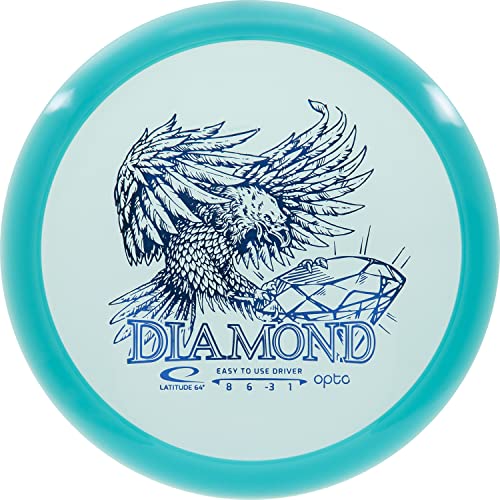
Latitude 64 Opto Diamond Disc Golf Driver
More Details On Our Top Picks
The Archangel leans friendly from the first throw, with a flight shape that suits newer arms and players still learning clean nose angle control. Its easy-turn character also makes roller work more approachable, which matters on wide-open holes where you want the disc to move without demanding a hard rip.
Compared with the Wraith and Destroyer above, this one asks for less power and gives you a softer learning curve. The honest trade-off is that stronger throwers may outgrow it quickly, but for park rounds and casual league play, that can be exactly the point.
Strong Points
- Helpful for newer arms still building form
- Turns easier than the heavier-stable drivers here
- Works for roller lines on open fairways
- Stays approachable for casual weekend rounds
Things To Consider
- Strong throwers may cycle past it quickly
- Color can vary from one order to the next
Feature Snapshot
Who It Suits Best
New players who want an easy-learning driver and slower arm speeds will get the most from this shape.
Another Choice May Suit
Latitude 64 Opto Diamond Disc Golf Driver fits even lighter, more beginner-focused throwing styles.
The Wraith sits in a useful middle zone for players who want distance without jumping straight into something extremely demanding. On long hyzers, it offers more structure than the Archangel, and that can feel reassuring once your release gets more consistent.
For most park courses, it’s a driver that rewards cleaner form instead of forcing wild speed. The trade-off is simple, stronger throwers may love the added control, while a brand-new arm might need a little more time before the flight really opens up.
What We Like
- Helps bridge the gap between beginner and power driver
- Good fit for long hyzer lines
- Offers distance without feeling unruly
- Works well for players refining release consistency
Room For Improvement
- May feel a touch demanding for raw beginners
- DX plastic can wear faster than firmer premium blends
Core Details
Made For
Intermediate beginners and growing arms who want a distance driver with a steadier launch path will appreciate this one.
Where A Sibling Pick Shines
Dynamic Discs Prime Burst Escape Disc Golf Driver is easier to trust for straight fairway work.
Same name, same broad role, and that matters because this version earns a second look for anyone comparing identical molds across the shortlist. In practical terms, the DX feel can be a friendlier place to start than slicker premium plastics, especially on relaxed rounds where touch matters more than raw speed.
You may find it a smart step-up disc once you’ve settled into fairway control and want something that still reaches deep without getting too chaotic. The trade-off is wear, since base-style plastic usually shows age sooner than harder blends.
Upsides
- Useful for learning repeatable distance lines
- Feels approachable for developing players
- Pairs well with smooth, clean releases
- Fits players who want one disc to grow into
Softer Spots
- Doesn’t deliver effortless distance at low power
- Base plastic generally shows wear sooner than premium blends
Details At A Glance
Built With In Mind
Players who already trust the Wraith flight and want a familiar feel in a base plastic setup will get the most from this version.
Look Elsewhere When
Innova Champion TeeBird Golf Disc suits controlled fairway placement better for technical lines.
The Destroyer is the kind of disc that makes sense once you’ve built enough arm speed to keep it honest. It brings a steadier, more forceful flight shape than the beginner-leaning options above, which is useful on headwinds and long, open drives where confidence matters.
For new players, the catch is obvious, this is not the easiest place to start. For stronger throwers, though, it can feel like a dependable long-range tool, and that split personality is exactly why it sits here instead of near the top.
Bright Spots
- Handles windy tee shots better than lighter understable drivers
- Useful for long hyzer shapes
- Gives powerful arms a familiar distance profile
- Fits players who want a sturdier rim feel
Points To Note
- Can feel too demanding for fresh beginners
- Less forgiving than the fairway drivers in this list
- DX-style plastic tends to show wear with regular use
Feature Rundown
Right Fit For
Developing throwers with growing speed and veterans who want a stable distance driver will appreciate the Destroyer most.
Swap It Out When
Latitude 64 Opto Diamond Disc Golf Driver makes more sense for slower arms that need a gentler launch.
The Trespass brings a more technical flight profile, backed by the listed speed 12, glide 5, turn -0.5, and fade 3 ratings. In plain terms, that means it wants a committed throw and rewards clean control, which can be useful for players stepping beyond entry-level drivers without jumping all the way to the most demanding molds.
Compared with the Wraith, this one leans a touch more assertive and can feel better suited to controlled flex shots. For newer arms, the trade-off is clear, it may sit on the shelf more often until your release speeds up, so this is a better growth disc than a first-day disc.
Reasons To Buy
- Flight numbers suggest a stable, controlled power shape
- Useful for flex lines and long hyzers
- PDGA approved
- 175g weight can add steadiness on stronger throws
Minor Gripes
- May feel too much for brand-new arms
- Higher-speed shape asks for cleaner form
- Heavier feel can take time to trust
Quick Facts
Best Suited To
Intermediate players and stronger beginners who are already pushing into higher-speed distance drivers will get the most from this mold.
Reach For A Different Pick When
Innova DX Wraith Disc Golf Driver is easier to manage for less forceful throws.
This set is less about one standout driver and more about covering the basics in one go. With 4 putters, 4 midrange discs, 4 drivers, and a backpack that holds 28+ discs, it’s the kind of bundle that makes a first season feel a lot less piecemeal.
For a family learning together or a new player who wants room to experiment, that mix is handy. The trade-off is obvious too, bundled gear can be broader than you need, so serious throwers may prefer to pick individual discs once their form starts telling a clearer story.
Positives
- Covers putt, approach, and driver slots in one package
- Backpack capacity helps keep extra discs organized
- Good setup for family play or shared use
- Simplifies the first gear purchase
Areas To Watch
- Not as specialized as single-disc picks
- Bag size may be more than a solo beginner needs
Technical Sheet
Whose Shelf It Belongs On
Beginners, families, and casual groups who want a ready-made kit will get the strongest value from this bundle.
Where A Sibling Pick Shines
Latitude 64 Opto Diamond Disc Golf Driver is the cleaner choice for a single beginner driver with a lighter learning curve.
The Saint is a fairway driver with a useful balance of glide and stability, and that combination can feel very friendly on open holes. Its flight ratings, speed 9, glide 7, turn -1, fade 2, suggest a disc that carries well while still finishing with enough structure to stay useful after the initial throw.
That makes it a nice bridge for beginners who are starting to shape hyzer flips and turnover lines without jumping into something too twitchy. Compared with the Archangel, it asks for a bit more polish, but the reward is a more controlled flight that still leaves room for easy distance.
Best Bits
- High glide helps the disc stay in the air longer
- Base plastic gives a grippy feel in the hand
- Useful for hyzer flips and turnover practice
- Gentler than many higher-speed distance drivers
Small Caveats
- Still asks for cleaner form than ultra-understable beginner molds
- Base plastic can wear sooner with heavy use
At A Glance
Perfect Match For
Beginners who want a fairway driver with glide and a little stability will find this a smart training partner.
A Better Fit Elsewhere
Dynamic Discs Prime Burst Escape Disc Golf Driver is the straighter, simpler option for easy fairway lines.
The Escape earns its place by being calm and useful rather than flashy. Its neutral flight and strong glide make it a sensible fairway driver for players who want cleaner distance without a disc that starts arguing with every release.
For newer players, that can mean a simpler learning curve on straight fairway shots. More experienced arms still have room to shape it, and that flexibility makes it a dependable everyday driver beside something more overstable like the TeeBird.
Highlights
- Neutral flight helps it track straighter lines
- Glide supports longer fairway carry
- Useful across a wide range of skill levels
- Easy to slot into a basic bag setup
Worth Noting
- Very strong arms may want more fade
- Stamp color can vary from disc to disc
Feature Card
The Right Fit
Newer players who want a fairway disc that stays manageable on everyday throws will be well served here.
Where Shoppers Go Wrong
Innova Champion TeeBird Golf Disc suits players who want a firmer finish and a touch more utility.
The TeeBird is a control driver first, distance driver second, and that order is part of its appeal. It suits players who want their tee shot to hold a line, finish predictably, and handle utility work such as flex shots without feeling overly busy in the hand.
Compared with the Escape, it leans more toward structure and shot discipline. That makes it a smart step for beginners who have already moved past very understable molds and want a disc that behaves more like a tool than a guess.
Positives
- Strong for accurate fairway placement
- Useful as a utility driver
- Handles flex lines with control
- Predictable finish helps build confidence on tee shots
Trade Offs
- Less forgiving than softer beginner fairway drivers
- May ask for cleaner form before it shows its best flight
Spec Overview
Who Will Love This
Beginners who already value placement over raw distance and want a disc they can trust on straighter fairway work will like the TeeBird.
Skip It When
Latitude 64 Retro Saint Fairway Driver is the friendlier glide-first option for gentler learning rounds.
The Diamond is tailored to the part of the game where lighter effort matters most. It belongs to Latitude 64’s Easy to Use line, and the listed under-stable flight makes it friendly for hyzer flips and straighter releases without asking for a lot of arm speed.
That’s why it belongs near the top of a beginner list rather than buried at the end. A small caveat, more powerful players may turn past it quickly, but for first-time throwers and family rounds, the low-effort carry is the real attraction.
Plus Points
- Built for lower arm speeds
- Easy to understand right away
- Helps newer players get straighter flights
- Good fit for family rounds and casual practice
Honest Caveats
- Stronger arms may overpower it quickly
- Lightweight discs can feel less steady in wind
Core Details
Made With In Mind
Brand-new players, younger throwers, and anyone with a slower swing speed will get the easiest start with the Diamond.
Consider Something Else When
Innova Champion TeeBird Golf Disc makes more sense once you want a firmer, more controlled finish.
How To Choose The Right Disc Golf Drivers For Beginners
Start With Speed, Not Ego
Speed rating matters because it hints at how much arm speed a disc expects before the flight starts to behave as designed. Higher-speed drivers like the Trespass and Destroyer can be useful later, but many newer players get better results from fairway-speed molds such as the Escape, Saint, or TeeBird.
That’s the same reason weight and stability matter together. A light understable driver can feel easier to launch, while a heavier or more overstable disc can hold a line better once your throw gets cleaner.
Choose The Flight Shape You Can Reproduce
Understable discs turn more easily, which helps slower arms see distance and learn hyzer flips. More stable or overstable discs resist turn and finish harder, which can help in wind or on lines that need a firmer ending.
For most new players, neutral fairway drivers are the safest middle ground. They show you where your release is going without demanding a perfect snap every time, and that makes practice feel a lot less random.
Match The Disc To Your Local Course
Open parks reward glide and easy turn, so the Archangel, Saint, or Diamond can shine there. Tight wooded holes often reward the TeeBird or Escape because they keep their shape and don’t wander as much.
That course fit matters more than brand names. A disc that flies well on a wide fairway can feel wrong on short technical layouts, and the reverse is true too.
Don’t Forget Plastic And Bundle Value
Base plastic usually costs less and gives a grippier feel, but it tends to show wear sooner. Premium-style blends and Champion or Opto style plastics often stay truer longer, which matters once you start throwing the same mold every week.
A starter bundle like the GOOSO set makes sense for families or brand-new players who want everything in one place. A single-disc purchase makes more sense once you already know which shot shape keeps showing up in your round.
Things Worth Knowing First
Common Shopping Slip Ups
A common mistake is reaching for very fast drivers before your release is ready. That usually leads to early turn, weak distance, and a lot of second-guessing on the tee.
Another miss is buying only one mold for every job. A beginner bag usually works better with a calm fairway driver, one more stable option, and a straight or understable choice that helps you learn.
The Upgrade Payoff
Higher-tier discs often cost more because the plastics usually feel firmer, the finish tends to hold up longer, and the flight can stay more consistent over time. That matters for players who throw often and want one mold to settle into a dependable role.
The upgrade makes sense once you know your release and want repeatable performance on the same line. For very new players, starting with a simpler disc usually teaches more than paying extra for features you can’t use yet.
Frequently Asked Questions
What makes a driver beginner friendly?
A beginner-friendly driver usually has lower speed, helpful glide, and a flight shape that doesn’t punish small release mistakes. That mix makes it easier to see usable distance without needing a huge arm.
Should you start with a fairway driver or distance driver?
Most new players do better with a fairway driver first. Distance drivers become more useful after your form gets clean enough to keep them on line.
Do lighter discs help beginners?
Lighter discs can help slower arms get the disc up to speed more easily. The trade-off is that very light discs may feel less steady in wind.
Why do some beginner discs still look overstable?
A slightly overstable disc can help when a newer player wants a more predictable finish. That said, very overstable molds often feel demanding until your throw speed improves.
Is a starter set worth it?
A starter set makes sense for families, casual groups, or brand-new players who want a full mix right away. A single driver is better once you already know the flight shape you’re chasing.
Final Thoughts
The best starting point is usually the disc that matches your arm speed today, not the one that sounds most impressive on paper. For many new players, that means a fairway driver with useful glide, a calm understable option for easy distance, and one steadier disc for learning control. The Archangel and Diamond are the most forgiving entry points here, while the Escape, Saint, and TeeBird give you room to grow without jumping too far ahead. Choose the flight you can repeat, and the rest of your bag gets easier.