


Advanced disc golfers usually want more than raw distance. You care about how a disc handles torque, wind, release angle, and the kind of finish you can trust late in a round.
This roundup focuses on discs that fit that level of control, from high-speed distance drivers to a midrange that earns its place through touch and line shaping. Some choices suit power throwers, while others make sense for clean turnover lines or dependable fade.
Quick Look At The Shortlist

Innova DX Wraith Disc Golf Driver

Innova DX Destroyer Golf Disc

Discraft Brian Allen Supercolor Buzzz Astronaut

Latitude 64 Retro Burst Ballista Disc Golf Driver

Latitude 64 Retro Saint Disc Golf Fairway Driver
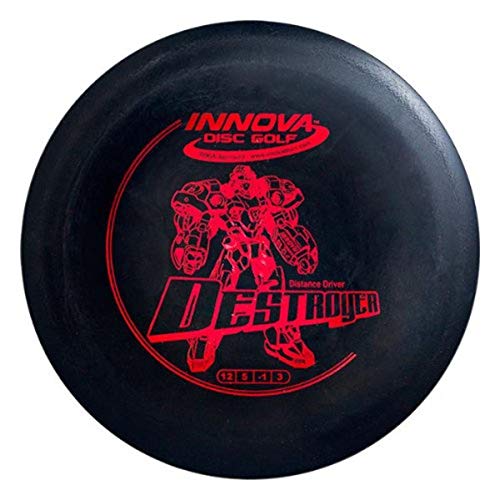
Innova DX Destroyer Golf Disc 165-169g
Innova DX Destroyer Golf Disc 173-175g

INNOVA DX Destroyer Distance Driver 145-150g

Innova Halo Star Destroyer Disc Golf Driver

Innova Halo Star Roadrunner Disc Golf Distance Driver
More Details On Our Top Picks
The Wraith sits in a sweet spot for advanced players who want distance without stepping into a disc that feels unruly. Its long-running reputation comes from a speed class that still gives moderate arm speed room to work, so you get reach without needing elite power every throw.
Compared with the Destroyer models in this list, it usually feels a touch more forgiving for controlled full flights. That makes it a sensible mainstay for open fairways, though the DX blend tends to wear in faster than premium plastics, so the flight can shift with use.
What We Like
- Versatile distance driver shape suits many throwing styles.
- Moderate arm speed can still get useful carry.
- Useful for everyday fairway distance on open holes.
- Long-standing track record gives it a familiar feel.
Room For Improvement
- DX plastic tends to season faster than premium blends.
- Strong headwinds can push the flight more than you'd want.
- Advanced throwers may outgrow its calm finish.
Feature Snapshot
Who It Suits Best
Advanced players who want a controllable distance driver for regular play will get the most out of it, especially on open courses with room to shape a full flight.
A Better Fit Elsewhere
Innova Halo Star Destroyer Disc Golf Driver suits stronger arms more cleanly, especially for players who want a firmer late fade and a premium feel.
The Destroyer has a harder edge than the Wraith, and that’s exactly why power throwers keep circling back to it. It’s built for maximum distance lines, long hyzers, and headwind work, so the flight shape rewards confidence at release.
You may find the DX version seasons into a slightly more workable profile than the premium versions, which can help seasoned players shape shot shapes with more nuance. The trade-off is simple, though, because that same softer feel usually means the disc won’t stay in its original flight window as long.
Strong Points
- Strong choice for long, full-power drives.
- Handles headwinds better than calmer distance options.
- Useful for hyzer and flex lines.
- DX plastic offers a familiar, grippy feel.
Softer Spots
- Fast speed asks for clean mechanics.
- Wear changes the flight more quickly than premium blends.
- Newer arms may find it demanding.
Core Details
Who Will Love This
Experienced throwers with strong release speed will get the best return from it, especially on open courses where a fast driver can stretch the hole.
Another Choice May Suit
Innova DX Wraith Disc Golf Driver fits better for players who want a slightly gentler entry into high-speed distance work.
The Buzzz has a very different job from the distance drivers around it, and that contrast matters. Advanced players often keep a dependable midrange in the bag for straighter approach work, shaping lines through woods, and taking power off a throw without losing confidence in the disc.
The Supercolor artwork gives it shelf appeal, but the important part is still the Buzzz mold’s reputation for point-and-shoot control. In most rounds, that kind of calm midrange flight saves strokes where a faster disc would ask for too much room.
Highlights
- Midrange control helps on touchy approach shots.
- Useful for wooded lines and straight placement throws.
- Art-forward stamp gives it visual personality.
- Lower-speed profile can calm down overpowering tendencies.
Worth Noting
- Not built for long-distance tee shots.
- Decorative stamp does not change the flight itself.
Details At A Glance
Whose Shelf It Belongs On
Advanced players who value a reliable midrange for approach precision and wooded fairways will use this far more than a flashy distance driver.
Skip It When
Latitude 64 Retro Saint Disc Golf Fairway Driver is the better fit for players who want more glide and a cleaner transition into fairway distance.
The Ballista is the kind of driver that makes sense when you want high speed, but you still want the disc to settle into something understandable. Its speed 14 profile is tuned for pure power, and that usually matters most on open holes where there’s room for a long push before the fade shows up.
Compared with the Destroyer line, this one leans into a straight-to-overstable flight that can feel more predictable once your arm speed is there. The retro base plastic can give a grippy, approachable feel, though it may season differently than premium blends, so the flight window can shift over time.
Upsides
- Fast profile suits long open fairways.
- Stable flight gives you a familiar finish.
- Works for flex lines and power throws.
- Helpful for players stepping up in speed class.
Points To Note
- Speed 14 asks for committed form.
- Base plastic can wear in more quickly.
- Smaller arms may see less return from it.
Quick Facts
Built With In Mind
Advanced players with enough speed to push a high-speed driver down an open hole will get the most from its predictable finish.
Reach For A Different Pick When
Innova DX Wraith Disc Golf Driver suits players who want a slightly less demanding entry into distance-driver speed.
The Saint offers a different kind of value from the power-first discs above it, because glide matters just as much as speed for a lot of advanced lines. Its flight ratings point to a fairway driver that can flip up, drift, and still finish with enough fade to stay honest.
That makes it especially useful for hyzer flips and turnover shots, where touch matters more than brute force. The base plastic gives you a grippy feel in hand, although it usually won’t stay as fresh-looking as harder premium blends after lots of tree contact.
Reasons To Buy
- High glide helps stretch controlled fairway shots.
- Useful for hyzer flips and turnover lines.
- Fairway speed makes it easier to shape.
- Grippy base plastic helps with clean releases.
Small Caveats
- Softer base plastic may show wear sooner.
- Power throwers may want a firmer finish.
Feature Rundown
Best Suited To
Advanced players who like shaping fairway shots with glide and late movement will get plenty of use from it.
Swap It Out When
Innova Halo Star Roadrunner Disc Golf Distance Driver is the better match for players who want a more understable option with a looser turning flight.
This lighter Destroyer gives the familiar mold a little more accessibility, which matters for players who like the Destroyer shape but do not want the heaviest feel in the bag. In round play, that can translate into easier distance on full throws and a bit less strain through the hit.
The trade-off is that lighter weight usually gives up some wind resistance and some late stability, so line choice matters more. For advanced players who already know how their release behaves, that can still be a useful middle ground.
Best Bits
- Lighter weight can ease into longer throws.
- Familiar Destroyer shape keeps the flight family consistent.
- Useful for players who prefer less bulk in hand.
- Can serve as a touch-friendly power option.
Areas To Watch
- Less weight can mean less wind security.
- Flight may feel less locked in on big rips.
Key Specs
Right Fit For
Advanced players who like the Destroyer mold but prefer a lighter profile for easier handling will get the most value here.
Look Elsewhere When
Innova DX Destroyer Golf Disc 173-175g is the better fit for players who want a heavier, more planted version of the same mold.
The heavier DX Destroyer is the classic version of the mold for a reason, because it gives you that trusted fast, stable power-driver feel. Players with lots of arm speed or a strong sidearm often like how it holds up under force without turning into a roller candidate.
Compared with the 165-169g version, this one usually feels more planted and a touch more disciplined in the wind. The catch is that it asks for cleaner power, so newer throwers may find it more disc than they need.
Bright Spots
- Heavier weight helps the disc feel anchored.
- Good match for big-arm distance attempts.
- Useful for long hyzers and headwind drives.
- DX plastic keeps the grip familiar.
Honest Caveats
- Heavier build can feel demanding on release.
- DX blend will season faster than premium plastic.
- Not the easiest path for developing arms.
At A Glance
Made For
Advanced and pro-level arms that already know how to launch a stable distance driver will get the most from this weight class.
Where A Sibling Pick Shines
Innova DX Wraith Disc Golf Driver suits players who want a little more forgiveness and less raw speed in the hand.
This lighter Destroyer moves the familiar high-speed mold toward easier handling, which can matter a lot for players who want the shape without the heft. It still sits in the same distance-driver family, but the lighter mass changes how quickly it loads in the hand and how readily it can get up to speed.
For advanced players with smoother mechanics, that can open up distance without forcing a max-effort swing every time. The compromise is that lighter drivers can be more sensitive to wind and nose angle, so consistency becomes a bigger part of the equation.
Standout Traits
- Easier to accelerate than heavier Destroyers.
- Useful for players who prefer a lighter feel.
- Can help smooth mechanics show better distance.
- Still gives you the familiar Destroyer flight family.
Minor Gripes
- Light weight may feel twitchier in wind.
- Less mass can reduce the planted feel at release.
Technical Sheet
The Right Fit
Advanced throwers who like a lighter high-speed driver for easier launch speed and smoother mechanics will find a clear use for it.
Another Choice May Suit
Innova DX Destroyer Golf Disc 173-175g is better for players who want a heavier, more stable hand feel.
The Halo Star Destroyer is the polished version of this mold family, and the material choice matters here. Halo Star plastic usually brings a more premium hand feel and a firmer sense of structure, which suits players who want a distance driver that stays composed on powerful releases.
Its flight numbers match the classic Destroyer profile, so you’re still looking at a fast, stable power driver with familiar finishing behavior. Compared with the DX options above, this one makes more sense for players who want a more refined feel and a disc that tends to hold its identity longer.
Best Bits
- Premium plastic gives it a more refined hand feel.
- Stable flight suits strong distance throws.
- Useful in windy rounds and on open fairways.
- Matches the trusted Destroyer mold shape.
Areas To Watch
- Still demands clean, committed power.
- Premium feel can come with a firmer hand impression.
Feature Card
Who Should Grab It
Power players who want a premium-feeling Destroyer for windy fairways and confident full-force drives will get the best match here.
Look Elsewhere When
Innova DX Destroyer Golf Disc 173-175g is the more practical fit for players who want the same mold without the premium feel.
The Roadrunner changes the tone of the list in a useful way, because understable discs give advanced players an easier path to turn and shape. Its speed 9 profile makes it more workable than the Destroyers above, and that can be a real advantage on lines that need drift instead of brute force.
With speed 9, glide 5, turn -4, and fade 1, you get a disc that wants to move right for right-hand backhand throwers before settling softly. For many rounds, that makes it a clean tool for rollers, turnovers, and controlled distance lines, although it won’t replace a stable driver in the wind.
Positives
- Easy turn helps shape understable lines.
- Workable speed suits more shot types.
- Good choice for turnovers and rollers.
- Can help advanced players shape touch distance.
Trade Offs
- Less wind resistance than the Destroyer family.
- Not the disc for forceful stable finishes.
Core Details
Who It Suits Best
Advanced players who want an understable fairway driver for turnovers, rollers, and clean shaping lines will find this one especially useful.
Where Another Pick Suits Better
Innova Halo Star Destroyer Disc Golf Driver is the better fit for players who want stronger fade and a more stable power slot.
How To Choose The Right Disc Golf Discs For Advanced Players
Match Speed To Your Real Throw
Speed ratings matter, but only when they line up with how far you actually throw under course pressure. A speed 12 or 14 driver can fly beautifully for a powerful arm, yet a slightly slower fairway driver often gives better scoring control on tighter holes.
That’s why the Wraith, Saint, and Roadrunner all have a place here, even though they sit in different speed bands. Distance is useful, but a disc that you can release cleanly on command usually helps more during a real round.
Read Turn And Fade As A Pair
Turn describes the high-speed drift of the disc, while fade is the finish at the end of flight. Advanced players often use those numbers to decide whether a disc will hold straight, work right, or finish left with authority.
The Destroyer line leans stable with dependable fade, while the Roadrunner is intentionally understable and built for movement. That difference matters more than brand name when you’re filling actual shot slots.
Choose Plastic For Wear And Feel
DX and Retro plastics usually offer a grippier, more traditional feel, but they also season faster. Halo Star and similar premium blends usually hold their shape longer, which helps if you want a disc to stay in the same window through more rounds.
That trade-off is less about status and more about maintenance. A disc that beats in quickly can become useful for shaping shots, yet it may drift out of your preferred flight sooner than you expect.
Think In Shot Types, Not Just Names
The smartest bag decisions come from shot tasks: max distance, hyzer flips, long hyzers, turnovers, and controlled approaches. A Buzzz covers a different job from a Ballista, and both can be useful on the same card.
That way of thinking keeps you from stacking discs that overlap too closely. You end up with tools that solve problems, not just a shelf of familiar names.
What To Weigh Before You Click
Common Shopping Slip Ups
One common mistake is matching a disc to the mold name alone and ignoring weight, plastic, and speed. A Destroyer in one weight or blend can feel very different from another, especially in windy conditions or on shorter fairways.
Another trap is buying pure distance drivers for every need. A midrange or fairway driver often scores better when the hole asks for control instead of raw power.
Why Top Tier Costs More
Higher-tier discs usually ask more because of the plastic blend, mold consistency, and the way they hold flight over time. Premium materials often feel firmer in the hand and stay closer to their intended line through more rounds.
That upgrade pays off most for players who lean on the same driver a lot. When a disc has to earn its slot in windy rounds or on repeat tee shots, the better material choice starts to matter.
Frequently Asked Questions
What disc type helps advanced players the most?
That depends on the shot slot you need to fill, not just the speed class. Many advanced bags rely on one stable driver, one understable option, and a dependable midrange.
Are heavier discs always better for strong arms?
Not always, because weight changes feel, release, and how the disc handles wind. A heavier model can feel more planted, while a lighter one may be easier to accelerate.
Why keep a midrange in an advanced bag?
A midrange gives you cleaner control on approach shots and short shaping lines. It helps you take power off without losing touch.
What does understable mean for disc golf?
Understable discs tend to turn more easily during the high-speed part of flight. That makes them useful for turnovers, rollers, and smoother shaping lines.
Should premium plastic be your first upgrade?
Premium plastic makes sense once you know the flight you want to keep for a while. It usually stays truer to form longer than base plastic, especially on high-contact courses.
Closing Thoughts
Your best match depends on how much speed you bring to the throw and how much control you want back. The Wraith and Destroyer family cover the power side well, the Saint and Roadrunner handle shape work, and the Buzzz fills the calm middle ground. For advanced play, that mix matters more than any single mold. Choose the slot that fixes the problem in your bag, and the rest gets easier.

