
Starting golf can feel expensive fast, and the ball you choose shapes both confidence and patience on the course. Beginner Golf Balls with softer feel, forgiving flight, and clear distance bias can take some sting out of mishits while you’re building a repeatable swing. The right pick also depends on where you play most, since a range ball mindset is very different from a full round on a windy municipal track. You’ll see a mix of softer standard balls, distance-oriented options, and practice balls here, so your setup can match your game instead of fighting it.
Quick Look At The Shortlist

Callaway Supersoft Golf Balls 2025
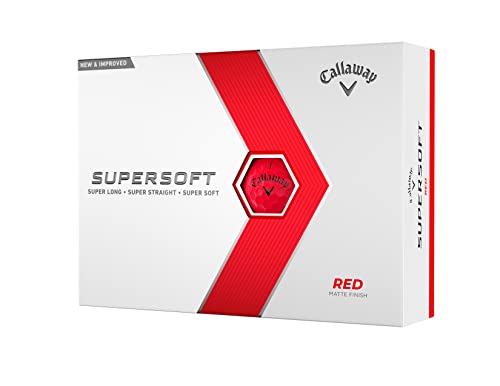
Callaway Supersoft Golf Balls 2023
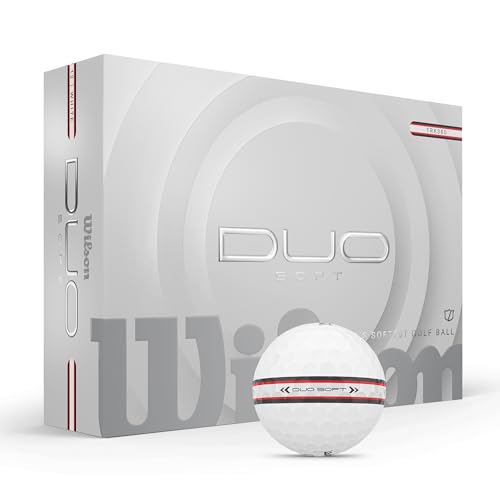
WILSON Duo Soft Golf Balls 12 Balls

WILSON Chaos Golf Balls 24 Balls

Nitro Nitro Ultimate Distance

Vice Drive Golf Balls White

TaylorMade Tour Response Golf Balls Pack of 12

Joyberg Practice Golf Balls 24 Pack 42mm

Bridgestone e6 Golf Balls

Vice Drive Golf Balls
More Details On Our Top Picks
For a new golfer, softer contact often matters more than flashy extras, and that’s where this Callaway model fits neatly. The standard-ball format keeps it simple, so you’re not sorting through technical clutter while you’re still learning contact and launch.
In most weekend rounds, that softer approach can make mishits feel less harsh without making the ball feel overly complicated. You may find it especially helpful on a course where keeping the ball moving forward matters more than shaping shots.
Strong Points
- Soft feel helps reduce harsh impact on off-center hits.
- Standard-ball setup keeps the learning curve low.
- Works well for casual rounds and range time.
- Good fit for golfers who want a familiar, easygoing ball.
Things To Consider
- You may prefer a firmer ball later, once your swing gets more repeatable.
- The softer profile is about comfort and forgiveness, not raw distance bragging rights.
- Keeping a few sleeves handy helps, since beginners tend to use balls faster than expected.
Feature Snapshot
Who It Suits Best
New golfers who want a soft, familiar ball for casual rounds will get the most from it.
A Better Fit Elsewhere
Bridgestone e6 Golf Balls suit a golfer who wants a slightly more rounded all-course feel, especially after the first few months of regular play.
This earlier Supersoft version makes sense for golfers who want the same easygoing family of ball without chasing the newest release. Compared with the 2025 version, the appeal is very similar, so the real decision usually comes down to which listing you prefer and how you want to organize your bag.
That steady, soft profile can suit course days where you’re focused on making clean contact and keeping frustration low. The honest read is that it feels like a practical, familiar option rather than a dramatic reinvention.
What We Like
- Soft contact suits newer swings and slower tempo.
- Simple standard-ball design keeps choices uncomplicated.
- Easy to mix into practice or casual play.
- Comfortable option for golfers who dislike a firm strike.
Minor Gripes
- It overlaps heavily with the 2025 Supersoft, so the choice can feel subtle.
- More advanced golfers may want a ball with a stronger specialty.
- Routine replacement is still part of everyday golf life.
Details At A Glance
Who Will Love This
Beginners who want a soft-feeling ball for easygoing rounds and practice sessions will feel right at home here.
Swap It Out When
WILSON Duo Soft Golf Balls 12 Balls make more sense for a golfer who wants a different soft-ball feel in a compact dozen-pack format.
This WILSON pack keeps things compact with 12 balls, which can be handy for golfers who want a manageable supply without overbuying. Compared with the Callaway Supersoft pair above, it gives you a different soft-ball route and feels especially approachable for newer swings.
You may find the shorter pack count useful for first seasons, practice-heavy weeks, or golfers who prefer to restock in smaller batches. The trade-off is simple, since fewer balls means you may need to reorder sooner than you would with larger value packs.
Bright Spots
- Dozen-pack size is easy to store and manage.
- Soft profile supports a comfortable first-ball experience.
- Good fit for golfers who lose fewer balls but still want a beginner-friendly setup.
- Works well as a starter set for regular course play.
Areas To Watch
- The 12-ball count is smaller than the bulk options in this list.
- Golfers who practice often may burn through the pack quickly.
- It’s a softer match, not a specialty ball for advanced shot control.
Spec Overview
Right Fit For
New golfers who want a soft-feeling dozen-pack for steady weekend play or range sessions will get the most out of it.
Another Choice May Suit
WILSON Chaos Golf Balls 24 Balls are the better call for a golfer who wants a larger supply for more frequent practice.
The bigger 24-ball count makes this Wilson pack useful for golfers who spend a lot of time on the range or in the backyard. Compared with the Duo Soft dozen, it leans more toward supply and convenience than a compact, tidy bag setup.
That extra quantity matters most for newer players who tend to lose balls during practice or want enough on hand for repeated drills. One thing worth considering, though, is that bulk packs can be more than you need for occasional nine-hole outings.
Upsides
- 24-ball pack supports frequent practice sessions.
- Handy for backyard reps and quick range work.
- Good for golfers who want a larger buffer before restocking.
- Simple format keeps the setup straightforward.
Small Caveats
- The larger count can feel excessive for very occasional play.
- Storage takes a little more space than a dozen-pack.
- Practice-focused packaging makes it less about premium course feel.
Core Details
The Right Fit
Beginners who practice often and want a larger supply for repeated swings will benefit most from this pack.
Look Elsewhere When
Callaway Supersoft Golf Balls 2025 suit a golfer who wants a softer, more course-oriented everyday ball.
Nitro takes a more distance-focused route than the softer Callaway and Wilson options above. That makes sense for golfers who want a ball that leans toward forward carry and simple straight-line play rather than a cushioned strike feel.
The honest read is that a distance ball can feel a little less plush than a softer standard model, but that trade-off often fits newer players with slower swings. In most driving-range sessions, the priority is seeing the ball go somewhere useful, and this one aligns with that mindset.
Highlights
- Distance-first design suits golfers chasing easy forward flight.
- Good match for slower swing speeds.
- Simple setup keeps the decision easy for beginners.
- Useful for players who want a straighter, more direct ball profile.
Points To Note
- Distance focus can mean a firmer feel at impact.
- Soft-touch fans may prefer one of the Callaway or Wilson soft options.
- Distance balls are great for basics, but less about refined shot shaping.
Feature Rundown
Best Suited To
Beginners who want a distance-first ball and prefer simple, no-fuss performance will feel most comfortable here.
Where A Sibling Pick Shines
Bridgestone e6 Golf Balls are a better fit for a golfer who wants a smoother all-around feel with less distance-only emphasis.
Vice keeps this one clean and straightforward, which is helpful for golfers who want a standard ball without extra fuss. Compared with the Nitro distance model, it sounds more like a general-purpose choice than a single-minded length play.
For casual rounds, that simple shape can be exactly enough, especially when you care more about getting comfortable with contact than sorting through technical claims. You may find it a sensible everyday option for practice baskets, first tee nerves, and regular course use.
Positives
- Plain standard-ball format is easy to understand.
- Fits routine rounds without adding complexity.
- White color keeps it easy to spot on fairways and in bags.
- Good all-purpose option for golfers building habits.
Softer Spots
- It doesn’t lean as hard into distance as the Nitro option.
- Golfers after a softer-feel specialty ball may want more feedback.
- Standard-ball simplicity is a strength, but not a flashy one.
Feature Card
Built With In Mind
Beginners who want a simple, general-purpose ball for practice and casual course use will be comfortable with it.
A Better Fit Elsewhere
Callaway Supersoft Golf Balls 2025 suit a golfer who wants a softer feel and a more beginner-friendly touch profile.
This TaylorMade ball steps up from the simpler standard picks by adding a clear alignment aid and a speed wrapped core. Alignment aid means the visual marking is designed to help you line up putts and tee shots more consistently, while the core describes the inner structure that influences distance and feel.
That mix can be useful once your swing starts settling down and you want more feedback without jumping straight into a tour-style ball. The catch is that it asks for a little more attention than the plain Wilson or Vice options, so it fits golfers who enjoy a bit of detail in the setup.
Reasons To Buy
- 360° ClearPath alignment can help you set the ball more confidently.
- Speed Wrapped Core blends distance intent with a softer feel profile.
- Dozen-pack size keeps it manageable for routine rounds.
- Good stepping-stone choice for golfers moving beyond the very basics.
Worth Noting
- It’s more feature-rich than the simpler beginner balls here.
- The added alignment details may matter less to brand-new golfers.
- Smaller pack count means you’ll restock sooner than with bulk practice packs.
Technical Sheet
Who Should Grab It
Improving golfers who want more alignment help and a more polished practice-to-course transition will appreciate it most.
Skip It When
WILSON Duo Soft Golf Balls 12 Balls make more sense for a golfer who wants a simpler, softer starter ball with less visual detail.
This Joyberg pack is built for practice, not course play, and that matters a lot for beginners setting up a backyard routine. The 42mm plastic size keeps the ball compact, which suits short-range drills, chipping work, and light contact practice around the yard.
Compared with the real-play balls above, this is the training tool in the group, so it’s the right sort of helper for home sessions. You may find it especially handy when space is tight and you want a safer-feeling way to rehearse swings without sending balls deep into the neighborhood.
Best Bits
- 24-pack gives you plenty of practice balls on hand.
- Plastic construction suits backyard or short-range drills.
- 42mm size keeps the setup compact and easy to store.
- Good training companion for swing repetition at home.
Room For Improvement
- These are practice balls, so they don’t stand in for a course ball.
- Plastic training balls usually feel different from standard golf balls.
- They work best in controlled spaces, not for a full round.
Core Details
Made For
Beginners practicing at home, in a backyard, or in a small training area will get the most value from these balls.
Another Choice May Suit
WILSON Chaos Golf Balls 24 Balls are the better fit for a golfer who wants a larger pack of standard balls for general practice and course use.
Bridgestone’s e6 sits in a sweet spot for beginners who want a ball that feels steadier than a bare-bones starter option. Compared with Nitro’s distance-first lean, this one reads more like an all-around companion for golfers who want dependable play without chasing a narrow specialty.
That kind of balance helps during real rounds, especially on days when you just want the ball to cooperate and keep the round moving. A touch of refinement can make the transition from practice to course feel less jarring, and this model is built for that middle ground.
Standout Traits
- Balanced design suits a broad range of beginner swings.
- Works as a stable step up from ultra-basic practice-only choices.
- Useful for golfers who want a calm, predictable course ball.
- Good middle-ground option between soft feel and distance focus.
Honest Caveats
- It may feel like more ball than a total first-timer needs.
- Golfers hunting a pure practice tool should look at Joyberg instead.
- As with any course ball, keeping a spare sleeve in the bag helps.
Feature Rundown
Whose Shelf It Belongs On
Beginners who want a balanced course ball with a more settled feel will get the most from it.
Reach For A Different Pick When
Nitro Nitro Ultimate Distance is the better call for a golfer who wants a stronger distance-first tilt.
This Vice Drive model is the plainspoken choice in the group, and that can be a strength for new golfers who want to keep the decision simple. Compared with the white version above, it stays in the same standard-ball lane, so the difference is less about concept and more about which listing fits your bag or routine better.
For weekend play and routine practice, that straightforward design is easy to live with. You may find it appealing when you want something familiar, unfussy, and easy to understand before you start chasing more specialized balls.
Best Bits
- Standard-ball format suits everyday beginner use.
- Simple design keeps the learning curve low.
- Easy to pair with general practice or casual rounds.
- Works as a dependable starting point for new golfers.
Areas To Watch
- It doesn’t bring a special alignment aid or bulk count.
- Golfers who want softer impact feedback may look elsewhere.
- Its value comes from simplicity, so the appeal is fairly understated.
Feature Card
Built With In Mind
Beginners who want a plain, dependable ball for casual golf and learning the basics will fit this model well.
Where A Sibling Pick Shines
Callaway Supersoft Golf Balls 2025 are the smarter fit for a golfer who wants a softer, more forgiving feel right away.
How To Choose The Right Beginner Golf Balls
Match Feel To Your Swing
Soft-feel balls usually help new golfers because they make contact feel less harsh and more manageable. That softer cover and lower-complexity design can be easier to trust while your swing still changes from round to round.
Distance-first balls suit a different kind of starter, especially someone with slower club speed who wants the ball to get moving without much effort. The trade-off is that they can feel firmer, so comfort-minded golfers often prefer the softer route.
Think About Where You’ll Use Them
Range practice and backyard drills do not demand the same ball as a full round. Practice balls such as the Joyberg 42mm set are built for controlled spaces, while standard balls like the Callaway, WILSON, Vice, and Bridgestone options are made for actual course play.
That split matters more than many new golfers expect. A practice ball helps you rehearse mechanics, but it won’t teach the same feel or flight as a normal course ball.
Pay Attention To Pack Size
A 12-ball pack is easier to store and feels less overwhelming, which suits new golfers who play occasionally. A 24-ball pack helps more when you practice often or lose a lot of balls early on.
Smaller packs are tidy, while larger packs stretch farther between reorders. The right choice depends on whether you’re building a first bag or filling a practice bucket.
Use Extras Only When They Help
Alignment aids, like the ClearPath marking on TaylorMade Tour Response Golf Balls, can help you line up putts and tee shots more confidently. That sort of feature makes sense once you’re ready to pay attention to setup, not just launch.
Extra features are useful only when they support your routine. Otherwise, a simpler ball often makes more sense while you’re still focusing on contact and direction.
Things Worth Knowing Before You Choose
Common Shopping Slip Ups
New golfers often chase distance alone and ignore feel, which can make the ball harder to trust. A softer standard ball is usually a safer starting point than a hard, distance-only choice for someone still building consistency.
Another common miss is buying a practice ball for course play. Joyberg is useful at home, but a standard ball belongs in the bag for rounds.
The Upgrade Payoff
Higher-tier balls tend to cost more because of more refined covers, more layered construction, or alignment aids that support consistency. TaylorMade Tour Response is the clearest example here, since the alignment marking and Speed Wrapped Core give you more structure than a plain starter ball.
That upgrade pays off once you care about setup, feedback, and repeatable feel. For casual golf, though, a simpler model often does the job just fine.
Frequently Asked Questions
What makes a ball beginner-friendly?
A beginner-friendly ball usually keeps feel simple and contact comfortable. Softer standard balls often fit that brief better than firm, distance-only models.
Should you start with distance balls or soft balls?
Soft balls help many new golfers because they feel easier on mishits. Distance balls make sense when your swing speed is slower and you want more help getting the ball moving.
Are practice balls a good substitute for real golf balls?
Practice balls are useful for backyard drills and short-range work. They do not behave like standard course balls, so they should stay in the training bucket.
How many balls should you start with?
A dozen works well for occasional play, while 24 balls make more sense for frequent practice. The right count depends on how often you lose balls and how often you practice.
Do alignment aids help beginners?
Alignment aids can help with setup, especially on putts and tee shots. They matter most once you’re ready to build a repeatable pre-shot routine.
Final Thoughts
The best Beginner Golf Balls for you depend on where your game is right now, not where you hope it’ll be next season. Callaway Supersoft and Bridgestone e6 lean into easygoing course use, while Nitro and WILSON’s bulk pack make more sense for golfers who want simple distance or lots of practice reps. TaylorMade Tour Response gives you a more polished step up, and Joyberg belongs in the backyard, not the scorecard. Start with the ball that matches your current routine, and your rounds usually feel a lot less crowded.