
Golf balls look simple until you need the right mix of distance, feel, and cost control for your regular rounds. This roundup keeps the focus on real use, from practice buckets and range work to weekend play, so you can match the ball to your swing and your budget. You’ll see recycled mixes, value packs, and a few higher-tier options that make sense for players who care about spin and course feel. The aim is straightforward, help you spend less without guessing on quality.
The Shortlist At A Glance
TaylorMade Recycled Golf Balls Mix Pack of 50
50 Mixed Brands Yellow Golf Balls Near Mint

Eagle Ace Drive Golf Balls 2-Layer 2024 Version

Vice Drive Golf Balls White

Yellow Premium Brand Golf Balls 50 Pack

Titleist Pro V1 / Pro V1X Refurbished Golf Balls

Kirkland Signature V3.0 Performance Plus 3-Piece Golf Ball
Reload Recycled Golf Balls 50 Ball Bucket White

Cut Red Golf Balls Premium Soft Core

72 Kirkland Signature Performance Plus Near Mint Golf Balls
More Details On Our Top Picks
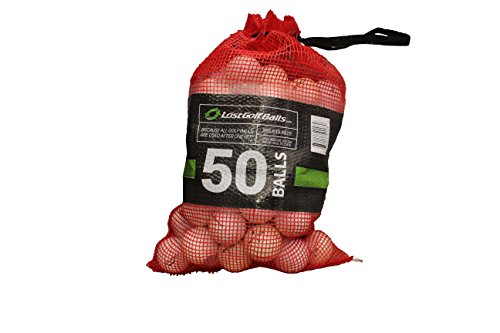
This 50-ball mix makes sense for golfers who want a practice stash without paying for brand-new sleeves every week. The balls are described as cut-free, with only light scuffs, small marks, or faded print, so you’re trading cosmetic neatness for lower-cost volume.
That trade-off fits range sessions, casual nine-hole rounds, and backyard chipping practice. Compared with the cleaner-looking Yellow Dog near-mint options later in the list, this TaylorMade mix leans more toward plain utility than visual uniformity, and that’s fine for most practice-heavy routines.
Strong Points
- 50-ball count gives you plenty of practice stock.
- Recycled format helps stretch your golf budget.
- Minor marks are easier to accept on range days.
- Mixed supply works well for rough practice baskets.
Things To Consider
- Cosmetic variation is part of the package.
- Printed logos or pen marks can show up on individual balls.
- The packaging may differ from the listing image, so don’t expect presentation-grade consistency.
Feature Snapshot
Who It Suits Best
Range regulars, home practice golfers, and casual weekend players get the most value from this pack.
Where A Sibling Pick Shines
Reload Recycled Golf Balls 50 Ball Bucket suits you better for a cleaner storage format, especially for garage practice setups that benefit from a bucket instead of loose packaging.
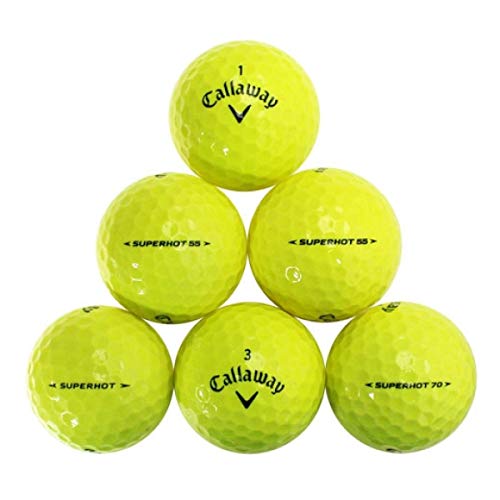
Yellow golf balls are handy when your eye loses the ball against wet grass, shaded rough, or a dim late-afternoon fairway. This near-mint mixed-brands lot keeps that visual advantage while staying in the recycled category, so you get easier tracking without moving to a brand-new premium sleeve.
The package dimensions and five-pound weight also hint at a fairly substantial parcel, which matters more than it sounds when you’re storing practice balls in a garage or clubhouse locker. Compared with TaylorMade’s mixed pack, this one feels a bit more organized for visibility-focused practice, though the exact brand mix means consistency will vary.
Positives
- Yellow finish makes the balls easier to spot.
- Near-mint grade suits golfers who want cleaner appearances.
- Mixed-brands assortment gives you variety for practice sessions.
- Recycled format keeps it practical for frequent use.
Worth Noting
- Brand mix means ball-to-ball consistency can differ.
- Package size takes a bit more storage space than a sleeve pack.
Core Details
The Right Fit
Golfers who play in varied light or want easier ball tracking during practice will appreciate this one most.
Reach For A Different Pick When
Reload Recycled Golf Balls 50 Ball Bucket is a better match for golfers who prefer a bucket-style storage solution and don’t mind a white assortment instead of yellow balls.
Two-piece distance balls usually appeal to golfers who want a simpler, hotter-feeling tee shot rather than a softer greenside touch. This Eagle Ace model leans into that idea with a 2-layer build and an emphasis on distance plus spin control, so it fits the player who spends most of the round trying to keep drives moving forward.
Compared with the recycled picks above, this one belongs in the new-ball lane and feels more purpose-built for full swings. The trade-off is that a distance-first design usually gives up some short-game delicacy, which is worth remembering for golfers who like a very soft wedge response.
Highlights
- Two-layer construction keeps the design straightforward.
- Distance-focused profile suits tee-shot confidence.
- Spin control language suggests better shot shaping than a basic range ball.
- New-ball format avoids the cosmetic uncertainty of used stock.
Areas To Watch
- Distance-first balls often feel firmer around the green.
- The 2024 version name does not tell you much about construction details beyond the listed layers.
Quick Facts
Built With In Mind
This suits golfers who want a straight-up distance ball for regular tee shots and don’t mind a firmer overall feel.
Look Elsewhere When
Cut Red Golf Balls fits you better for a softer, control-first setup around the green.
Vice’s Drive line sits in a comfortable middle ground for golfers who want a standard white ball without extra clutter in the spec sheet. That makes it easy to slot into regular play, especially for players who care more about predictable basics than exotic construction talk.
Compared with the Eagle Ace two-layer option, this one is less about a distance message and more about broad everyday use. You may find it especially handy as a steady practice ball for golfers who want one familiar model to keep in the bag all season.
Bright Spots
- Standard ball format keeps expectations simple.
- White color is easy to follow in most daylight conditions.
- Broad-use profile works for practice and casual rounds.
Softer Spots
- The listing offers little construction detail, so technical comparison is limited.
- Players chasing a specialized feel may want a more detailed model.
At A Glance
Whose Shelf It Belongs On
This fits golfers who want a plain, versatile white ball for day-to-day rounds and range sessions.
Swap It Out When
TaylorMade Recycled Golf Balls Mix Pack of 50 is the better choice for golfers who value quantity over a brand-new standard ball.
This 50-pack is aimed at golfers who want a large recycled stash without making the purchase feel fussy. The product notes point to high-grade recycled balls and say packaging may arrive as a plastic bucket or mesh bag, so you’re mainly deciding between storage convenience and a little visual variety.
The independent-lab claim about performance parity is the headline here, and that matters because it suggests the recycled route can still feel serious enough for regular play. The honest read is that a recycled bulk pack works best when you care about quantity first and pristine presentation second, which puts it closer to the TaylorMade pack than the cleaner premium options.
Reasons To Buy
- Large 50-ball count supports frequent practice.
- Bucket or mesh-bag packaging can be handy for storage.
- Recycled format keeps the focus on value and volume.
- Independent-lab note gives the listing extra context.
Small Caveats
- Packaging format may vary from one order to the next.
- Mixed presentation is expected in a recycled bulk lot.
Details At A Glance
Perfect Match For
This is a strong fit for golfers stocking up for the range, garage practice, or shared casual play.
Another Choice May Suit
Titleist Pro V1 / Pro V1X Refurbished Golf Balls suits golfers who want a more name-driven premium route and fewer balls per pack.
Titleist’s Pro V1 family carries a reputation that many golfers already know, and this refurbished pack taps into that familiarity at a more modest entry point. You’re not getting fresh-from-factory balls here, though, so the trade is simple, familiar tour-style branding in exchange for used condition and variable cosmetic quality.
That makes this a better fit for golfers who care about feel and pedigree more than spotless appearance. Compared with the recycled bulk sets above, the smaller 12-ball pack feels more like a selective purchase than a practice bin filler, which helps for occasional rounds and short-game work.
What We Like
- Pro V1 and Pro V1X naming gives you a familiar benchmark.
- Refurbished format can make a premium line more approachable.
- 12-ball count suits golfers who do not need bulk.
Trade Offs
- Used condition means appearance can vary from ball to ball.
- Smaller pack size is less convenient for heavy practice use.
Spec Overview
Best Suited To
This suits golfers who already like premium ball names and want a smaller refurbished set for play or practice.
Skip It When
Yellow Premium Brand Golf Balls 50 Pack is a better fit for golfers who need a larger practice supply and care less about a premium label.
This Kirkland ball stands apart from the simpler distance and recycled picks because it has three layers and a urethane cover, which are the kinds of details golfers usually associate with more shot-specific performance. The core is meant to support distance, the mantle helps with iron and wedge spin, and the outer cover adds greenside control, so the design is clearly trying to balance long game and short game needs.
For golfers who play a lot of full rounds and care about how the ball reacts near the green, that mix makes sense. It does ask more of your swing than a basic recycled pack, and the 2-dozen format suits golfers who want enough balls for repeat play without moving into a giant bulk lot.
Upsides
- Three-piece build gives the ball a more layered performance profile.
- Urethane cover is aimed at greenside control and spin.
- Two-dozen count works for regular golfers who play often.
- Distance, spin, and control are all part of the design story.
Points To Note
- More advanced construction usually means less of a no-frills feel.
- The pack is larger than a sleeve, so storage takes a little more space.
Feature Card
Who Should Grab It
This is a strong fit for regular golfers who want more control detail than a recycled practice ball can offer.
Where A Sibling Pick Shines
Vice Drive Golf Balls White suits golfers who want a simpler standard ball and do not need the layered construction here.
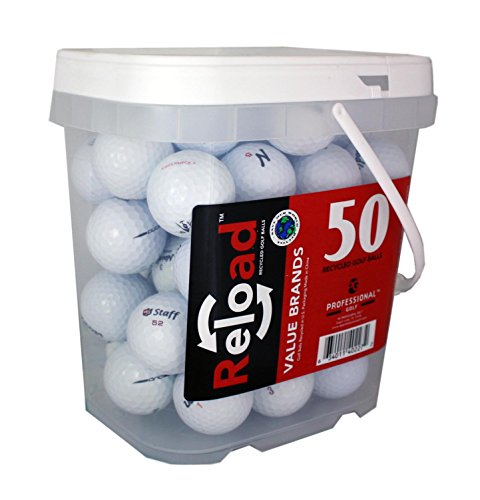
A bucket-style recycled lot is a neat answer for golfers who want storage to stay simple. This Reload set arrives as assorted brands and models with little to no visible wear, plus player marks and logos that can still show up, so it’s aimed at practical use rather than matched presentation.
That makes it especially useful for garage range setups, course warm-ups, or anyone who likes to keep practice balls together in one container. Compared with the TaylorMade mix, the bucket format is the quiet advantage here, because carrying and stowing the balls is a little less awkward.
Best Bits
- Bucket packaging keeps loose balls corralled.
- Little to no visible wear is a reassuring description for practice use.
- Assorted brands and models give the set variety.
- White color remains easy to sort in a storage bin.
Room For Improvement
- Assorted models mean the feel can vary from ball to ball.
- Marks and logos are still part of the used-ball story.
Technical Sheet
Made For
This suits golfers who want a tidy practice bucket for regular range work or backyard sessions.
Not Your Match When
Kirkland Signature V3.0 Performance Plus 3-Piece Golf Ball is the better fit for golfers who want a more structured, spin-focused ball.
Soft-core distance balls usually try to reduce excess spin while keeping the shot shape manageable, and that’s the lane this Cut model is aiming for. The red finish gives it a bit of visual personality, but the more useful part is the control-first description, especially for golfers who want straighter results off the tee and a little more predictability on full swings.
Compared with Eagle Ace, this one sounds a touch more centered on control than raw distance language. It’s a good match for golfers who prefer a firmer plan off the tee but still want a two-piece ball that stays easy to understand.
Standout Traits
- Soft core is built around a controlled feel.
- Two-piece construction keeps the design simple.
- Reduced spin language points toward tighter shot behavior.
Honest Caveats
- Control-focused balls can feel less plush than softer, higher-piece models.
- The listing does not give much construction detail beyond the main design claim.
Core Details
Right Fit For
This fits golfers who want a soft-core two-piece option with a control-led profile for everyday rounds.
A Better Fit Elsewhere
Titleist Pro V1 / Pro V1X Refurbished Golf Balls suits you more if you want a familiar premium name and do not mind a refurbished pack.
This is the bulk-minded sibling to Kirkland’s new-ball version, and the near-mint grading makes it a heavy-use option for golfers who burn through balls quickly. The 72-ball count is the story here, because it gives you enough supply for repeated practice while still keeping the quality cue stronger than a generic mixed lot.
The design notes mirror the premium Kirkland ball, so you still get the idea of a large soft core, a speed-boosting outer core, a fast mantle, and a urethane cover for greenside control. That combination makes sense for golfers who want a value-oriented stash without giving up the feel cues that make Kirkland a familiar name in this space.
Positives
- 72-ball supply is well suited to frequent practice.
- Near-mint grading offers a cleaner used-ball standard.
- Kirkland’s layered design language gives it a more performance-minded profile.
- Urethane cover notes suggest better short-game control than a plain range ball.
Areas To Watch
- Bulk quantity takes up more storage room.
- Used-ball grading still leaves some variation in cosmetic condition.
Feature Rundown
The Right Fit
This belongs with golfers who need a large practice stock and want a used-ball lot with stronger performance language.
Where Another Pick Fits Better
Reload Recycled Golf Balls 50 Ball Bucket is a better choice for golfers who want smaller storage demands and a cleaner bucket format.
How To Choose The Right Bargain Golf Balls
Match The Ball To Your Usual Round
A practice-heavy golfer needs a different ball than someone playing full rounds every weekend. Recycled mixes and bucket packs are sensible for range sessions, backyard chipping, and casual nine-hole outings, while new or refurbished performance balls make more sense for golfers who want a more consistent feel from tee to green. The key is to match quantity and condition to how often you actually lose balls, not how polished the package looks.
Know Which Construction Fits Your Swing
Two-piece balls usually keep things simpler, with a firmer, distance-leaning character that suits straightforward tee shots. Three-piece balls add another layer, often giving you more spin control and a more nuanced short-game response, though that can come with a less forgiving feel for some swings. Urethane covers matter too, because that material is commonly used when greenside control matters more than plain durability.
Don’t Ignore Condition Grades
Used-ball listings often use terms like near mint or high grade, and those words are your clue to cosmetic quality. A cleaner grade matters most for golfers who dislike scuffs, while a more basic recycled lot is fine for range work and practice holes. You’ll also want to watch for notes about pen marks, logos, or mixed brands, because those details affect consistency more than most listings admit up front.
Storage And Volume Matter More Than You’d Think
A 50-ball bag, a bucket, or a 72-ball bulk lot changes how you live with the purchase after it arrives. Bucket packaging is easier to keep in a garage or trunk, while loose recycled packs may be more compact on paper but less tidy in daily use. For golfers sharing a bag, a storage-friendly format can matter as much as the ball itself.
A Quick Reality Check Before You Order
Mistakes Worth Dodging
A common slip is treating all bargain golf balls as interchangeable. Some are built for practice volume, others lean toward spin or a familiar premium feel, and mixing those up leads to disappointment more than savings. Another easy miss is ignoring packaging, because a bucket, mesh bag, or loose pack changes how practical the set feels once it’s in your car or garage.
The Upgrade Payoff
Higher-tier balls usually cost more because of the cover material, layered construction, and tighter performance focus. That extra spend makes sense for golfers who play regularly and care about short-game control, especially on approaches and chips where feel matters. For occasional range use, the upgrade is harder to justify, and a recycled or basic two-piece option usually covers the job just fine.
Frequently Asked Questions
Are recycled golf balls worth it for practice?
Yes, recycled balls make solid practice stock when you care more about volume than perfect appearance. They’re especially useful for range sessions, chipping drills, and casual play.
What does near mint mean on used golf balls?
Near mint usually signals cleaner cosmetic condition with fewer visible marks. It still means used balls, so small scuffs or logo marks can remain.
Do three-piece golf balls help short game control?
Three-piece balls often give you a more layered feel and better greenside response than basic two-piece designs. That matters most for golfers who spend a lot of time around the green.
Why do some bargain golf balls come in buckets?
Buckets make storage and transport easier, especially for garage practice or car trunks. They also keep the balls together better than loose bag packaging.
Should you choose yellow golf balls or white ones?
Yellow balls are easier to track in dim light, wet grass, and rough. White balls stay the classic choice for golfers who want a familiar look and broad visibility in daylight.
Closing Thoughts
Bargain golf balls work best when you match the ball to your habits instead of chasing the fanciest label. A recycled 50-pack can be the smart move for range-heavy weeks, while a three-piece urethane model pays off more for golfers who care about spin and touch. You don’t need to overthink it, just decide whether you want quantity, visibility, or a more premium feel. From there, the right choice gets a lot easier.