


Golf puts a quiet kind of strain on your ankles, especially across uneven turf, long walks, and repeated swings. The right brace can help you feel more settled in the shoe, keep your footing more consistent, and make a round feel less distracting. That matters whether you walk 18 holes, play a few times a month, or just want steadier support during practice.
Quick Look At The Shortlist
BioSkin TriLok Ankle Brace
BraceAbility Ankle Compression Sleeve

ACE Brand Adjustable Compression Ankle Support

Ultra-Breathable Copper Ankle Braces Adjustable Compression Support
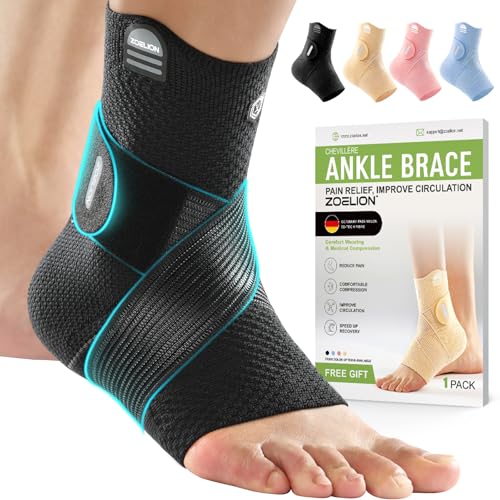
ZOELION Ankle Brace Compression Support

ZOELION Ankle Brace with Self-Adjusting Side Pads

TheraCopper Copper Ankle Brace 2 Pack

AGPTEK Lace Up Foot Stabilizer
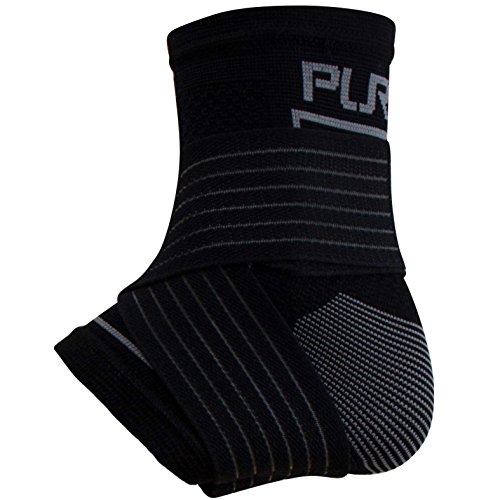
Pure Compression Ankle Brace Support Stabilizer

BraceAbility Neoprene Water-Resistant Ankle Brace
More Details On Our Top Picks
BioSkin takes a more structured route than the compression sleeves farther down the list. The arch-lift strap and figure-8 stabilizer work together, so you get support that feels aimed at both the ankle and the foot, which suits golfers who want more controlled footing through a full swing.
The honest read is that this kind of support can feel more involved than a simple sleeve, especially for casual nine-hole rounds. Still, for long walking rounds or anyone who likes a firmer held-in feel, it’s a very sensible place to start.
Strong Points
- Arch and ankle support work as a pair, which helps the brace feel more complete under golf shoes.
- The figure-8 layout adds a more directed hold than plain compression alone.
- Left and right foot compatibility makes fitting straightforward.
- Helpful for walking rounds, where steadier ankle placement matters step after step.
Things To Consider
- More structured support can feel bulkier than a sleeve-style brace.
- Some golfers may prefer a lighter feel for short practice sessions.
- Cleaning and drying may take a bit more attention than with a simpler knit brace.
Feature Snapshot
Who It Suits Best
Golfers who want firmer ankle guidance during full rounds will get the most from this brace.
A Better Fit Elsewhere
BraceAbility Ankle Compression Sleeve suits you better for lighter support and less bulk during casual practice or short walks.
This sleeve keeps things simple, and that’s part of its appeal. The beige knit compression format should sit more quietly under golf socks and shoes than the more built-up braces, so it suits golfers who want support without much visual or physical bulk.
Compression sleeves often feel best during steady, lower-intensity use, like a relaxed practice session or a round where you care more about comfort than rigid control. The trade-off is obvious: you get less structural hold than the BioSkin TriLok or the lace-up options later in the list.
Highlights
- Slim profile works well under golf apparel.
- Compression style can feel comfortable for longer wear.
- Large size and beige color help it blend in more easily.
- Good match for golfers who want light daily support.
Room For Improvement
- Compression sleeves usually offer less side-to-side control than strap-based braces.
- Light support may feel too soft for more demanding ankle stability needs.
- Like most knit sleeves, it may need careful washing to keep its shape over time.
Quick Facts
Made For
Golfers who want light, low-profile support for walking practice or relaxed rounds will appreciate this one most.
Not Your Match When
BioSkin TriLok is the stronger call for golfers who want a more anchored feel around the arch and ankle.
ACE keeps the design plain and familiar, which can be a good thing for a golf bag staple. Adjustable straps give you some room to tune the fit, so it makes sense for golfers who want moderate support without moving all the way to a more complex brace.
One size fits most is convenient, but it also means the final feel depends on your ankle shape and shoe setup. Compared with the sleeve-style BraceAbility pick, this should offer a bit more control; compared with the BioSkin brace, it stays simpler and easier to live with.
Upsides
- Adjustable straps let you fine-tune the hold.
- Moderate support fits a broad range of everyday use.
- One-size approach keeps the selection process simpler.
- Good middle ground for golfers who dislike overly bulky gear.
Softer Spots
- One-size fit may not feel equally dialed in for everyone.
- It offers less directed structure than lace-up or figure-8 designs.
- Simple strap hardware can take a moment to position neatly inside a shoe.
Details At A Glance
Best Suited To
Golfers who want a straightforward brace for occasional rounds or practice range time will find the fit approachable.
Where A Sibling Pick Shines
ZOELION Ankle Brace with Self-Adjusting Side Pads is the better call for golfers who want a more tuned, structured setup.
Breathability is the story here, and that matters more than it sounds like for golfers playing in warm weather. The AirFlow knit and removable figure-8 straps give you a brace that can stay focused on support without feeling overly closed-in, which helps on humid mornings or long walking rounds.
Compared with ACE, this one leans more into technical structure, while still aiming for comfort. The medium size keeps the fit choice specific, though the more tailored design means you’ll want to pay closer attention to how it sits with your golf shoe collar.
Bright Spots
- AirFlow knit should feel easier to wear in heat.
- Removable figure-8 straps let you adjust the level of structure.
- Compression support suits active use beyond the fairway.
- Medium size narrows the fit decision.
Areas To Watch
- More technical construction can feel less set-and-forget than a sleeve.
- Strap positioning may take a little more attention at first.
- Knitted braces tend to benefit from gentle cleaning and air drying.
Core Details
Whose Shelf It Belongs On
Golfers who play in heat and still want a more structured brace will get the most out of this pick.
Look Elsewhere When
BraceAbility Ankle Compression Sleeve is a cleaner fit for golfers who want the lightest possible profile.
ZOELION leans into adjustability, and that’s useful for golfers who want to change how much hold they feel from round to round. The removable fishnet strap and 3D knit construction give it a more layered fit than a plain sleeve, so it sits between casual compression and more rigid support.
That middle ground is attractive for practice days, range work, and regular play, especially for someone who likes to fine-tune gear rather than settle for a fixed feel. The trade-off is a little more setup time, which is normal for a brace with more moving parts.
Positives
- Removable strap adds flexibility in how the brace feels.
- 3D knit construction usually brings a more shaped fit.
- Useful for golfers who move between walking and riding carts.
- Black color is discreet under athletic wear.
Small Caveats
- The adjustable layout asks for a little more setup than a basic sleeve.
- More structure can feel warmer than a thinner compression-only option.
- Larger knit braces often need careful folding to keep straps tidy in a gear bag.
Spec Overview
The Right Fit
Golfers who like adjustability and don’t mind a slightly more involved fit process will appreciate this brace.
A Better Fit Elsewhere
ACE Brand Adjustable Compression Ankle Support is easier to live with for golfers who want a simpler, less layered setup.
This brace looks built for golfers who prefer a sleeker profile but still want side support. The self-adjusting pads and quick hook-and-loop lace-up system point to a fit that can be tightened with less fuss than a traditional lace-up brace, which helps before an early tee time.
Compared with the more open compression sleeves in this list, this should feel more locked in around the ankle. The slim fit can be a plus in golf shoes, though you may find the finer adjustment worth a little extra setup the first time around.
Best Bits
- Self-adjusting side pads support a more customized feel.
- Hook-and-loop lace-up closure makes tension changes straightforward.
- Slimmer profile may sit better inside sport shoes.
- Good balance of structure and mobility for active play.
Worth Noting
- Lace-up bracing usually takes more time than a slip-on sleeve.
- More structure can feel noticeable during very casual wear.
- Hook-and-loop parts may need occasional brushing to stay tidy.
Feature Card
Built With In Mind
Golfers who want a firmer, slimmer brace for walking rounds or regular practice should look closely at this one.
Swap It Out When
Pure Compression Ankle Brace Support Stabilizer is the calmer choice for golfers who want lighter all-around compression.
A two-pack changes the ownership story right away, especially for golfers who rotate gear between laundry days or keep one sleeve in a golf bag and one at home. The medium size and copper-infused knit aim for everyday compression rather than heavy structure, so this feels like a practical, low-fuss option.
Compared with the more technical ZOELION braces, this one is simpler and easier to keep in circulation. The honest trade-off is that you’re paying for convenience and a softer support profile, not for aggressive stabilization.
Reasons To Buy
- Two-pack setup is handy for rotation and backup use.
- Compression sleeve format keeps the feel straightforward.
- Medium size gives you a clearer fit starting point.
- Good for golfers who want one pair for regular use and one spare.
Minor Gripes
- Compression sleeves usually provide less structure than lace-up braces.
- The support feel may be too gentle for golfers who want firm control.
- Two sleeves still need careful washing to keep knit fabric in shape.
At A Glance
Perfect Match For
Golfers who want a straightforward sleeve they can rotate through the week will find this pack especially sensible.
Where Another Pick Suits Better
BioSkin TriLok suits golfers better when arch control and a more anchored ankle feel matter more than convenience.
AGPTEK goes harder on structure than the sleeve-style options above it. Two removable side stabilizers plus a figure-8 support layout tell you this brace is built for stronger ankle control, which can appeal to golfers who want a firmer feel during swing setup and walking.
The lace-up format also gives you more room to tailor tension, though that same feature adds a little time before play. That’s a fair trade for people who want a brace that feels more like gear and less like a soft sleeve.
What We Like
- Two side stabilizers add a clear structural element.
- Figure-8 support helps the brace feel more anchored.
- Lace-up design gives you detailed fit control.
- Good choice for golfers who prefer a firmer brace inside their shoe.
Points To Note
- Lace-up fitting takes longer than a pull-on sleeve.
- More support can mean a more noticeable feel during casual wear.
- Stabilizer parts may need a bit of tidying after bag storage.
Technical Sheet
The Right Fit
Golfers who want strong ankle structure for walking rounds or repetitive practice sessions should start here.
Another Choice May Suit
Pure Compression Ankle Brace Support Stabilizer is better for golfers who want lighter support and less setup.
Pure Compression sits in a useful middle zone for golfers who also cross over into other sports. The adjustable sleeve format should be easier to adapt than a rigid brace, yet more controlled than a plain compression tube, so it works well for mixed-use routines.
That versatility is the draw, especially for someone who plays golf on the weekend and does court work or running during the week. The trade-off is that a do-everything design rarely feels as specialized as the stronger structural options from BioSkin or AGPTEK.
Standout Traits
- Adjustable compression keeps the fit flexible.
- Good crossover use for golf and other sports.
- Simple sleeve form stays easy to store in a bag.
- Useful for golfers who want one brace for more than one activity.
Areas To Watch
- Versatile designs can feel less specialized for golf alone.
- Compression focus means less hard structure than lace-up braces.
- Adjustable pieces may need occasional retightening during a long day.
Feature Rundown
Who Will Love This
Golfers who split time between the course and other active hobbies will get strong value from this brace.
Where A Sibling Pick Shines
BraceAbility Neoprene Water-Resistant Ankle Brace is the better match for golfers who also spend time near water or in wetter conditions.
Neoprene gives this brace a different personality from the knit options above it. Water-resistance and activity coverage for swimming, surfing, diving, exercise, and running make it a better fit for golfers whose support needs stretch beyond the fairway and into mixed outdoor routines.
For golf alone, the material choice may feel a little more purpose-built than necessary, but that same construction helps if you pack light and want one brace that travels across activities. The S/M size keeps the fit compact, though the neoprene feel can run warmer than open knit models.
What We Like
- Water-resistant neoprene is useful for active outdoor use.
- Compression foot wrap format can feel secure and familiar.
- Works across several sports, not just golf.
- S/M sizing gives a specific fit target.
Things To Consider
- Neoprene can feel warmer than breathable knit fabric.
- Its broader sport range may be more than you need for golf only.
- After wet use, drying time matters more than with a plain sleeve.
Key Specs
Who Should Grab It
Golfers who split time between the course and other outdoor activities will get the most out of this brace.
Not Your Match When
BraceAbility Ankle Compression Sleeve is the easier choice for golfers who want a cooler, lighter everyday brace.
How To Choose The Right Ankle Braces For Golf
Support Style Comes First
Golf asks for controlled movement, not a rigid lock-down feel, so the first question is how much support you actually want. Compression sleeves keep things light and quiet inside a golf shoe, while lace-up braces and figure-8 designs give you more structure for uneven lies, long walks, or ankles that feel unpredictable. Arch support also matters more than many people expect, because a brace that stabilizes both the foot and ankle can feel steadier through the swing.
The trade-off is comfort versus control. Lighter sleeves suit casual play and practice, while the structured options are better for golfers who want a more planted feel from the first tee to the last green.
Fit, Closure, And Shoe Space
Golf shoes leave less room than sneakers, so low bulk matters. Slip-on sleeves tend to slide into place faster, but adjustable straps, hook-and-loop closures, and lace-up systems let you fine-tune pressure around the ankle bone and the upper foot. That kind of fit control can be a real help on walking rounds, though it adds a bit of setup time before play.
Look at how the brace sits under your shoe collar and sock line. A slim profile can feel easier to live with, yet a brace that spreads support across the heel and midfoot may stay more secure during a full swing.
Material Choice Changes The Whole Feel
Knit braces usually breathe better, which matters on warm days or in humid climates. Neoprene feels more wrapped and may suit golfers who want a snug, enclosed feel, but it can also run warmer during long rounds. Copper-infused fabrics show up in some listings, though the practical question is still the same: does the fabric feel comfortable enough to wear for a full session?
Maintenance follows the material. Knits often need gentler washing, while denser wraps may dry more slowly, so the brace that seems easiest on paper should still fit your routine off the course.
Match The Brace To Your Playing Style
Weekend golfers who only want mild support can stay with a simple sleeve. Frequent walkers, older players, or anyone coming back from a recent ankle issue usually benefit more from a brace with side stabilizers, straps, or a figure-8 layout. That extra structure can feel reassuring on uneven fairways, especially later in the round when footwork gets sloppier.
The best fit is the one you’ll actually wear. A lighter brace that stays comfortable for 18 holes is better than a heavy brace that ends up in the bag halfway through the round.
A Quick Reality Check
Common Shopping Slip Ups
One common mistake is choosing a brace that looks supportive but feels too bulky inside golf shoes. Another is ignoring fit details such as size, closure type, and whether the brace is meant for the left or right foot.
Avoid the habit of chasing the most rigid design by default. For golf, the better choice is usually the one that balances support with clean movement through your stance.
What The Higher Tier Buys
More expensive braces usually spend their extra cost on structure, adjustability, and better materials. You’ll often see removable straps, side stabilizers, shaped knits, or more careful construction that makes the brace easier to fine-tune.
That upgrade pays off for golfers who walk often, play multiple rounds a week, or want more confidence on uneven ground. For occasional nine-hole play, a simpler sleeve can be enough.
Frequently Asked Questions
Do ankle braces help with golf swings?
A brace can help you feel more settled through stance and weight transfer. The biggest gain is usually steadier comfort, not dramatic change.
Should you wear a brace inside golf shoes?
Yes, many braces are designed for shoes, but slim fit matters. A bulky brace can crowd the heel or make the collar feel tight.
Is a sleeve or a lace-up brace better for golf?
Sleeves suit lighter support and simpler wear. Lace-up braces suit golfers who want more structure and side control.
What material feels best for hot rounds?
Breathable knit usually feels cooler than neoprene. Warm-weather rounds tend to favor thinner, more ventilated builds.
Can you use one brace for golf and other sports?
Yes, several options in this list work across running or court sports as well. Versatile braces make sense for mixed training routines.
Closing Thoughts
The right ankle brace for golf should feel steady without getting in the way of your swing or your shoes. For most golfers, that means choosing between a light compression sleeve, a more structured lace-up, or a balanced option somewhere between the two. Think about how often you walk, how warm your rounds get, and how much control you want around the arch and ankle. The best fit is the one that stays comfortable from the first hole to the last putt.


