You want ladies golf balls for distance that help your tee shots carry a little farther without making short-game control feel wild. That balance matters most on real courses, where a firm feel, a stable flight, and a ball you trust off the driver can save a round from feeling scrambled.
The picks below lean toward distance-first designs, softer-feel options, and a few all-around models that make sense for everyday play. You’ll see clear differences in cover construction, alignment aids, and pack size, so you can match the ball to your swing speed and how often you play.
Quick Look At Our Top Distance Picks
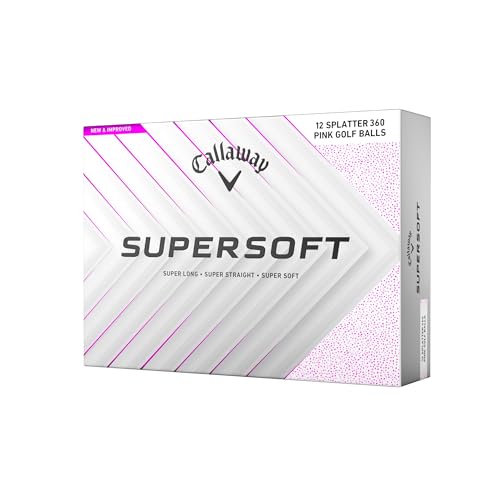
Callaway Golf Supersoft 2025 Golf Balls

Callaway Golf Supersoft Golf Balls (2023)

WILSON 2025 Duo Soft Golf Balls 12 Balls

WILSON 2024 Chaos Golf Balls 24 Balls

Taylormade 2025 Golf Distance+ Golf Balls

Eagle Ace Drive Golf Balls 2 Layers 2024 Version

TaylorMade Tour Response Golf Balls Pack of 12

Bridgestone e6 Golf Balls

Vice Drive Golf Balls

Srixon Q-Star Tour Divide Golf Balls
More Details On Our Top Picks
Callaway’s Supersoft line has long been the easy-going option in this category, and the 2025 version keeps that same friendly shape. For a casual round after work or a weekend tee time, the soft feel should suit golfers who want less sting at impact and a ball that’s simple to live with.
The trade-off is familiar, too, because softer distance balls usually ask you to accept a little less bite around the green than firmer tour-style models. Compared with TaylorMade Distance+ later in this list, this one feels more comfort-first, which suits relaxed rounds and newer golfers who don’t want a harsh response off the clubface.
What We Like
- Soft compression can feel easier on contact for slower or moderate swings.
- Standard-ball styling keeps it simple for everyday rounds and practice sessions.
- Friendly off the tee for golfers who want a lower-stress setup.
- Well suited to regular play where comfort matters as much as carry.
Things To Consider
- Very short-game players may want a firmer ball with more greenside response.
- Soft covers can show scuffs sooner with heavy cart-path or wedge contact.
- The distance benefit is more about easy launch than raw explosiveness.
Feature Snapshot
Who It Suits Best
Golfers who want a soft, uncomplicated ball for regular rounds will get the most value here, especially on courses where keeping the game relaxed matters.
A Better Fit Elsewhere
TaylorMade 2025 Golf Distance+ Golf Balls suits golfers who want a firmer, more distance-forward feel at the tee.
The 2023 Supersoft keeps the same basic appeal as the newer Callaway entry, which makes it a sensible fallback for golfers who want a familiar feel. In a course bag, that usually translates to less guesswork and a smoother transition from range balls to your regular gamer.
Because it sits close to Item 1 in profile, the decision here is mostly about which version you prefer to trust round after round. For most weekend golfers, that softer construction is useful on full swings and still forgiving enough to keep the ball from feeling too lively.
Positives
- Soft feel can help the clubface response feel calmer on contact.
- Easy to slot into a regular bag setup without a learning curve.
- Useful for golfers who value comfort on long rounds.
Softer Spots
- The short-game trade-off is still part of the softer-ball formula.
- It overlaps closely with the 2025 Supersoft, so the choice can feel subtle.
Core Details
Made For
You’ll appreciate this most as a comfortable, everyday option for casual play and practice rounds.
Skip It When
Callaway Golf Supersoft 2025 Golf Balls makes more sense for anyone who wants the newer version within the same soft-feel family.
Wilson’s Duo Soft line is built for golfers who want the ball to launch easily without feeling overly firm. That softer profile makes sense on days when you’re playing a forgiving municipal course and want a simple, repeatable strike off the tee.
Compared with the Callaway Supersoft models, this one comes in a 12-ball pack, so it suits a golfer who likes to restock in a tidy, straightforward way. The honest read is that it’s less about flashy spin tricks and more about keeping the ball easy to handle from the first swing to the last hole.
Highlights
- Soft construction can help moderate swings get the ball airborne more easily.
- Pack of 12 keeps your supply simple for a few rounds.
- Comfortable feel is a plus on longer outings.
- Plain, no-fuss setup makes it approachable for newer golfers.
Areas To Watch
- Golfers chasing firmer feedback may find it too mellow.
- Pack size is modest, so frequent players may restock often.
Details At A Glance
Who Should Grab It
This suits newer golfers and steady weekend players who want a soft ball without a complicated feel profile.
Where A Sibling Pick Shines
WILSON 2024 Chaos Golf Balls 24 Balls works better for golfers who want more balls in the bag at once.
The Chaos pack leans into quantity, which matters a lot for practice-heavy golfers and anyone who loses a few balls during a round. In a busy range bucket or a casual league night, having 24 on hand cuts down on interruptions and keeps your focus on the swing.
That bigger pack is the main story, and it makes this item feel more like a supply choice than a specialty feel choice. Compared with the Duo Soft above, it’s the more practical grab for golfers who care about keeping extras close at hand.
Best Bits
- Twenty-four balls give you more room for practice and casual play.
- Useful for golfers who want a larger backup stash.
- Easy fit for range sessions, lesson days, and scrambles.
Worth Noting
- Pack size matters more here than detailed play traits.
- Golfers wanting a softer, named feel profile may prefer the Duo Soft line.
Quick Facts
The Right Fit
This belongs in the bag of golfers who treat balls as a practical supply item and want fewer restock runs.
Reach For A Different Pick When
WILSON 2025 Duo Soft Golf Balls 12 Balls suits you better if you prefer a smaller, softer-feel pack.
This is the clearest distance-first choice in the group, and that matters for golfers who want the ball to stay lively off the driver. On a long par 4 or a breezy open fairway, the focus here is on getting the most out of your full swing without asking you to chase a complicated setup.
Compared with the softer Callaway balls earlier in the list, Distance+ is the more direct pick for carry and rollout. The trade-off is that a distance ball often asks a little more from your short game touch, so it fits golfers who care more about length than a plush feel.
Reasons To Buy
- Built around distance, not just general comfort.
- Works well for golfers who want a more lively full-swing response.
- Standard-ball shape keeps it easy to slot into routine rounds.
- Good fit for tee shots on open courses.
Small Caveats
- Distance-first balls can feel less soft around the greens.
- Golfers who prefer a very muted strike may want something gentler.
Technical Sheet
Whose Shelf It Belongs On
You’ll get the most from this if your priority is tee distance and a more energetic ball off the clubface.
A Better Fit Elsewhere
Callaway Golf Supersoft 2025 Golf Balls suits golfers who want a softer feel before raw distance.
Eagle Ace takes a more technical route than the softer Callaway and Wilson options, starting with a two-layer build and a Surlyn cover. Surlyn is a durable cover material often used when you want a tougher shell and a crisper response, so this ball leans toward golfers who like a sturdier feel from tee to green.
The alignment guide is a nice touch for aim-conscious rounds, especially on days when your pre-shot routine needs a little extra help. You may find it most useful if your swing speed sits in the moderate range and you want the ball to work harder for tee distance without giving up wedge control entirely.
Plus Points
- Two-layer construction gives the ball a more purposeful structure.
- Surlyn cover supports durability and a firmer response.
- Alignment guide helps with aim on the tee and on the green.
- Suited to golfers who want distance plus some short-game control.
Points To Note
- The firmer build may not suit golfers who want a very soft strike.
- Technical design language can make it feel less straightforward than simpler options.
- Best results usually depend on a swing that matches the ball’s target profile.
At A Glance
Built With In Mind
This suits golfers who want a tougher, more technical distance ball and don’t mind a firmer feel.
Look Elsewhere When
Bridgestone e6 Golf Balls makes more sense if you want a simpler straight-flight option with less technical framing.
Tour Response sits a step up in feel and setup detail, especially with its 360-degree ClearPath alignment aid. That’s the kind of feature that helps during putting practice and keeps the ball easier to square up on the tee, which is handy for golfers who like a more structured pre-shot routine.
The Speed Wrapped Core is the other headline piece, and the name signals a core design aimed at blending distance and feel. Compared with Eagle Ace, this one sounds less rugged and more polished, so it fits golfers who want a cleaner response and are willing to pay attention to alignment.
Bright Spots
- Alignment marking helps with aim on putts and tee shots.
- Core design aims to balance distance and a responsive feel.
- Pack of 12 keeps it manageable for regular play.
- Good fit for golfers who appreciate a more premium-feeling setup.
Honest Caveats
- The extra feature set may be more than casual golfers need.
- Alignment features only help when you actually use them consistently.
Feature Rundown
Who Will Love This
This is a strong match for golfers who like visible alignment help and a more polished feel from a distance ball.
Another Choice May Suit
Vice Drive Golf Balls is a more stripped-back option for golfers who want something simpler and less feature-heavy.
Bridgestone e6 is the kind of ball that appeals to golfers who value a calm, straight flight more than anything flashy. On tree-lined fairways or tighter public courses, that steadier shape can make your tee shots feel easier to manage.
Compared with the TaylorMade Distance+ model, this one feels less aggressively distance-branded and more balanced in its pitch. The honest read is that it suits golfers who want a dependable ball for full rounds, not just a quick burst of carry.
Standout Traits
- Straight-flight focus helps the ball feel controlled off the tee.
- Good all-course choice for golfers who like simple performance.
- Works well for everyday rounds where steadiness matters.
Room For Improvement
- Golfers chasing the most aggressive distance profile may look higher in the list.
- The design is more about balance than flashy feature counts.
Feature Card
Perfect Match For
You’ll like this most if you want a steady, all-around ball that stays easy to manage during normal rounds.
Swap It Out When
Taylormade 2025 Golf Distance+ Golf Balls is a better fit for golfers who want a more pointed distance-first feel.
Vice Drive keeps things straightforward, which can be a relief when you want a distance ball without a pile of extra features. For practice sessions and ordinary weekend rounds, that plainspoken approach often means less second-guessing and more focus on the swing.
Against the more detailed TaylorMade and Srixon entries, this one feels like a cleaner, more stripped-back choice. That makes it a reasonable fit for golfers who like their gear uncomplicated and prefer to spend attention on contact rather than ball technology.
Upsides
- Simple distance-oriented profile keeps the ball easy to understand.
- Good choice for everyday practice and casual play.
- Less feature clutter can suit golfers who want a tidy setup.
Minor Gripes
- Golfers who like more design detail may want a richer-feeling option.
- The product page details are sparse, so the fit is more about profile than extras.
Core Details
Right Fit For
This is a clean match for golfers who want a simple, distance-minded ball without extra clutter.
Where A Sibling Pick Shines
Bridgestone e6 Golf Balls suits you better if you want a more defined straight-flight emphasis.
Srixon’s Divide ball stands out because the two-tone split color makes alignment easier to see at address and on the green. That visual cue can help in a practice session or a casual round where you want a little more confidence lining up the face, almost like putting a stripe on the road before a long drive.
Compared with Vice Drive, this option feels much more design-driven, and that extra visibility is the main reason to pay attention to it. For golfers who care about distance but also want a ball that helps with aim and setup, it offers a different kind of usefulness than the more basic picks above.
Best Bits
- Split-color design supports alignment and visibility.
- Useful for tee shots, putting, and practice drills.
- Distinct look makes it easier to track the ball in play.
- Good option for golfers who want function and style together.
Areas To Watch
- The visual design is the main draw, so distance-only shoppers may prefer a simpler model.
- Bold coloring is a matter of taste, especially for traditionalists.
Technical Sheet
Who It Suits Best
This is a smart fit for golfers who want a visible ball that helps with alignment while still serving regular rounds.
Not Your Match When
Vice Drive Golf Balls is the calmer pick for golfers who want a more understated look and a simpler setup.
How To Choose The Right Ladies Golf Balls For Distance
Start With Your Swing Speed And Feel Preference
Distance balls are not all built the same, and your swing speed changes which one makes sense. Softer models, like Callaway Supersoft and Wilson Duo Soft, often feel easier to compress for moderate swings, while firmer distance balls can suit golfers who swing with more speed and want a more energetic launch.
Feel matters just as much as carry. A softer ball usually gives a calmer strike and less feedback, while a firmer ball often feels more direct off the face, which some golfers like and others don’t.
Match The Ball To Your Short Game Expectations
Longer distance usually comes with a trade-off around the green, so you want to be honest about what matters most. Tour-style options such as TaylorMade Tour Response and Srixon Q-Star Tour Divide offer more structure and alignment help, while simpler distance balls lean harder into tee shots and easy launch.
Golfers who chip and putt with care may want a ball that gives them more predictable greenside response. Casual players often prefer a softer, simpler option because it keeps the round relaxed and the ball easy to manage.
Think About Pack Size And How Often You Play
Pack size changes ownership more than people expect. A 12-ball pack like Wilson Duo Soft or TaylorMade Tour Response works well for regular golfers who keep a few sleeves in the bag, while 24-ball packs like Wilson Chaos suit practice-heavy routines and golfers who want a larger backup supply.
That choice matters most for range visits, lessons, and vacation golf. Bigger packs reduce restocking, but smaller packs make it easier to try a model without committing to a larger stash.
Use Alignment Features Only When They Fit Your Routine
Alignment aids can help a lot, but only when you actually use them. Srixon Q-Star Tour Divide and TaylorMade Tour Response make that visual help part of the design, which is useful for golfers who like deliberate pre-shot habits and want extra confidence on putts.
Golfers who set the ball down quickly may not care as much. In that case, a cleaner, simpler ball can be the better fit because you spend less time thinking about markings and more time swinging.
Things Worth Knowing Before You Choose
Mistakes Worth Dodging
One common mistake is choosing only by distance branding and ignoring feel. A ball that sounds long off the tee can still feel too firm for your swing, so the better move is to match compression and short-game comfort to how you actually play.
Another easy miss is ignoring pack size. A 24-ball pack is handy for frequent play, while a 12-ball pack may be enough for relaxed weekend rounds and a cleaner bag setup.
The Upgrade Payoff
Higher-tier models usually cost more because of cover materials, core design, and alignment details. That matters when you want more control on approach shots or a more polished response off the face, which is where TaylorMade Tour Response and Srixon Q-Star Tour Divide start to make sense.
Paying up makes the most sense for golfers who play often enough to notice the difference in feel and setup help. For casual rounds, a simpler distance ball can be plenty.
Frequently Asked Questions
What makes a golf ball good for distance?
You want a ball that launches easily and keeps speed through the air. A design that suits your swing speed matters just as much as the label.
Are softer golf balls always better for women?
No, softer just means easier compression for many swings. The right feel depends on how fast you swing and how much greenside touch you want.
Do distance golf balls hurt short-game control?
They can, especially the firmer ones. That’s the trade-off for extra tee-shot focus.
Is a 12-ball pack enough for regular play?
For many golfers, yes. It’s a practical amount for a few rounds without taking up much bag space.
What’s the difference between standard and distance balls?
Distance balls usually lean toward longer flight and a more energetic full-swing feel. Standard balls often balance that with softer feedback or broader everyday use.
Final Thoughts
The best ladies golf balls for distance are the ones that match your swing, your feel preference, and the kind of rounds you actually play. Soft models like the Callaway Supersoft and Wilson Duo Soft keep things easy, while TaylorMade Distance+ and Bridgestone e6 lean more toward tee-shot distance and steady flight. If you want a little extra help with alignment, Srixon Q-Star Tour Divide and TaylorMade Tour Response bring that into the mix. Pick the ball that makes your next tee shot feel a little more familiar, and the rest of the round usually settles in.