You want yardage that shows up fast, stays readable in sunlight, and fits the way you actually play. That matters just as much on a crowded weekend tee sheet as it does during a quick nine after work. The eight handheld golf GPS picks below cover compact clip-ons, voice-guided models, touchscreen units, and a few more advanced options for golfers who want more than front, middle, and back distances.
The trade-offs are real. Smaller units are easier to carry, while feature-rich models add weight, screens, or extra learning time. This roundup helps you match the device to your round, not the other way around.
Quick Shortlist For Faster Course Checks

Voice Caddie VC300SE Golf GPS Rangefinder


Bushnell Golf Phantom 3 Slope GPS, Green

Bushnell Golf Phantom 3 Slope GPS, Red/Blue

MiLESEEY GeneSonic Pro Golf GPS Speaker, Squad Camo

MiLESEEY GeneSonic Pro Golf GPS Speaker, Zesty Red
Bushnell Golf Phantom 3 Slope GPS, Black
More Details On Our Top Picks
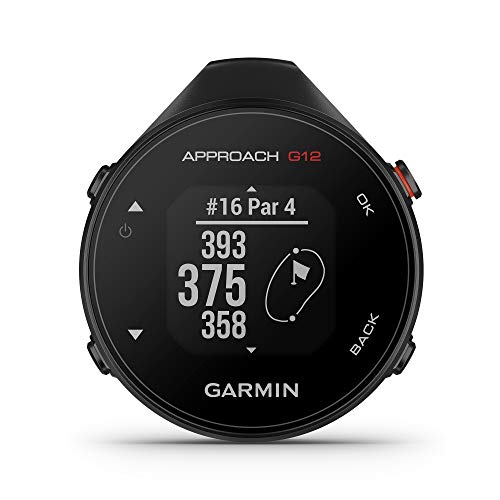
The Approach G12 suits golfers who want a small clip-on unit instead of a larger touchscreen. Garmin lists 42,000-plus preloaded courses, which helps on unfamiliar tracks and travel rounds. The trade-off is obvious, it stays focused on yardage rather than extras.
That narrow focus suits walkers and golfers who like a pocket-friendly setup. In a busy cart, the clip-on format keeps the device easy to access without adding much bulk. You give up spectacle, but you gain something easier to live with round after round.
Strong Points
- Clip-on form keeps carry weight low.
- Preloaded course coverage helps on road trips.
- Simple layout suits quick glances mid-round.
- Small body stores easily in a pocket or pouch.
Things To Consider
- It stays focused on core distance info, not a long feature list.
- The smaller format may feel plain beside touchscreen models.
- Clip-on use works best with a stable pocket or bag spot.
Key Specs
Who It Suits Best
Golfers who want basic yardage in a compact package will get the most from this one.
A Better Fit Elsewhere
Garmin Approach G80 suits golfers who want GPS plus practice tools, especially at the range.
The VC300SE leans on voice output, so you can keep your eyes on the fairway instead of checking a screen every hole. It also gives front, middle, and back yardages, which covers the basics most casual rounds need. That makes it especially sensible for walking rounds where simplicity matters more than bells and whistles.
Compared with the Garmin G12, this one trades clip-on compactness for spoken distance callouts. The honest read is that voice guidance feels best on quiet courses, while louder environments can make the feature less useful. Still, for golfers who like audible feedback, it removes a small but constant task.
Highlights
- Voice readouts reduce screen checking.
- Front, middle, and back distances cover routine decisions.
- Over 40,000 mapped courses broaden travel use.
- Button-driven operation keeps the learning curve gentle.
Worth Noting
- Voice output fits some rounds better than others.
- The audio-first approach may feel less discreet than silent units.
- Small accessories are worth keeping organized for transport.
Feature Rundown
Who Will Love This
Walking golfers and casual players who want simple spoken yardage will find this especially practical.
Swap It Out When
Bushnell Golf Phantom 3 Slope GPS, Green suits golfers who want a brighter touchscreen and slope-adjusted distances.
The G80 is the outlier in this group because it folds a launch monitor into a GPS handheld. A launch monitor tracks ball data used for practice feedback, so this pick serves range sessions as well as course play. The 3.5-inch touchscreen gives you a larger control surface than the simpler clip-on and voice units above.
That extra capability comes with a more involved setup than the Garmin G12 or Voice Caddie VC300SE. For golfers who split time between the course and practice area, that complexity pays off in one unit handling two jobs. For pure on-course simplicity, it may feel like more machine than you need.
What We Like
- Built-in launch monitor adds practice value.
- Touchscreen control feels familiar for most golfers.
- All-in-one layout reduces the need for separate gear.
- Useful for both range sessions and rounds.
Points To Note
- The extra functions add setup and learning time.
- It makes less sense for golfers who only want basic yardage.
- A larger touchscreen usually means more surface to keep clean.
Core Details
Best Suited To
Golfers who practice often and want one device for the range and the course are the best match here.
Another Choice May Suit
Garmin Approach G12 fits golfers who want a smaller, less involved handheld for everyday rounds.
This Phantom 3 Slope version is built around a touchscreen and slope-adjusted distances, which means it aims to give you a better number for uphill or downhill shots. Slope adjustment means the device factors in elevation change, and that matters most on courses with noticeable terrain. The magnetic cart mount also makes it easy to park the unit where you can reach it quickly.
Compared with the Garmin G80, this one is more course-focused and less practice-heavy. The 38,000-plus course count keeps it useful for travel, and the green finish is a small visual change without changing the core function. For most cart rounds, it lands in a useful middle ground.
Best Bits
- Slope-adjusted yardages help on uneven holes.
- Touchscreen operation keeps navigation straightforward.
- Magnetic cart mount supports quick placement on a cart.
- Large course library helps on unfamiliar tracks.
Softer Spots
- Slope data helps most on hilly courses, less on flat ones.
- Cart mounting is useful, but walkers may not use it.
- Touchscreens usually need occasional cleaning to stay readable.
Details At A Glance
Right Fit For
Golfers who play hilly tracks and spend a lot of time on carts will get the cleanest use from this model.
Where Another Pick Fits Better
Voice Caddie VC300SE Golf GPS Rangefinder fits golfers who want spoken yardages instead of a touchscreen.
The Red/Blue Phantom 3 Slope uses the same core layout as the green version, but the color finish gives it a louder visual identity. That matters more than it sounds, especially if you like spotting your gear quickly in a cart or bag. The rest of the appeal stays grounded in slope-adjusted distances, touchscreen control, and broad course coverage.
Unlike the quieter Garmin G12, this pick has a more visible personality without changing the playing experience. The honest read is that color rarely affects performance, yet it can make a device easier to identify at a glance. For style-minded golfers, that’s a small but real advantage.
Positives
- Bright finish stands out in a golf bag.
- Slope-adjusted distances help with elevation changes.
- Touchscreen interface keeps route-finding simple.
- Magnetic cart mount supports quick placement.
- Large course library is useful for travel and new clubs.
Areas To Watch
- The color choice is cosmetic, not functional.
- Touchscreen care matters if you keep the unit in a crowded bag.
- Cart mounting is less relevant for walking-only rounds.
Technical Sheet
Whose Shelf It Belongs On
Golfers who care about color and want the same core Phantom 3 Slope feature set should feel right at home here.
Look Elsewhere When
Bushnell Golf Phantom 3 Slope GPS, Black fits golfers who prefer a more understated finish.
This MiLESEEY model brings more layers than the simpler handhelds above. You get a detachable GPS handheld rangefinder, a color touchscreen, audible and visual yardages, plus markers for layup, fairway center, and hazards. That spread helps on busy courses where you want the next target in view before you swing.
The 15-hour battery claim and IP67 rating make it feel suited to long golf days and rough weather, though the trade-off is a more complex feature set. IP67 means the enclosure is built to resist dust and short-term water exposure, which helps during wet rounds or dusty cart storage. For golfers who like data and variety in one device, the package is strong, but it’s not the lightest path.
Highlights
- Visual and audible yardage output covers different preferences.
- Detachable handheld design adds flexibility.
- Color touchscreen helps with course navigation.
- Layup, fairway center, and hazard prompts support shot planning.
- Long stated battery life suits extended outings.
- IP67 enclosure helps in damp or dusty conditions.
Minor Gripes
- More features mean more to learn.
- Detachable parts deserve careful storage between rounds.
- The richer interface may be more than casual golfers need.
Feature Card
Built With In Mind
Golfers who want more course cues and clearer output in a single device will get the most from this model.
Reach For A Different Pick When
Bushnell Golf Phantom 3 Slope GPS, Green fits golfers who want a simpler touchscreen package with slope-adjusted distances.
The Zesty Red version mirrors the Squad Camo model’s core layout, so your choice here is mostly about appearance and bag visibility. That makes it a neat fit for golfers who want the same GPS speaker concept without the darker visual tone. The feature mix still includes the detachable handheld build, color touchscreen, and the same layered yardage guidance.
Compared with the Bushnell Phantom 3 units, this one pushes harder on audio and visual prompts rather than a more stripped-down course screen. The color also makes it easier to spot during a rushed turn on the cart path. For many golfers, that practical visibility matters more than it sounds.
Bright Spots
- Same feature set as the camo version.
- Bright color helps the unit stand out in gear.
- Detachable design keeps it flexible for hand use.
- Visual and audible cues support quick decisions.
Small Caveats
- The red finish changes appearance, not core function.
- Feature depth may be more than casual rounds need.
- Detachable pieces deserve careful packing.
Spec Overview
The Right Fit
Golfers who want the MiLESEEY feature set in a brighter finish will appreciate this version most.
Skip It When
Garmin Approach G12 fits golfers who prefer the lightest, least involved path to yardage.
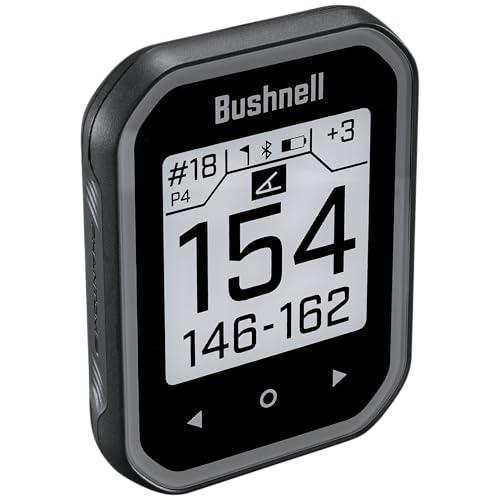
The Black Phantom 3 Slope is the calmer sibling to the green and red-blue versions. Same touchscreen layout, same slope-adjusted yardages, same magnetic cart mount, just without the brighter finish. That makes it an easy fit for golfers who want the function without drawing attention to the device itself.
Compared with the flashier Bushnell color options, this one feels a little more understated in the bag and on the cart. The larger lesson across the Phantom 3 line is that the core experience stays centered on clean distance reads and easy mounting. For golfers who want the familiar look, this is the cleanest expression of that idea.
Reasons To Buy
- Slope-adjusted distances help with uneven terrain.
- Touchscreen controls keep routine use simple.
- Magnetic cart mount supports easy placement.
- Neutral black finish suits a low-key setup.
Room For Improvement
- The understated finish changes appearance more than function.
- Touchscreens usually need periodic wiping to stay clear.
- Cart-specific mounting matters less for walking play.
Core Details
Made For
Golfers who like a neutral finish and want straightforward slope yardages will find this version easy to live with.
A Better Fit Elsewhere
MiLESEEY GeneSonic Pro Golf GPS Speaker, Zesty Red suits golfers who want more audio cues and a brighter design.
How To Choose The Right Handheld Gps For Golf
Match The Display To Your Round
Screen size shapes daily use more than many golfers expect. A compact clip-on like the Garmin Approach G12 keeps your setup light, while a touchscreen model such as the Bushnell Phantom 3 Slope gives you a clearer view of distances and menu structure. Golfers who check yardages often, especially in carts, usually prefer a larger display because it cuts down on second glances.
Voice output changes the experience again. The Voice Caddie VC300SE fits golfers who want a spoken number instead of another screen to stare at. That helps on walking rounds, but a quiet course makes the voice function more comfortable than a noisy one.
Decide How Much Course Detail You Actually Use
Some handhelds stick to the basics, front, middle, and back of the green. That is enough for many casual rounds, and it keeps the device simple enough to use under pressure. Others add slope-adjusted yardages, layup prompts, or hazard markers, and those tools matter most on unfamiliar layouts or more demanding tracks.
The honest question is not how much data sounds impressive, but how much you will check in the middle of a round. More layers can help, yet they also add menu depth and more chances to fumble through settings. For regular weekend play, straightforward yardage often wins by being quicker.
Think About Practice Versus Pure On-Course Use
The Garmin Approach G80 stands apart because it adds a launch monitor, which turns the device into more than a course companion. A launch monitor measures ball data for practice, so this kind of unit serves golfers who split time between the range and the fairway. That extra versatility is useful, though it comes with a more involved setup.
Most other picks in this list are narrower by design. That focus helps if you want a tool that does one job well and stays easy to maintain in a pocket or cart bag. The right call depends on whether you want a practice aid, a course guide, or both in one body.
Pay Attention To Carry Style And Durability
Walkers usually care more about size, clip points, and how quickly a unit comes out of a pocket. Cart players tend to value magnetic mounting, bigger screens, and readability from the seat. A long day in changing weather also makes features like IP67 sealing on the MiLESEEY models more relevant, since dust and moisture are part of real course life.
Storage matters too. Touchscreens need a little more care in crowded bags, and detachable pieces deserve a consistent place after the round. A small detail like that can decide whether a device feels effortless or fiddly after the first few outings.
Things Worth Knowing First
Hidden Buying Traps
A common mistake is chasing the largest feature list without matching it to your round. A golfer who mostly plays quick nine-hole rounds rarely needs launch-monitor depth or layered hazard prompts. Another miss is overlooking screen readability, which matters more in bright sun than a spec sheet ever suggests.
You should also watch the difference between cart-friendly and walk-friendly design. A magnetic mount helps a lot on a cart, while a clip-on or voice model usually works better on foot. The wrong form factor can make an otherwise good unit feel awkward within the first week.
What The Higher Tier Buys
Higher-priced handhelds usually spend more on display quality, extra course features, practice tools, or stronger weather protection. That is why the Garmin Approach G80 and MiLESEEY GeneSonic Pro sit above simpler distance-only units, they do more than show yardage. You are paying for broader function, not just a fancier case.
The upgrade makes sense for golfers who practice often, travel a lot, or want one device that handles more situations. For straight course use, simpler models often do the same core job with less clutter. The extra money matters most when the extra functions get used regularly.
Frequently Asked Questions
What makes a handheld golf GPS useful during a round?
A good handheld gives you fast yardages without forcing a long setup. It should fit the way you walk, ride, and check distances hole after hole.
Are slope-adjusted distances worth it?
Slope-adjusted readings matter most on hilly courses where elevation changes affect club choice. Flat courses give you less advantage from that feature.
Do voice-guided models suit every golfer?
Voice output works well for golfers who want to keep their eyes on the fairway. Quiet settings suit it best, because loud surroundings can make spoken yardage less useful.
Is a launch monitor necessary in a golf GPS handheld?
No, it only makes sense for golfers who also spend meaningful time practicing. Pure course players usually do fine with a simpler GPS-only unit.
Which style is easiest to carry?
Clip-on and smaller handheld designs are usually the least bulky. They suit walkers and golfers who want something that disappears into a pocket or bag.
Closing Thoughts
Your best handheld GPS comes down to how you play, not how much feature language looks impressive on a listing. A compact model suits quick rounds, a touchscreen fits golfers who want faster navigation, and a richer unit makes sense only when practice tools or extra course data will get used often. The safest choice is the one that feels invisible until you need it, then clear when you do.