

Golf GPS units earn their keep on busy courses, where pace matters and yardages need to be clear at a glance. You want something that fits your playing style, clips, mounts, or pockets cleanly, and stays readable in sun, shade, and motion. The eight picks below cover compact clip-on units, slope-aware handhelds, magnet-backed options, and fuller-feature models for golfers who want more course detail.
Quick Look At The Shortlist
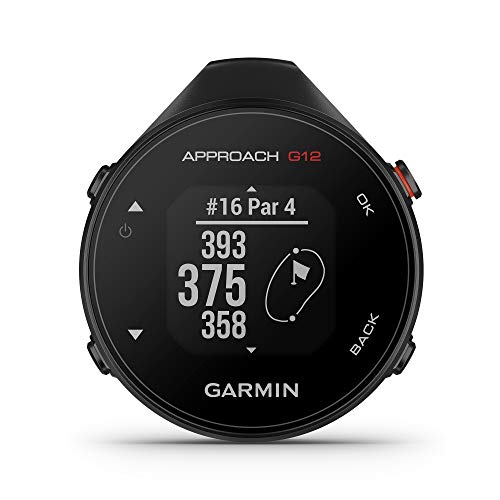
Garmin Approach G12 Clip-on Golf GPS Rangefinder

Bushnell Golf Phantom 3 Slope GPS Green
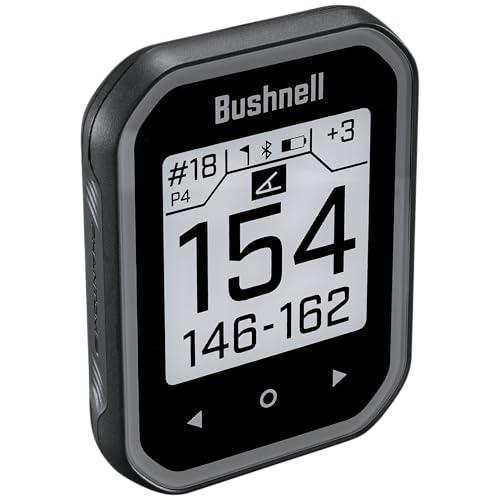
Bushnell Golf Phantom 3 Slope GPS Black

Bushnell Golf Phantom 3 Slope GPS Red/Blue

Swami KISS 2.0 Handheld Golf GPS Rangefinder Blue

MiLESEEY GeneSonic Pro Golf GPS Speaker Squad Camo

MiLESEEY GeneSonic Pro Golf GPS Speaker Zesty Red

Swami KISS 2.0 Handheld Golf GPS Rangefinder Grey
More Details On Our Top Picks
The Garmin Approach G12 fits golfers who want a clipped-on unit instead of another bulky screen in the bag. Its preloaded course library is the main draw, especially for players who split time between familiar tracks and weekend trips. The clip style keeps it easy to carry, which matters on walking rounds and practice days. It feels like a clean answer for golfers who want simple yardage without extra clutter.
Compared with the touchscreen Bushnell Phantom models, this Garmin leans more minimal and less cart-centered. That makes it a sensible fit for players who value pocketability over extra visual flair, though the smaller format naturally gives up some screen presence. The honest read is that it suits straightforward use better than feature hunting.
Strong Points
- Clip-on format stays out of the way during a round.
- Preloaded course coverage helps on unfamiliar layouts.
- Small footprint suits walkers and minimal pack setups.
- Simple shape makes daily carry less fussy.
Things To Consider
- Its compact layout leaves less room for visual detail than the larger handheld models here.
- Golfers who prefer a touchscreen will gravitate toward the Bushnell Phantom 3 units.
- The clip format asks for a bit more care during storage so it doesn’t get knocked around.
Feature Snapshot
Who It Suits Best
Golfers who want a small, carry-friendly GPS unit for walking rounds will get the most from the Approach G12.
Where A Sibling Pick Shines
Bushnell Golf Phantom 3 Slope GPS Green suits golfers who want a larger touchscreen and slope-adjusted distance readouts on cart-heavy rounds.
The green Phantom 3 is built for golfers who like a bigger interface and quick access on a cart. The touchscreen matters because it makes yardage checks feel more direct, and the magnetic mount gives the unit a ready spot on cart bars or rails. Slope-adjusted distances are the headline feature, meaning the device accounts for elevation changes instead of showing only flat-yardage math. That extra context helps on hilly courses, though it may be more than casual practice rounds need.
Compared with the Garmin G12, this is a less discreet, more information-forward design. In most cart rounds, that trade feels fair, but walking golfers may prefer the lighter, clip-on Garmin instead. The honest read is that this one feels built for visibility and quick reference, not subtle carry.
What We Like
- Touchscreen control keeps course checks fast and direct.
- Slope-adjusted yardages help on uneven holes.
- Magnetic cart mounting gives it a natural home during play.
- Large course library supports travel and club play.
- Green finish makes it easy to spot in a cart setup.
Points To Note
- The larger handheld form suits cart use more than pocket carry.
- Slope features may be more than some golfers want for everyday casual rounds.
- Touch surfaces can call for regular wiping to keep the screen clear.
Technical Sheet
Built With In Mind
Golfers who ride often and want a readable, hands-on GPS with slope data will get the most from this Bushnell.
Swap It Out When
Garmin Approach G12 suits golfers who prefer a smaller clip-on shape and want less bulk in their pocket or bag.
The black Phantom 3 keeps the same core layout as the green version, but the darker finish lands with a quieter look. That matters for golfers who want the same touchscreen, magnetic mount, and slope-adjusted yardage without a bright colorway standing out on the cart. It’s the kind of subtle variation that feels more personal than technical. For most golfers, the choice here is visual preference, not a feature trade.
Compared with the red and blue version, this one is easier to blend into a darker bag setup. The shape and use case stay the same, so the practical difference is almost entirely about how it looks hanging on the cart rail. The honest read is that this is the safest style choice in the Phantom 3 group.
Highlights
- Same touchscreen-driven layout as the other Phantom 3 variants.
- Magnetic cart mounting keeps it handy during play.
- Black finish suits golfers who prefer understated gear.
- Slope-adjusted yardages help on rolling courses.
Softer Spots
- It offers the same strengths as the green unit, so the main difference is cosmetic.
- Golfers who want a lighter carry format may prefer the Garmin Approach G12.
- The touchscreen benefits from periodic cleaning to stay legible.
Core Details
Whose Shelf It Belongs On
Golfers who want the Phantom 3 layout in a darker finish will feel at home with this version.
Look Elsewhere When
Bushnell Golf Phantom 3 Slope GPS Green makes more sense for players who want a brighter finish that stands out on the cart.
The red and blue Phantom 3 keeps the same core functionality, but the finish is the point here. It stands out fast in a crowded cart, which helps when you want to spot the device at a glance between shots. The touchscreen, slope-adjusted yardages, and magnetic mount all carry over from the other Phantom 3 models. That makes this a style-led choice that still behaves like a serious GPS unit.
Compared with the black Phantom 3, this version is easier to spot but less subdued. That trade-off suits golfers who like a bolder look or share carts often, since the device is harder to misplace among towels and gloves. The honest read is that it delivers function first, with a more expressive shell on top.
Bright Spots
- High-visibility colorway makes the unit easier to spot in a cart.
- Touchscreen layout keeps interaction direct and simple.
- Slope-adjusted distances help on uneven fairways.
- Magnetic mounting supports quick placement during a round.
Areas To Watch
- The color styling is the main difference from the other Phantom 3 versions.
- Golfers who prefer a quieter finish may like the black model more.
- Like most touchscreen gear, the display benefits from careful cleaning and storage.
Details At A Glance
Right Fit For
Golfers who like quick visual recognition and cart-friendly operation will get the most from this Bushnell.
Another Choice May Suit
Bushnell Golf Phantom 3 Slope GPS Black suits golfers who want the same feature set in a darker, lower-profile finish.
The blue Swami KISS 2.0 takes a simpler path than the Bushnell units above it. Integrated magnets give it a handy place on a cart, and the two display modes help the screen adapt to different viewing preferences. Preloaded course data keeps setup light, which suits golfers who want a direct yardage tool without a long learning curve. For casual rounds, that simplicity can feel like the right amount of tech.
Compared with the Garmin G12, this model leans more toward cart convenience than clip-on portability. The trade-off is easy to spot, because the magnet-backed design is less pocket-first but more convenient once you’re parked near the green. The honest read is that this one serves practical golfers who value straightforward operation over extras.
Reasons To Buy
- Integrated magnets make cart placement easy.
- Two display modes help match different lighting or viewing habits.
- Preloaded course data shortens setup time before a round.
- Blue finish gives the unit a clear, easy-to-spot look.
Minor Gripes
- It gives up the ultra-compact feel of the Garmin clip-on model.
- Display mode choices are useful, though still less rich than the touchscreen Bushnell units.
- Magnet-backed storage works best with a clean cart surface.
Feature Rundown
The Right Fit
Golfers who want a simple magnet-backed GPS unit for cart rounds will find this Swami easy to live with.
Reach For A Different Pick When
Bushnell Golf Phantom 3 Slope GPS Green suits golfers who want a touchscreen and slope-adjusted distance readouts.
The Squad Camo GeneSonic Pro pushes further than the simpler GPS units in this roundup. You get a detachable handheld layout, MagLock attachment, color touchscreen, and both visual and audible yard readouts, so it’s geared toward golfers who like multiple ways to take in course data. The layup, front-center-back, and hazard functions add more context than the basic models here. It’s a richer tool, though that extra depth can feel like overkill for golfers who want just a quick number.
The 15-hour battery claim and IP67 rating make it the most feature-dense option in the group. IP67 means the enclosure is built to resist dust and short water exposure, which matters on damp mornings and unsettled weather days. Compared with the Swami KISS 2.0, this MiLESEEY gives you much more information and a more modern interface, but it also asks for more attention and more setup familiarity. The honest read is that detail-oriented golfers will get the most from it.
What We Like
- Detachable design gives you more ways to handle the unit.
- Color touchscreen makes yardages easier to read at a glance.
- Visual and audible feedback helps in noisy cart settings.
- Layup, front-center-back, and hazard info support smarter shot planning.
- Long battery claim suits full rounds and practice sessions.
Worth Noting
- The richer interface can feel like more than casual golfers need.
- More features usually mean more menu familiarity, so setup takes a little patience.
- Touchscreen surfaces and detachable parts benefit from careful handling during storage.
Spec Overview
Who Should Grab It
Golfers who like a deeper feature set, clearer on-screen data, and broader shot context will appreciate this MiLESEEY most.
Skip It When
Swami KISS 2.0 Blue suits golfers who want a simpler magnet-backed unit with less menu complexity.
The Zesty Red version keeps the same GeneSonic Pro hardware, so the decision here is mostly about finish and visibility. That bright shell is easier to pick out in a cart or bag, which can save a little fumbling between shots. The detachable layout, MagLock, color touchscreen, and visual plus audible yardages stay in place, so the core experience mirrors the Squad Camo model. It suits golfers who like the same feature set with a more eye-catching look.
Compared with the Squad Camo version, this one leans less tactical and more visible. That small difference can matter on busy days with multiple clubs, gloves, and accessories piled around the cart. The honest read is that you’re choosing the same platform, just in a finish that stands out more readily.
Positives
- Bright red finish makes the unit easy to spot.
- Shares the same detachable, MagLock-based layout as the other GeneSonic Pro.
- Color touchscreen keeps course data readable.
- Visual and audible yardages help in different playing environments.
Small Caveats
- The main difference from the Squad Camo model is the finish, not the feature set.
- More capable GPS units usually ask for a little more menu familiarity.
- Bright surfaces can show wear sooner than darker shells, so storage matters.
Key Specs
Best Suited To
Golfers who want the GeneSonic Pro feature set in a brighter, easier-to-spot finish will like this version.
Where Another Pick Suits Better
MiLESEEY GeneSonic Pro Golf GPS Speaker Squad Camo suits golfers who prefer a darker, more subdued shell with the same toolset.
The grey Swami KISS 2.0 takes the same basic idea as the blue version and dresses it in a more neutral finish. That makes it a tidy fit for golfers who want a low-key look without giving up the integrated magnets, two display modes, or preloaded course data. In everyday use, the appeal is plain: it aims to keep golf-day setup simple. The trade-off is that it stays more basic than the touchscreen Bushnell and MiLESEEY units.
Compared with the blue Swami, this one is about style restraint rather than hardware change. That is useful if you prefer gear that blends into a bag rather than standing out. The honest read is that it gives you the same straightforward handling in a more subdued package.
Upsides
- Neutral grey finish suits a low-profile setup.
- Integrated magnets make cart placement convenient.
- Two display modes offer a bit of viewing flexibility.
- Preloaded course data keeps early setup simple.
Room For Improvement
- The core feature set stays simpler than the Phantom 3 and GeneSonic Pro options.
- Golfers who want more visual depth will likely prefer a touchscreen model.
- As with most magnet-backed units, storage is easier when the cart surface stays clean.
Feature Card
Who Will Love This
Golfers who want a straightforward, neutral-colored handheld GPS for regular rounds will be comfortable with this Swami.
A Better Fit Elsewhere
Bushnell Golf Phantom 3 Slope GPS Black suits golfers who want a touchscreen and slope-adjusted distances in a more feature-heavy package.
How To Choose The Right Gps Golf Rangefinders
Match The Form Factor To Your Round
Clip-on units like the Garmin Approach G12 work well for walkers who want light carry and fast access. Handheld models make more sense for cart rounds, especially when you want a larger screen and more room for details. Magnetic units sit in the middle, since they stay handy on a cart without taking over your pocket.
Decide How Much Course Detail You Actually Use
Basic yardage is enough for many golfers, but slope-adjusted distances, front-center-back views, and hazard readouts change how much context you get before a shot. Slope means the device factors in elevation, which matters on hilly courses more than on flat ones. The catch is that more data also means more menus, so simple players often do better with the lighter tools.
Think About Battery, Readability, And Carry Habits
A long battery claim matters on full golf days, especially during travel or tournament play. Screen type matters too, because touchscreen units are easier to scan but can need more cleaning than simpler displays. Carry style closes the loop, since a pocket-first golfer and a cart-first golfer rarely want the same shape.
Pick For Your Most Common Course Setup
Golfers who bounce between home courses and travel rounds benefit from broad preloaded course coverage. Those who mostly play one familiar course can keep things simpler and focus on ergonomics, mounting, and screen clarity. In practice, the best fit is usually the one that disappears into your routine.
What To Weigh Before You Choose
Common Shopping Slip Ups
A common mistake is paying for features that never get used, especially slope data and multiple display modes. Another is ignoring how the unit actually rides with you, because a cart-first shape can feel awkward in a walking routine. Course coverage and carry style usually matter more than flashy extras.
What The Higher Tier Buys
Higher-priced GPS units usually add touchscreens, stronger mounting options, broader course libraries, and more detailed shot data. That extra spend makes sense for golfers who play unfamiliar courses, ride often, or want faster visibility under pressure. Simple players can stay with a cleaner model and miss nothing important.
Frequently Asked Questions
Do GPS golf rangefinders work on every course?
They cover many mapped courses, but exact course support depends on the model’s library. Broad preloaded coverage is still useful for travel and frequent club play.
Is slope useful for casual golfers?
Slope helps on uphill and downhill holes because it adjusts distance for elevation. On flat courses, the benefit is smaller.
Are magnetic mounts worth it?
They are handy for cart rounds because the unit stays within reach between shots. Walking golfers often care less about magnets and more about size.
What matters more, screen size or portability?
That depends on how you play. Cart golfers usually appreciate a larger display, while walkers tend to value lighter carry and a smaller body.
Do more features always mean a better choice?
No, more features can also mean more menu steps and more to manage. The better choice is the one that matches how you actually play.
Final Thoughts
Your best GPS golf rangefinder is the one that fits how you move around the course, not just the spec list. The Garmin Approach G12 keeps things compact, the Bushnell Phantom 3 models favor easy cart use, and the MiLESEEY GeneSonic Pro leans into depth and detail. Swami’s KISS 2.0 units stay practical and straightforward. Pick the shape, screen, and feature level that match your rounds, and the device will feel natural instead of fussy.


