You want a golf GPS that fits your round, your cart setup, and your tolerance for extra clutter. Some models stay stripped down and pocketable, while others add voice prompts, touch control, slope-adjusted yardages, or even launch-monitor functions. The right call saves time at the tee box and keeps your attention on the next shot instead of the screen.
Quick Look At The Shortlist
Garmin Approach G12 Clip-on Golf GPS Rangefinder 42k+ Preloaded Courses 010-02555-00

Voice Caddie VC300SE Golf GPS Rangefinder

Garmin Approach G80 All-in-One GPS Golf Handheld

Bushnell Golf Phantom 3 Slope GPS Red Blue

Bushnell Golf Phantom 3 Slope GPS Green
Bushnell Golf Phantom 3 Slope GPS Black

Bushnell Golf Phantom 3 Slope GPS Orange

Swami KISS 2.0 Handheld Golf GPS Ragnefinder Blue
More Details On Our Top Picks
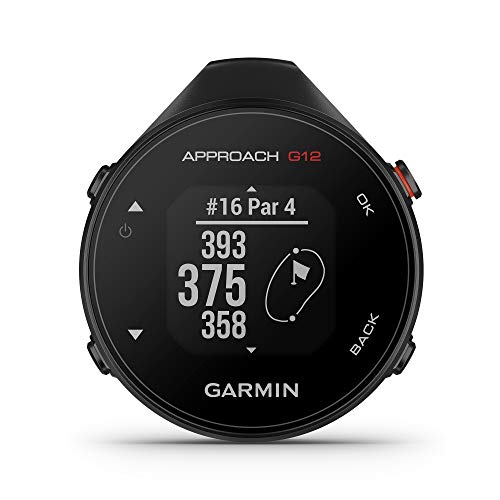
The G12 keeps things lean, which suits walkers who want distances without a larger handheld in the pocket. A clip-on body also makes it easier to keep attached to a bag strap or belt loop, though that style gives you less screen room than the touch models later in this list.
With 42k+ preloaded courses, it’s built for broad course coverage rather than gadget overload. That trade-off matters on busy rounds, since you get a direct read instead of a device that asks for more attention than the course itself.
What We Like
- Clip-on format keeps bulk down for walking rounds.
- Preloaded course coverage reduces setup friction before teeing off.
- Simple handling suits golfers who want fast yardage checks.
- Small size is easier to store in a pocket or side pouch.
Points To Note
- The compact body means less room for on-screen detail.
- Clip placement can feel fiddly with thicker outerwear.
- You give up the more feature-heavy feel of the G80.
Core Details
Who It Suits Best
Golfers who walk often and want a compact, no-fuss rangefinder will get the most from this one.
Where A Sibling Pick Shines
Garmin Approach G80 All-in-One GPS Golf Handheld suits golfers who want a larger screen and launch-monitor tools, especially for practice sessions.
Voice output changes the rhythm here, because you can hear front, middle, and back yardages without staring at the device between shots. For golfers who keep a brisk pace or dislike screen checking, that hands-free approach is the main reason this model stands apart from the Garmin G12.
The listing also notes over 40,000 courses worldwide, so it fits travel and mixed-course play better than a unit tied to a narrow map set. The honest read is that voice guidance feels most useful in a cart or on a calm tee box, not in a noisy group that talks through every swing.
Strong Points
- Voice readouts keep your eyes on the hole instead of the screen.
- Front, middle, and back yardages cover the basic approach decisions.
- Over 40,000 courses gives the device broad travel appeal.
- Simple operation suits newer golfers who want less menu digging.
Small Caveats
- Voice prompts are most useful in quieter round conditions.
- There’s less visual depth than a touchscreen handheld like the Phantom 3.
- The broader course total matters less if you play the same home track.
Feature Rundown
Who Will Love This
Walkers, cart riders, and casual golfers who value spoken distances over extra screen detail fit this model well.
Swap It Out When
Bushnell Golf Phantom 3 Slope GPS Black suits you better if you want a touchscreen and slope-adjusted yardages in a handheld format.
The G80 pushes beyond basic GPS use, because the integrated launch monitor adds practice value alongside on-course guidance. That matters for golfers who split time between the range and the fairway, while the 3.5-inch touchscreen gives you more room to read than the clip-on G12.
Its bigger pitch is versatility, and that comes with a fair trade-off: a fuller feature set usually asks for more attention and more charging discipline. For most golfers, that’s worthwhile only when practice data matters as much as yardage.
Reasons To Buy
- Launch-monitor integration stretches the device beyond round-day distance checks.
- 3.5-inch touchscreen is easier to read than smaller handheld displays.
- Useful for players who want one unit for practice and play.
- Handheld design keeps course data and shot-work in the same place.
- Strong fit for golfers who spend time at the range.
Worth Noting
- The feature stack can feel heavy for golfers who only want quick yardage.
- Larger screens usually mean more frequent charging than tiny clip-on units.
- It makes less sense for casual rounds than the simpler VC300SE.
Quick Facts
Built With In Mind
Golfers who practice often and want one device for range work and on-course navigation are the best fit here.
Another Choice May Suit
Voice Caddie VC300SE Golf GPS Rangefinder makes more sense for golfers who want a lighter, voice-first experience without the launch-monitor layer.
The Phantom 3 Slope sits in a useful middle lane, because it pairs a touchscreen with slope-adjusted distances and a magnetic cart mount. Slope means the unit accounts for uphill or downhill elevation changes, which helps you choose a more realistic club than flat yardage alone.
That combination makes sense for cart riders who want clean visibility without carrying a larger, more elaborate handheld. Compared with the G80, it gives up the practice-monitor angle, but for pure round-day guidance it feels more focused.
Highlights
- Slope-adjusted distances help translate elevation into better club selection.
- Touchscreen control keeps the interface straightforward on the cart or tee box.
- Magnetic cart mount helps secure the unit during a round.
- 38,000+ courses gives the model broad playing coverage.
Areas To Watch
- Slope tools are less helpful if you prefer flat, uncomplicated yardage only.
- A cart-mountable format offers less pocket convenience than the G12.
- The red and blue finish may stand out more than some golfers want.
Details At A Glance
Right Fit For
Cart riders and golfers who want slope help without moving into a full practice-focused device are the best match.
Look Elsewhere When
Garmin Approach G12 fits better for walkers who want a smaller clip-on format with less bulk in the pocket.
The green Phantom 3 keeps the same core formula as the red and blue version, so your choice here is mostly about finish rather than function. That makes it a neat fit for golfers who like their gear to blend in a little more, especially on a cart console where the color sits in plain sight.
Compared with the black model, this one leans more visible and less muted. The trade-off is simple, because the useful part is still the same touchscreen, magnetic mount, and slope-adjusted yardages.
Upsides
- Green finish offers a more distinctive look than the black version.
- Slope-adjusted distances support smarter club choices on uneven holes.
- Touchscreen layout keeps course checks quick and readable.
- Magnetic cart mount helps with easy access during the round.
Minor Gripes
- Color preference is the main separating factor here.
- It still feels more cart-oriented than truly pocketable.
- Golfers who ignore slope data won’t use the full feature set.
Spec Overview
Whose Shelf It Belongs On
Golfers who want the Phantom 3 formula in a more visible colorway fit this version well.
Where A Sibling Pick Shines
Bushnell Golf Phantom 3 Slope GPS Black suits a quieter look, while the orange version is the better call for golfers who want stronger visual contrast.
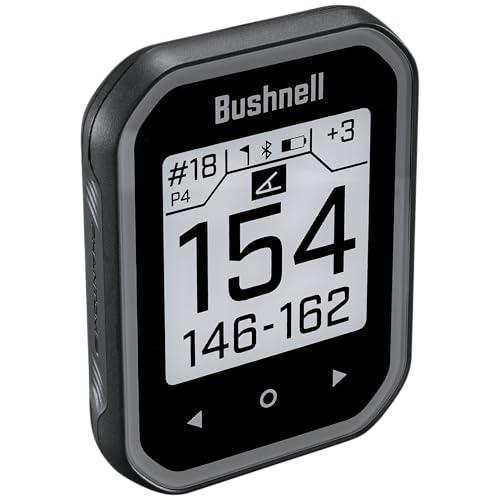
The black Phantom 3 is the quietest-looking version in the group, and that matters more than people admit once the device lives on a cart mount all round. It carries the same slope-adjusted distance setup as the other Phantom 3 colors, so the difference is mostly visual rather than functional.
That understated finish works well in a bag or on a cart where you want the screen to do the talking. Compared with the green and red-blue versions, it feels the easiest to blend into everyday gear without losing the core feature set.
Best Bits
- Black finish keeps the look restrained and easy to pair with other gear.
- Slope-adjusted distances help on courses with elevation changes.
- Touchscreen interface suits quick mid-round checks.
- Magnetic cart mount makes placement simple during cart rounds.
Honest Caveats
- The feature set matches the other Phantom 3 colors closely.
- Style differences matter more here than functional differences.
- Cart-friendly design still leaves less pocket flexibility than the G12.
Feature Card
The Right Fit
Golfers who want the Phantom 3 layout in a low-key finish will probably feel most at home here.
Where Another Pick Fits Better
Bushnell Golf Phantom 3 Slope GPS Orange suits golfers who want a brighter look that stands out more on the cart.
Orange makes the Phantom 3 easier to spot at a glance, which can be genuinely handy in a packed cart or when gear gets shuffled between holes. The underlying hardware is the same touchscreen, slope-adjusted setup seen in the other Phantom 3 variants, so you are choosing visibility first.
That brighter shell is the whole point, and it is a practical one for golfers who misplace dark accessories in a hurry. It feels especially sensible for shared carts, where a more visible finish cuts down on confusion.
Bright Spots
- Orange finish is easy to spot in a cart or bag.
- Slope-adjusted yardages help on uneven fairways.
- Touchscreen control keeps everyday use straightforward.
- Magnetic cart mount suits riders who want quick access.
Softer Spots
- The color is the main distinction versus the other Phantom 3 versions.
- Golfers who prefer muted gear may lean toward the black model instead.
- It still favors cart use more than pocket carry.
Core Details
Who Should Grab It
Golfers who want a visible, easy-to-spot cart companion fit this version especially well.
Skip It When
Bushnell Golf Phantom 3 Slope GPS Black suits you better if you prefer gear that fades into the background.
The Swami KISS 2.0 leans into straightforward utility, and the integrated magnets are its clearest convenience feature for cart play. Two display modes add a little flexibility, while the preloaded course data keeps it from feeling barebones compared with the simpler clip-on Garmin G12.
It feels tailored to golfers who want an affordable-feeling feature set without a busy interface. The trade-off is that it remains more basic than the Phantom 3 line, so you are choosing ease and convenience over a richer screen experience.
Positives
- Integrated magnets make cart attachment more convenient.
- Two display modes give you a little more control over how yardages appear.
- Preloaded course data reduces setup time before a round.
- Blue finish adds a bit of personality without changing the layout.
Things To Consider
- The ragnefinder model name appears misspelled in the listing.
- It feels simpler than the Phantom 3 touchscreen models.
- The basic feature set will suit casual use more than advanced practice work.
At A Glance
Whose Shelf It Belongs On
Golfers who want simple cart convenience and preloaded course data without a more complex interface fit this model well.
Where A Sibling Pick Shines
Bushnell Golf Phantom 3 Slope GPS Red Blue suits you better if you want a touchscreen and slope-adjusted yardages in a more detailed handheld.
How To Choose The Right Gps For Golf
Match The Display To Your Play Style
A small clip-on like the Garmin Approach G12 suits golfers who want a quick glance and little pocket bulk. A touchscreen handheld, such as the Bushnell Phantom 3 line, gives you more room to read yardages and move through course data more comfortably.
Voice output changes the experience again, because the Voice Caddie VC300SE lets you hear the distance instead of checking a screen. That helps on calm tee boxes, while a louder environment can make spoken prompts less useful.
Decide How Much Course Detail You Actually Use
Front, middle, and back of the green are enough for plenty of rounds, especially when you just want a clean approach number. The Garmin Approach G80 goes well beyond that with practice-oriented functions, so its value rises when you care about training as much as navigation.
Slope-adjusted yardages matter on hilly courses, where a raw number can be misleading. On flatter home tracks, that extra layer may feel more like a convenience than a necessity.
Think About Carry Style And Mounting
Walkers often prefer smaller bodies, clip-on shapes, or a lightweight unit that disappears into a pocket. Cart riders usually get more from magnetic mounting, because the device stays visible without taking up hand space.
That’s the main reason the Phantom 3 family makes sense for many cart rounds. The Swami KISS 2.0 also fits that use case well, thanks to its integrated magnets and easy placement.
Choose Features That Match Your Rounds
Frequent travelers usually benefit from broader course coverage, since a larger mapped library reduces friction away from home. Golfers who practice often may prefer the G80, because the launch monitor adds a second purpose beyond round-day yardages.
For a steady local routine, simpler models can be the smarter call. Less device complexity usually means less setup time, fewer menu stops, and one less thing to manage before the first tee shot.
What To Weigh Before You Click
Hidden Buying Traps
It’s easy to focus on course count and forget the part you’ll actually live with, like screen size, mounting style, and whether the unit speaks distances or just shows them. Another common miss is choosing slope features for flat tracks, where that extra detail rarely earns its keep.
Battery expectations matter too, especially with larger touchscreens and feature-heavy units. A compact clip-on often feels easier to live with over nine or eighteen holes.
The Upgrade Payoff
Higher-tier models usually cost more because they bundle more than yardage. Larger screens, launch-monitor tools, magnetic mounting, and richer interface options all add hardware and software depth.
That upgrade makes sense for golfers who split time between practice and play, or for anyone who wants fewer compromises in one device. Casual weekend rounds rarely need that level of feature layering.
Frequently Asked Questions
What does a golf GPS help with on the course?
It gives you yardages that help frame club choice and shot planning. Many models also show front, middle, and back green references, which keeps decisions simpler.
Is slope-adjusted distance useful?
It helps on courses with elevation changes, since uphill and downhill shots need different treatment. Flat layouts make slope features less important.
Do touchscreen models make sense for walkers?
They can, but smaller bodies usually feel easier to carry over a full round. Walkers often prefer clip-on or pocket-friendly units for that reason.
Why would voice output matter?
It keeps you from checking a display every time you want yardage. That works especially well in quiet conditions or while riding in a cart.
Does a launch monitor add real value?
It adds value for golfers who want practice feedback in the same device as course guidance. For simple round-day distances, it can feel like extra hardware you may not need.
Final Thoughts
Your best match depends on how you move around the course and how much detail you actually use. The Garmin Approach G12 keeps things compact, the Voice Caddie VC300SE favors spoken yardages, and the Bushnell Phantom 3 models bring slope help with a cart-friendly shape. The Garmin Approach G80 is the most layered option here, while the Swami KISS 2.0 stays straightforward. Choose the one that fits your normal round, not the one with the longest feature list.