You want golf trackers that fit the way you actually practice, whether that means checking yardages on a wet course, building a swing routine at home, or keeping score without extra fuss. The right pick saves time, trims guesswork, and keeps your attention on the shot instead of the gadget. This roundup focuses on range finders, launch monitors, smart sensors, and a simple score counter, so you can match the tool to the task.
The Shortlist At A Glance

Voice Caddie VC300SE Golf GPS Rangefinder

Voice Caddie Portable Golf Launch Monitor and Swing Analyzer

Rapsodo MLM2PRO Mobile Launch Monitor Golf Simulator

Swami KISS 2.0 Handheld Golf GPS Ragnefinder, Blue

Medsuo 2 PCS Golf Score Counter
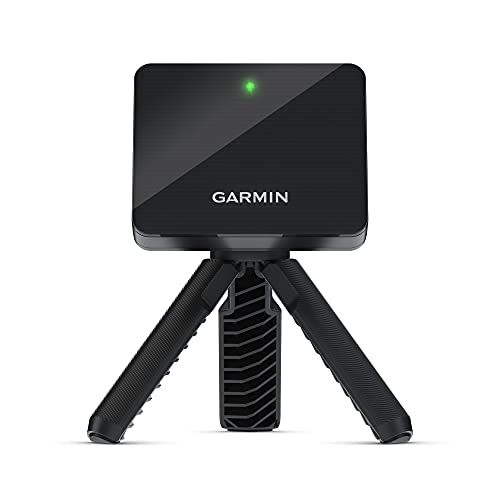
Garmin 010-02356-00 Approach R10, Portable Golf Launch Monitor, Renewed

Arccos Smart Sensors Automatic Golf Game Tracking System

Arccos Smart Sensors Automatic Golf Game Tracking System
More Details On Our Top Picks
Voice output gives this model a clear edge for quick pace-of-play use, especially on courses where you want yardage without studying a screen. The front, middle, and back green readings cover the basics that matter most during a round, and the no-fee angle keeps the ownership story simple.
It suits walkers who want a pocket-friendly GPS tool instead of a heavier launch monitor. The trade-off is straightforward, you get distance guidance rather than shot analysis, so practice-room detail stays out of reach.
Strong Points
- Voice distance readout keeps checks fast.
- Front, middle, and back yardage helps with club choice.
- Course coverage across more than 40,000 layouts adds reach for travel rounds.
- No extra service fees keeps ownership predictable.
Minor Gripes
- It focuses on course yardage, not swing feedback.
- Voice guidance may feel less discreet in quiet groups.
- Handheld GPS units like this still depend on charging and basic care.
Feature Snapshot
Who It Suits Best
You get the most from this choice if you play full rounds often and want quicker distance checks than a phone screen can offer.
Where A Sibling Pick Shines
Garmin 010-02356-00 Approach R10 suits you better when practice sessions matter more than on-course yardage.
This pick leans into practice feedback rather than simple course navigation, so it fits garage bays, living rooms, and mat setups better than the VC300SE. Swing speed mode is the useful hook here, because tempo work can matter more than raw distance for a golfer rebuilding contact.
That no-ball mode is handy for indoor repetition, and the battery life listing points to long practice windows without constant charging. The honest trade-off is that a shot analyzer asks more of your space and routine than a pocket GPS unit does.
What We Like
- Real-time shot data supports focused practice.
- Swing speed mode works indoors without a ball.
- Battery life listed at up to 20 hours helps longer practice blocks.
- Portable format makes it easier to move between home and range.
Things To Consider
- It asks for a practice area, not just a pocket.
- Shot data tools take more setup than a simple GPS unit.
- Indoor use works best with enough room for a full motion.
Core Details
Built With In Mind
You should look here for home practice, range sessions, and golfers who want feedback instead of basic yardages.
Another Choice May Suit
Voice Caddie VC300SE Golf GPS Rangefinder fits better for walkers who want quick yardage on the course with less setup.
Dual-camera capture and 15 metrics move this model into serious-practice territory, especially for golfers who want more than a basic launch readout. Compared with the Voice Caddie options, this one is built for deeper analysis, and the included ProV1 balls underline that training focus.
That extra detail helps at the driving range and in a simulator setup, where repeated swings make data more useful than guesswork. The trade-off is cost and complexity, so casual weekend golfers may find it richer than they need.
Upsides
- Dual-camera view adds useful shot context.
- 15 tracked metrics support tighter practice goals.
- Works indoors and outdoors, so your routine can stay flexible.
- Included ProV1 balls make the package feel training-focused.
- Strong fit for golfers who like measurable session notes.
Room For Improvement
- More information usually means more setup time.
- It makes more sense for committed practice than occasional use.
- Camera-based tools can ask for careful alignment and stable placement.
Technical Sheet
The Right Fit
You should choose this for structured practice sessions, simulator bays, and golfers who want numbers to guide their work.
Look Elsewhere When
Voice Caddie VC300SE Golf GPS Rangefinder suits simpler on-course yardage checks better than this data-heavy setup.
The magnetic body sets this one apart, because cart riders can park it where it stays visible instead of digging through pockets. Two display modes and preloaded course data keep the basics tidy, which is often enough for golfers who want fewer taps and fewer distractions.
Compared with the Voice Caddie VC300SE, this model leans more on quick handheld convenience than spoken readouts. The honest trade-off is that you get a straightforward course GPS tool, not the richer practice feedback of the launch monitors above.
Bright Spots
- Integrated magnets make cart mounting simple.
- Two display modes help with quick reading preferences.
- Preloaded course data shortens the setup routine.
- Blue finish gives it a clear visual identity.
Points To Note
- It is built for distance checks, not swing analysis.
- Handheld units like this still need battery attention over time.
- Blue casing stands out, which some golfers like more than others.
Details At A Glance
Who Should Grab It
You fit this pick well if you prefer a compact GPS unit that can live on a cart and keep yardage checks simple.
Swap It Out When
Arccos Smart Sensors Automatic Golf Game Tracking System suits golfers who want automatic shot tracking instead of a handheld GPS.
This is the simplest item in the group, and that simplicity is the point. Two clickers track two players, the plastic body avoids battery fuss, and the small size makes it easy to clip onto a belt or bag during casual rounds or practice games.
For family games or low-key competitions, it keeps score without asking for an app or a charged screen. The trade-off is obvious, you get counting, not distance data, so it belongs beside a tracker rather than replacing one.
Best Bits
- Two-player counting keeps the pace quick.
- No battery needed, which simplifies long-term use.
- Compact size is easy to carry on a belt or bag.
- Plastic body helps keep the weight down.
Small Caveats
- It only handles scorekeeping, not golf tracking data.
- Manual counting means the user still has to stay engaged.
- Small accessories can be easy to misplace in a busy bag.
Feature Card
Whose Shelf It Belongs On
You should choose this for casual golfers, practice groups, and anyone who wants a bare-bones score counter.
Reach For A Different Pick When
Voice Caddie VC300SE Golf GPS Rangefinder fits better for golfers who need yardage, not just score tracking.
The Approach R10 sits in the same practice lane as the Voice Caddie launch monitor, but the renewed listing makes it a more value-conscious route for golfers who want simulator-style work at home. The listed 10-hour battery life and compact footprint fit garage mats, backyard nets, and range sessions without much drama.
That renewed status is the main caveat, because condition expectations matter more with refurbished gear than with a fresh retail box. Still, for a golfer who wants portable launch-monitor capability and can accept that trade-off, it lands in a useful middle ground.
Highlights
- Portable form suits home and range use.
- Battery life listed at up to 10 hours.
- Renewed format can make the category more reachable.
- Good match for simulator-style practice routines.
Areas To Watch
- Renewed products need closer attention to condition details.
- Launch monitors ask for careful placement and setup.
- It is still more involved than a basic GPS tracker.
Quick Facts
Perfect Match For
You fit this option best if you want portable launch-monitor practice and are comfortable with renewed gear.
Not Your Match When
Medsuo 2 PCS Golf Score Counter suits golfers who only need scoring help and want zero setup.
Arccos leans harder into automatic tracking than any handheld GPS unit in this list, and that shift matters for golfers who want shot history instead of manual notes. The smart-sensor approach is the real draw, because it turns routine rounds into structured data without making you carry a launch monitor.
That makes it especially appealing for players who want to study club distances over time and compare rounds without extra effort on the course. The trade-off is that a sensor ecosystem asks for more commitment up front than a simple rangefinder, which is fair for the level of detail it offers.
Reasons To Buy
- Automatic tracking reduces manual scorekeeping.
- GPS rangefinder support adds course context.
- Smart club distances help with club planning over time.
- Strong fit for golfers who like data after the round.
Softer Spots
- Sensor-based tracking takes more setup than a handheld GPS.
- The system makes the most sense for consistent use.
- More moving parts can mean more care during storage and transport.
Core Details
Made For
You should choose this if you want shot-by-shot tracking and more insight after each round.
Consider Something Else When
Voice Caddie VC300SE Golf GPS Rangefinder suits golfers who want quick yardage with less system depth.
This listing is about protection planning rather than hardware features, so it fits a different part of the ownership picture. The coverage terms address accidental damage, breakdowns, and the claims path, which can matter for portable gear that moves from bag to cart to range.
The trade-off is that you are buying a service layer, not a tracker itself, so it belongs with another product from this roundup rather than standing alone. For people who want a backup plan around more delicate golf tech, that separation makes sense.
Plus Points
- Covers accidental damage scenarios listed in the plan.
- Claims can be filed online or by phone.
- Parts, labor, and shipping are included in the coverage language.
- Works as a protection layer for portable golf gear.
Worth Noting
- It is a service plan, not a tracking device.
- Eligibility timing matters, so the purchase window needs attention.
- Coverage terms require a closer read than the hardware listings above.
Feature Rundown
Best Suited To
You fit this add-on best if you already own covered golf tech and want a protection layer around it.
A Better Fit Elsewhere
Arccos Smart Sensors Automatic Golf Game Tracking System suits you better if you want the actual tracking hardware first.
How To Choose The Right Golf Trackers
Match The Tool To The Round
Distance-first devices and practice-first devices solve different problems. A handheld GPS unit helps you move faster on the course, while a launch monitor gives you feedback about the swing before the next round.
You also need to think about where the unit will live most of the time. A cart-mount GPS makes sense for golfers who play often, while a compact score counter or sensor system suits different habits entirely.
Look At Data Depth, Not Just Labels
Some golf trackers simply tell you yardage, and that may be enough for steady weekend play. Others record shot behavior, club distances, or multiple metrics, which helps you spot patterns after repeated sessions.
The trade-off is complexity. More detail usually means more setup, more charge management, and a learning curve that casual golfers may not want.
Think About Space, Battery, And Storage
Launch monitors work best when your garage bay, net setup, or indoor practice area has enough room. A narrow apartment or cluttered corner can make the whole routine feel cramped, even with a portable device.
Battery life matters too, especially for golfers who split time between home and range. Smaller accessories like score counters are easier to store, but they also need a safe spot so they do not disappear into the bag.
Choose For Your Skill Level
Beginners usually get the most value from simple yardage tools or scorekeeping accessories. More experienced golfers often want sensor systems or launch monitors because they can turn repeat practice into something measurable.
The honest read is that the right choice feels invisible once it’s in use. You notice it only when it keeps the round moving or makes a practice session more focused.
Things Worth Knowing First
Common Shopping Slip Ups
Many shoppers mix up course tools and practice tools, then end up with more detail than they actually need. A launch monitor is a poor substitute for a quick GPS check during a round.
Another easy miss is forgetting about setup space. A home practice unit can look portable on paper and still feel awkward in a tight room.
What The Higher Tier Buys
Higher-tier golf trackers usually spend the extra money on sensor depth, camera capture, or richer tracking detail. That added layer helps golfers who want to study performance over time instead of just checking distance.
That upgrade makes the most sense for regular practice routines, simulator use, and golfers who enjoy reviewing numbers after the round. For occasional play, a simpler handheld option often makes more sense.
Frequently Asked Questions
What Is The Difference Between A Golf GPS And A Launch Monitor?
A GPS unit gives you course distance information, such as yardage to the green. A launch monitor focuses on swing and shot data from your practice session.
Do Golf Trackers Work Better Indoors Or Outdoors?
That depends on the model. GPS tools belong on the course, while launch monitors usually serve both home setups and range practice.
Are Smart Sensors Hard To Set Up?
They usually take more setup than a handheld distance tool. In return, you get automatic tracking that reduces manual note-taking during play.
What Should You Check Before Choosing A Golf Tracker?
Check whether you want yardage, swing feedback, or shot history. Also make sure the size and battery life fit your usual routine.
Are Simple Score Counters Still Useful?
Yes, especially for casual games and practice rounds. They keep count cleanly without adding app setup or screen management.
Final Thoughts
The strongest golf trackers match your routine instead of asking you to change it. A voice GPS suits steady course play, a launch monitor fits practice work, and smart sensors help when you want automatic shot records. Simpler accessories still earn their place when you only need scoring help. Choose the tool that fits the way you already play, and it’ll feel useful from the first round.