

Golf practice at home works best when the tool matches your space, your swing goals, and how much feedback you want after each rep. Some of these picks are pure tempo tools, while others give you launch data, impact feedback, or a larger hitting setup for the backyard. You also get a clearer path to steady practice on weekdays, which matters more than fancy promises. The list below keeps the focus on fit, not hype.
The Shortlist At A Glance

Orange Whip Golf Swing Trainer Aid 43.5″ Midsize

Voice Caddie Portable Golf Launch Monitor and Swing Analyzer

Golf Net, 10x7FT with Golf Practice Mat

Rapsodo MLM2PRO Mobile Launch Monitor Golf Simulator 3 ProV1 Balls

Rapsodo MLM2Pro Mobile Launch Monitor Golf Simulator 3 Chrome Tour Balls

Real Swing 300 Golf Swing & Hitting Trainer

Swing Trainer Golf Fitness & Training System
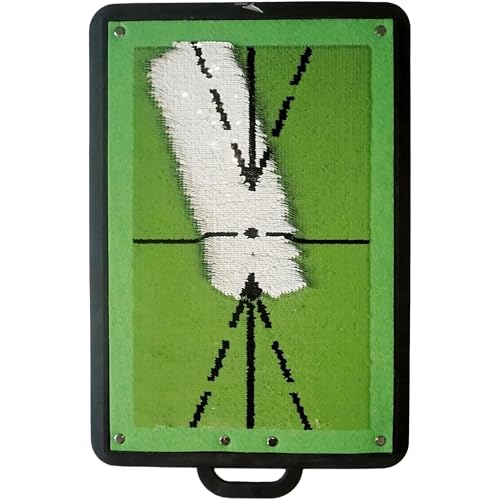
Birdie Golf Birdie Mat Pro Swing Training Aid
More Details On Our Top Picks
Orange Whip sits in the pure swing-aid lane, not the data-heavy simulator lane. The 43.5-inch midsize format gives you a training tool that feels substantial enough for tempo work, balance drills, and full-motion rehearsal in a garage or spare room. For golfers chasing smoother sequencing, that matters more than gadgetry.
The trade-off is simple, it gives you motion feedback rather than ball-flight numbers. That makes it a strong fit for warm-up routines and repeatable rhythm work, while golfers who want launch data will be happier with the Voice Caddie or either Rapsodo model. It’s a straightforward tool with a very clear job.
Strong Points
- 43.5-inch length supports a fuller swing motion.
- Useful for tempo, timing, and balance practice.
- Midsize format fits indoor warm-up spaces better than a net setup.
- Solid choice for golfers who want movement feedback, not screens.
Things To Consider
- No shot data, so it stays in the feel-training category.
- Length can feel awkward in very tight storage areas.
- Best suited to repetition, not ball-impact review.
Feature Snapshot
Who It Suits Best
Golfers focused on rhythm, balance, and smooth transition will get the most from it, especially in a home practice corner or pre-round warm-up routine.
A Better Fit Elsewhere
Voice Caddie Portable Golf Launch Monitor and Swing Analyzer suits you better when shot data matters more than motion feel.
Voice Caddie moves from feel into feedback, which is the big split versus Orange Whip. The product page points to real-time shot data tracking and a swing-speed mode that works without a ball, so you can practice in a living room, garage, or on a mat indoors. That makes it a better match for golfers who want numbers, not just rhythm.
Up to 20 hours of battery life is useful for long sessions or repeated range visits, and the portable format keeps it easy to bring along. The honest read is that a monitor like this asks for a little more setup discipline than a plain trainer, but the payoff is a clearer picture of your strike. You also avoid the clutter of a larger simulator cage.
What We Like
- Real-time shot tracking adds immediate feedback after each swing.
- Swing-speed mode works without a ball for living-room practice.
- Portable build suits home use and range sessions.
- Battery life up to 20 hours supports longer practice blocks.
Worth Noting
- More setup-minded than a simple swing stick.
- Works best when you already care about tracking numbers.
- Needs a bit more space and organization than a compact mat.
Core Details
Best Suited To
Data-focused golfers who want portable feedback for indoor drills, garage sessions, or outdoor range work will get the most from it.
Where A Sibling Pick Shines
Orange Whip Golf Swing Trainer Aid fits you better for simple tempo and balance work without a monitor workflow.
This Zensouds setup covers a different job than the two smaller trainers before it. The 10 by 7 foot net, paired with a practice mat and target area, turns a backyard or basement into a much fuller hitting station. For golfers who need space to chip, drive, and repeat swings, that is the real appeal.
Installation sounds more approachable than many full cages, since the source calls out two cross poles, ground spikes, and simple disassembly. The flip side is that a net system takes more room and more storage consideration than a single training stick, so it’s best for people with a dedicated practice area. The included targets help keep sessions focused instead of random.
Upsides
- 10 by 7 foot net gives you a sizable striking area.
- Practice mat adds a more complete home range setup.
- Targets help guide chipping and full-swing repetition.
- Suitable for living room, garden, or basement setups.
- Simple assembly path is a plus for occasional movers.
Areas To Watch
- Needs real floor or yard space to make sense.
- Storage is less convenient than a compact swing aid.
- Net-style setups ask for more setup and take-down time.
Details At A Glance
Made For
Home golfers with a garage, yard, basement, or spare room will get the most out of this kind of practice station.
Another Choice May Suit
Birdie Golf Birdie Mat Pro Swing Training Aid suits smaller practice areas where portability matters more than a full net.
Rapsodo’s MLM2PRO sits in the serious-feedback category, and the source points to dual cameras plus 15 metrics. That combination matters because you’re not just seeing one number, you’re getting a broader picture of ball flight and swing behavior for home or range sessions. It’s a stronger fit than Voice Caddie for golfers who want a deeper tracking setup.
The inclusion of 3 ProV1 balls gives the package a more complete practice feel, especially in dedicated indoor bays or a well-planned garage setup. One thing worth considering is that a monitor with this much information asks for more attention to setup and alignment than a basic trainer. For committed practice, that’s part of the value.
Reasons To Buy
- Dual-camera system adds a richer view of swing motion.
- 15 metrics give you far more detail than a simple trainer.
- Works for both indoor and outdoor practice.
- Home and driving-range use both make sense here.
- Included ProV1 balls help round out the package.
Minor Gripes
- More setup-sensitive than a net or swing stick.
- Best value shows up in a dedicated practice routine.
- The richer feature set takes a little more learning.
Feature Rundown
Who Will Love This
Committed golfers who want a deeper swing-and-ball tracking tool for a home bay or range routine will be the best match.
Look Elsewhere When
Voice Caddie Portable Golf Launch Monitor and Swing Analyzer fits you better for a lighter, simpler monitor workflow.
This version of the MLM2PRO keeps the same monitor-first idea, but the ball bundle changes the package feel. Three Chrome Tour balls make it more appealing for golfers who want a more complete practice kit without hunting for extras. Compared with the ProV1 bundle, the core appeal still comes from dual-camera tracking and 15 metrics.
The honest read is that this belongs with dedicated practice setups more than casual backyard swings. That’s where the data depth and the bundled balls start to feel worth the step up. Golfers who already know they want the Rapsodo workflow will likely find this the cleaner package.
Highlights
- Dual-camera tracking supports detailed swing review.
- 15 metrics give you serious practice feedback.
- Three Chrome Tour balls make the box more complete.
- Indoor and outdoor use both fit the design.
Small Caveats
- Package value depends on whether you want the bundled balls.
- Not the simplest path for very casual practice.
- Setup discipline matters, especially in tighter spaces.
Core Details
Perfect Match For
Golfers who want a premium-feeling monitor package for a home bay, garage mat, or range session will get the most from it.
Skip It When
Voice Caddie Portable Golf Launch Monitor and Swing Analyzer makes more sense for simpler, less involved feedback needs.
Real Swing 300 leans into impact-path feedback, which gives it a different job from Orange Whip’s tempo focus. The product page calls out true impact and checking path after the swing, so it’s aimed at golfers who want to understand what happened through contact rather than before it. Height adjustability makes that setup more adaptable in a home practice area.
That adjustability helps when multiple people use the same station, or when your stance and mat height need a little tuning. The trade-off is that this is a more specific training aid than a full simulator or a launch monitor, so it suits strike-work and groove training best. For repeatable mechanics, it earns its place.
Best Bits
- True-impact feedback focuses attention on contact quality.
- Checking path after the swing helps with groove work.
- Height-adjustable design improves fit in different setups.
- Useful for mat-based practice at home.
Points To Note
- More specialized than a general-purpose trainer.
- Better for strike feedback than ball-flight tracking.
- Works best in a stable practice area.
Feature Card
Whose Shelf It Belongs On
Golfers who want strike feedback, path review, and a mat-friendly practice aid will get the clearest value from it.
Where A Sibling Pick Shines
Rapsodo MLM2PRO Mobile Launch Monitor Golf Simulator suits you better when you want full data tracking instead of contact-focused training.
GolfForever takes a fitness-first route, so it sits apart from the launch monitors and mats above. The included membership and premium training bar point toward golf-specific workouts built around strength, flexibility, and swing power. That makes it a better fit for golfers who see practice as part of a broader body-work routine.
Compared with Orange Whip’s simple motion training, this system adds a structured training layer, which is useful for anyone who likes guided routines. The trade-off is that it’s less about immediate shot feedback and more about building the body that supports a stronger swing. For a home setup, that distinction matters a lot.
Positives
- Fitness-oriented design supports golf-specific workouts.
- Membership adds structure to the training routine.
- Premium training bar gives you a dedicated tool for drills.
- Useful for strength and flexibility work at home.
Softer Spots
- Less focused on shot tracking than monitor-based picks.
- Best value depends on whether you want guided workouts.
- Not as immediately direct as a pure impact trainer.
Technical Sheet
Right Fit For
Golfers who want a workout-led swing system and regular at-home training structure will get the most from it.
Reach For A Different Pick When
Voice Caddie Portable Golf Launch Monitor and Swing Analyzer suits you better for immediate ball and swing data.
Birdie Mat Pro is the smallest-feeling option in this group, and that makes it useful in tight practice corners. The sequin tech surface is there to help you analyze swing path and ball impact, so it leans toward immediate visual feedback rather than broad simulator data. For apartment storage, office practice, or a narrow indoor lane, that compact shape matters.
Compared with the larger Zensouds net, this is much easier to move and tuck away. The trade-off is obvious, you get a smaller feedback surface and less of a full hitting environment. Still, for golfers who want a portable training aid with clear contact clues, it covers the basics well.
What We Like
- Compact size is easy to place and store.
- Sequin surface gives you visual swing-path feedback.
- Works as a portable aid for indoor or outdoor practice.
- Good fit for limited-space training corners.
Room For Improvement
- Smaller footprint means less room for full-range practice.
- Better for feedback than for a simulator-style setup.
- Portable format won’t replace a larger net station.
Feature Rundown
The Right Fit
Golfers with limited storage or a small practice zone will appreciate the compact format and simple feedback style.
Swap It Out When
Zensouds Golf Net, 10x7FT with Golf Practice Mat suits you better when you want a larger backyard hitting setup.
How To Choose The Right Golf Swing Trainer Simulators
Match The Tool To Your Practice Goal
A swing stick, a launch monitor, and a hitting net solve different problems, so the first step is choosing the kind of feedback you actually want. Tempo tools like Orange Whip help with rhythm and balance, while data tools such as Voice Caddie and the Rapsodo models give you shot tracking and swing numbers. Net systems like Zensouds turn a space into a practice station, which suits golfers who want to hit balls instead of only rehearsing motion.
Size, Storage, And Setup Matter More Than The Box Art
A compact trainer can live beside a bag or in a closet, while a 10 by 7 foot net needs real room to breathe. That difference becomes obvious in apartments, garages, basements, and shared spaces, where storage and setup time shape how often you’ll use the gear. Birdie Mat Pro works well in tighter spots, but a larger setup rewards golfers who have a dedicated corner.
Decide How Much Feedback You Want
Some golfers want a visual cue after each swing, and others want numbers tied to the ball flight. Launch monitors with dual cameras or shot tracking sit higher on the feedback ladder than a simple impact mat, and they usually ask for more setup discipline. That extra detail helps committed practice, while casual warm-ups often do fine with a lighter tool.
Think About Your Routine, Not Just Your Wishlist
A product earns its keep when it fits the way you already practice, not the way you hope to practice someday. Daily warm-up work favors something quick and repeatable, while weekend sessions in a garage bay justify a bigger setup. The best match is usually the one you can use without rearranging your entire space.
A Quick Reality Check Before You Decide
Wrong Turns To Avoid
A common mistake is buying a monitor when you really wanted a simple swing trainer, or buying a net when you only needed tempo work. Another is overlooking storage and setup, which can turn a promising practice aid into garage clutter. Size, feedback style, and session length should lead the decision.
The Upgrade Payoff
Higher-tier models cost more because they package more sensing, more guidance, or more complete practice gear. That means dual cameras, extra metrics, bundled balls, membership content, or a larger hitting area. The upgrade makes sense when you practice often enough to use those extras, not just admire them.
Frequently Asked Questions
Are Golf Swing Trainer Simulators Good For Beginners?
Yes, as long as the tool matches the lesson. A swing aid like Orange Whip or a compact feedback mat is usually easier to start with than a data-heavy monitor.
Do You Need A Ball For Every Trainer?
No. Voice Caddie includes a swing-speed mode that works without a ball, and Orange Whip focuses on motion rather than contact. Launch monitors and nets make more sense when ball feedback matters.
Which Option Works Best In A Small Space?
Birdie Mat Pro and Orange Whip fit smaller areas better than a full net or simulator-style setup. The smaller footprint makes storage and daily use easier.
Which Pick Feels Most Complete For Home Practice?
Zensouds Golf Net, 10x7FT with Golf Practice Mat feels the most like a mini practice station. It combines a net, mat, and target work in one setup.
Which Product Is Best For Swing Data?
Rapsodo MLM2PRO models and Voice Caddie are the clearest data-focused choices here. They suit golfers who want numbers and tracked shots more than pure motion work.
Final Thoughts
The right choice depends on how you practice, not on how much gear you can fit in a cart. Orange Whip and Birdie Mat Pro suit quick, repeatable work, while Voice Caddie and the Rapsodo models serve golfers who want more feedback. Zensouds covers the full hitting setup, and GolfForever shifts the focus toward body training. Choose the one that matches your space, your routine, and your patience for setup, and your practice time will feel far more useful.


