

Golf speed trainers suit you when warmups feel rushed and your swing needs a clearer rhythm. The right stick, rope, or retractable aid can sharpen tempo, build swing awareness, and make range sessions more structured without taking much space in your bag. Some picks lean simple and steady, while others add feedback, variable weight, or arm support for more specific practice. That spread matters, because the right tool depends on how much guidance you want before a round or between lessons.
Quick Look At The Shortlist

Amazon Basics Golf Swing Trainer Aid

HH-GOLF Golf Swing Speed Trainer

Asyxstar Golf Swing Trainer Aid

Orange Whip Lightspeed Golf Swing Trainer 45″

FODESAN 5-in-1 Retractable Golf Swing Trainer

Rypstick Golf Swing Trainer Device

Cusprtm Golf Rope Swing Trainer
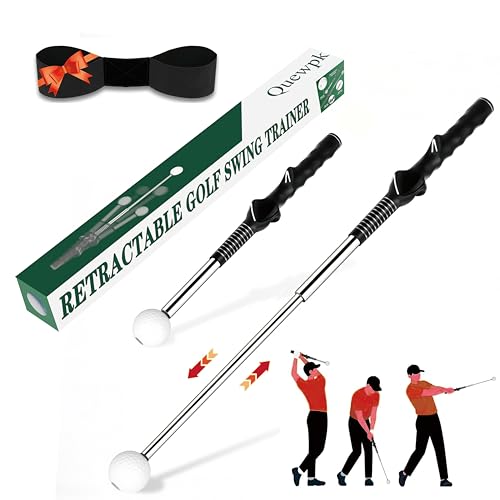
Quewpk Golf Swing & Grip Trainer with Arm Band
More Details On Our Top Picks
A straightforward stick like this fits the golfer who wants a simple warmup before a tee time or range session. The design focus is swing speed, strength, and flexibility, so the value sits in keeping your motion active without adding extra clutter.
Compared with the more adjustable HH-GOLF option, this one stays simpler and easier to grab on busy days. The honest trade-off is limited adjustability, but that also keeps it easy to store and reset between rounds.
Strong Points
- Simple build keeps the setup quick.
- Useful for warmups before a round.
- Targets speed, balance, and mobility together.
- Easy to stash in a gear bag.
Things To Consider
- It gives you less tuning than weighted models.
- Serious tempo work may call for more feedback.
Feature Snapshot
Who It Suits Best
You want a clean, no-fuss warmup tool that supports regular practice without much learning curve.
A Better Fit Elsewhere
HH-GOLF Golf Swing Speed Trainer suits you better when adjustable weight matters more than simplicity.
Three club weights in one body give this model a clear edge for practice sessions that need progression. You can move from lighter to heavier setup without changing products, which is handy for tempo drills in a garage, basement, or small backyard.
Compared with Amazon Basics, this one gives you more tuning room, and that matters once your warmups start feeling repetitive. The trade-off is a little more fiddling, so it suits golfers who like to set the feel on purpose rather than keep things ultra simple.
What We Like
- Three weight levels keep practice flexible.
- Supports strength and tempo work in one tool.
- Useful for gradual warmup progression.
- Lets you change feel without swapping gear.
Room For Improvement
- Adjusting the head adds a bit of setup time.
- Feel preference may vary more than with fixed sticks.
Core Details
Built With In Mind
You want adjustable practice and don’t mind spending a little time dialing it in.
Swap It Out When
Orange Whip Lightspeed Golf Swing Trainer 45″ suits you better when you want a lighter, more specialized speed stick.
This pick leans into low-impact stretch and exaggerated flex, so it suits golfers who want more movement prep before a round. The back-swing lag emphasis also makes it useful for tempo awareness, especially on days when your transition feels rushed.
Unlike the HH-GOLF trainer’s weight-adjusting setup, this one is more about motion feel than swapping loads. That makes it a sensible choice for golfers who care about rhythm and range of motion first, then power second.
Highlights
- Flex-focused feel helps wake up the swing.
- Supports warmups without a bulky footprint.
- Useful for lag and tempo awareness.
- Good fit for routine range sessions.
Softer Spots
- It is less adjustable than multi-weight trainers.
- Owners may want a simple storage spot to keep the flex piece from getting bent.
Details At A Glance
Right Fit For
You want a swing aid that favors rhythm, looseness, and warmup mobility over adjustable resistance.
Where A Sibling Pick Shines
FODESAN 5-in-1 Retractable Golf Swing Trainer suits you better when grip correction and click feedback matter more.
This model is the clearest speed specialist in the group, and that lighter, less flexible build is the point. The 45-inch length gives you a full-length training feel that suits golfers who want a dedicated warmup stick rather than a broader all-in-one aid.
Compared with Asyxstar, the Orange Whip Lightspeed feels more purpose-built for quick-swing work than for general stretch drills. The trade-off is that it asks more of your technique, so it suits golfers who already know they want a speed-only lane in practice.
Bright Spots
- Lighter and less flexible than the standard Orange Whip trainer.
- Long 45-inch format keeps the swing path familiar.
- Good match for speed-first warmups.
- Easy to connect with distance-focused practice habits.
Areas To Watch
- It is not the same as the Orange Whip Trainer, so expectations matter.
- Its lighter feel may seem less forgiving to newer golfers.
Quick Facts
Whose Shelf It Belongs On
You want a dedicated speed trainer and already have a basic feel for swing rhythm.
Another Choice May Suit
Amazon Basics Golf Swing Trainer Aid suits you better when you want a simpler warmup tool with less intensity.
Retractable tools usually appeal to golfers who want compact storage without giving up guided practice, and this one adds click feedback to that formula. Right-handed golfers get the clearest fit, while the grip-correction angle makes it especially useful for early-stage training sessions.
Compared with the simpler Amazon Basics stick, this model adds more feedback and more moving parts. That’s the trade-off, because extra features can help a focused drill session but also ask for a little more care in handling and setup.
Best Bits
- Retractable build saves bag space.
- Click feedback gives a clear cue during practice.
- Useful for grip correction and tempo work.
- Fits indoor or outdoor training routines.
Minor Gripes
- Right-handed orientation limits flexibility for some golfers.
- Retractable parts usually call for a little more care over time.
- Beginners may need a few sessions to get used to the feedback cue.
Feature Rundown
The Right Fit
You want portable practice with audible feedback and you swing right-handed.
Look Elsewhere When
Quewpk Golf Swing & Grip Trainer with Arm Band suits you better when you want arm support and left-handed compatibility.
Rypstick reads like a more focused speed-training tool than the broader warmup sticks in this list. The 45-inch white format gives it a clear practice identity, and that matters for golfers who want a dedicated distance-oriented trainer rather than a general-purpose aid.
Compared with Orange Whip Lightspeed, this option sits in the same speed-first lane but with a different presentation and brand feel. The honest read is that it suits golfers who like a cleaner, more direct training piece and don’t need extra complexity.
Positives
- Built around increased distance work.
- Simple warmup role keeps sessions focused.
- Forty-five-inch length supports a familiar swing path.
- Good fit for repeatable speed drills.
Worth Noting
- It stays narrowly focused on speed and warmup use.
- The cleaner design may feel sparse to golfers who want more adjustability.
Technical Sheet
Perfect Match For
You want a straightforward speed trainer and prefer a focused practice feel.
Reach For A Different Pick When
HH-GOLF Golf Swing Speed Trainer suits you better when variable weight matters more than a fixed-speed layout.
A rope-style trainer makes sense for golfers who want something light, simple, and easy to pull out anywhere. The focus here is speed, tempo, rhythm, flexibility, and strength, so it covers a broad warmup lane without looking or behaving like a rigid stick.
Compared with the Orange Whip Lightspeed, this feels less like a specialized speed shaft and more like a mobility-first practice aid. In most travel bags, that lighter format is handy, though you give up the fuller club-like feel some golfers prefer.
Upsides
- Very compact compared with rigid trainers.
- Useful for rhythm and mobility work.
- Easy to keep in a small practice kit.
- Good fit for golfers at many skill levels.
Small Caveats
- The rope format feels different from a standard club.
- Golfers who want exact club-like feedback may prefer a stick.
Core Details
Who Should Grab It
You want a light, travel-friendly trainer that emphasizes motion and rhythm over club-like stiffness.
Another Choice May Suit
Asyxstar Golf Swing Trainer Aid suits you better when you want more flex in a stick-style format.
The arm band changes the feel here, because it adds a steadier setup for swing path and grip work. Click feedback gives you a clear cue, and the right plus left-handed compatibility makes this one easier to place in a mixed-use household or lesson setup.
Compared with FODESAN, this version broadens handedness support and adds the arm-band element, which some golfers will appreciate for indoor drills. The trade-off is that extra structure can feel more involved than a plain stick, so it suits golfers who want correction as much as speed work.
Reasons To Buy
- Arm band helps guide practice position.
- Click feedback gives clear swing cues.
- Works for right- and left-handed use.
- Fits indoor and outdoor sessions.
Points To Note
- The added setup takes a little more time than a plain stick.
- Structured training may feel more involved for casual warmups.
Feature Card
Made For
You want guided grip and swing practice with feedback you can hear and feel.
Where Another Pick Suits Better
Cusprtm Golf Rope Swing Trainer suits you better when you want the lightest, simplest travel option.
How To Choose The Right Golf Speed Trainers
Match The Trainer To Your Practice Goal
Speed training sticks, ropes, and retractable aids do different jobs even though they share the same category. A lighter trainer usually favors tempo and quicker motion, while a weight-adjustable model gives you more control over progression.
You should match the tool to the part of your swing that feels weakest in real play. For a rushed transition, a flex-focused trainer makes sense; for warmups before early tee times, a simple stick often covers enough ground.
Pay Attention To Feedback Style
Feedback is the real separator here. Some tools give you a click, some give you more bend, and some rely on feel alone, so the best fit depends on how much cueing you want during practice.
Clear feedback helps you repeat a motion, especially in a garage bay or spare room where you may not be watching every rep. The trade-off is that louder or more rigid cues can feel distracting at first, so quieter setups often suit relaxed warmups.
Choose The Right Amount Of Adjustability
Adjustability matters most for golfers who don’t want a one-note trainer. A multi-weight model can serve beginners and steady improvers well because it lets you step through different feels without changing tools.
Fixed designs stay easier to live with, and that’s a real advantage for golfers who prefer quick storage and less setup. More moving parts usually mean more handling care, so the extra flexibility should earn its place in your routine.
Think About Space, Handedness, And Routine
Storage size sounds minor until you’re packing for a trip or keeping gear in a tight trunk. Rope trainers and retractable aids are easier to stash, while full-length sticks feel closer to a club and often take more room.
Handedness matters too, especially for households that share equipment or for golfers who switch between practice partners. A right-handed-only model is fine for a solo setup, but a two-handed option gives you more room to share the same tool.
What To Weigh Before You Choose
Common Shopping Slip Ups
Shoppers often focus on distance claims and skip over the practice style behind the tool. A speed stick, a rope trainer, and a retractable aid each deliver a different feel, so the wrong format can leave you with gear that sits unused.
Another common miss is ignoring handedness and storage needs. A trainer that fits your swing side and your bag space tends to stay in rotation.
What The Higher Tier Buys
Higher-tier models usually add better feedback, more purposeful shaping, or more refined adjustability. That matters for golfers who want a clearer signal from each rep rather than a simple warmup motion.
The upgrade makes the most sense when practice is part of your weekly routine. Casual golfers can stay with a basic stick, but frequent range work often justifies paying for a trainer that feels more dialed in.
Frequently Asked Questions
What does a golf speed trainer actually do?
It helps you rehearse swing motion with more structure than shadow swings alone. The main goal is cleaner tempo, better timing, and a more repeatable warmup.
Are rope trainers as useful as stick-style trainers?
Rope trainers are great for flexibility and rhythm because they feel lighter and less rigid. Stick-style trainers usually feel closer to a club, so they suit golfers who want a more familiar swing path.
Do weighted trainers make sense for beginners?
Yes, as long as the weight progression stays manageable. A model like HH-GOLF helps you step through different feels without needing multiple separate tools.
Is click feedback important?
It helps golfers who want a clear cue for timing and positioning. Quewpk and FODESAN both lean into that style, which makes repetition easier to judge.
Which type is easiest to store?
Rope trainers and retractable trainers usually take up less room. Full-length stick trainers feel sturdier in use, but they normally ask for more bag space.
Closing Thoughts
Your best golf speed trainer depends on how you practice, not just how fast you want to swing. A simple stick works well for routine warmups, while weighted and click-feedback models give you more structure when your tempo needs attention. Rope designs and retractable trainers make more sense for tight storage or travel. Choose the format that fits your habits, and the tool is far more likely to earn space in your routine.

