

Golf cart batteries can look fine until a weak cell or tired pack leaves you guessing at the worst moment. The right tester helps you sort out voltage, load, capacity, and charge state before a dead cart turns a simple outing into a delay. That matters whether you maintain a fleet, keep a weekend cart ready, or want cleaner answers than a dash light can give.
Some of these picks read battery health directly, while others are better at showing remaining charge or verifying a load under stress. That mix matters because golf carts, especially 36V and 48V setups, do not all need the same kind of check. You get a clearer match to your setup, your maintenance style, and how hands-on you want to be.
The Shortlist At A Glance

OBDResource BR502 Battery Voltage Tester
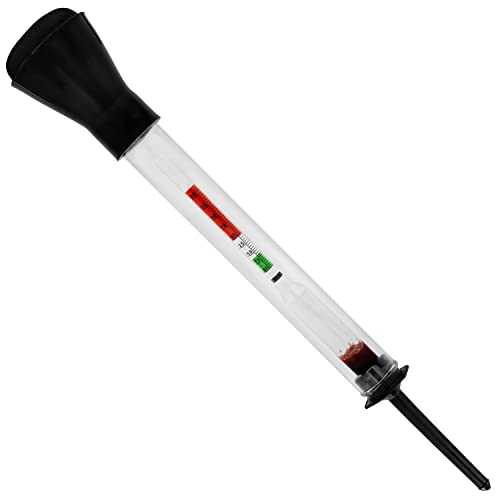
Mighty Max Battery Golf Cart/Deep Cycle Hydrometer Tester

DROK 48V Golf Cart Battery Meter LCD Display

SUPNOVA IPX7 Waterproof Battery Monitor with Bracket

Battery Tender Battery Load Tester 026-0020

TopDiag BT300 Battery Load Tester for 12V and 24V

TOPDON BT600 12V 24V Car Battery Tester

ELMCONFIG BM210 LED Battery Monitor Meter
More Details On Our Top Picks
OBDResource’s BR502 sits near the middle of the group because it covers a lot of ground without feeling specialized in only one direction. It checks 6V, 12V, and 24V batteries, and that wider span makes it handy for households that own a cart, a truck, or a boat alongside the golf cart.
The 100 to 2000 CCA range matters too, since CCA, or cold cranking amps, gives you a sense of starting strength rather than just surface voltage. The trade-off is that this style leans more toward general battery diagnosis than cart-specific dashboard monitoring, so it suits shops and multi-vehicle garages more than someone who wants a permanent gauge on the dash.
Strong Points
- Handles 6V, 12V, and 24V systems, so it stays useful across more than one vehicle.
- Reads internal resistance, which helps you spot a tired battery that still shows a plausible voltage.
- Works well for mixed-use garages where golf cart checks sit beside car or marine maintenance.
- Compact hand tool format makes storage simple in a glove box or tool drawer.
Points To Note
- It is more of a diagnostic tool than a mounted monitor, so it does not live on the cart.
- You still need to know which battery type and rating to enter for the most useful result.
- Users focused only on 48V golf carts may prefer a purpose-built cart meter instead.
Feature Rundown
Who It Suits Best
You want this most if your cart shares space with other vehicles and you like a handheld diagnostic tool with broader reach.
A Better Fit Elsewhere
DROK 48V Golf Cart Battery Meter LCD Display fits better for a cart owner who wants a mounted reading on a 48V setup.
This one is for people who still want a direct look at flooded batteries, not just an electronic estimate. A hydrometer checks the electrolyte, the liquid inside a lead-acid cell, so you can gauge condition cell by cell instead of relying on a single pack-level number.
That hands-on approach makes sense for golf cart owners who maintain deep-cycle batteries and do regular watering and cleaning anyway. The catch is simple enough, though, because it is less useful for sealed batteries and less convenient than a digital meter when you want a quick driveway check.
Highlights
- Useful for flooded deep-cycle batteries common in many carts.
- Lets you inspect cell condition more directly than a voltage-only meter.
- Small, simple tool that fits into routine maintenance kits without taking much room.
Softer Spots
- It depends on liquid battery access, so sealed packs are not the right match.
- Works best for owners comfortable with periodic maintenance and careful handling.
- It does not replace a broader electrical diagnosis tool for charging-system checks.
Core Details
Who Should Grab It
You get the most from this if you maintain flooded batteries and want a straightforward way to inspect each cell.
Where A Sibling Pick Shines
TOPDON BT600 12V 24V Car Battery Tester suits you better for broader electrical diagnosis and printed records.
Once you move into a 48V cart, a mounted meter starts to make a lot of sense. This DROK unit is built for live monitoring rather than occasional handheld checks, so your dashboard can show what the pack is doing while you drive or park.
Its 10 to 100V range also reaches beyond golf carts, which helps in mixed use setups like marine or RV applications. One thing worth considering is that this kind of meter is more about ongoing visibility than deep diagnosis, so it helps you watch trends but not every underlying battery fault.
Upsides
- Suited to 48V carts, which keeps the display relevant for a common cart voltage.
- LCD screen gives a quick readout that is easy to glance at in a moving cart.
- Supports several battery chemistries, including lithium, lead-acid, lithium iron phosphate, and Ni MH.
- Useful for owners who want a mounted display instead of a handheld tool.
Areas To Watch
- Mounting takes a little planning, so it is not as plug-and-play as a handheld tester.
- Best value shows up in carts and small mobile systems, not in broad shop diagnostics.
- The display is helpful for status checks, but it is not a full battery health lab.
Feature Snapshot
Built With In Mind
You will like this most for a 48V golf cart that needs a simple mounted readout during everyday use.
Consider Something Else When
Mighty Max Battery Golf Cart/Deep Cycle Hydrometer Tester suits you better when your cart uses flooded cells and you want cell-by-cell inspection.
The SUPNOVA monitor leans into outdoor use better than the simpler display on the DROK, thanks to its waterproof IPX7 rating. That rating means it is built to tolerate water exposure in a way that helps on carts used in damp garages, rainy storage areas, or rougher outdoor routes.
Its bracket, temperature reading, alarm, and remaining-capacity display make it feel more layered than a basic voltage gauge. The trade-off is that more features usually mean a little more setup and a little more attention to placement, especially on a cart where you want the screen easy to see without cluttering the dash.
Bright Spots
- Waterproof design gives it an edge for outdoor cart environments.
- Bracket mounting keeps the display positioned where you can see it quickly.
- Shows temperature and alarm status alongside voltage and capacity information.
- Works across a wide voltage span from 7V to 100V.
Worth Noting
- The extra features make installation a bit more deliberate than a plain meter.
- Owners who only want a basic pack reading may find it more involved than needed.
- Like most mounted units, it needs a clean, secure spot to stay readable day to day.
Details At A Glance
Right Fit For
You want this if your cart lives outdoors and you like a mounted monitor with more information on screen.
Swap It Out When
DROK 48V Golf Cart Battery Meter LCD Display is a simpler match for a cleaner 48V dashboard setup.
Battery Tender takes a more focused route here, and that narrower purpose can be a strength. It is built to load test 12V batteries at 100 amps and 6V batteries at 50 amps, which helps you see how a battery behaves under demand rather than just at rest.
That makes it a sensible choice for golf cart owners who also want to check starter motor draw and charging-system behavior. The honest read is that this is less flexible than the broader multi-vehicle meters above, but the clear focus makes it easy to understand and easy to keep in a garage routine.
Reasons To Buy
- Load testing gives a more practical view of battery condition under demand.
- Useful for checking starter motor draw as part of a charging-system diagnosis.
- Simple enough for recurring garage use without a steep learning curve.
- Works with both 12V and 6V batteries.
Small Caveats
- It focuses on load testing, so it is not the broadest diagnostic tool in the list.
- Owners who want live cart-mounted readouts should look at the meter-style picks instead.
- Like any manual garage tool, it needs basic storage care to keep the leads organized.
At A Glance
Whose Shelf It Belongs On
You will appreciate this most if you want a straightforward load tester for a garage that handles both 6V and 12V batteries.
A Better Fit Elsewhere
TopDiag BT300 Battery Load Tester for 12V and 24V suits you better when you want wider battery-size coverage and more battery-health data.
TopDiag goes wider than the Battery Tender pick, and that wider scope makes it useful for people who bounce between cars, carts, motorcycles, and small utility equipment. It reads battery health, state of charge, CCA, and impedance, which gives you more context than a plain load-only tool.
The spec that stands out most is the 10-second result claim, paired with a choice between a quick mode and a standard test that needs no manual AH input. In a busy garage, that kind of speed can save time, though the trade-off is that you still need to choose the correct battery type and CCA setting for the reading to make sense.
Best Bits
- Covers 20 to 2000 CCA batteries and 10 to 300AH batteries.
- Useful for golf carts, trucks, motorcycles, ATVs, lawn mowers, marine gear, and RVs.
- Shows battery health, state of charge, CCA, and impedance in one pass.
- Quick and standard modes give you flexibility in a time-sensitive garage routine.
Honest Caveats
- The richer feature set asks for a little more attention when you set up a test.
- People who want a fixed dashboard meter may prefer a mounted option instead.
- The broad coverage is great, though it can feel like more tool than a simple cart owner needs.
Quick Facts
The Right Fit
You will get the most from this if your garage includes a golf cart plus a mix of other vehicles and equipment.
Skip It When
Battery Tender Battery Load Tester 026-0020 is the cleaner choice for someone who only wants a simple 6V and 12V load check.
TOPDON’s BT600 feels aimed at people who want a more professional workflow, especially in shops or service garages. The 3.5-inch screen helps keep readings visible, and the built-in printer adds a paper trail that can be useful for records, handoffs, or keeping a job moving without writing things down.
Compared with the simpler handhelds earlier in the list, this one is less about casual checks and more about organized diagnosis of cranking and charging systems. The trade-off is obvious, since the printer and larger display add complexity, but for regular service use that extra structure can be worth it.
What We Like
- Built-in printer helps create printed reports without a separate device.
- 3.5-inch screen improves readability during longer diagnostic sessions.
- Checks 12V and 24V systems, which keeps it useful across common vehicle setups.
- Useful for cranking and charging system work, not just a simple battery snapshot.
Room For Improvement
- It is more tool than a casual golf cart owner usually needs.
- Printed reporting makes it bulkier and more involved than a bare-bones meter.
- Best results make sense in a service setting where you will actually use the printouts.
Feature Card
Who Will Love This
You will like this most if you work on carts and other vehicles often enough to value clear reporting and a larger screen.
Look Elsewhere When
OBDResource BR502 Battery Voltage Tester is a better match for a simpler handheld tool that covers more voltage types in one compact body.
The BM210 is the cart-specific pick here, and that focus helps it stand out. It covers 12V through 72V, so it fits a wide span of golf cart setups, including Yamaha, Club Car, and EZGO applications listed by the brand.
Compared with the broader diagnostic tools, this one is about live fuel-gauge style monitoring rather than deep battery analysis. That makes it a tidy fit for someone who wants an easy-to-read LED display on a cart, though the trade-off is that it does not try to be the most all-purpose tester in the roundup.
Positives
- Voltage coverage stretches from 12V to 72V, which suits many cart configurations.
- LED display is straightforward for quick checks during daily use.
- Works with lead-acid and lithium-ion batteries.
- Brand listing points to golf cart use alongside Yamaha, Club Car, and EZGO setups.
- Good match for people who want a cleaner dashboard-style readout.
Areas To Watch
- It is built for monitoring, so it is not the deepest diagnostic tool in the lineup.
- Mounted use means you need to plan placement and wiring with care.
- Golf cart focus is a strength, but it makes the pick less flexible for unrelated vehicles.
Core Details
Whose Shelf It Belongs On
You should look at this first if you want a cart-focused meter with a simple dashboard readout and broad voltage support.
A Better Fit Elsewhere
TOPDON BT600 12V 24V Car Battery Tester suits you better when you need printed diagnostic records and a deeper service workflow.
How To Choose The Right Golf Cart Battery Testers
Match The Tester To The Battery Type
Golf cart ownership starts with knowing what sits under the seat, because flooded lead-acid, lithium, and other chemistries call for different kinds of checking. A hydrometer makes sense for flooded cells, while a digital monitor suits people who want a live reading during a ride. A handheld analyzer works better for mixed garages where the cart shares space with cars, boats, or small equipment.
Voltage matters just as much as chemistry. A 48V cart needs a different range than a 12V utility battery, and a tester that spans 7V to 100V gives you more flexibility across systems. The trade-off is that broader range tools can feel less cart-specific, so the cleanest fit depends on whether you want one device for many jobs or one device for a single cart.
Decide Between Handheld, Mounted, And Load Testing
Handheld testers suit maintenance routines because you can store them in a drawer and bring them out only when needed. Mounted monitors live on the cart and give you ongoing visibility, which helps on busy properties or during long days of use. Load testers add another layer by showing how a battery behaves under demand, not just at rest.
That choice comes down to habit. Daily drivers and fleet carts benefit from mounted displays, while owners who check batteries only before weekend use may prefer a simple handheld unit. Service garages often get the most out of load testing and report-friendly tools, because they need clearer diagnosis rather than just a quick glance.
Look For The Details That Save Time Later
Screen readability, bracket mounting, and resistance or impedance readings all affect how smooth the tool feels in real use. Impedance is the battery’s opposition to electrical flow, and that figure helps reveal wear that voltage alone can hide. In a damp cart shed or outdoor storage area, waterproofing and a secure mount can matter more than extra screen flourishes.
Cleaning and storage deserve attention too. Clips, leads, and sensors last longer when they are kept dry, coiled neatly, and free of corrosion after use. A little care goes a long way here, like keeping the tool ready instead of hunting for missing cables every time the cart acts sluggish.
Things Worth Knowing First
Mistakes Worth Dodging
A common slip-up is choosing a tester that does not match the cart’s voltage or battery chemistry. Another is buying a monitor when you actually need a load tester, or the other way around. The clean fix is to start with how you maintain the cart, then narrow the tool type from there.
Size and placement trip people up too. A bulky diagnostic unit can be awkward for a small cart dash, while a permanent display is unnecessary for someone who only checks batteries a few times a season. Start with the job, then match the hardware to that job.
The Upgrade Payoff
Higher-tier models usually cost more because they do more than show a number. Larger screens, built-in printers, extra readouts, and wider test ranges all add convenience and context, especially in service settings or mixed-vehicle garages.
The upgrade makes sense when the cart is part of a larger maintenance routine. If you handle multiple vehicles, keep records, or want a more complete read on battery and charging behavior, the extra spend can save time and reduce guesswork. For simple cart-only monitoring, a basic meter is often enough.
Frequently Asked Questions
What makes a golf cart battery tester different from a car battery tester?
A golf cart tester often focuses on 48V or other cart-specific setups, plus mounted monitoring for daily use. A car battery tester usually leans more toward starting batteries, load checks, and broader vehicle diagnostics.
Do you need a load tester for a golf cart battery?
You do not need one for every situation, but it helps when a battery looks fine at rest and still struggles under demand. That makes it useful for checking tired packs and charging behavior.
Can one tester work for both lead-acid and lithium batteries?
Some digital monitors and analyzers support both, which makes them flexible for mixed setups. Hydrometer-style tools stay focused on flooded lead-acid batteries only.
Is a mounted meter better than a handheld tester?
A mounted meter is better for ongoing visibility while you drive or park the cart. A handheld tester is better for occasional checks and broader garage use.
What voltage range should you look for in a golf cart tester?
For many carts, 48V support matters most, but a wider range can help if you also work on other equipment. A broader range gives you flexibility, though a cart-only setup can stay simpler.
Closing Thoughts
The best golf cart battery tester for you depends on how hands-on you want to be. A cart meter keeps battery status visible day to day, a hydrometer serves flooded cells well, and a load tester gives deeper answers when performance drops. For mixed garages, the broader handheld analyzers make life easier. For a cart that sees regular use, a clean dashboard readout can be the calmest choice.
