
Getting started in golf usually means you want two things at once, a ball that won’t punish a rough swing and a pack that feels sensible to practice with. That’s the sweet spot this roundup covers. You’ll see standard balls for the course, recycled options for budget-minded play, and foam practice balls for backyard reps, so you can match the ball to your space, your swing speed, and your comfort level.
The Shortlist At A Glance

Callaway Golf Supersoft Golf Balls
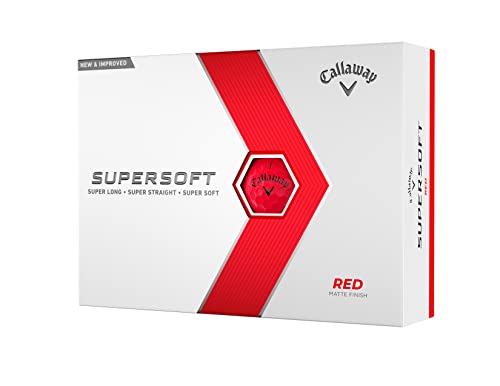
Callaway Golf Supersoft Golf Balls

WILSON 2024 Chaos Golf Balls 24 Balls

Eagle Ace Drive Golf Balls 2 Layers

Reload Recycled Golf Balls Bridgestone 24-Pack

Nitro Nitro Ultimate Distance

Guirnd 20 Pack Practice Golf Balls 41mm Foam

NITRO Crossfire 45 Golf Balls Orange

LostGolfBalls Kirkland Used Golf Balls Near Mint 50 Pack

Clean Green Golf Balls Recycled Used Colored Bulk Mix
More Details On Our Top Picks
Supersoft is a familiar starting point for new golfers because it leans into a softer cover feel without getting complicated. In most course settings, that tends to make mishits feel a little less harsh, and that matters more than flashy extras in your first season.
The 2025 version keeps the focus on simple playability, which suits range sessions and casual nine-hole rounds. You may find the softer personality a little less firm than some distance-first balls, but that trade-off fits beginners who want easier contact and less sting around the greens.
Strong Points
- Soft feel helps new swings feel less abrupt.
- Standard ball build keeps it course-ready.
- Comfortable for range work and short rounds.
- Easy fit for golfers learning cleaner contact.
Things To Consider
- Distance seekers may want something firmer.
- The softer profile can feel muted to some players.
- Best results come from regular ball rotation and basic care.
Feature Snapshot
Who It Suits Best
New golfers who want a soft-feeling standard ball for casual rounds and practice days are the best match here.
Where A Sibling Pick Shines
Callaway Golf Supersoft Golf Balls (2023) makes more sense for you if you want a very similar feel and prefer the earlier version.
The 2023 Supersoft keeps the same easygoing profile that many first-time golfers appreciate, especially during practice rounds. Compared with the 2025 version, this one sits in the same neighborhood for feel, so the choice often comes down to which listing fits your cart better.
That kind of continuity helps when you’re learning a repeatable swing and don’t want the ball to introduce extra variables. The honest read is that it’s not the most exciting option, but it’s a steady one for beginners who want familiar performance without fuss.
Upsides
- Soft feel supports relaxed full swings.
- Standard ball format keeps setup simple.
- Works well for range baskets and casual play.
- Low-friction learning curve for fresh golfers.
- Pairs neatly with basic club sets.
Room For Improvement
- It does not chase a firmer distance feel.
- Very similar to the 2025 version, so the difference can feel small.
Core Details
Whose Shelf It Belongs On
Beginner golfers who want a familiar standard ball and do not need a lot of extra tuning are the best match here.
Look Elsewhere When
WILSON 2024 Chaos Golf Balls 24 Balls suits you better if you want a larger pack for repeated range sessions.
A 24-ball pack changes the math for beginner practice, because you spend less time chasing a handful of balls and more time repeating swings. Compared with the Callaway options, this one is less about soft feel and more about stocking the bag for straightforward volume work.
That makes it handy for driving range trips, backyard drills, or a shared stash in a garage bucket. You may find the large count more useful than any single performance nuance, which is often the right trade when your main goal is getting reps.
Best Bits
- Pack size supports frequent practice.
- Simple standard-ball format suits course drills.
- Good for keeping spare balls around the house.
Points To Note
- The focus is quantity, not a specialized feel.
- Storage matters more with a larger set, so a bin or pouch helps.
Quick Facts
Built With In Mind
Beginners who practice often and want a larger stash for ordinary range work are the best fit here.
Another Choice May Suit
Guirnd 20 Pack Practice Golf Balls 41mm Foam is a better fit for you if your practice space is mostly indoors or close to the house.
Two-layer construction usually means a simpler core-and-cover setup, and here that idea is aimed at distance with some spin control in the mix. For beginners with a driver-heavy game, that can feel more purposeful than a generic practice ball, even though the trade-off is a more specific playing style.
Compared with the softer Callaway picks, this one leans into tee shots and a more active ball flight. You may like that focus if you want a ball that encourages longer drives without jumping into a more expensive, complex tier.
Bright Spots
- Two-layer build gives a clearer performance identity.
- Distance focus suits tee-shot practice.
- Spin control language hints at better shot shaping.
- Good match for newer golfers wanting a firmer response.
Softer Spots
- Less forgiving on the feel side than soft models.
- Distance-first design may not suit every swing.
- Best stored in a dry pouch or box to keep the cover in shape.
Feature Rundown
Right Fit For
Beginning golfers who care most about tee distance and want a straightforward two-layer ball belong here.
Skip It When
Callaway Golf Supersoft Golf Balls (2025) is the calmer choice for you if soft feel matters more than a distance-first setup.
Recycled balls are a smart lane for beginners who want to practice without treating every swing like a fresh-ball event. This Bridgestone pack adds a known brand name to that formula, and the 24-ball count gives you enough volume for range sessions or casual group play.
Compared with the standard new-ball options above, the trade-off is simple, you’re choosing reused inventory in exchange for a more forgiving practice budget. The package size and listed dimensions also make it easier to picture how it fits in a gear shelf, cart trunk, or garage bin.
Highlights
- Recycled format helps stretch practice budgets.
- 24-ball count is handy for repeated sessions.
- Bridgestone name adds familiarity for casual golfers.
- Made in the United States, which some shoppers prefer.
Minor Gripes
- Recycled condition varies more than new stock.
- White finish can show wear more quickly than darker practice balls.
- Package weight and box size matter for storage and transport.
At A Glance
Best Suited To
Beginners who want a familiar brand and a practice-friendly recycled pack are the best fit here.
Reach For A Different Pick When
WILSON 2024 Chaos Golf Balls 24 Balls suits you better if you want the same volume in a simpler standard-ball setup.
The Nitro Ultimate Distance name tells you exactly where the attention goes, long tee shots with a simple, course-ready format. For beginners who hit mostly open fairways or broad practice areas, that kind of direct purpose can be easier to understand than a softer all-round ball.
Compared with the recycled Bridgestone pack, this one is about new distance-oriented stock rather than used value. The trade-off is that you are paying for a more focused playing profile, so it fits golfers who want the ball to encourage a fuller swing.
Reasons To Buy
- Distance-first design keeps the purpose clear.
- Standard ball type works for normal practice and play.
- Helpful for players building driver confidence.
- Simple presentation suits first-time golf shoppers.
Areas To Watch
- Less versatile than a softer all-round choice.
- May feel a bit blunt around delicate shots.
- Basic ball care matters, especially after repeated cart storage.
Details At A Glance
The Right Fit
Beginners who want a straightforward distance ball for practice grounds and casual rounds fit this pick well.
Swap It Out When
Callaway Golf Supersoft Golf Balls (2025) is a smoother fit for you if you want a softer first-ball experience.
Foam practice balls are the easiest way to keep early swing work under control at home, especially in a backyard or a room with enough clearance. At 41 mm, this set gives you a smaller practice format than standard course balls, so the feel is more about repetition than true ball flight.
Compared with the real-ball options in this roundup, the foam build is the safest-feeling choice for close-range drills and limited-space use. You may find the reduced flight distance exactly right for indoor work, though it won’t replace full-course practice.
Strong Points
- Foam material is suited to close-range repetition.
- 41 mm size makes the practice format explicit.
- Good for indoor drills and backyard setup.
- Long-lasting feel suits repeated swing work.
Worth Noting
- Not a substitute for real course flight.
- Smaller practice shape changes the feedback you get.
- Best kept in a simple bin or pouch to avoid clutter.
Feature Card
Whose Shelf It Belongs On
Beginners practicing in apartments, garages, or backyards with limited space are the best match here.
Where Another Pick Shines
WILSON 2024 Chaos Golf Balls 24 Balls is the better fit for you if you want actual course balls for repeated outdoor sessions.
The orange color is the easy hook here, because it helps the balls stand out on fairways, rough, or practice grass. For beginners who lose track of shots often, that visibility can matter as much as any performance detail, and the 45-ball count gives the pack a very practical feel.
Compared with the cleaner white options above, this one is the more obvious pick for range sessions where keeping up with your ball matters. The trade-off is mostly visual preference, since the color choice will not suit every golfer’s eye.
Upsides
- Bright orange finish is easy to spot.
- 45-ball pack supports heavy practice use.
- Standard ball format fits everyday repetition.
- Helpful for golfers who lose balls often.
Small Caveats
- Color preference is personal and may not suit everyone.
- Larger pack needs a place to live between sessions.
Feature Snapshot
Who Should Grab It
Beginners who want high visibility and a large supply for practice rounds are the best match here.
Not Your Match When
Callaway Golf Supersoft Golf Balls (2025) suits you better if you want a softer-feeling standard ball instead of a bright pack.
A near-mint used pack is the kind of middle ground that can make sense for beginners who want a lot of practice balls without leaning into brand-new stock. Compared with the Bridgestone recycled set, this one puts the attention on a larger 50-ball supply, which helps a lot for long range sessions or shared use.
You may find the volume more valuable than a fresh-box feel, especially once your main goal is repeating contact rather than preserving each ball. The trade-off is simple enough, used condition brings value, but it also asks you to accept some variation from ball to ball.
Reasons To Buy
- 50-ball pack is great for practice volume.
- Near-mint grading gives the pack a cleaner feel.
- Works well for beginners who hit often.
- Useful for maintaining a steady range stash.
Areas To Watch
- Used condition can vary across the pack.
- Sorting and storage help keep the balls organized.
- Not the best fit for golfers who want brand-new inventory only.
Core Details
The Right Fit
Beginners who want a large, practice-heavy used-ball supply are the best fit here.
A Better Fit Elsewhere
WILSON 2024 Chaos Golf Balls 24 Balls suits you better if you want a smaller new-ball pack with less variation.
A graded recycled mix gives beginners a practical way to stock up while keeping some order in the bag, especially since this one includes a mesh carrying bag. The colored mix can also help with quick identification on the range, which is handy during busy practice sessions where white balls blend together.
Compared with the LostGolfBalls pack, this option adds a carrying bag and a broader presentation of colors, so it leans a little more toward organization than pure volume. The trade-off is that mixed inventory is naturally less uniform, but that is part of the value equation here.
What We Like
- AAA graded used balls give the pack a clean value focus.
- Colored mix helps separate your balls during practice.
- Mesh carrying bag makes transport and storage easier.
- Good fit for range work and general stash-building.
Worth Noting
- Mixed used inventory means ball-to-ball variation.
- The carrying bag helps, but you’ll still want a dry storage spot.
- Less uniform than a brand-new standard-ball pack.
Quick Facts
Who Will Love This
Beginners who want a mixed-color, practice-friendly recycled stash with a carrying bag fit this pick well.
Look Elsewhere When
Callaway Golf Supersoft Golf Balls (2023) is the cleaner fit for you if you want a uniform standard-ball feel instead of a recycled mix.
How To Choose The Right Cheap Golf Balls For Beginners
Match The Ball To Your Practice Space
Range-only golfers can lean toward standard balls, while backyard and indoor practice works better with foam. That simple split matters because a real golf ball brings true flight and feedback, but a foam ball keeps mishits gentler in tight spaces.
Pack size matters too. A 24-ball or 50-ball supply suits frequent sessions, while a 20-ball foam set is easier to manage in a small home setup.
Choose Feel Before You Chase Distance
Soft-feel balls such as the Callaway Supersoft line usually suit new swings because they feel calmer at contact. Distance-first models, like the Nitro and Eagle Ace options, ask for a little more confidence from the driver.
That trade-off shows up most around the greens and on mishits. Softer balls often feel friendlier, while firmer models can reward fuller swings and longer tee shots.
Look At Ball Type, Not Just Pack Count
Standard balls work for ordinary practice and casual rounds. Recycled and used balls can stretch your budget, but the condition can vary, so they fit golfers who value volume over uniformity.
Foam practice balls are a different lane entirely. They help you rehearse motion without needing full flight, which makes them a natural fit for garages, patios, and shared indoor spaces.
Think About Storage And Maintenance
Smaller packs are easier to keep tidy, while larger value bundles need a basket, bin, or pouch to stay organized. Used balls especially benefit from dry storage, since clutter and damp grass can shorten their neat appearance.
Clean balls are easier to sort, easier to resell later, and easier to reach for on the next practice day. That may sound minor, but for new golfers it saves time and keeps the routine smoother.
What To Weigh Before You Buy
Common Shopping Slip Ups
New golfers often chase the biggest pack without checking whether it’s standard, recycled, or foam. That can lead to the wrong kind of practice ball for the space you actually use.
Another common miss is overvaluing distance language and ignoring feel. A ball built for long drives can be less forgiving during short-game work, so the fit matters more than the slogan.
What The Higher Tier Buys
More expensive balls usually bring tighter quality control, more refined cover materials, and clearer performance tuning. In plain terms, you’re paying for more consistent behavior from shot to shot.
That extra spend makes sense once you play more often and start caring about repeatable spin, launch, and feel. For a very new golfer, the simpler path usually makes more sense until your swing settles.
Frequently Asked Questions
Are Cheap Golf Balls Good For Beginners?
Yes, they usually are, because they let you practice without overthinking every lost ball. A simple standard or recycled pack is often enough for early rounds.
Should You Start With Soft Or Distance Balls?
Soft balls usually feel friendlier for new swings. Distance balls make more sense once you want a firmer tee-shot focus.
Do Recycled Golf Balls Make Sense For Practice?
Yes, recycled balls can be a practical way to build a larger supply. The main trade-off is that condition can vary from ball to ball.
Are Foam Practice Balls Good Indoors?
Foam practice balls fit indoor drills very well. They keep the practice feel controlled in spaces where a full ball would be too much.
How Many Golf Balls Should A Beginner Keep On Hand?
A small course bag can work with a dozen or two, while frequent practice benefits from a larger stash. A 24-ball or 50-ball pack helps reduce constant sorting and refilling.
Closing Thoughts
The right cheap golf balls for beginners depend less on brand prestige and more on how you actually practice. Soft standard balls help the first rounds feel calmer, recycled packs stretch a budget, and foam balls keep home drills manageable. That makes the best choice the one that fits your space, your swing, and how often you’re out there. Pick the lane that matches your routine, and the game gets easier to live with from the start.